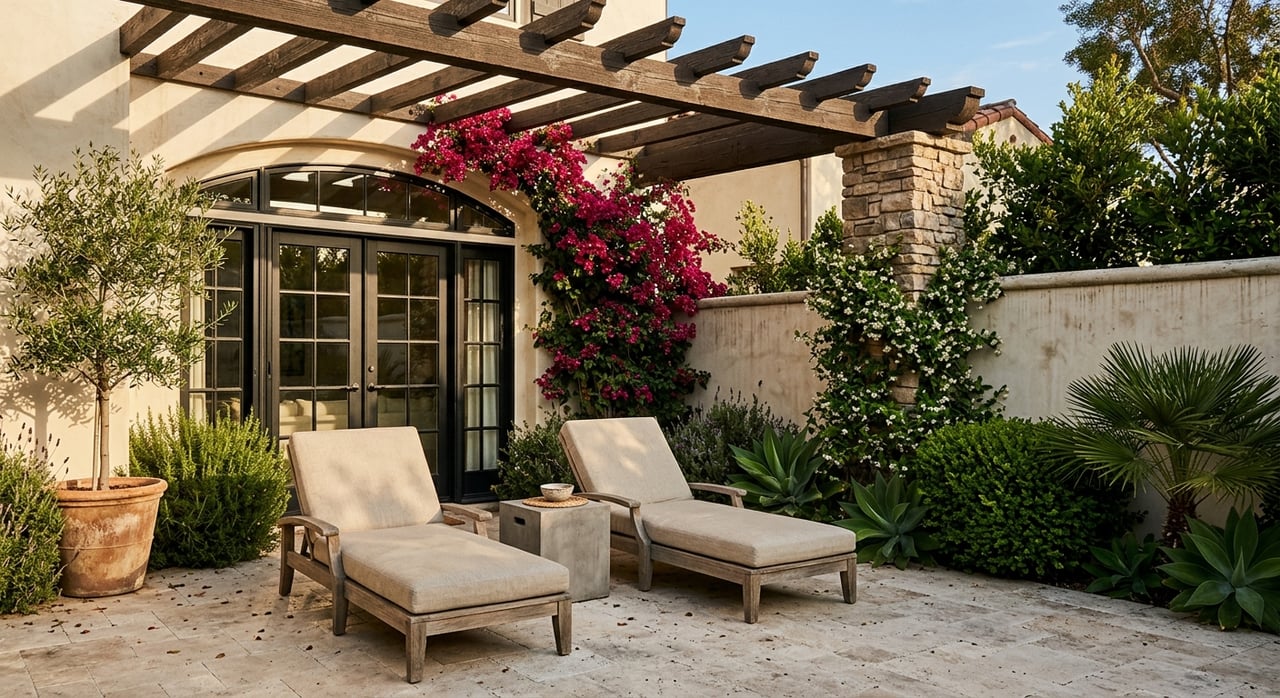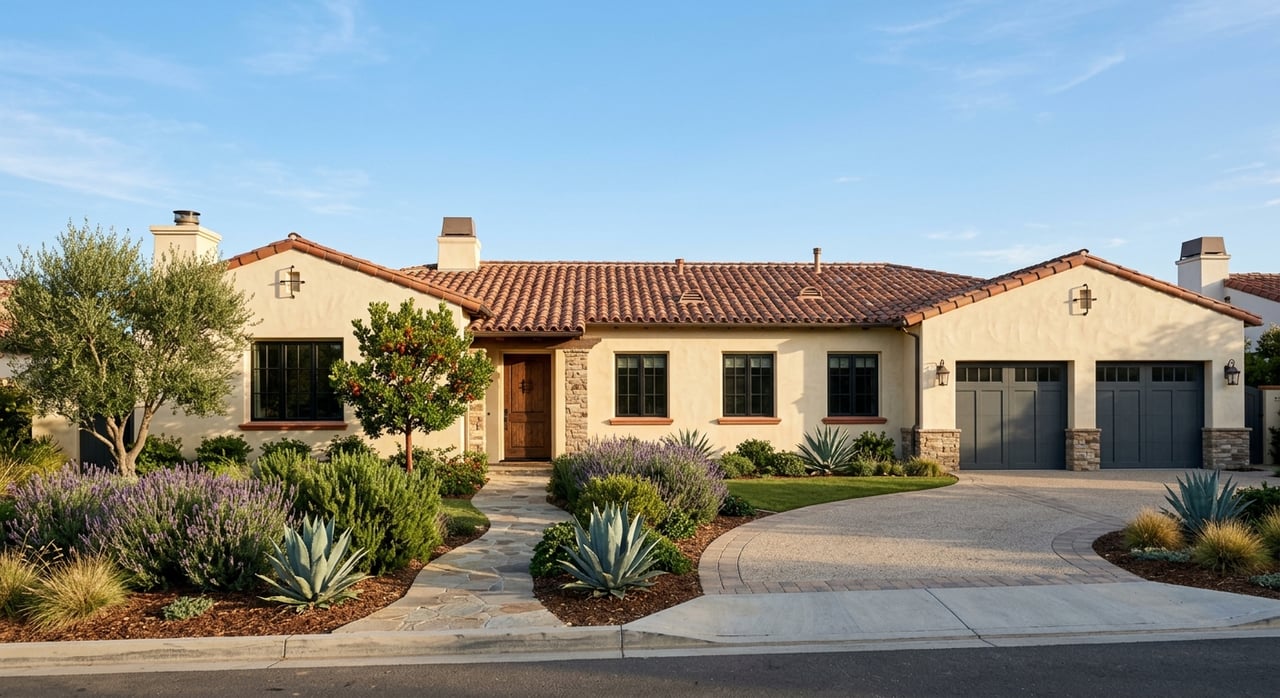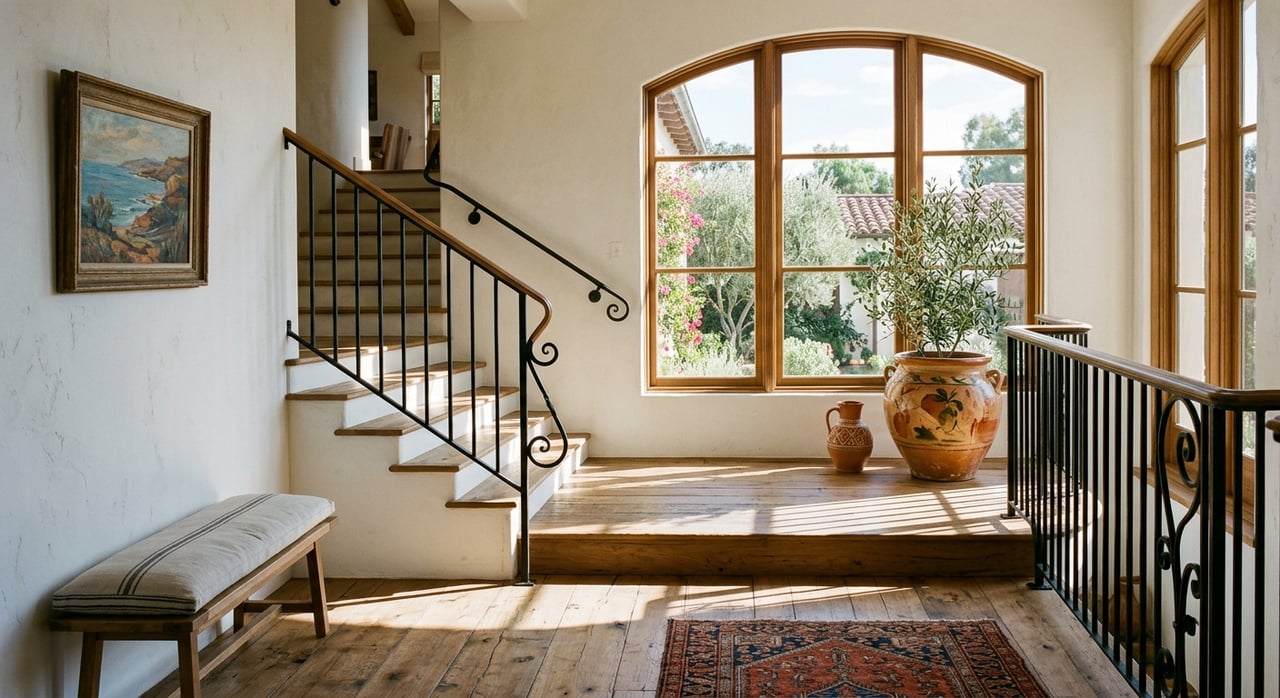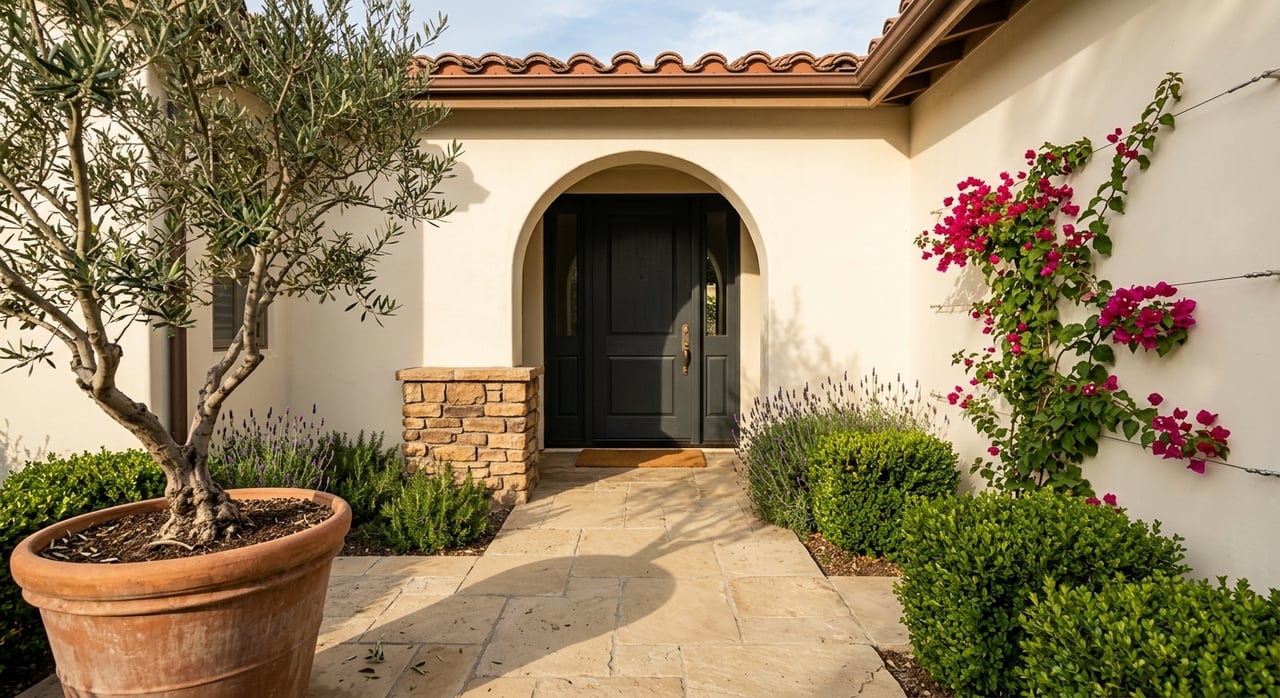

Are you searching for your dream home, or a home that actually fits your life?
Buying a home is one of the biggest financial and lifestyle decisions you'll make. Yet one of the most common challenges buyers face isn't finding available properties. It's figuring out what they truly need versus what they simply want.
A home search often starts with practical requirements: the right location, enough bedrooms, a manageable commute and a comfortable budget.
Then the wishlist grows.
An updated kitchen. A larger backyard. A walk-in closet. A swimming pool. A dedicated home office.
Suddenly, finding the right home becomes a search for a property that checks every single box.
Here's a simple framework that can help: adapting the familiar 50/30/20 principle to your home-buying search.
This isn't a financial budgeting formula or a rigid mathematical rule. It's a way to organize your priorities and make more intentional decisions.
1. The 50%: Identify Your Non-Negotiable Needs
Start with the things that directly affect your everyday life.
These are the features that are difficult, expensive or impractical to change after purchasing a home.
Consider:
- Location: Proximity to work, schools, family, shopping and everyday conveniences.
- Commute: How much time are you willing to spend traveling each day?
- Bedrooms and bathrooms: What does your household actually need?
- Functional floor plan: Does the layout support your family's daily routines?
- Budget: What purchase price and monthly housing costs are financially comfortable?
- Neighborhood: What kind of community and surroundings are important to you?
Ask yourself: If this home doesn't have this feature, will it negatively affect my everyday life?
If the answer is yes, it probably belongs on your needs list.
2. The 30%: Prioritize Your Lifestyle Wants
These are the features that make a home more enjoyable, comfortable or aesthetically appealing.
They're important, but they don't necessarily need to be deal-breakers.
Your wishlist might include:
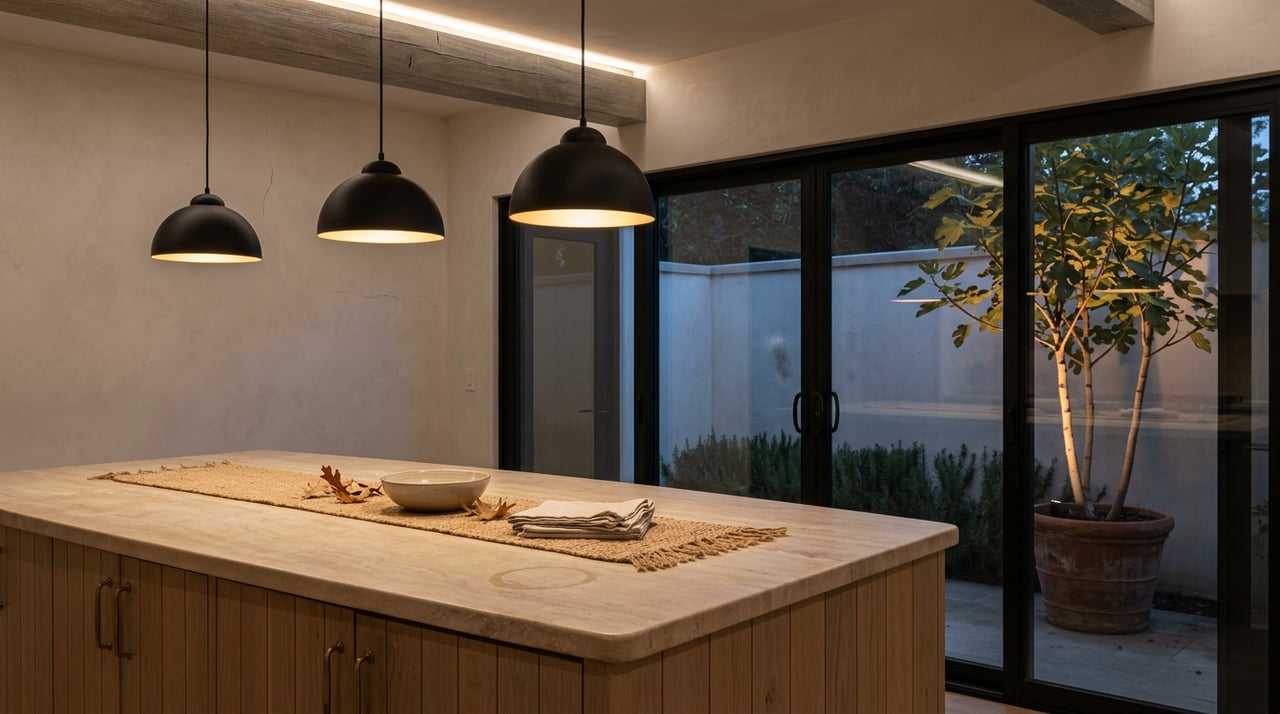
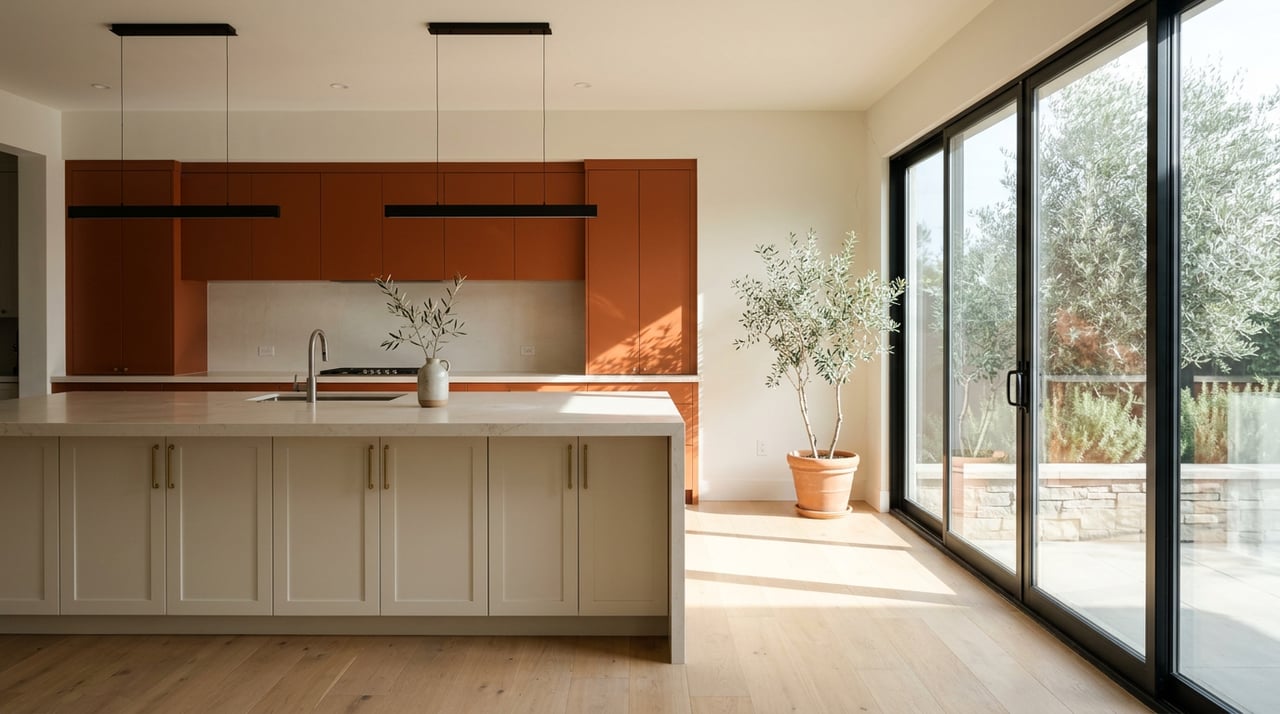
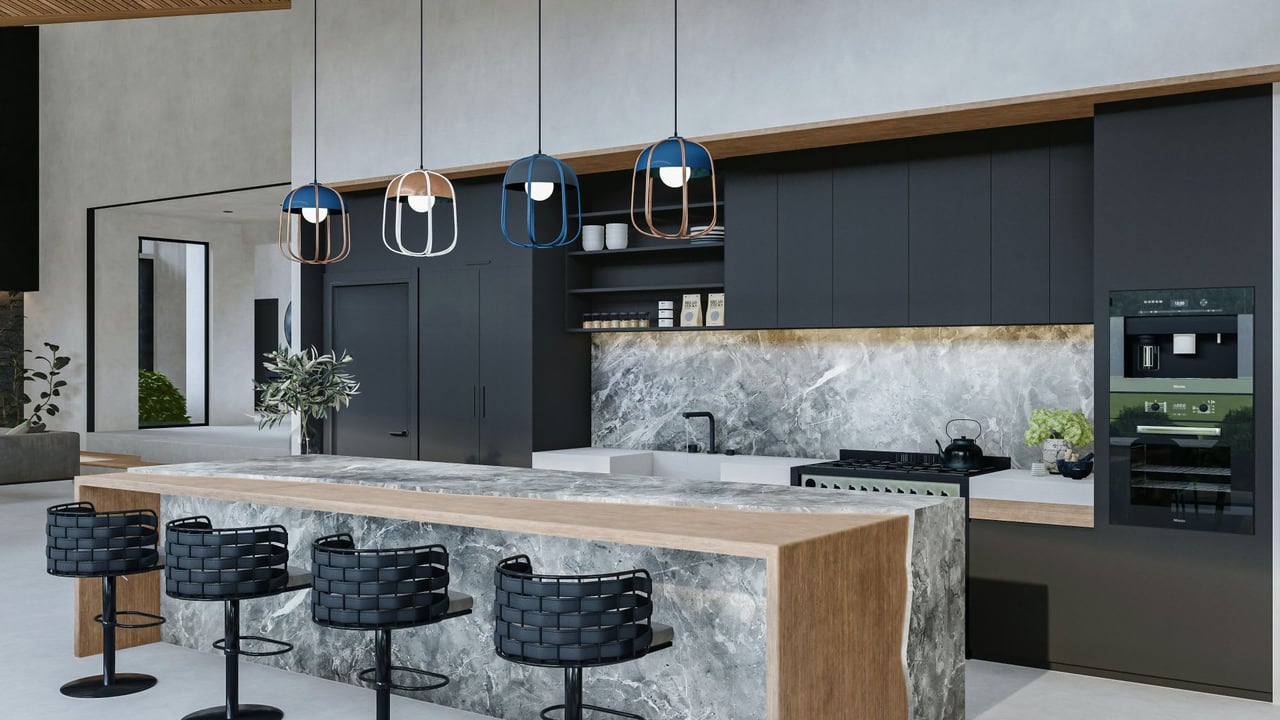
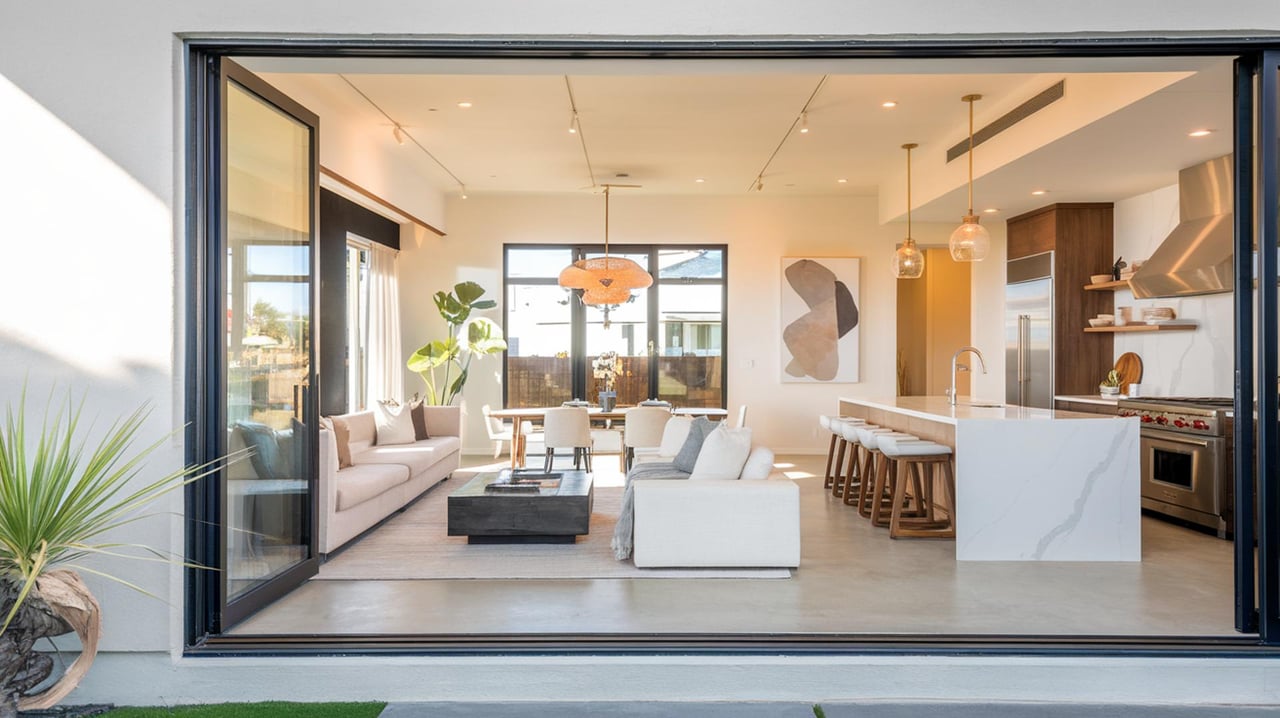
- A beautifully updated kitchen
- Walk-in closets
- A swimming pool
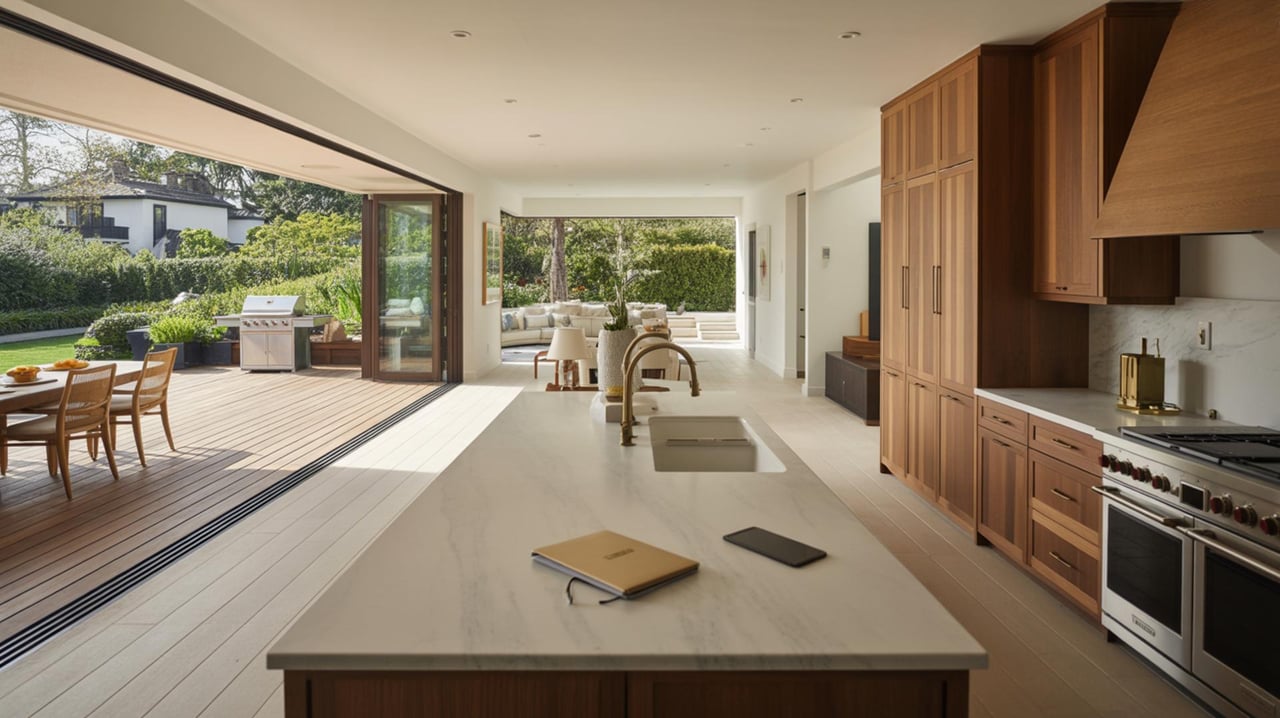
- An open-concept living area
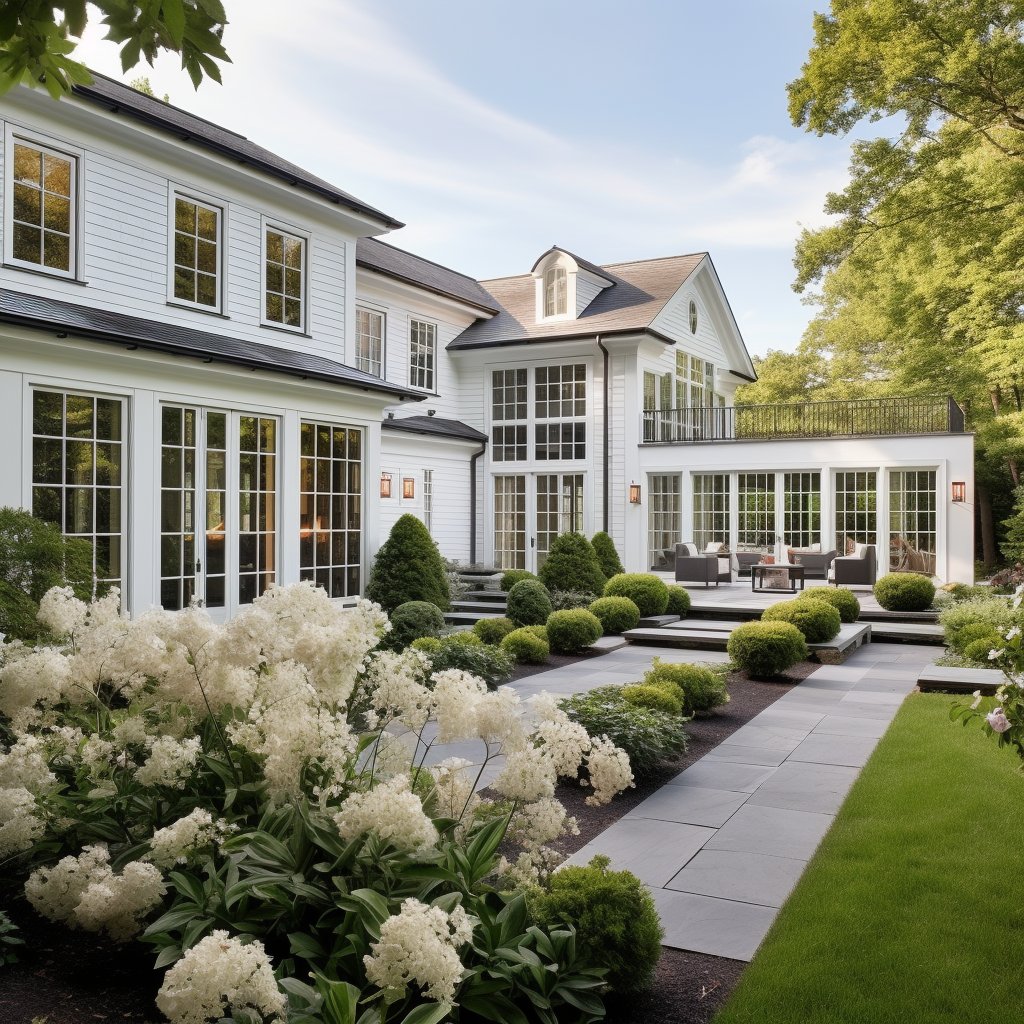
- A larger backyard for entertaining
- A dedicated home office
- Designer finishes and upgraded bathrooms
The important distinction is understanding how much you're willing to pay for these features.
For example, is an updated kitchen worth stretching your budget by $75,000? Or would you rather purchase a home with a functional kitchen and renovate it over time?
There isn't one right answer. It depends on your priorities, available resources and long-term plans.
3. The 20%: Identify Where You Can Be Flexible
This is where buyers can discover opportunities they might otherwise overlook.
Not every home needs to be move-in ready or perfectly aligned with your aesthetic preferences.
Some features can be improved over time.
Consider being flexible about:
- Interior paint colors
- Flooring and light fixtures
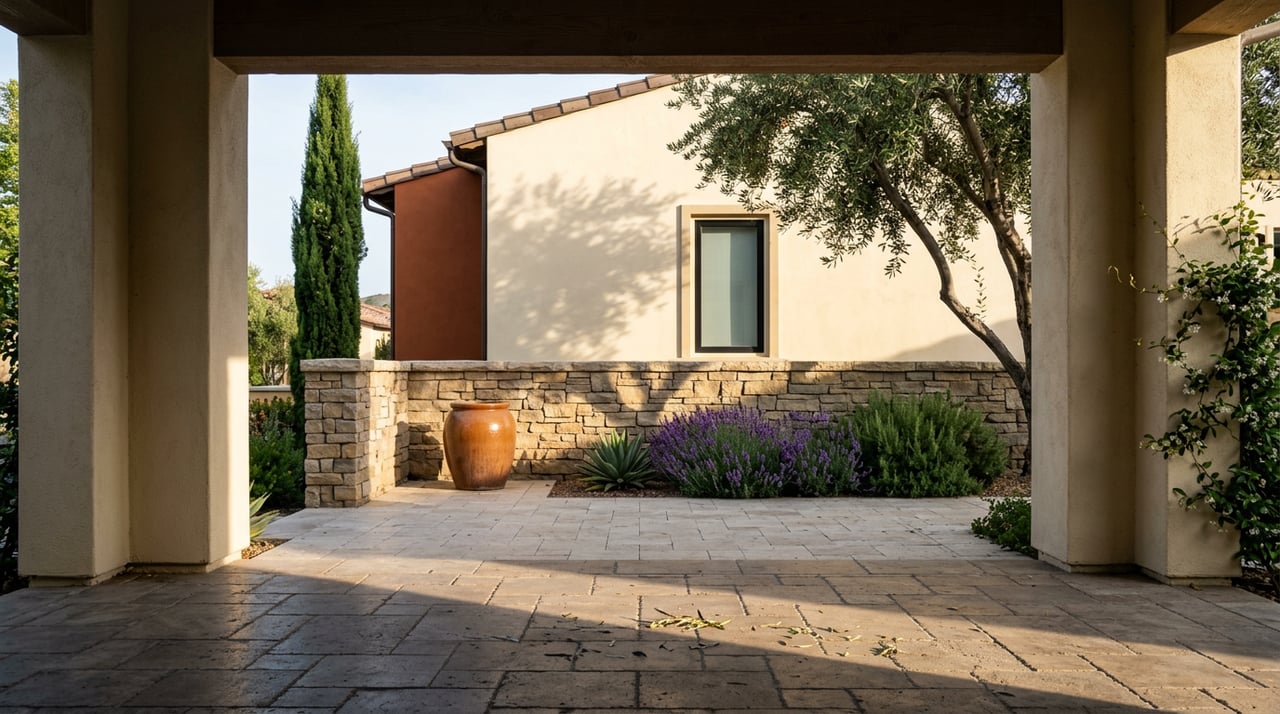
- Landscaping
- Cabinet hardware and finishes
- Cosmetic bathroom updates
- Outdoor entertaining improvements
This is where understanding a home's design, construction quality and renovation potential becomes valuable.
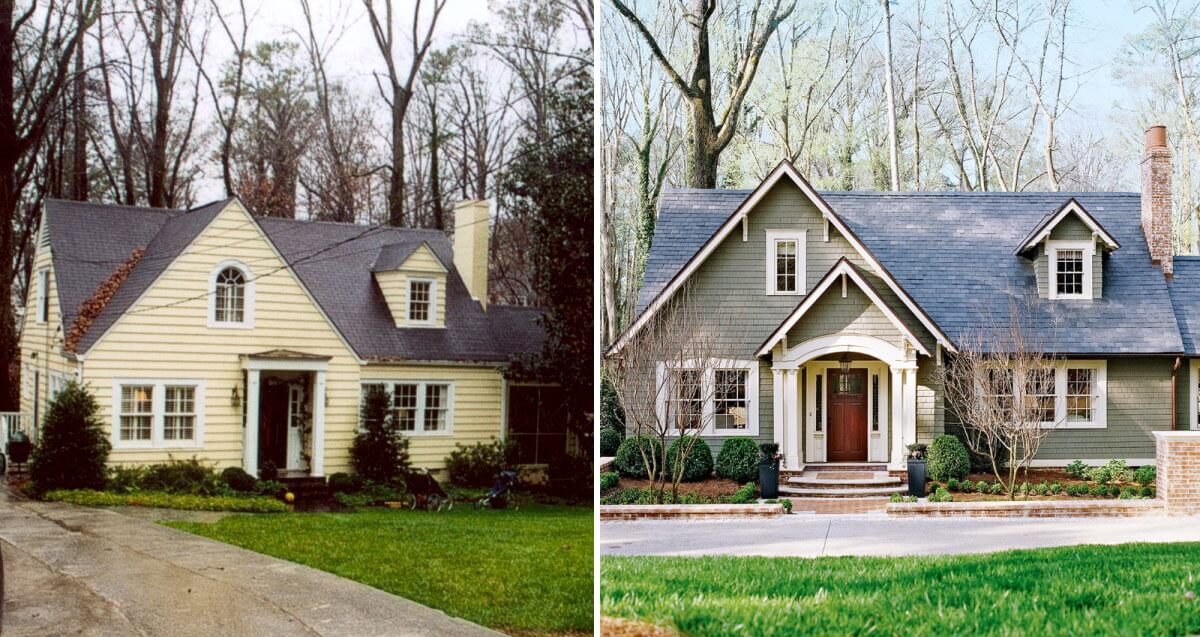
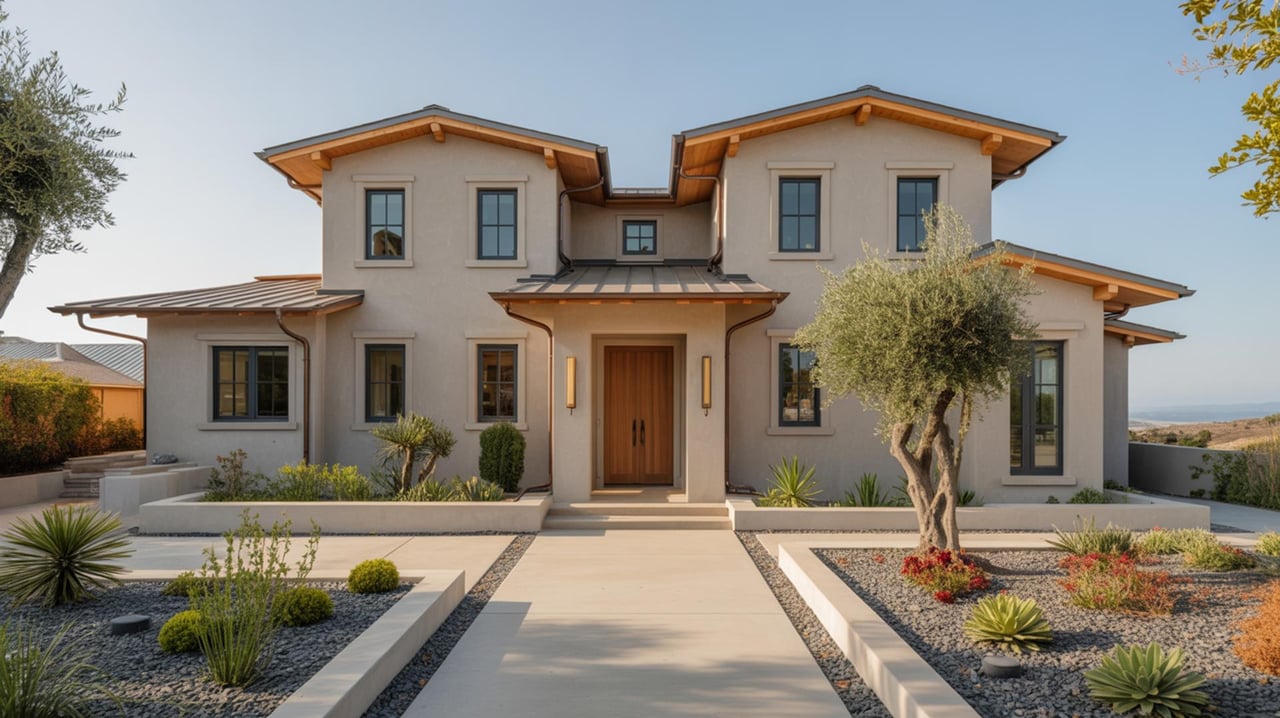
A home with a dated kitchen but a great layout may offer more opportunity than a beautifully renovated home with a compromised floor plan.
However, always evaluate renovation costs, permits, structural conditions and your available budget before assuming an improvement will be easy or inexpensive.
Why Location and Functionality Matter More Than Finishes
One of the biggest mistakes buyers can make is prioritizing cosmetic features over the fundamentals.
You can repaint walls. You can update countertops. You can redesign a backyard.
But changing a home's location, neighborhood, commute or underlying floor plan is considerably more difficult.
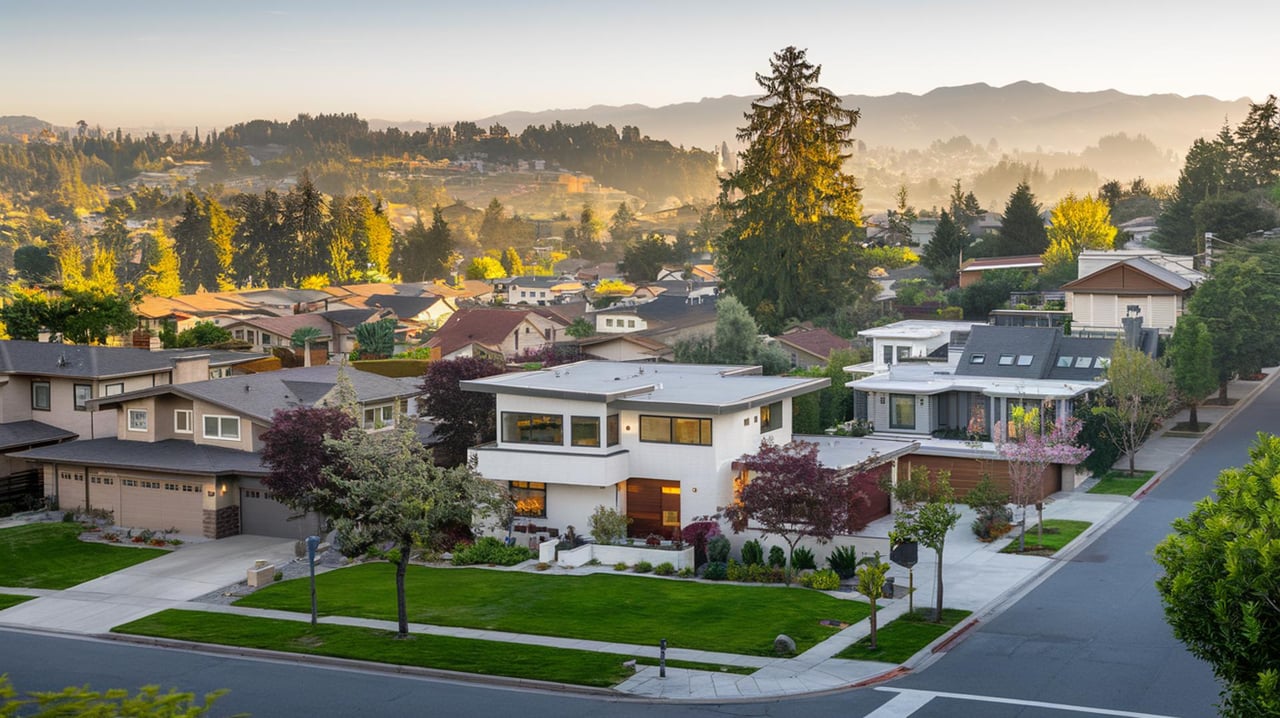
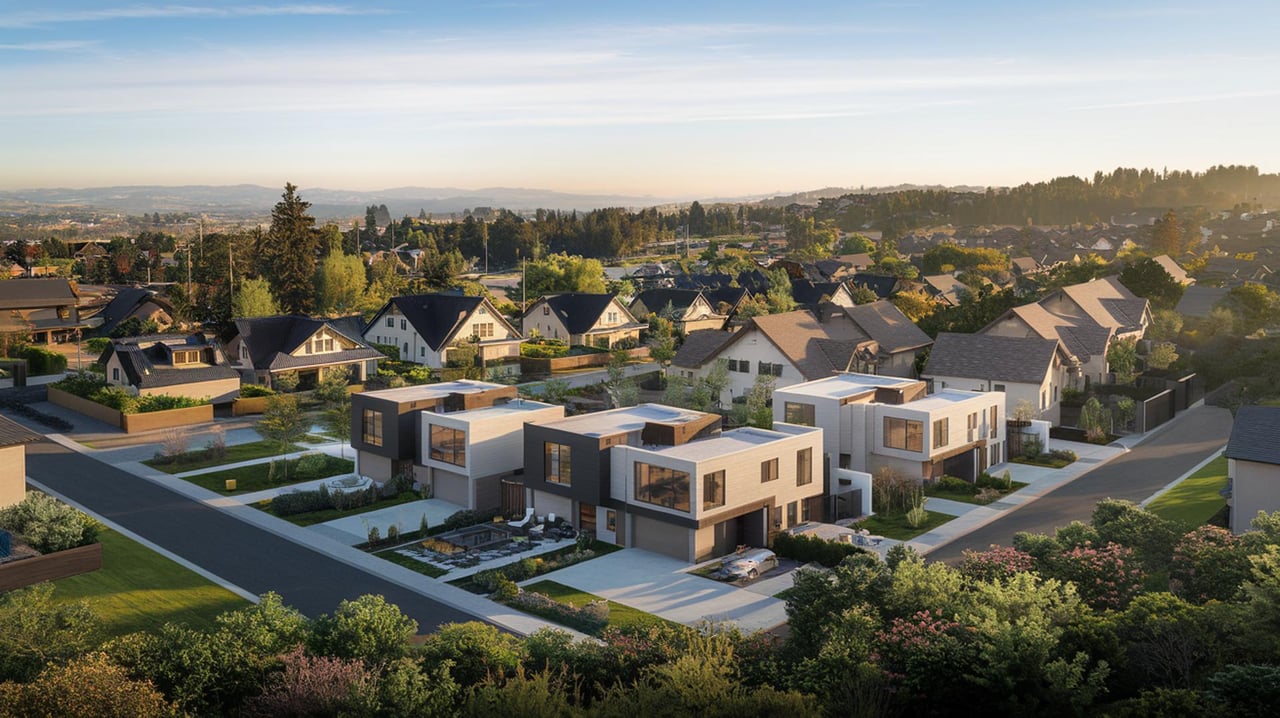
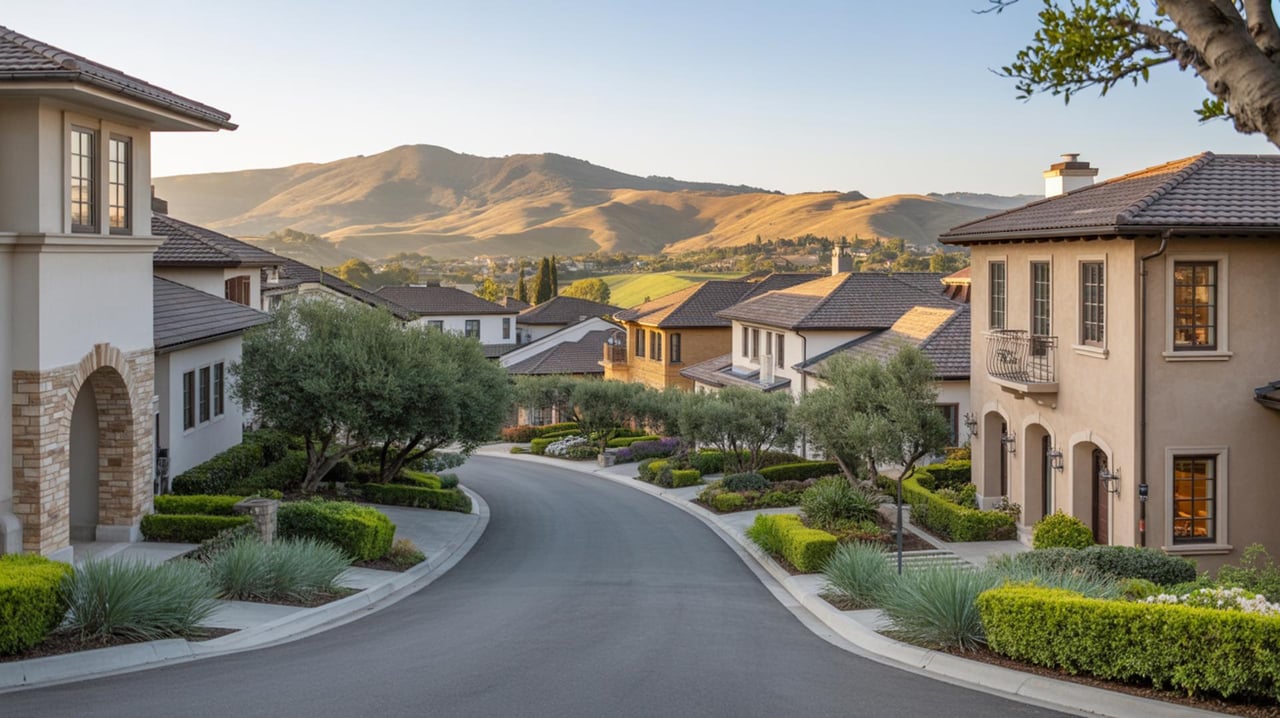
This is especially important in competitive markets like Pleasanton, Dublin, San Ramon and Danville, where buyers may need to balance their expectations with available inventory and their financial comfort.
A thoughtful home search considers not just how a property looks today, but how well it will support your lifestyle over the next five to ten years.
A Simple Exercise Before Your Next Home Tour
Before scheduling showings, take 10 minutes to organize your priorities.
Your home-buying needs:
What are the five features you absolutely cannot compromise on?
Your home-buying wants:
What are the five features that would make your home more enjoyable?
Your flexibility list:
What are three things you're comfortable improving or changing later?
Share this list with your real estate agent before beginning your search.
It will help create a more focused property search, reduce unnecessary showings and make it easier to evaluate homes objectively.
Frequently Asked Questions About Home Buying Needs vs. Wants
1. What is the 50/30/20 rule for home buying?
It's an adaptation of the familiar 50/30/20 budgeting principle. For home searching, it can be used as a framework to prioritize essential needs, lifestyle wants and areas where buyers can compromise. It is not a prescribed financial allocation.
2. What should be considered a need when buying a house?
Needs typically include location, budget, commute, bedroom requirements, functional layout and neighborhood considerations. These are the features that significantly influence your daily life and are often difficult to change.
3. Should I compromise on an updated kitchen when buying a home?
Potentially. If the kitchen has a functional layout and the home meets your other priorities, cosmetic improvements may be worth considering. However, assess the renovation scope and cost before making an offer.
4. What should I prioritize when buying a home in the Tri-Valley?
Consider your budget, commute, preferred communities, school preferences, property condition, floor plan and long-term lifestyle needs. Compare neighborhoods and available inventory before narrowing your search.
Final Thoughts: Buy for the Life You Want to Live
The goal of a home search isn't to find a property with every possible feature.
It's to find a home that makes sense for your family, your lifestyle and your financial goals.
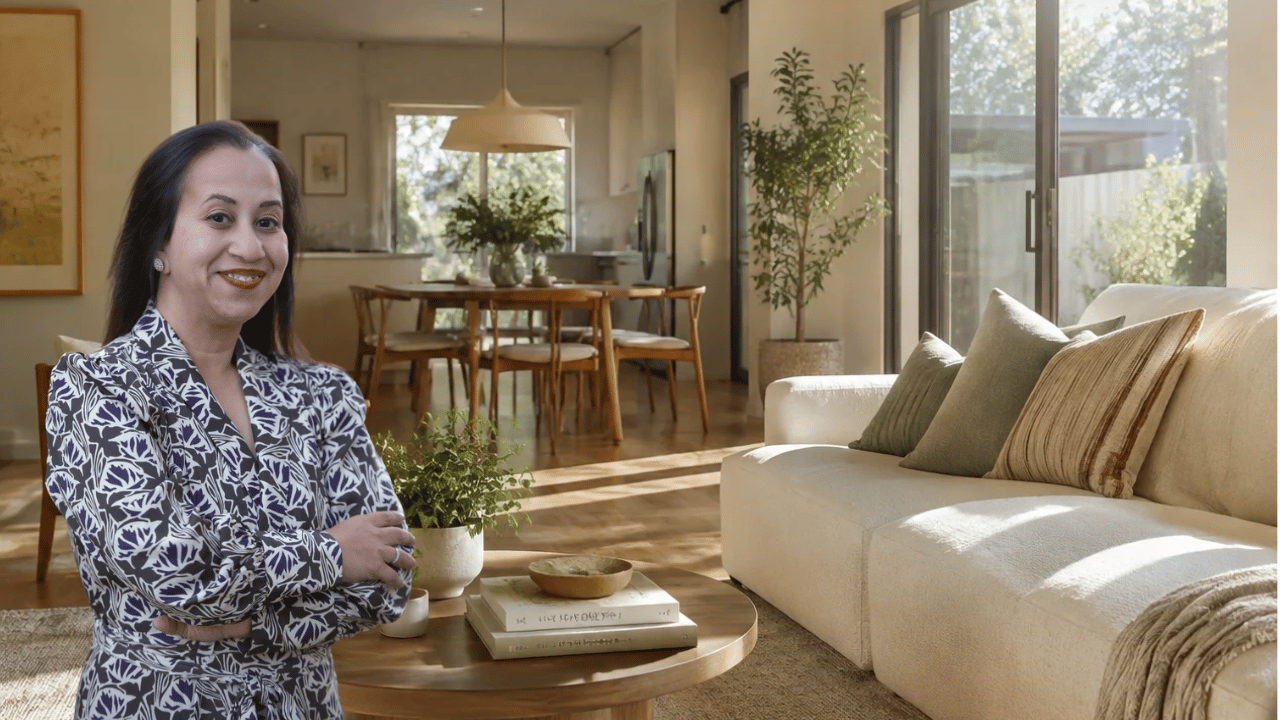
My approach to helping buyers is rooted in looking beyond the finishes. With a background in architecture, urban design and community planning, I believe a home's functionality, location, adaptability and long-term potential deserve just as much attention as its appearance.
The right home isn't necessarily the one with everything on your wishlist. It's the one that checks the right boxes.
Thinking about buying a home in Pleasanton, Dublin, San Ramon, Danville or the greater Tri-Valley?
Let's start with a conversation about what matters most to you.