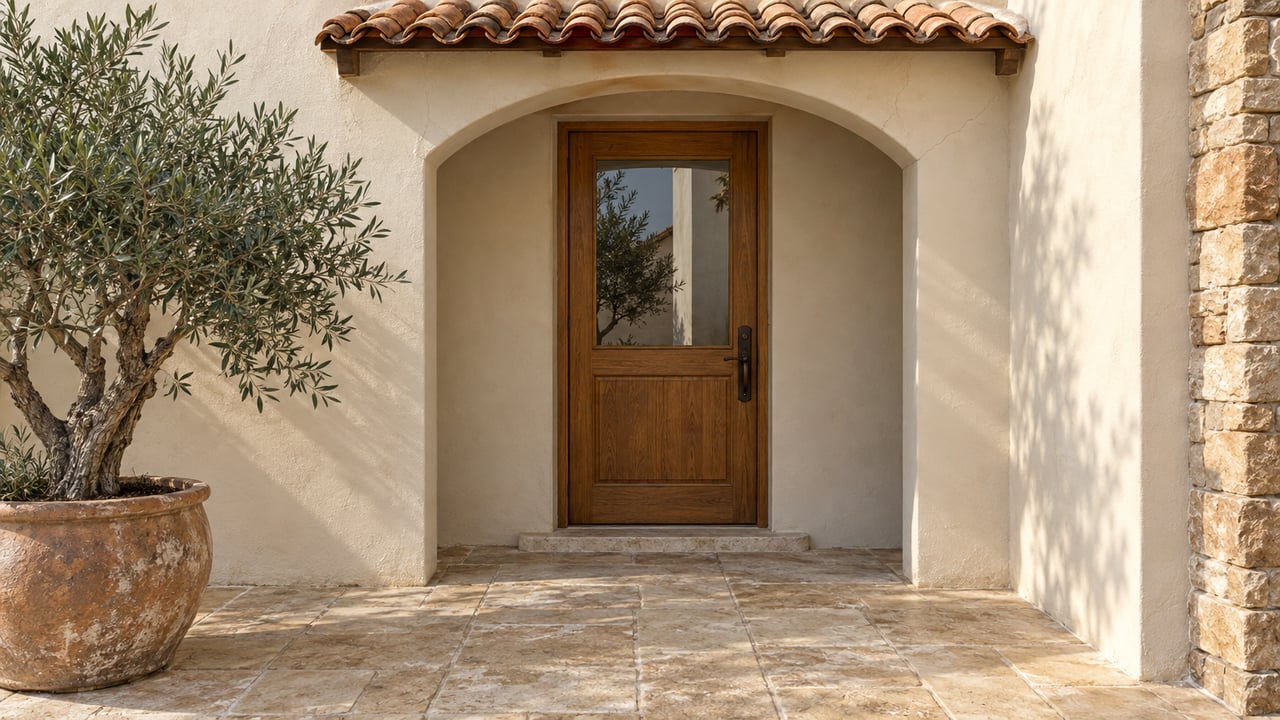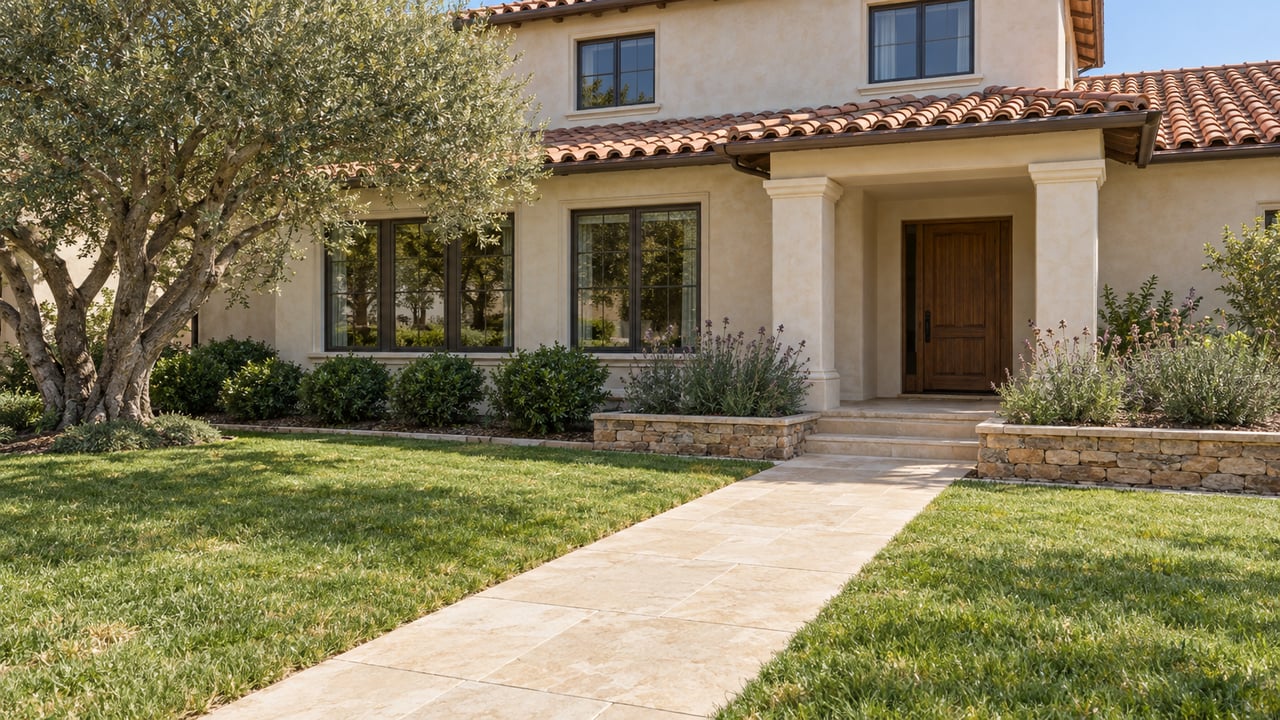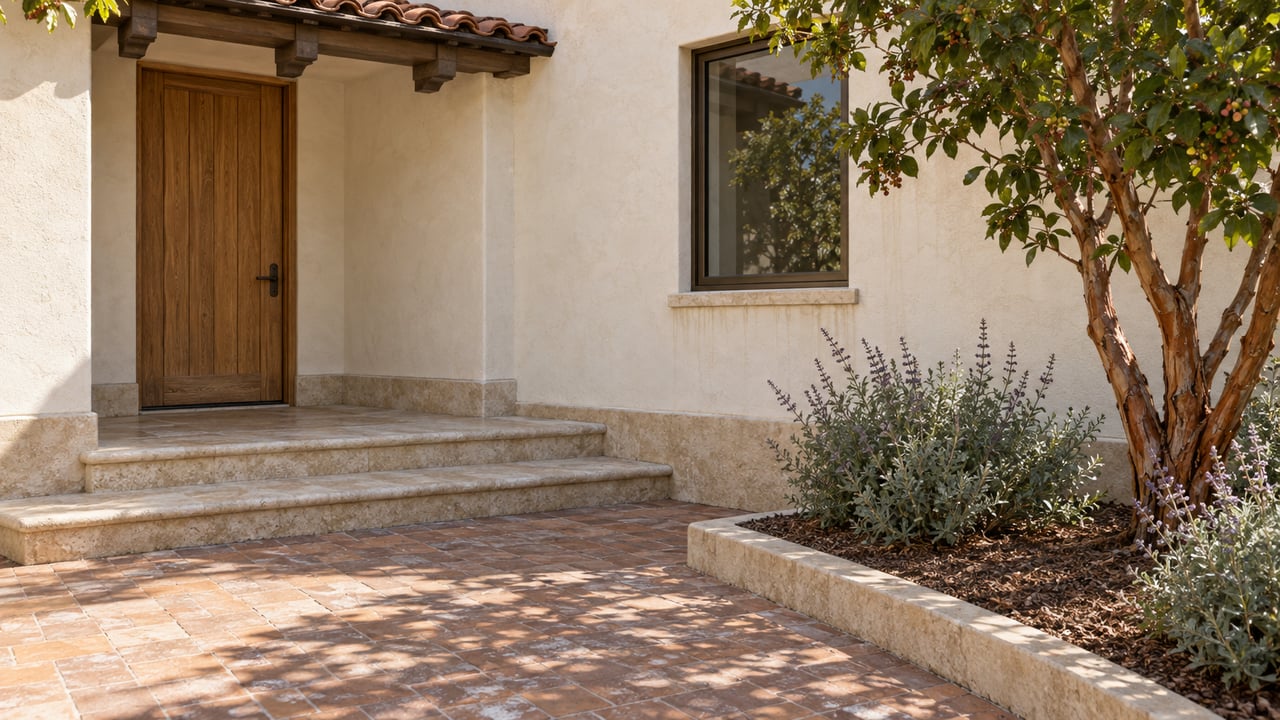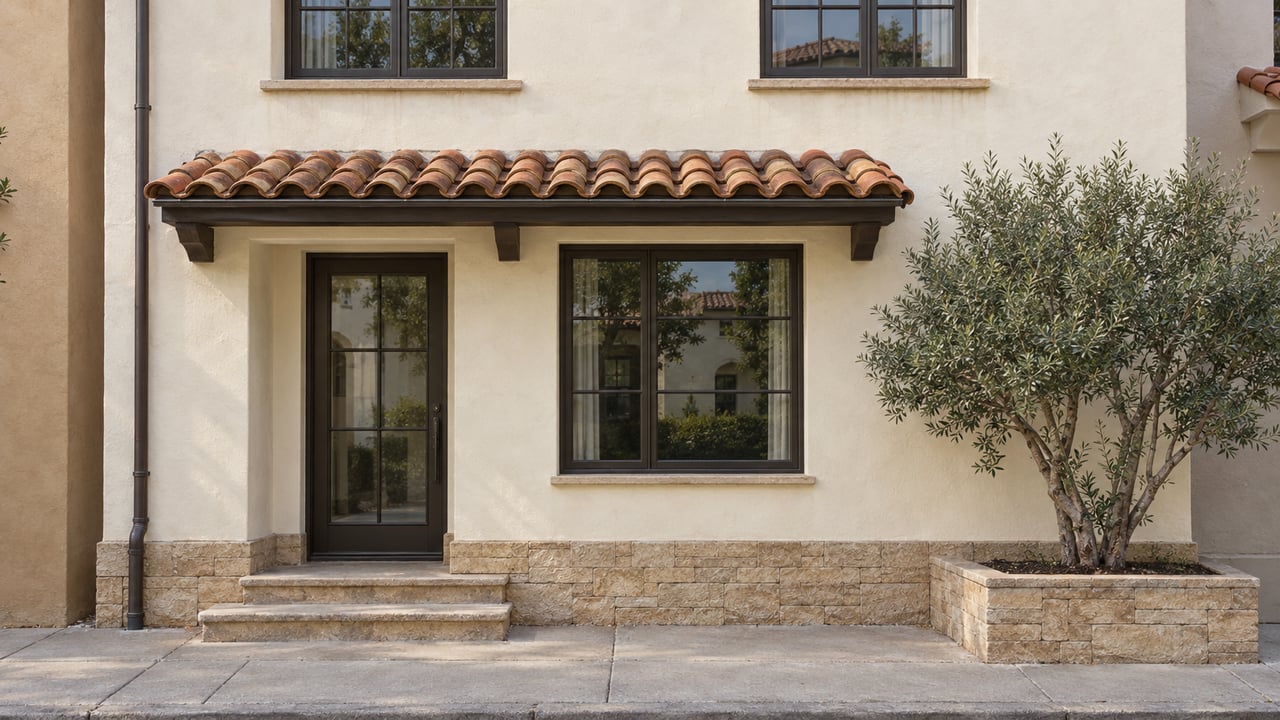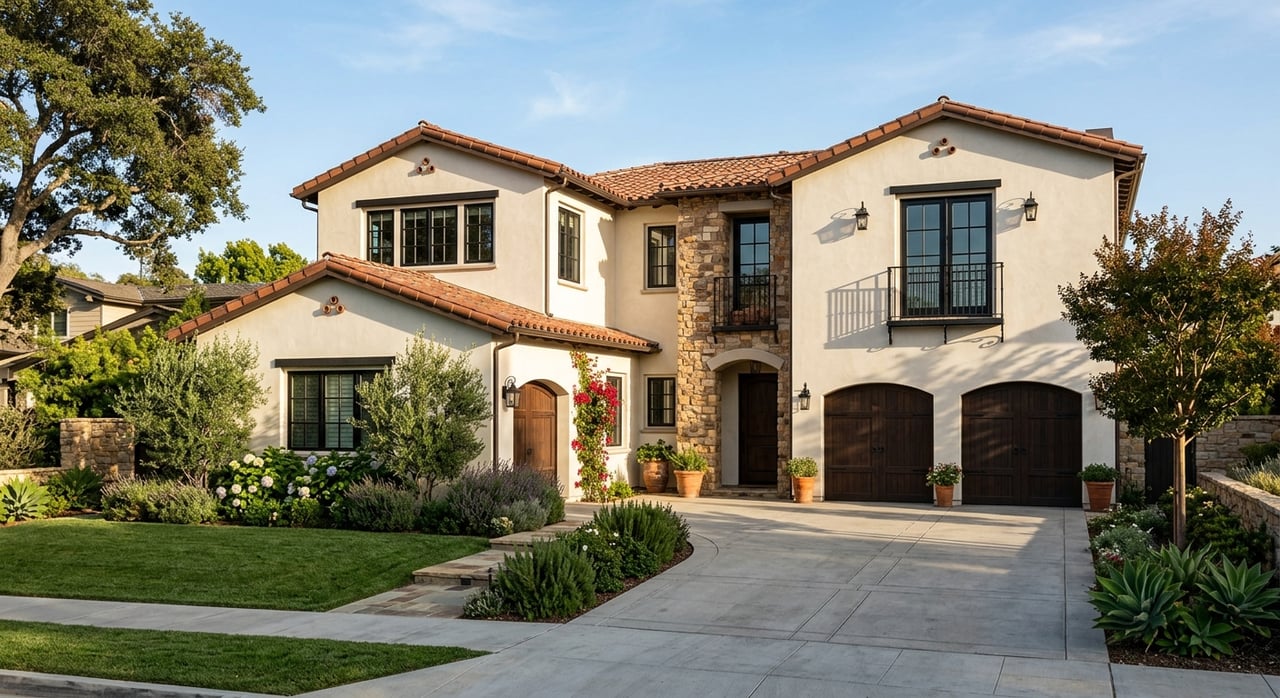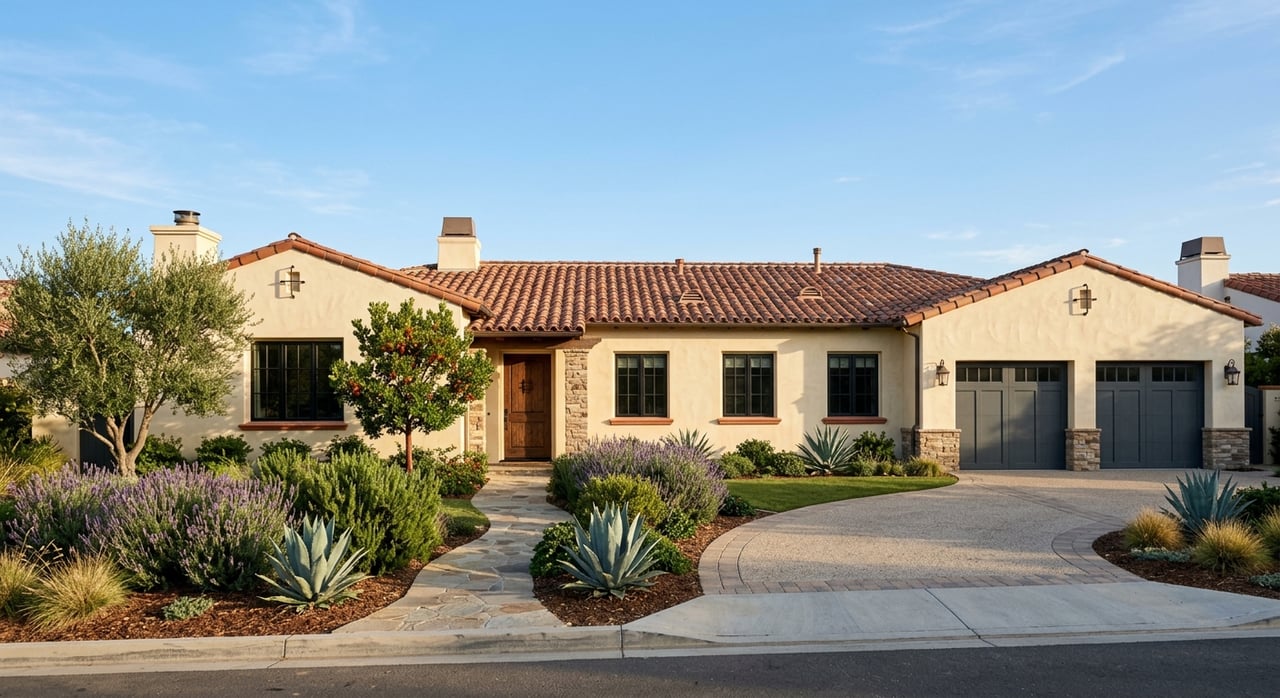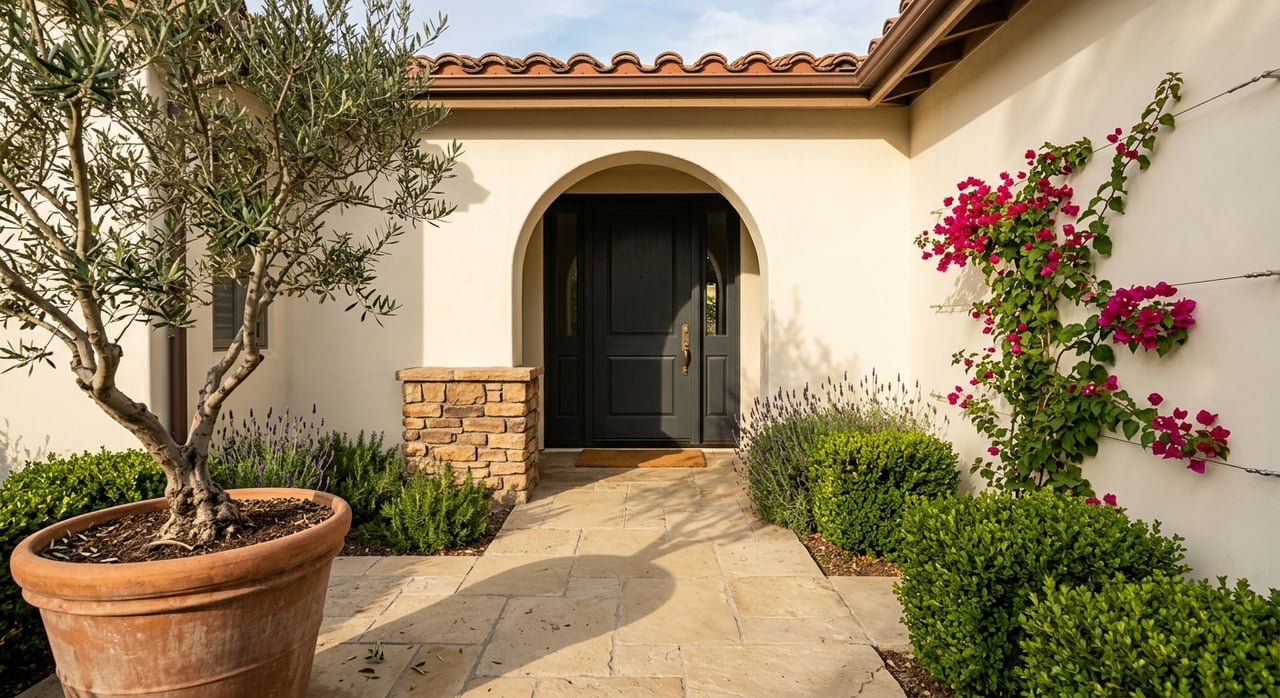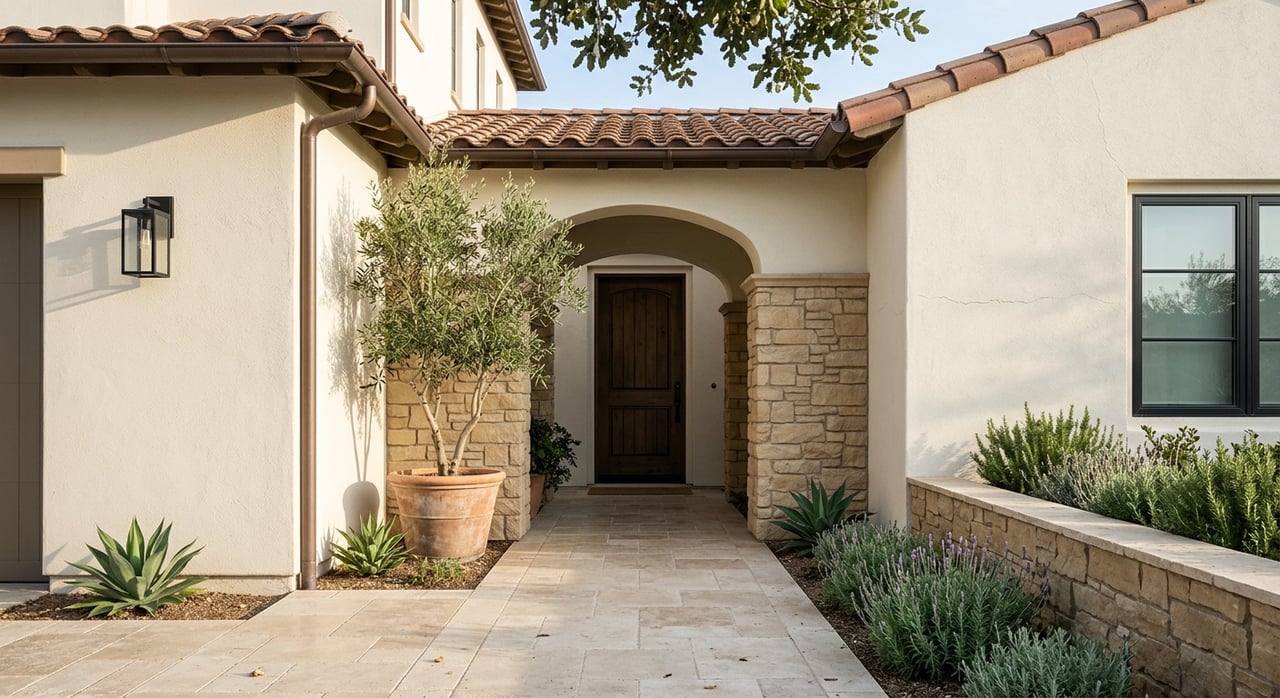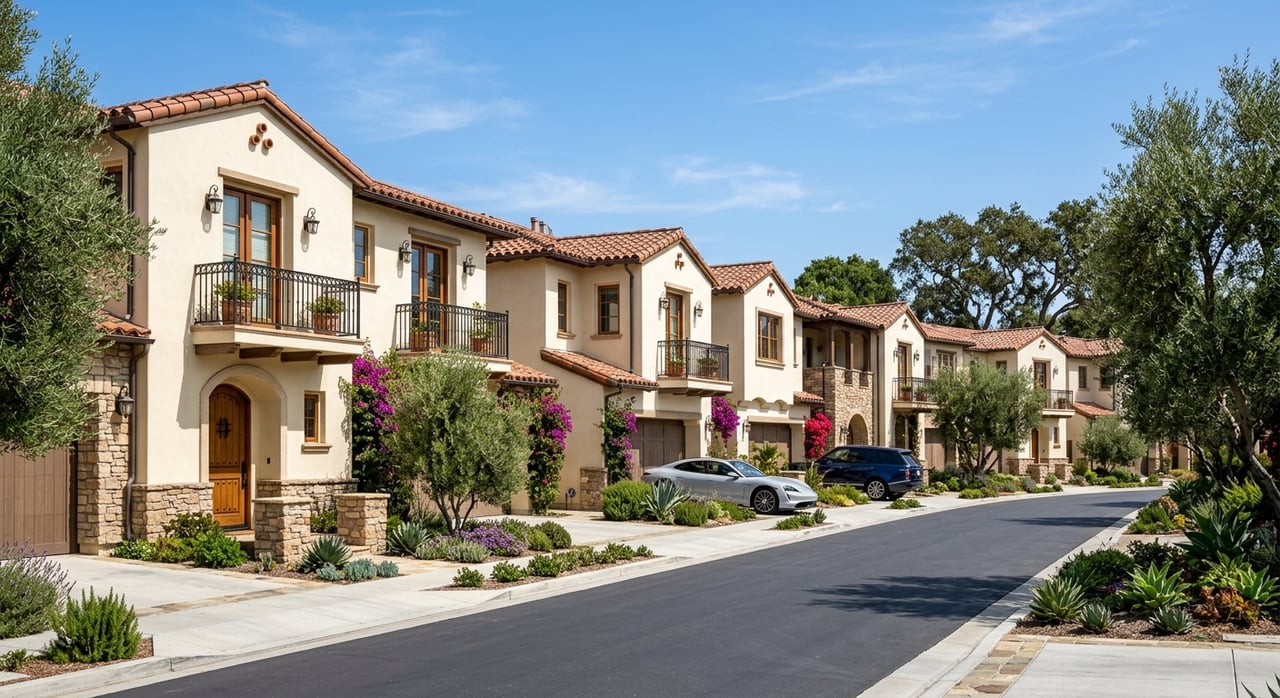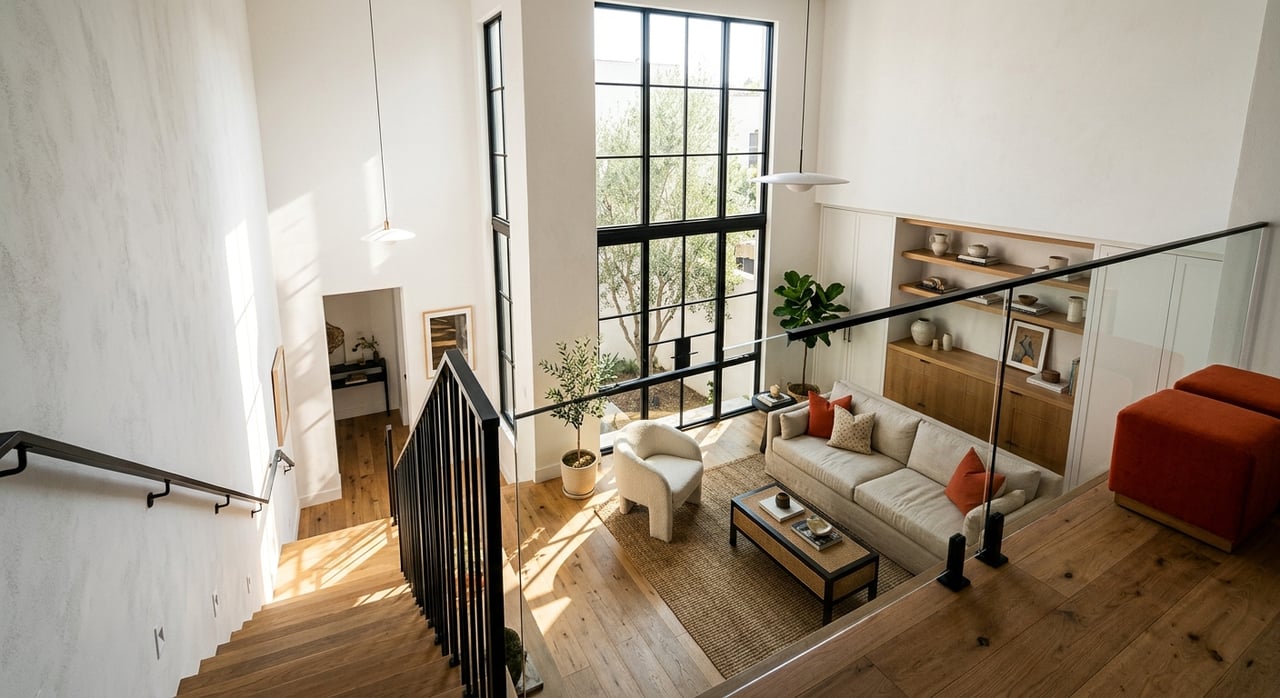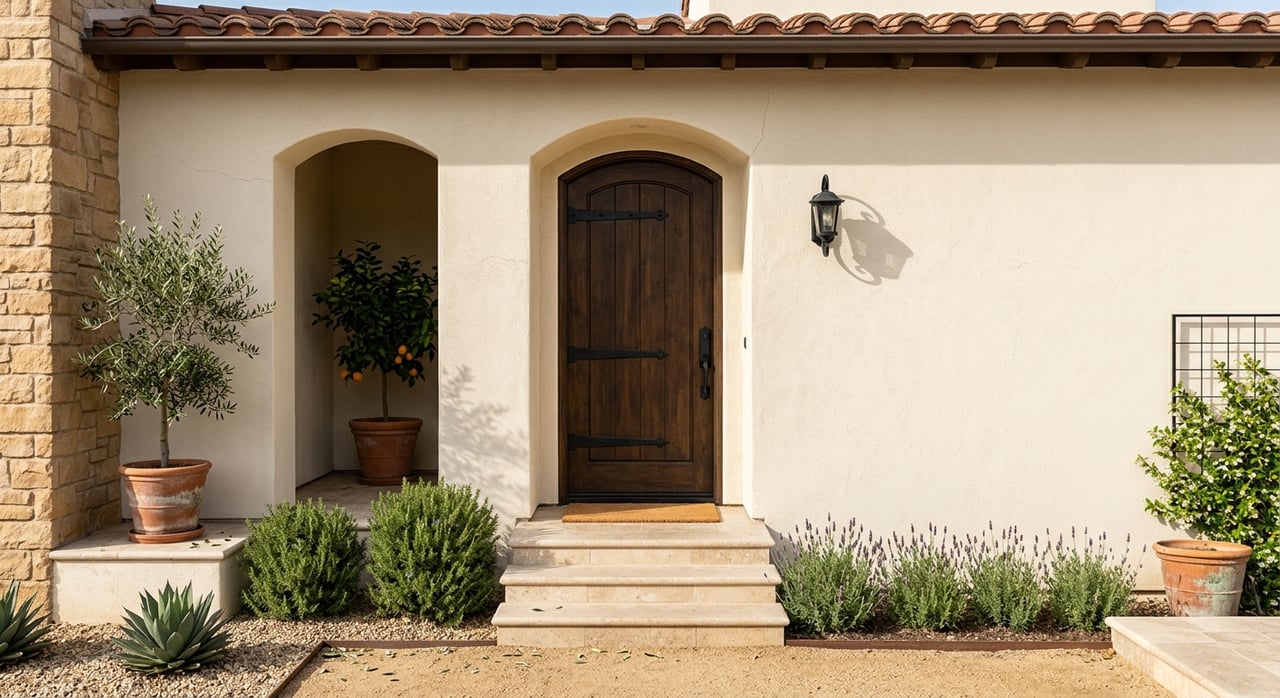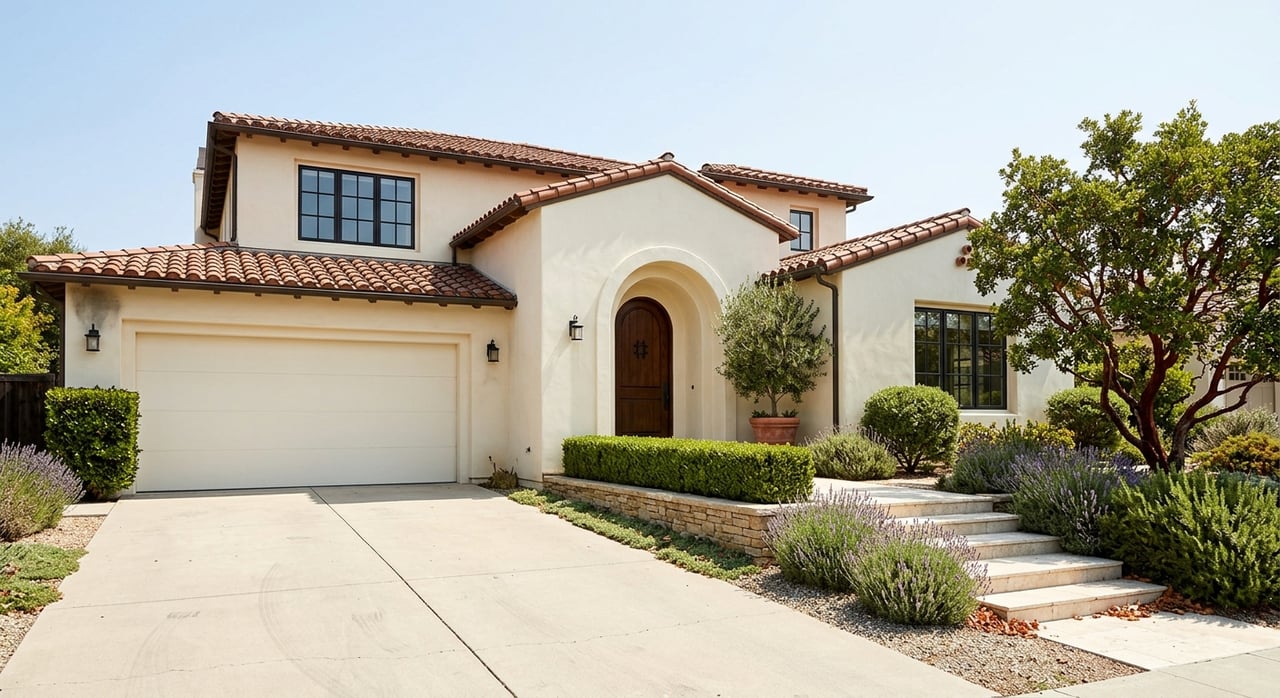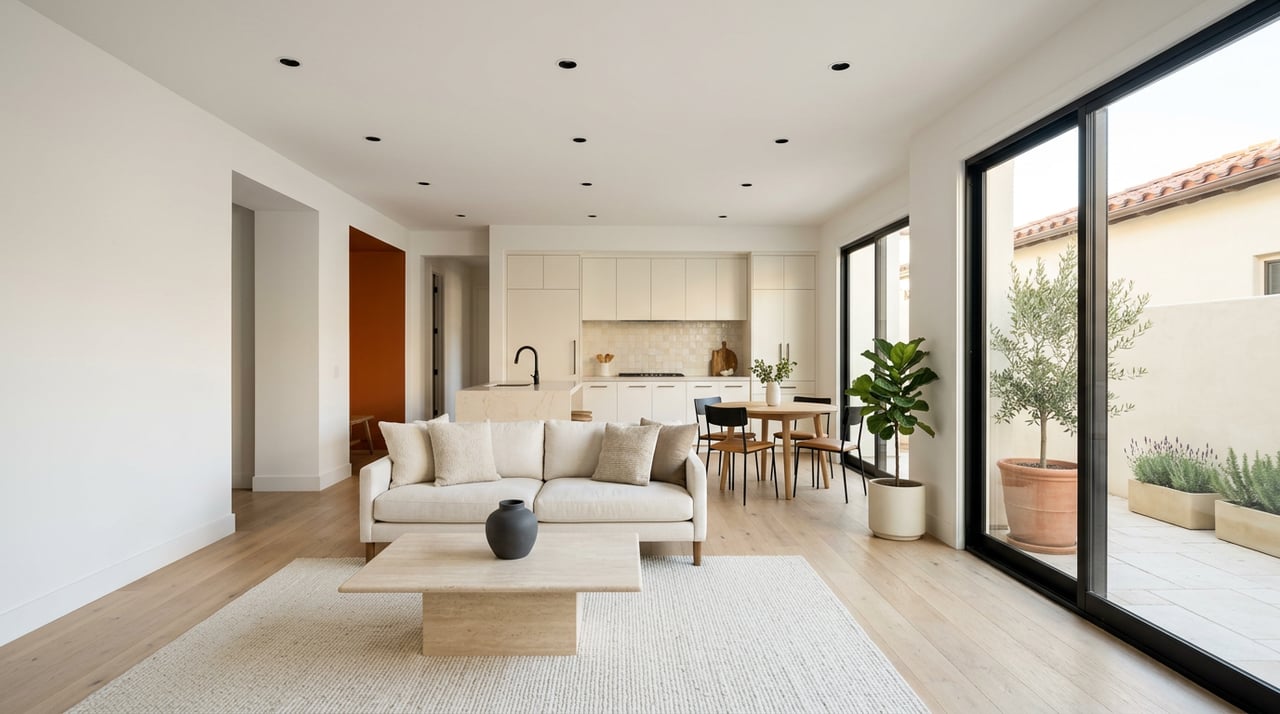
Buying a rental home in Newark can look straightforward at first glance, but the details matter more than many buyers expect. In a high-cost East Bay market, the right property type, the right renovation plan, and the right compliance review can make a big difference in your long-term results. If you want to buy with fewer surprises, this guide will walk you through the key things to check before you close. Let’s dive in.
Why Newark looks different
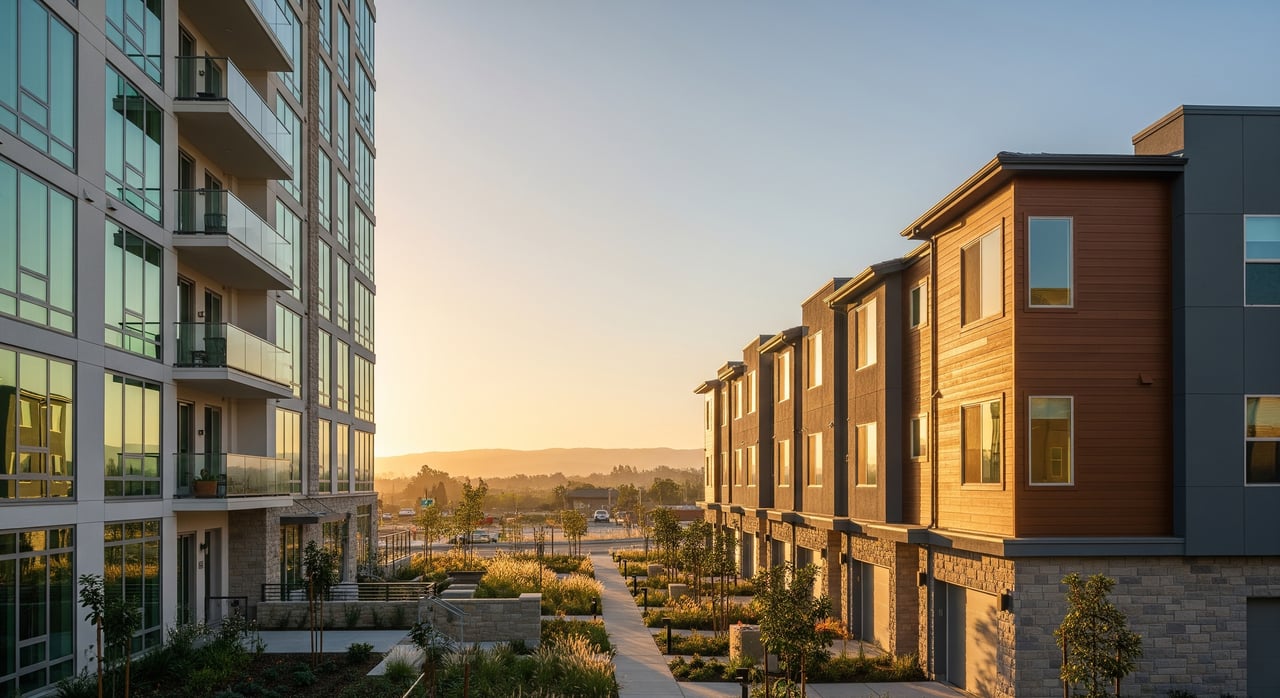
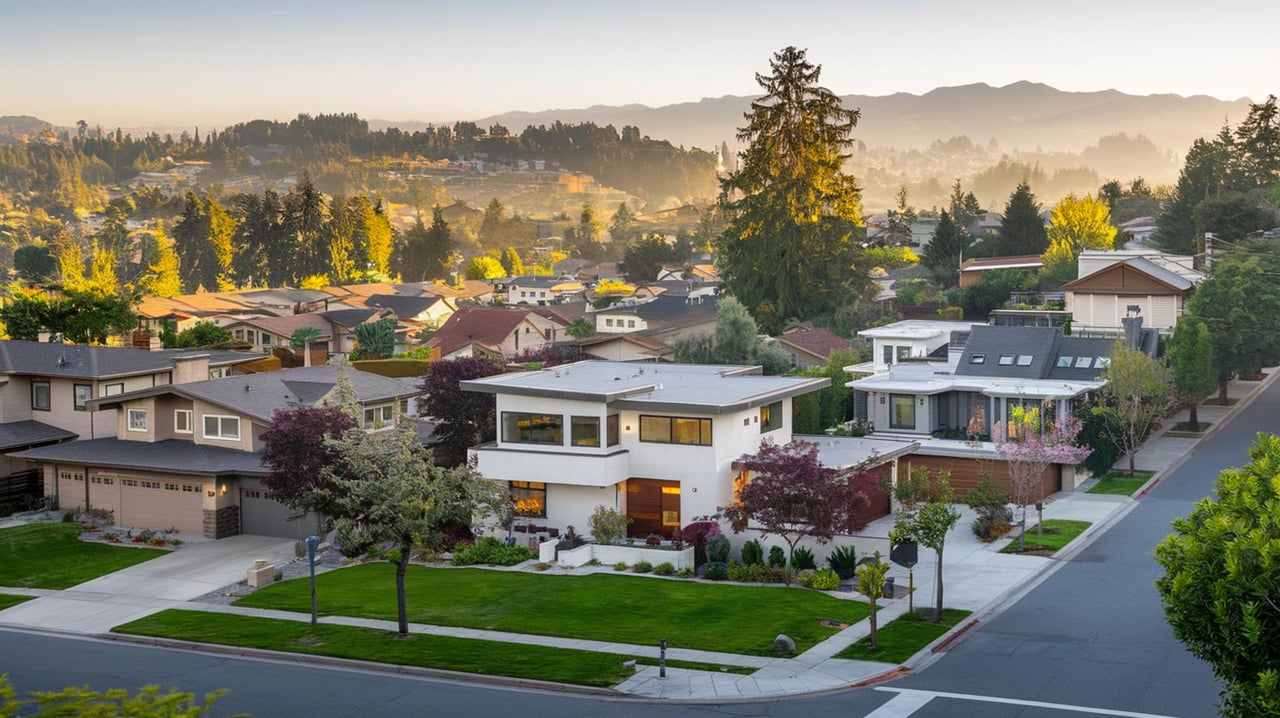
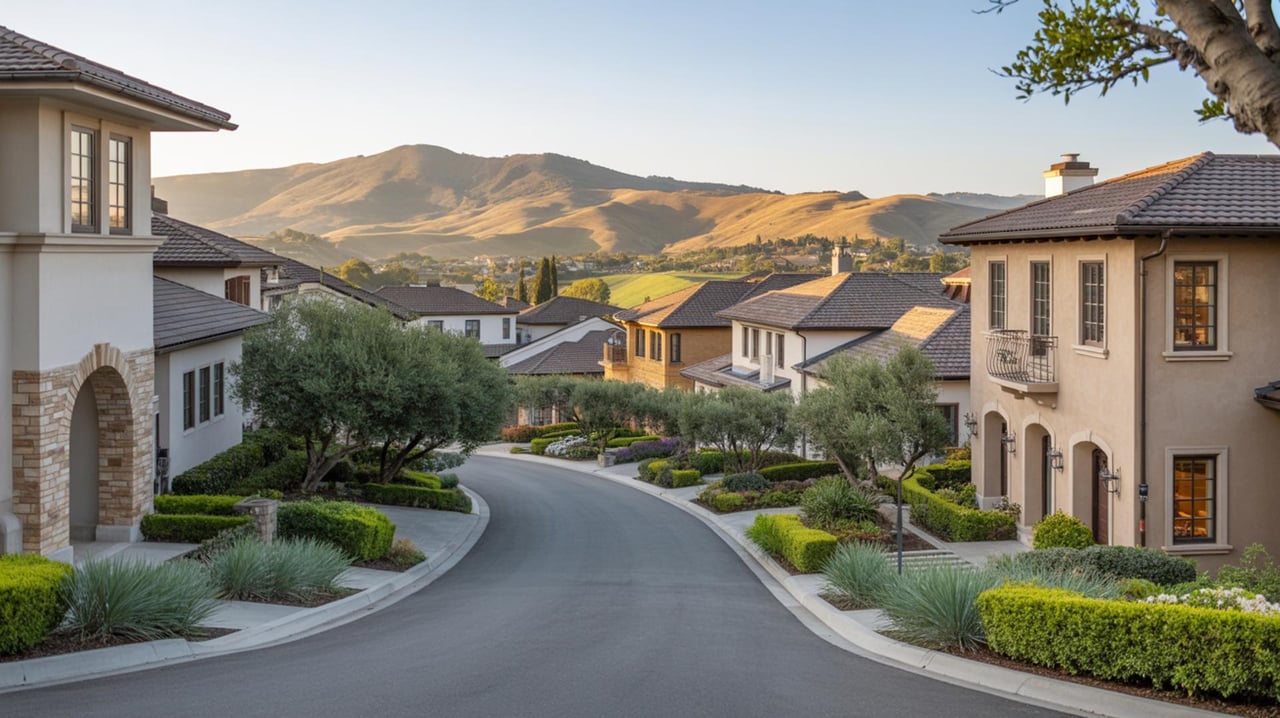
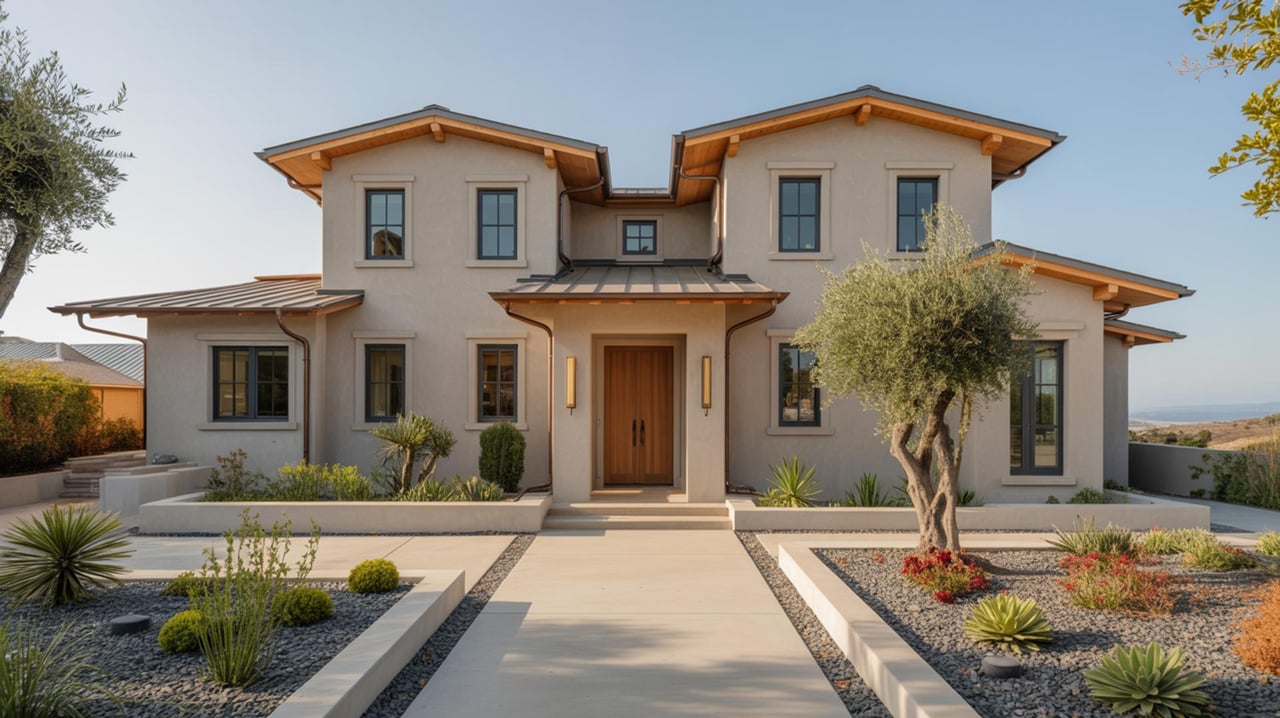
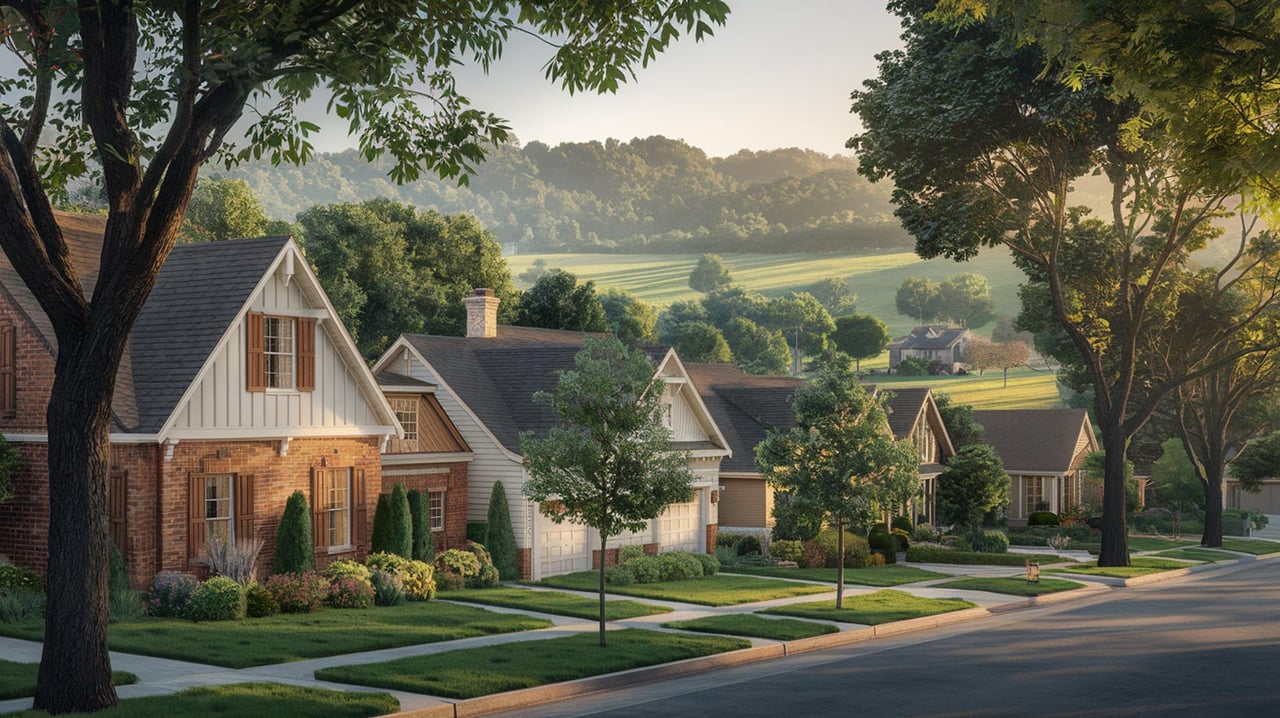
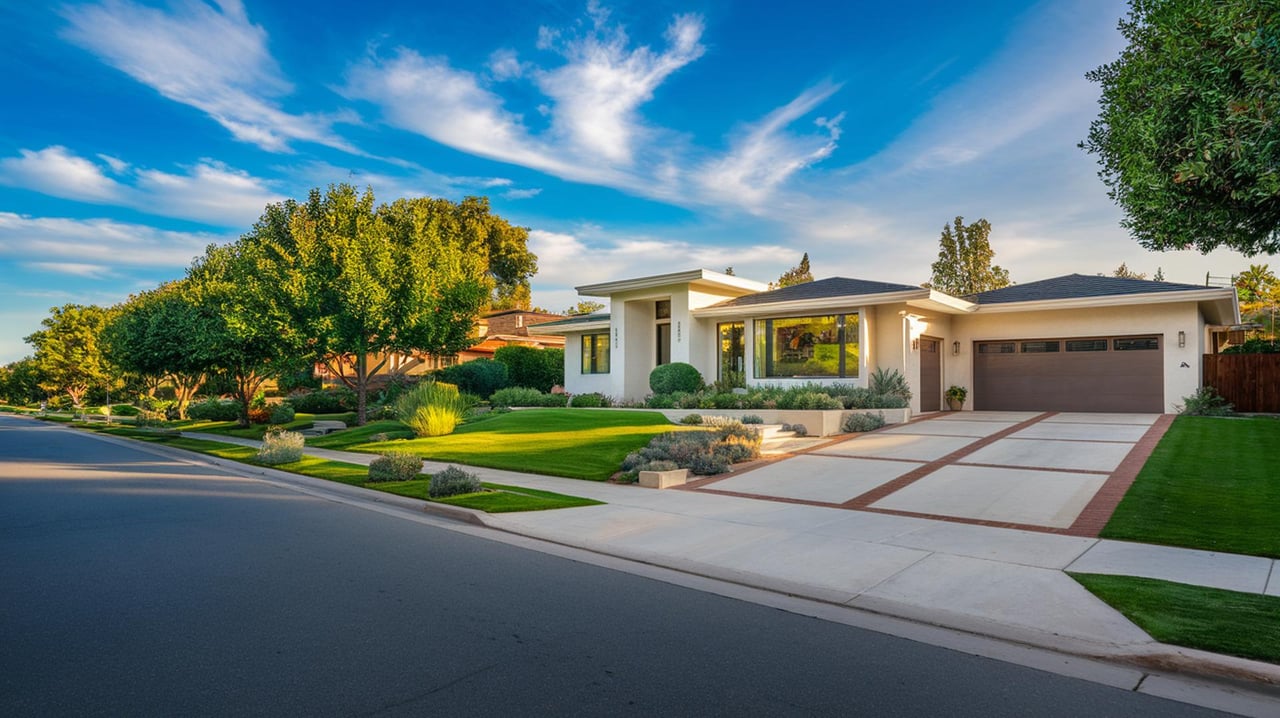
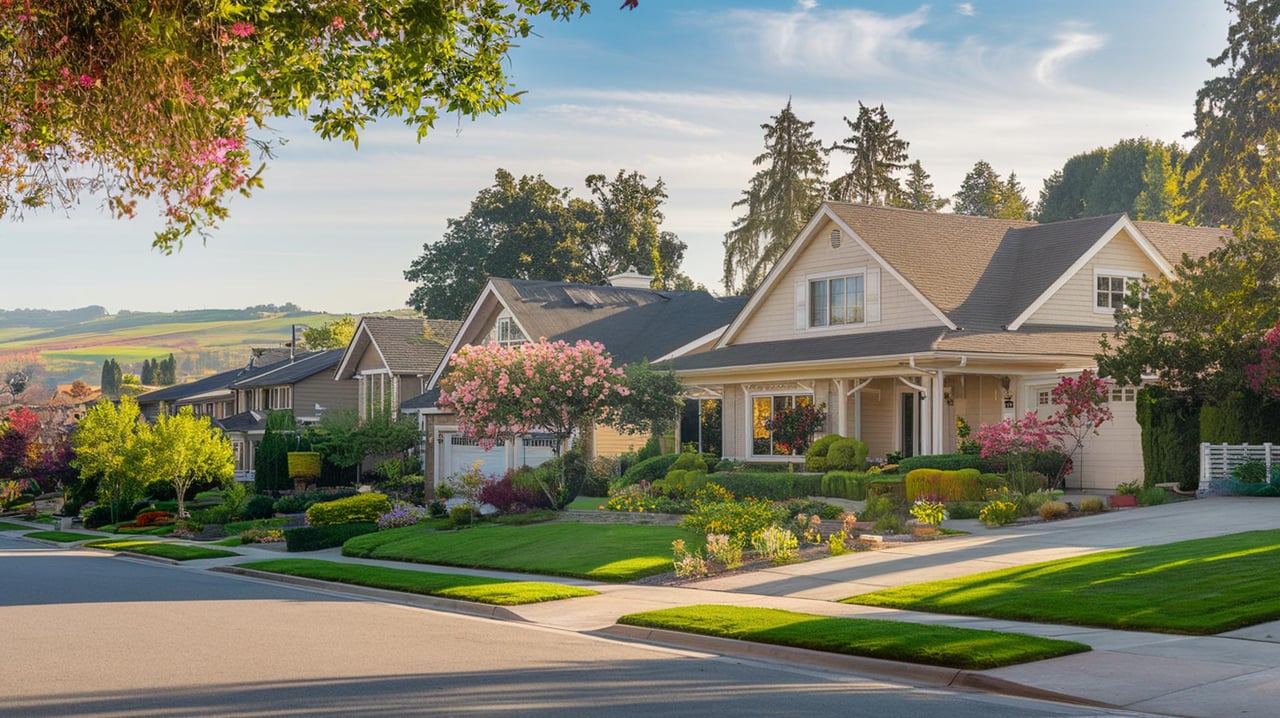
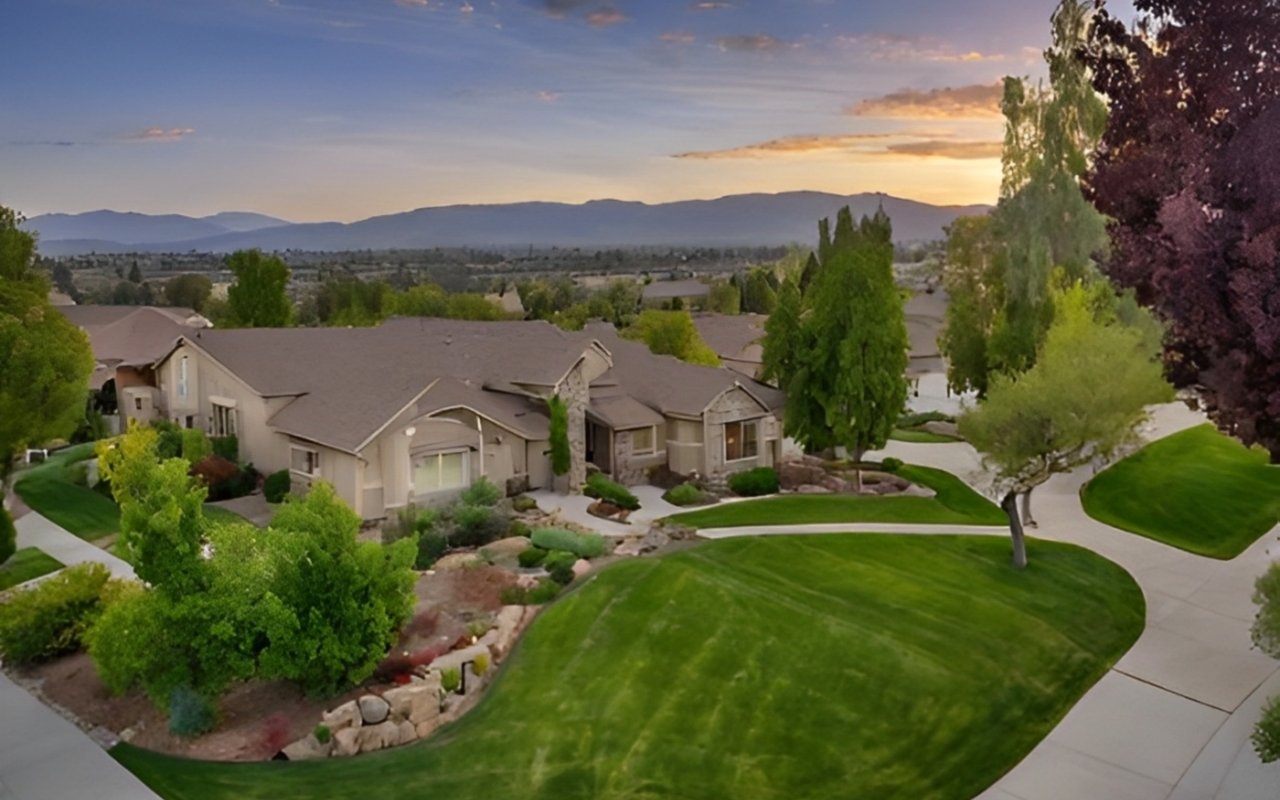
Newark is not a market where rental opportunities are mostly large apartment buildings. According to the city’s 2023-2031 Housing Element, 69.6% of the housing stock is detached single-family homes, with smaller shares in attached homes, small multifamily properties, and larger multifamily buildings.
That matters because your most likely options may be a single-family home, a townhome-style property, or a home with ADU potential rather than a dense multifamily asset. In 2025, Newark issued permits for 139 units, and about 74% of completed units were single-family detached dwellings, with the rest ADUs.
For you as a buyer, that means Newark often rewards a property-by-property strategy. Instead of assuming scale will drive returns, you may need to focus on layout, condition, maintenance needs, and local rental rules for each individual home.
Expect a high-cost market
Newark is an expensive housing market by any practical measure. U.S. Census QuickFacts lists the city’s median owner value at $1,142,800 and median gross rent at $2,776 based on 2020-2024 estimates.
That does not automatically mean a poor rental opportunity. It does mean you should run your numbers carefully and avoid relying on best-case assumptions about rent growth, low repair costs, or fast turnovers.
A stable local pattern may also shape your strategy. QuickFacts shows 69.4% owner occupancy and 91.2% of residents age 1+ living in the same house one year earlier, which suggests a fairly settled market where retention can matter as much as new lease-up.
Know what kind of rental you are buying
Before you write an offer, get clear on the property’s likely rental use case. In Newark, that could mean a detached home rented as a standalone property, a house with future ADU potential, or a smaller attached or multifamily property.
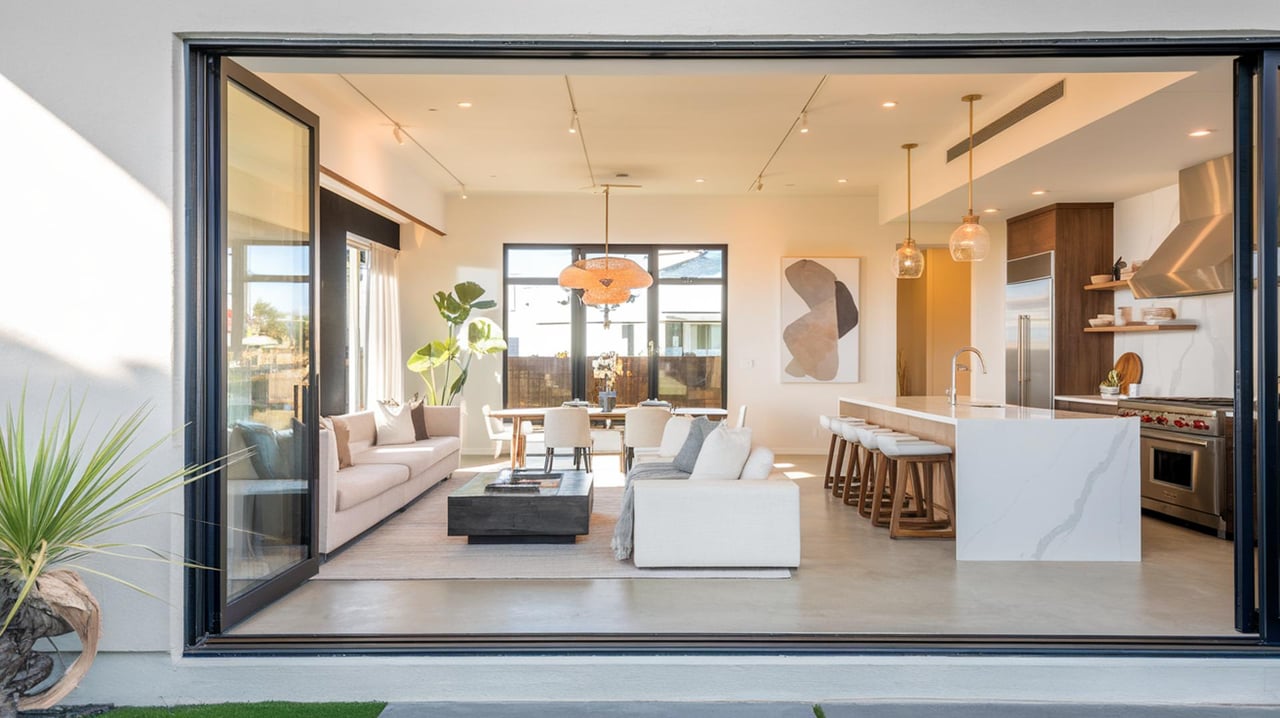
Each option comes with a different risk profile. A detached home may offer broader appeal and flexibility, while a property with ADU potential may offer long-term upside if the site, budget, and permits all line up.
The key is to avoid buying based on a concept alone. You want to confirm what the property is today, what improvements are realistically allowed, and how much time and money it would take to execute your plan.
Review Newark rental rules early
One of the biggest mistakes rental buyers make is treating landlord compliance as something to figure out after closing. In Newark, that can create avoidable risk.
The city adopted Ordinance 561 on January 22, 2026, and says it took effect on May 1, 2026. Newark’s tenant-protections page says all rental units are subject to noticing requirements, rent review, just-cause eviction protections, and anti-harassment protections, although some exemptions may apply in certain sections.
The city also states that it does not itself restrict rent increases. However, tenants may request third-party review of proposed rent increases above 5% in a 12-month period, along with mediation.
That mediation is non-binding, but there is an important practical detail. If the landlord declines to participate, the rent increase is deemed void.
Confirm registration and notice obligations
Newark’s local rules include administrative steps you should understand before closing. The city says landlords subject to Ordinance 561 had until July 1, 2026 to complete certain obligations, including rental registration, and it charges an annual property registration fee plus an annual rent review and mediation fee.
The city also requires landlords to provide a notice of tenant rights in the three predominant languages spoken in Newark. That notice must be provided when a lease begins, when it is renewed, and with a termination notice.
In addition, landlords must file certain termination-related notices with the Planning & Housing Division. If you are buying an occupied property, this is the kind of operational detail you want to understand before you inherit an existing tenancy.
Do not assume a single-family home is exempt
This point is especially important in Newark. Many buyers assume that if they purchase a single-family home or condo, statewide rent-limit or just-cause rules will not apply.
California’s 2026 landlord-tenant guide says many single-family homes and condominiums are exempt from the Tenant Protection Act if the owner gives the required written notice. But it also notes that some single-family homes and condos remain covered depending on the facts.
In plain terms, you should verify both city rules and state rules before assuming a property is exempt. A rental home may look simple on paper, but the actual compliance picture can depend on the property type, ownership structure, notices, and current tenancy.
Budget for older-home maintenance
Newark’s housing stock is not brand new. The city’s Housing Element says the largest share of housing was built between 1960 and 1979.
That age range should shape how you underwrite a purchase. Older homes can carry more system-level maintenance needs over time, even when they show well during a tour.
For many buyers, the smarter budget is not just paint and flooring. It is also a reserve for roofing, moisture management, aging mechanical systems, and other capital items that affect durability and tenant experience.
Tight vacancy changes the math
Official city materials report that Newark had 3.5% total vacancy, 2.6% rental vacancy, and 1.7% ownership vacancy based on 2015-2019 ACS data. While those figures are not the newest available, they are the most specific official vacancy numbers cited in city housing materials.
A relatively tight rental market can be helpful, but it should not make you casual. When vacancy is limited, a well-maintained property may lease more smoothly, while a neglected unit can still lose time and money during a turn.
That is why turnover planning matters. Cleaning, patching, repainting, and minor repairs may sound basic, but they can have a real impact on vacancy control when a lease ends.
Renovate for durability, not just style
If you plan to improve the property, Newark supports a practical, permit-aware mindset. The city says all new construction and alterations to existing structures require a building permit.
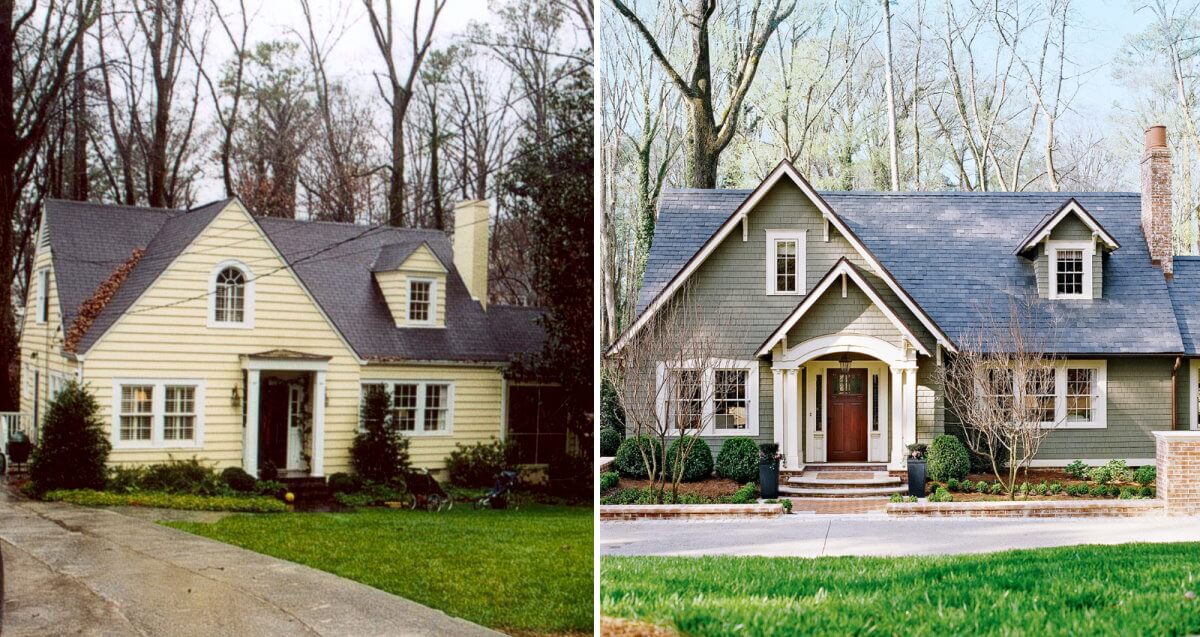
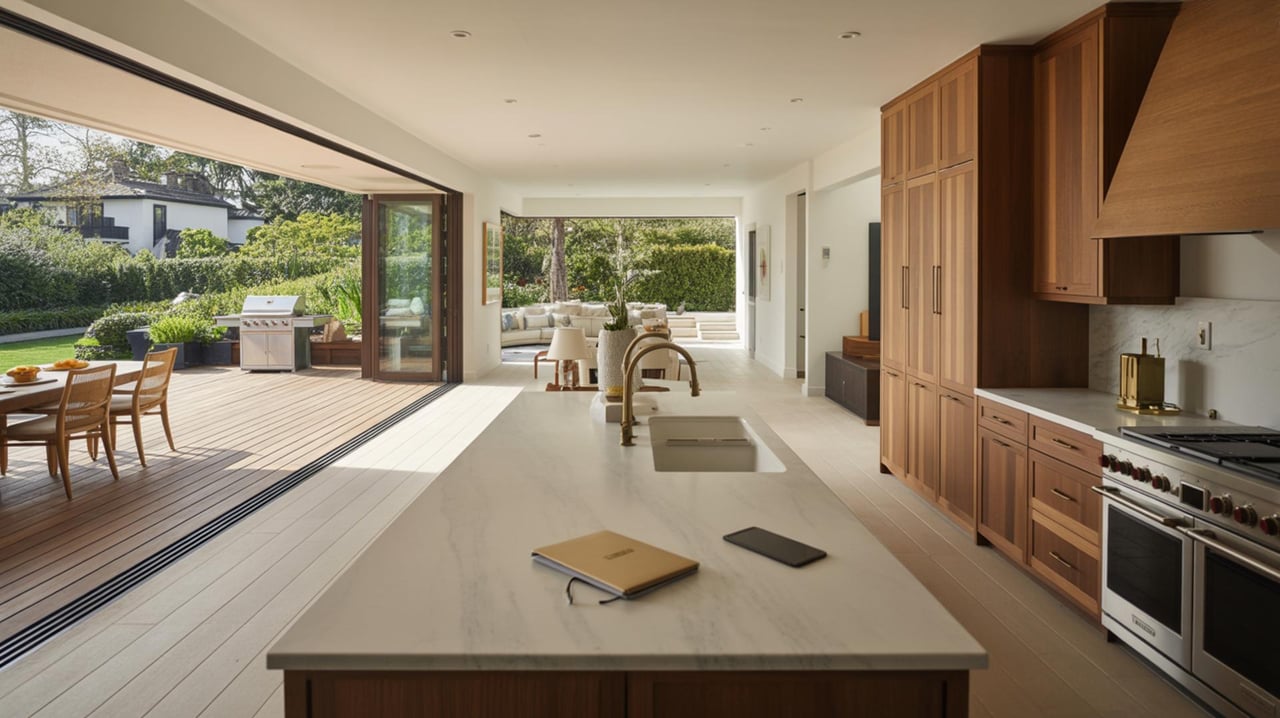
That should push you toward improvements that are durable, code-compliant, and easier to justify over time. In a rental property, long-life systems and tenant-resistant finishes are often a more defensible investment than highly customized design choices.
Newark’s Housing Element also notes that the city updated its building code in November 2025 to comply with the latest California Building Code. It further states that developments in flooding and other high-risk inundation areas should disclose flood risks and identify mitigation actions.
For you, that means roofing, drainage, moisture control, and other resilience-focused upgrades deserve serious attention. Those improvements may not be flashy, but they often matter more to long-term ownership.
ADUs can add opportunity
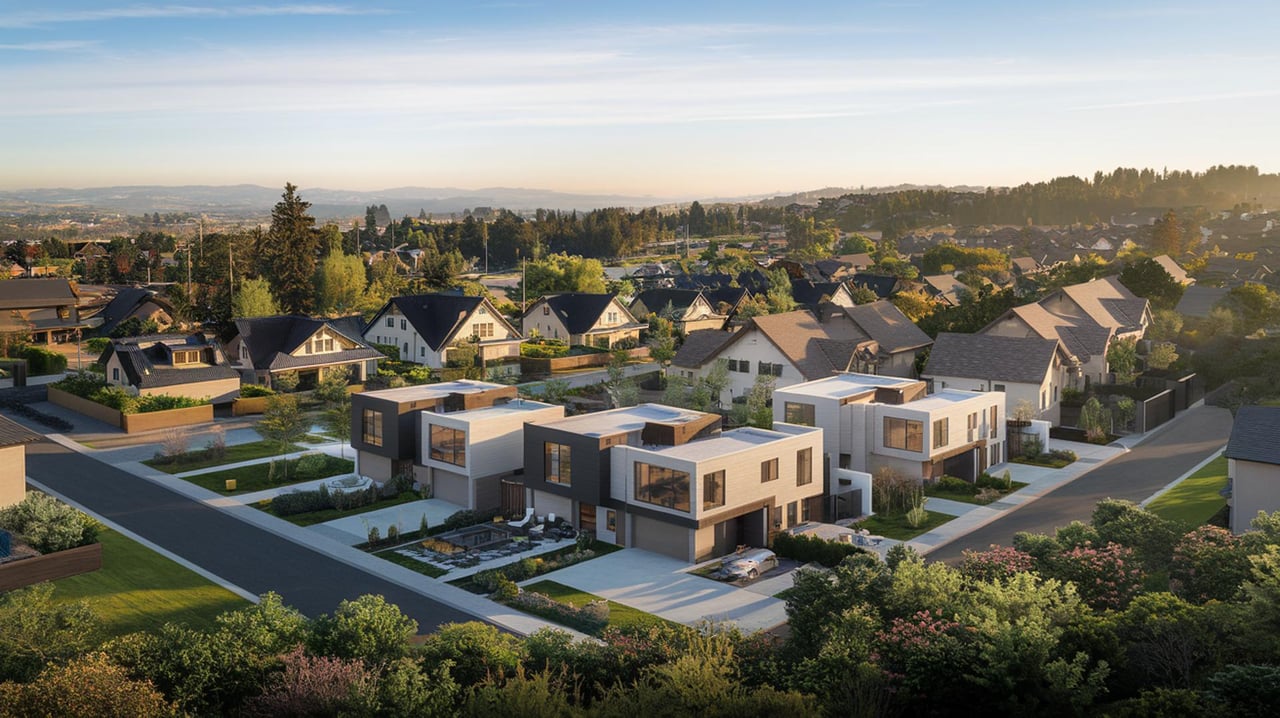
ADUs are part of Newark’s current housing story, but they are not a shortcut. The city allows attached, detached, conversion, and junior ADUs, and says most ADU projects only require a building permit.
There are still important details to confirm. A second-story ADU taller than 16 feet requires design review, and ADUs smaller than 750 square feet are not subject to impact fees, while larger ADUs are charged proportionately.
If you are considering a garage conversion or a future rental addition, remember that utilities are part of the process too. Newark’s ADU materials say applicants should coordinate with providers such as Union Sanitary District, Alameda County Water District, and PG&E.
A practical pre-close checklist
Before you move forward on a Newark rental-home purchase, make sure you can answer these questions clearly:
- What property type are you actually buying, and how does that affect rental use?
- Is the home likely subject to Newark tenant-protection requirements?
- Does state law apply, or might the property qualify for an exemption based on the facts and required notices?
- What registration, notice, and filing obligations would begin after closing?
- How old are the major systems, and what should you budget for beyond cosmetics?
- If you plan to add or convert space, what permits, design review, utility coordination, and fees may apply?
- If the property is occupied, what lease, notice, and tenant-history documents should you review before removing contingencies?
A rental purchase works best when you treat due diligence as part legal review, part physical inspection, and part long-term planning exercise. In Newark, that balanced approach can help you avoid costly assumptions.
The bottom line for buyers
Newark can be a compelling place to buy a rental home if you go in with a clear plan. It is a single-family-heavy, high-cost market where returns often depend on buying the right property, understanding local and state landlord rules, and preparing for the realities of older housing stock.
That is also where design and planning judgment can help. If you know how to evaluate layout, durability, permit pathways, and renovation ROI before you buy, you can make a more confident decision and reduce surprises after closing.
If you are thinking about buying a rental home in Newark and want a design-informed view of property condition, upside, and due diligence, the Nivi Das Team can help you evaluate your options with clarity.
FAQs
What should you know about Newark rental rules before buying a home?
- You should verify Newark’s tenant-protection rules, including notice requirements, rent review procedures, just-cause protections, anti-harassment protections, registration obligations, and any applicable fees before closing.
Are single-family rental homes in Newark exempt from state tenant protection rules?
- Not always. California guidance says many single-family homes and condos may be exempt if required written notice is given, but some remain covered depending on the facts, so you should verify both state and city rules.
Why does housing age matter when buying a rental home in Newark?
- Newark’s largest share of housing was built between 1960 and 1979, so older homes may require more budgeting for major systems, maintenance, and capital replacements over time.
Is Newark a tight rental market for investment buyers?
- Official city housing materials cite a 2.6% rental vacancy rate based on 2015-2019 ACS data, which points to limited slack and makes property condition, tenant retention, and efficient turnover more important.
Can you add an ADU to a rental property in Newark?
- Newark allows several ADU types, but you should confirm permit requirements, design review triggers, utility coordination, and possible fees before assuming an ADU project will be simple or fast.
What documents should you review before closing on an occupied Newark rental home?
- You should review the lease, tenant notices, rental registration status, termination-related filings if applicable, and other tenancy records so you understand the obligations you may inherit after closing.