
Trying to choose between East Dublin and West Dublin? You are not alone. Many buyers like Dublin for its commuter location, parks, shopping, and broad range of homes, but the east-west split can change how your daily life feels. If you are weighing newer construction against an established setting, this guide will help you compare housing, lifestyle, and commute tradeoffs so you can focus on the fit that matters most. Let’s dive in.
East Dublin vs West Dublin at a Glance
East Dublin and West Dublin offer two different versions of life in the same city. In broad terms, East Dublin grew as Dublin’s main expansion area after 1995, with planning that aimed to create a balanced mix of housing, employment, recreation, and cultural uses. West Dublin, by contrast, is tied more closely to Dublin’s older urbanized core and a western planning area that includes open space, oak woodlands, and only limited residential pockets.
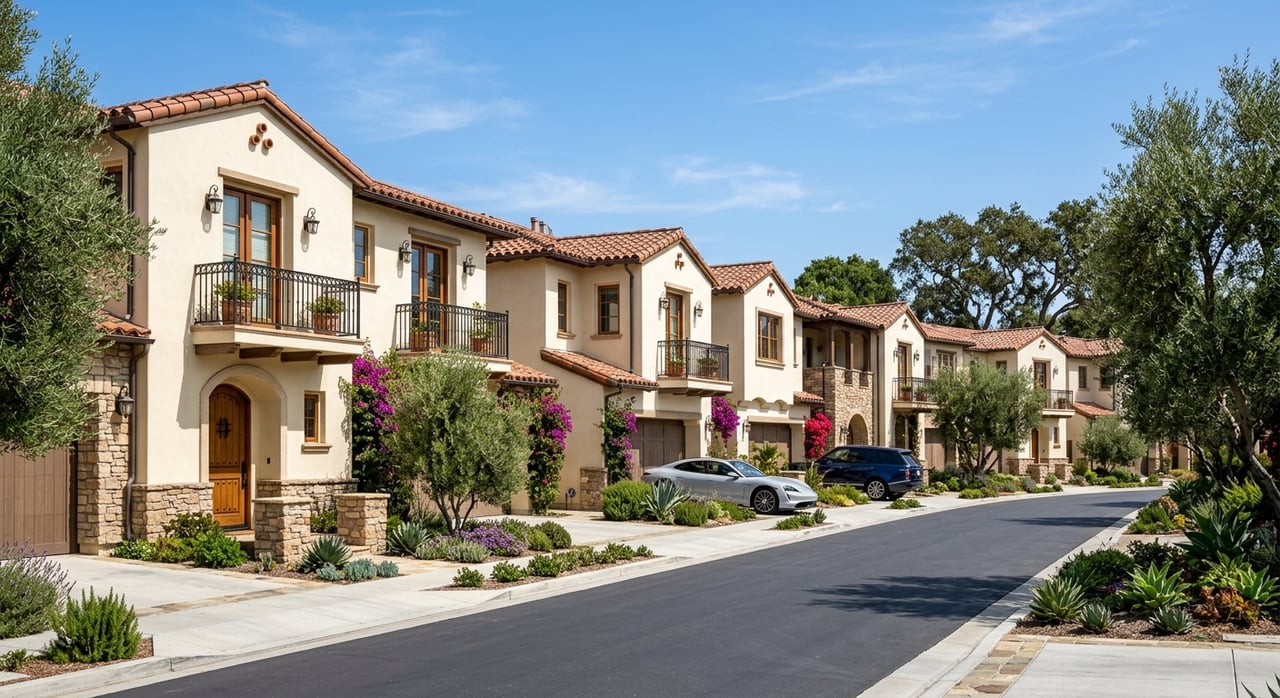
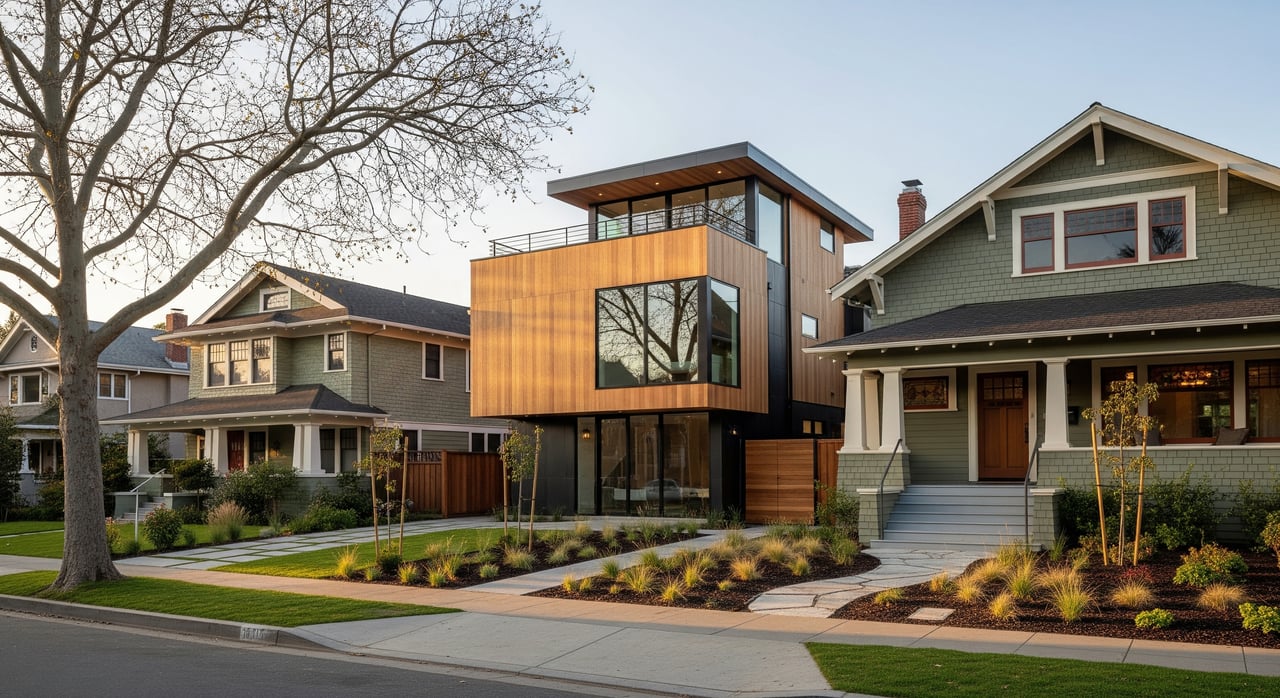
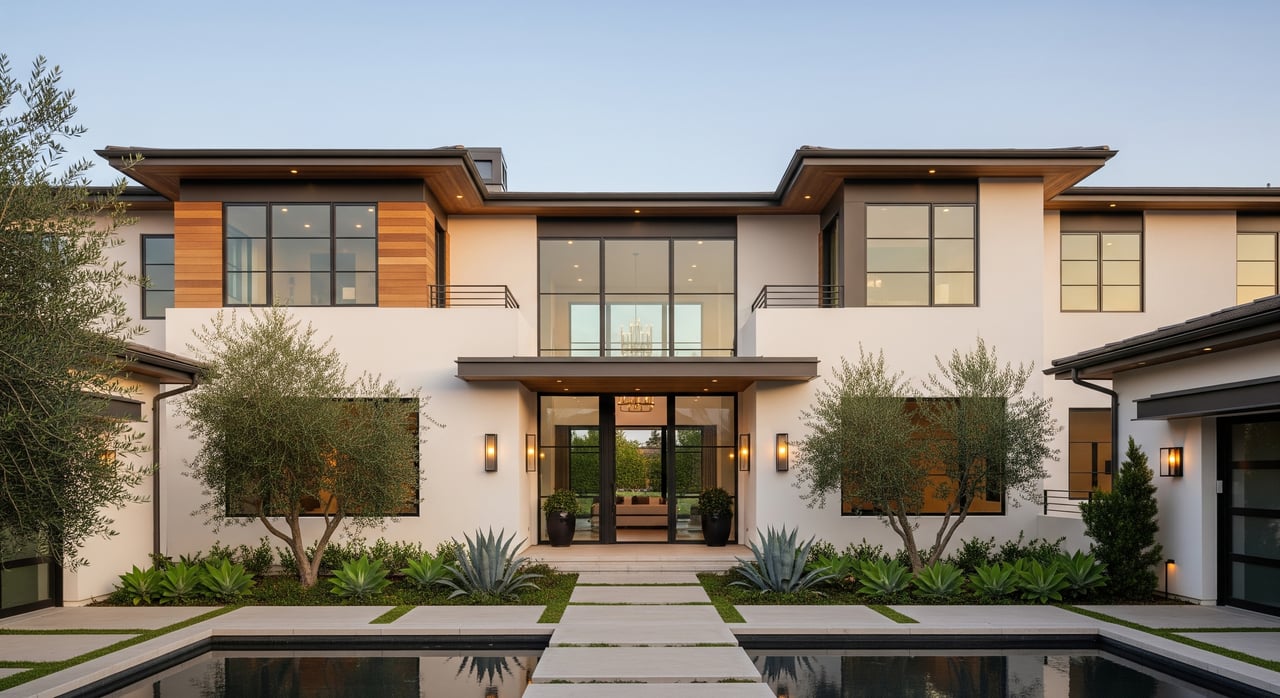
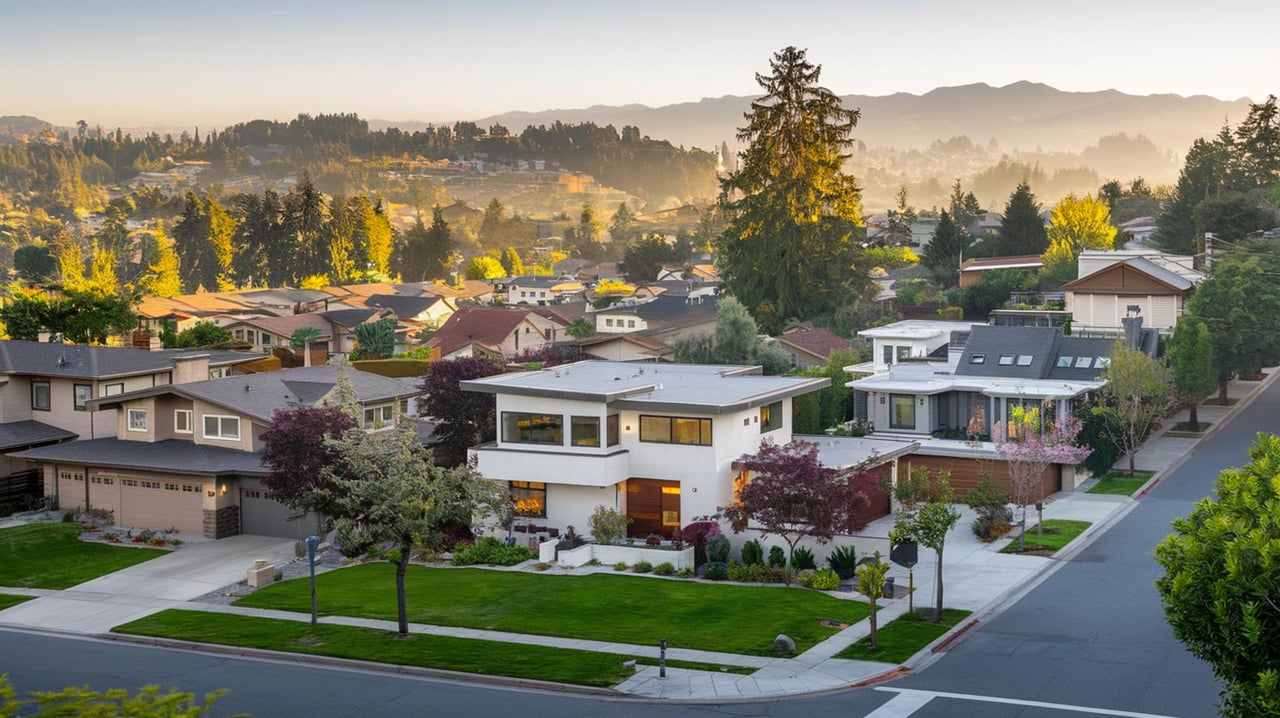
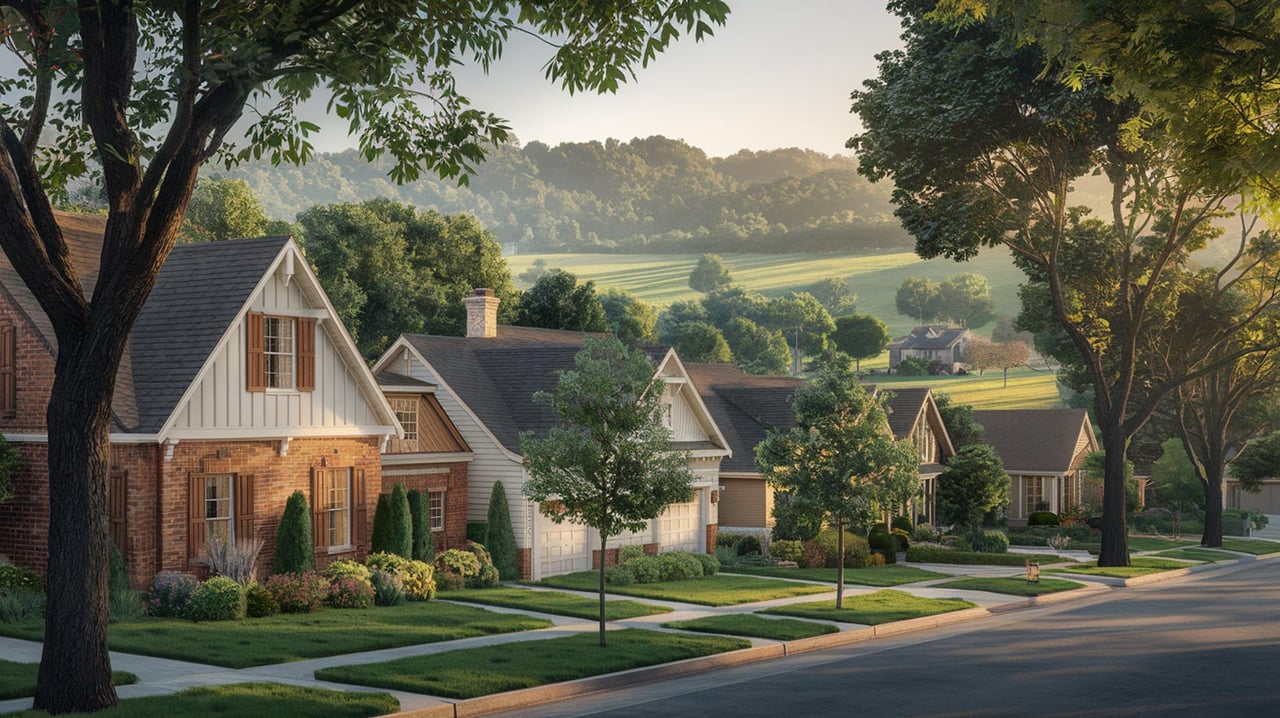
In practical terms, many buyers experience East Dublin as newer and more master-planned. West Dublin often feels more established and more built out. That is not an official label from the city, but it is a useful way to think about the difference when you begin your home search.
Housing in East Dublin
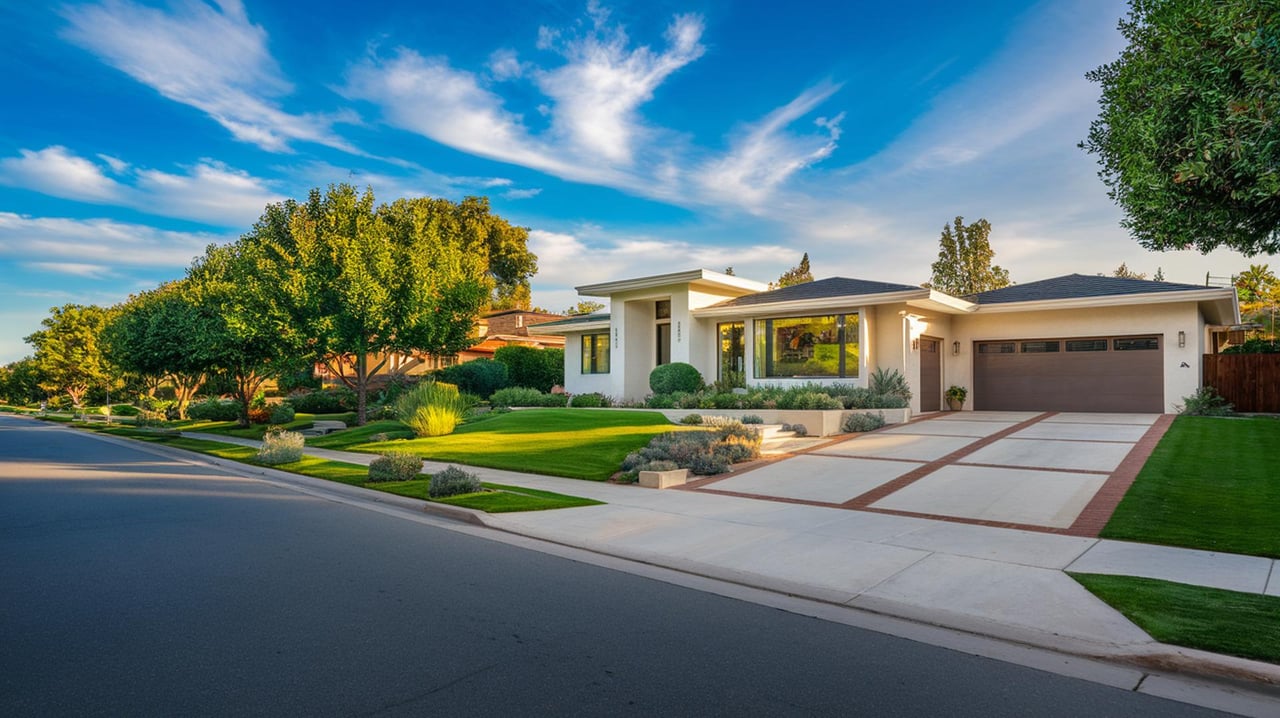
East Dublin is known for a wide housing mix. The city’s planning documents allow everything from higher-density housing to single-family, estate residential, and rural residential or agricultural uses. The housing element also notes that about 58% of new units have single-family character, even though many sit on smaller lots.
That variety can be appealing if you want options. You may find attached homes with open layouts and shared amenities, along with detached homes that offer more traditional privacy. In some planned areas, the city also required that a portion of medium-density homes include private, flat yards, which is a meaningful detail for buyers who care about usable outdoor space.
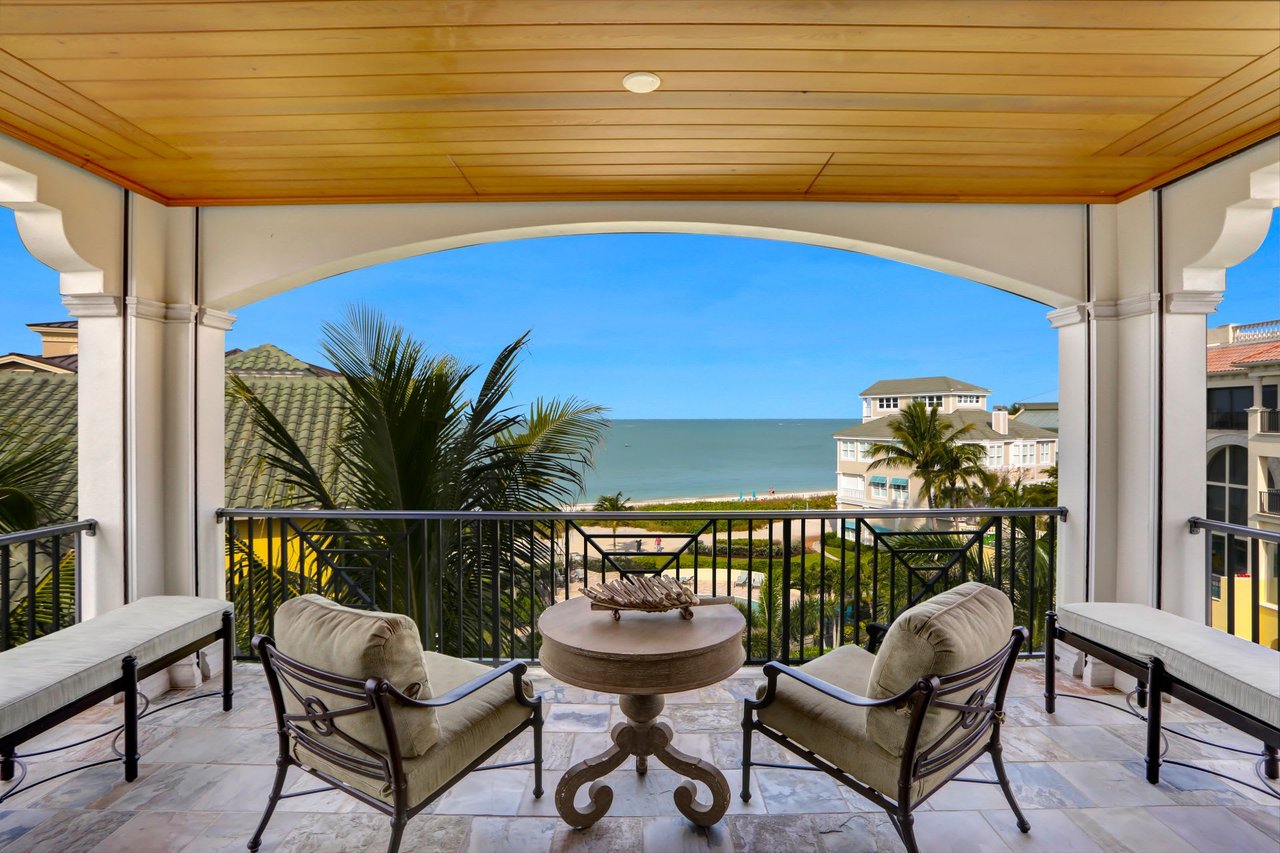
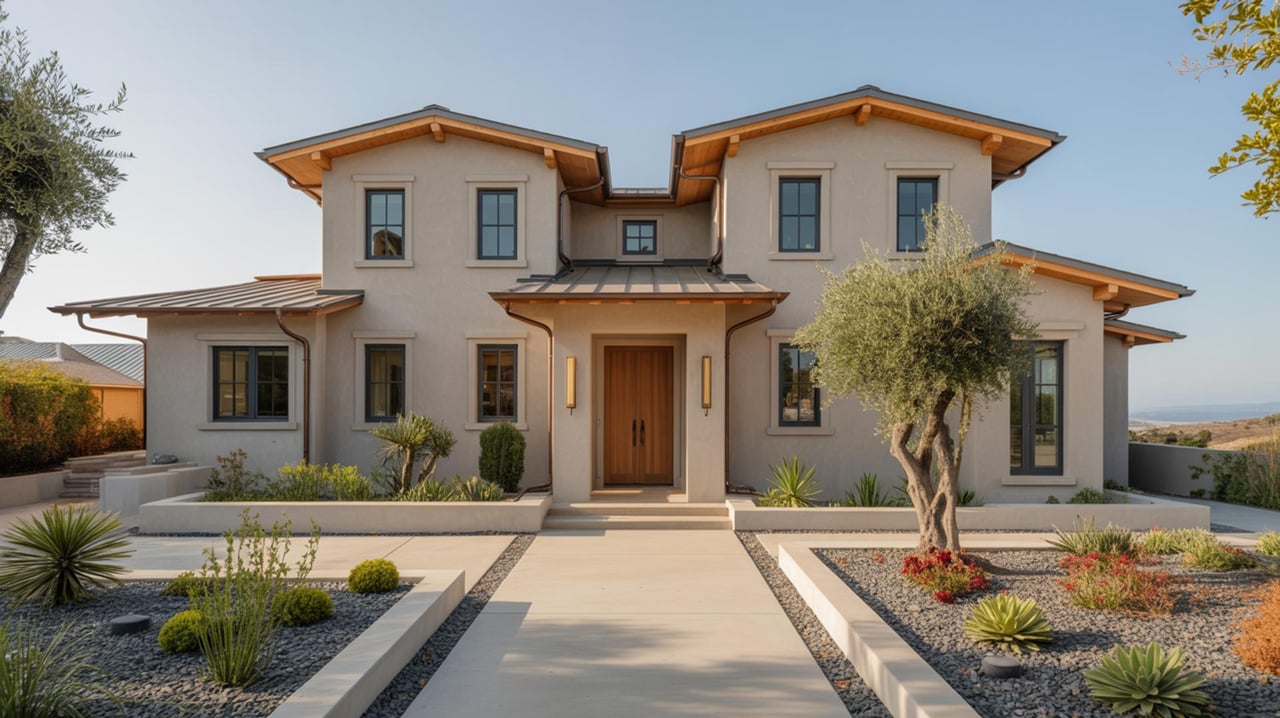
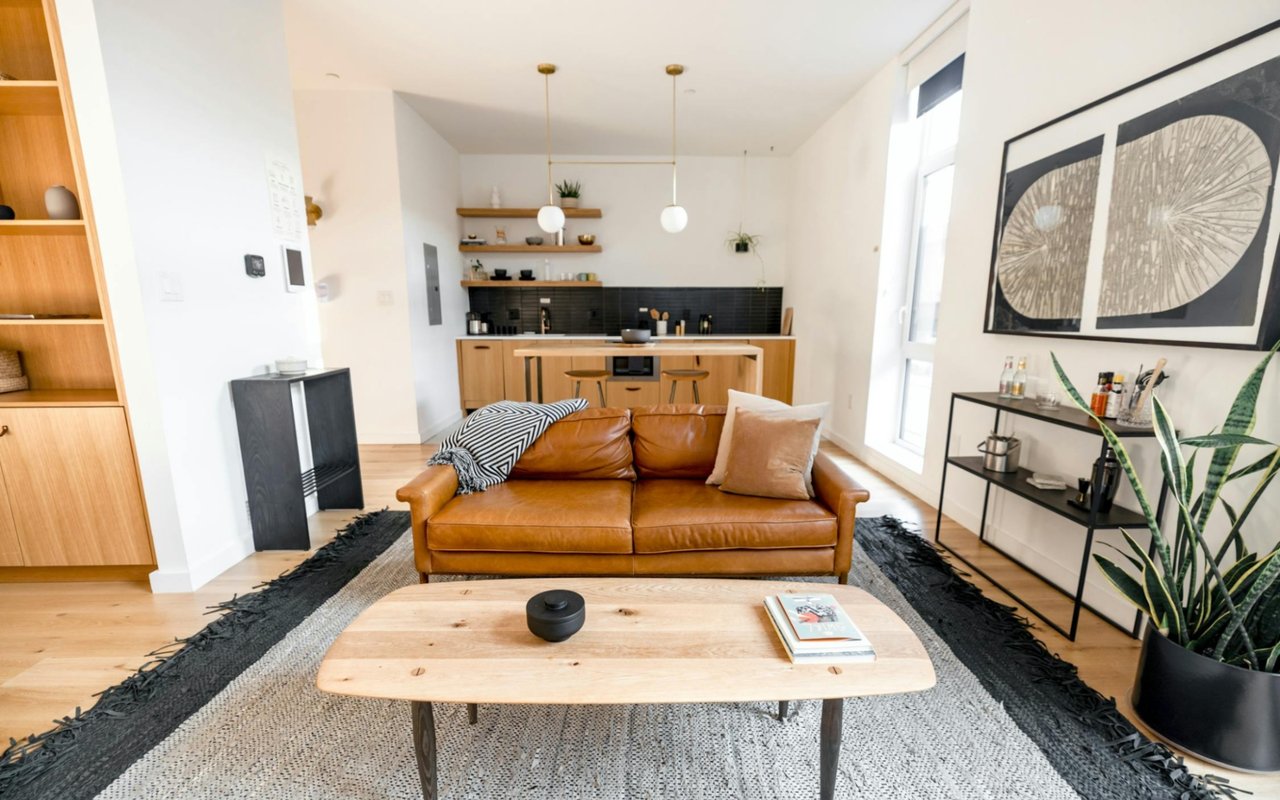
A common East Dublin tradeoff is newer design versus HOA structure. Recent market examples have included townhome-style condos with open floor plans and large balconies, as well as detached homes built in the 2010s with features like higher ceilings and flexible bedroom layouts. For many buyers, East Dublin offers a more current look and feel, but attached housing often comes with HOA-managed common areas and monthly dues.
Housing in West Dublin
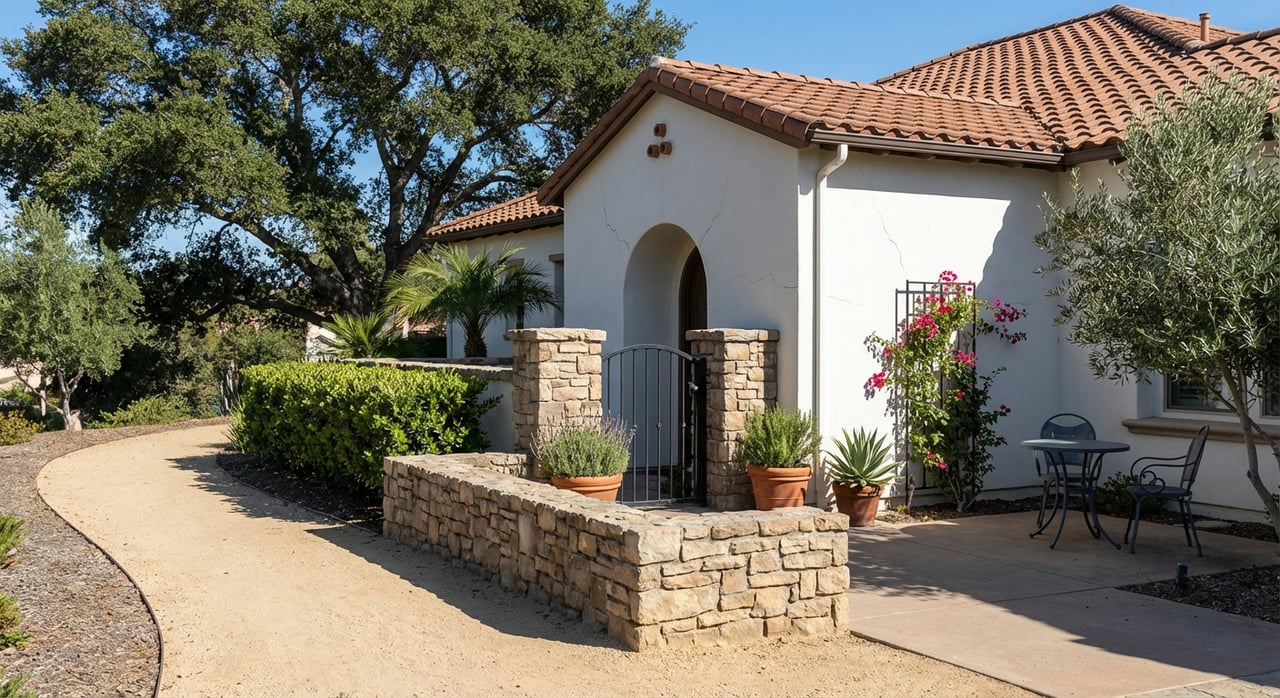
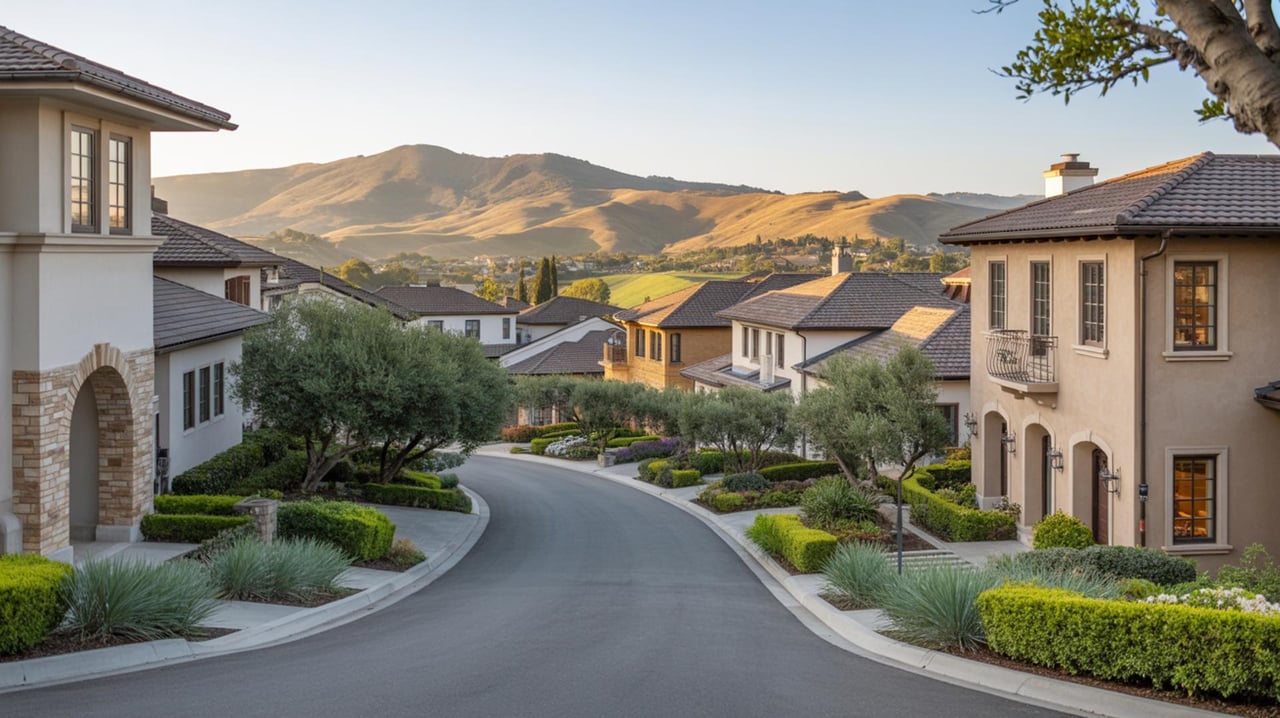
West Dublin tends to feel more established because much of Dublin’s primary planning area has been developed since the 1960s. The western extended area also includes a larger open-space corridor with steep terrain and oak woodlands, which has limited broad new residential development. As a result, the housing pattern is different from East Dublin’s newer growth areas.
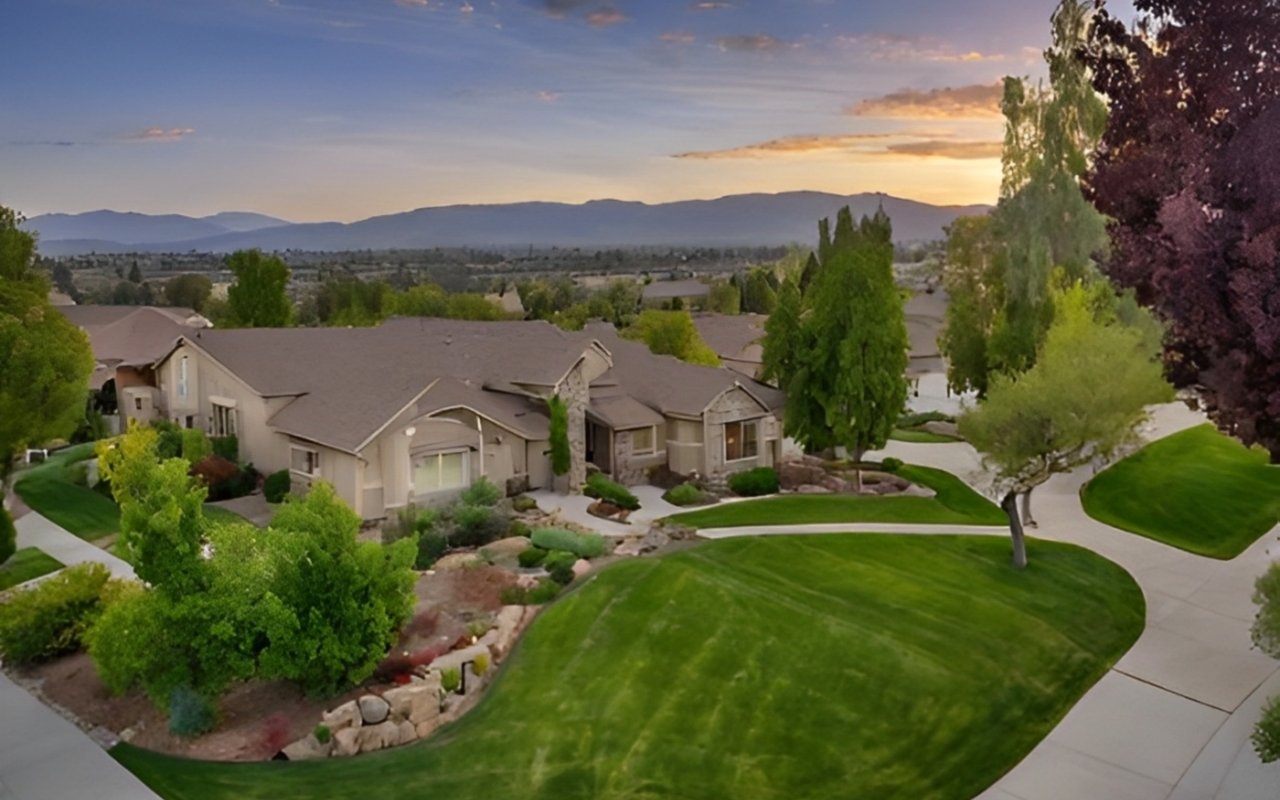
In day-to-day home shopping, West Dublin often means older detached homes mixed with condo and townhome communities, especially near the downtown and BART corridor. That can be attractive if you want a more established street pattern or a detached home with an older footprint. It can also mean that condition, renovation level, and maintenance needs vary more from property to property.
HOA costs matter here too. Current listings in West Dublin have included condos with substantial monthly HOA dues and amenities like a community pool, alongside larger detached homes in the same broader area. The key point is that HOA value is highly community-specific on both sides of Dublin, so it helps to compare dues with what is actually covered, such as exterior maintenance, amenities, or shared spaces.
Layout and Design Tradeoffs
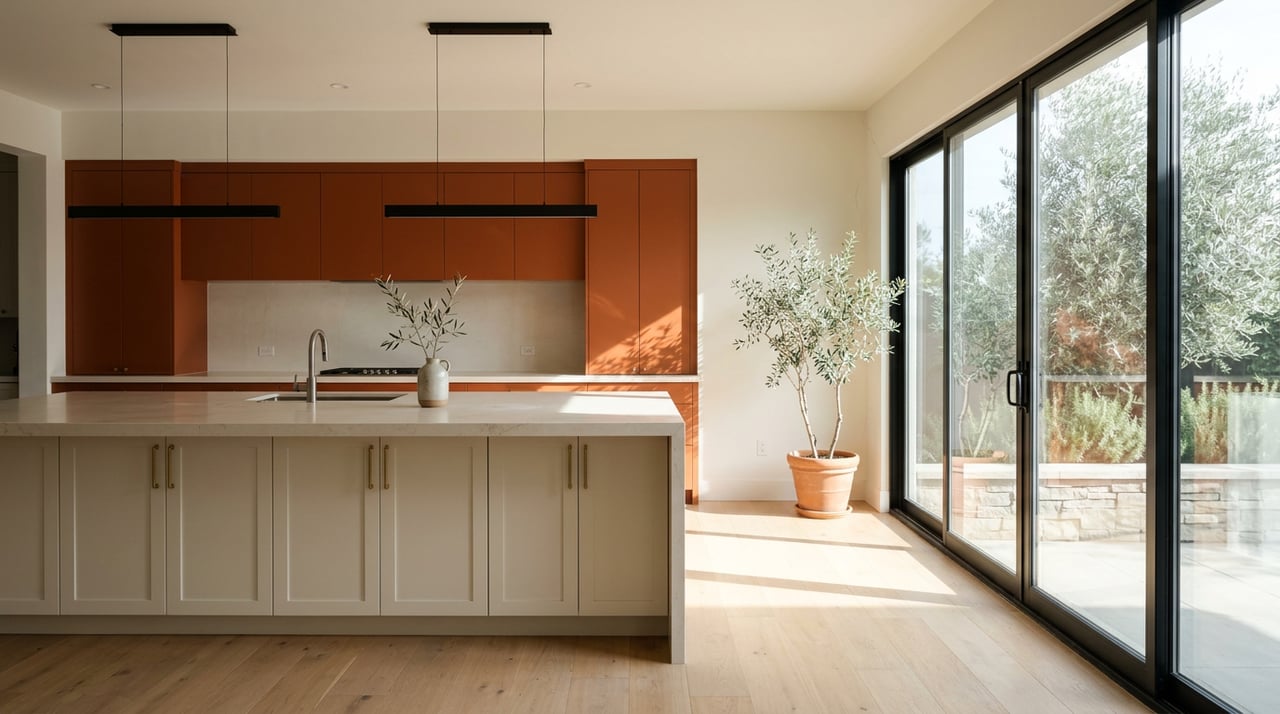
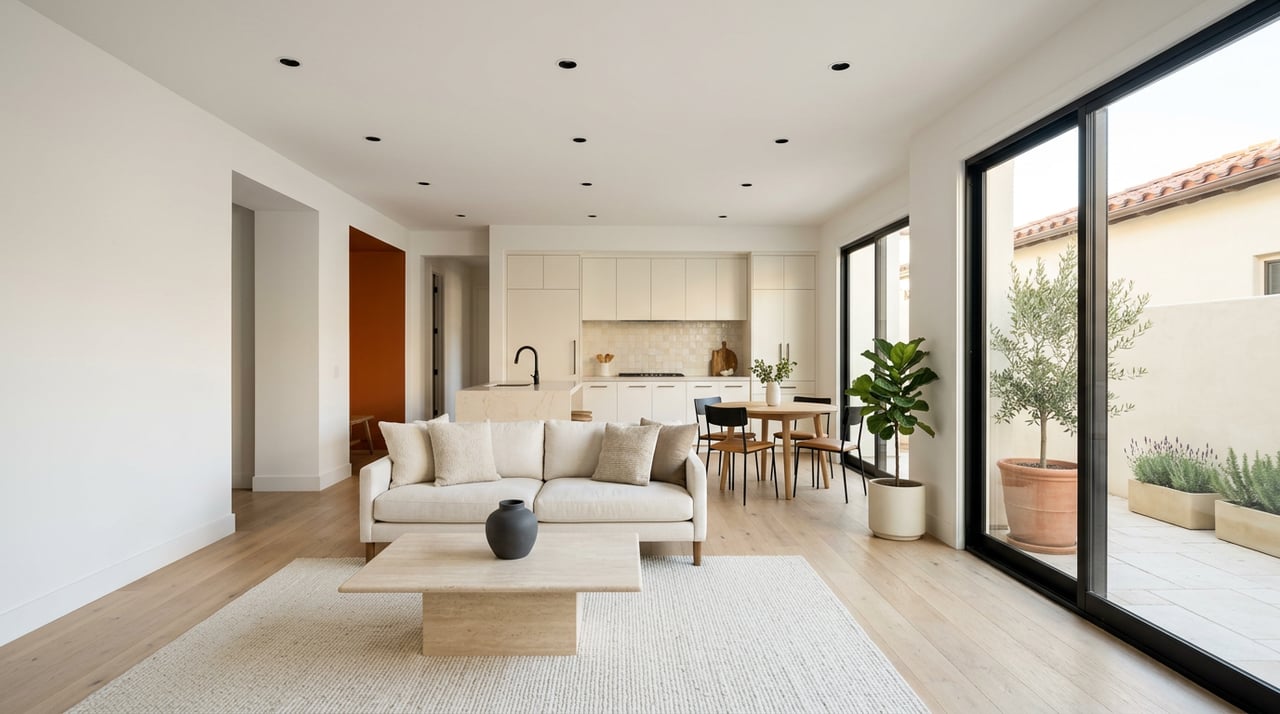
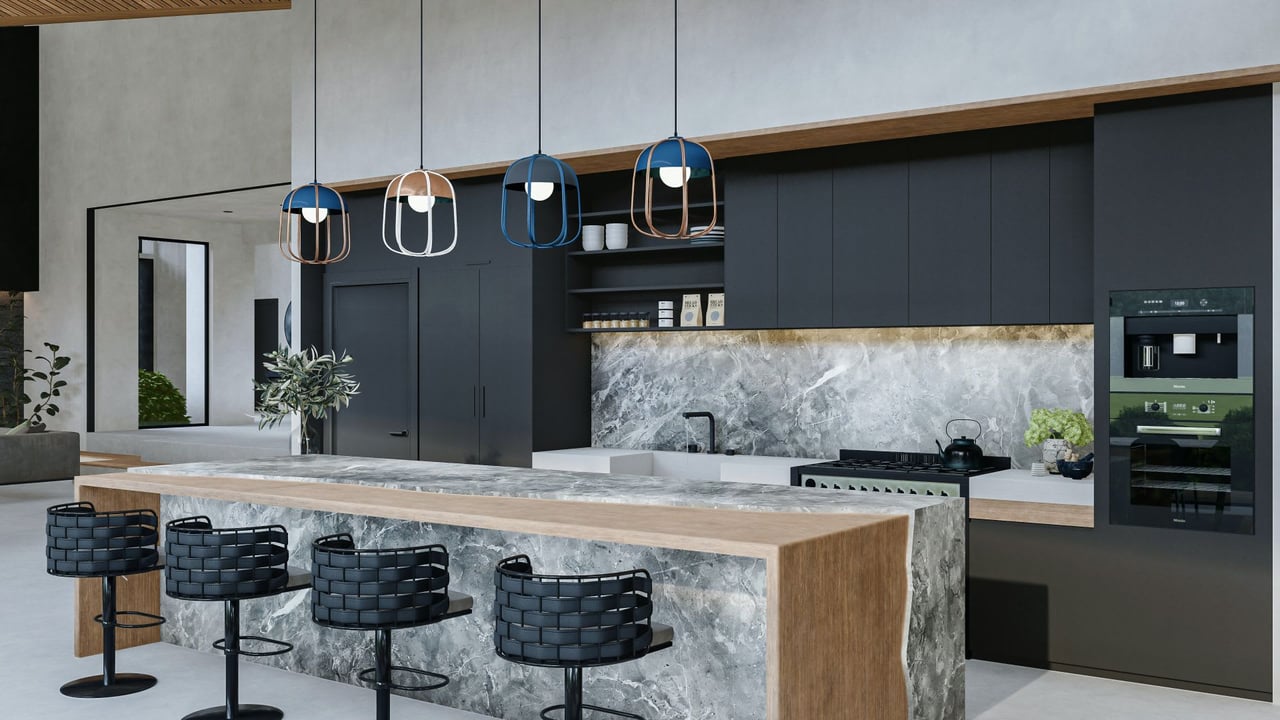
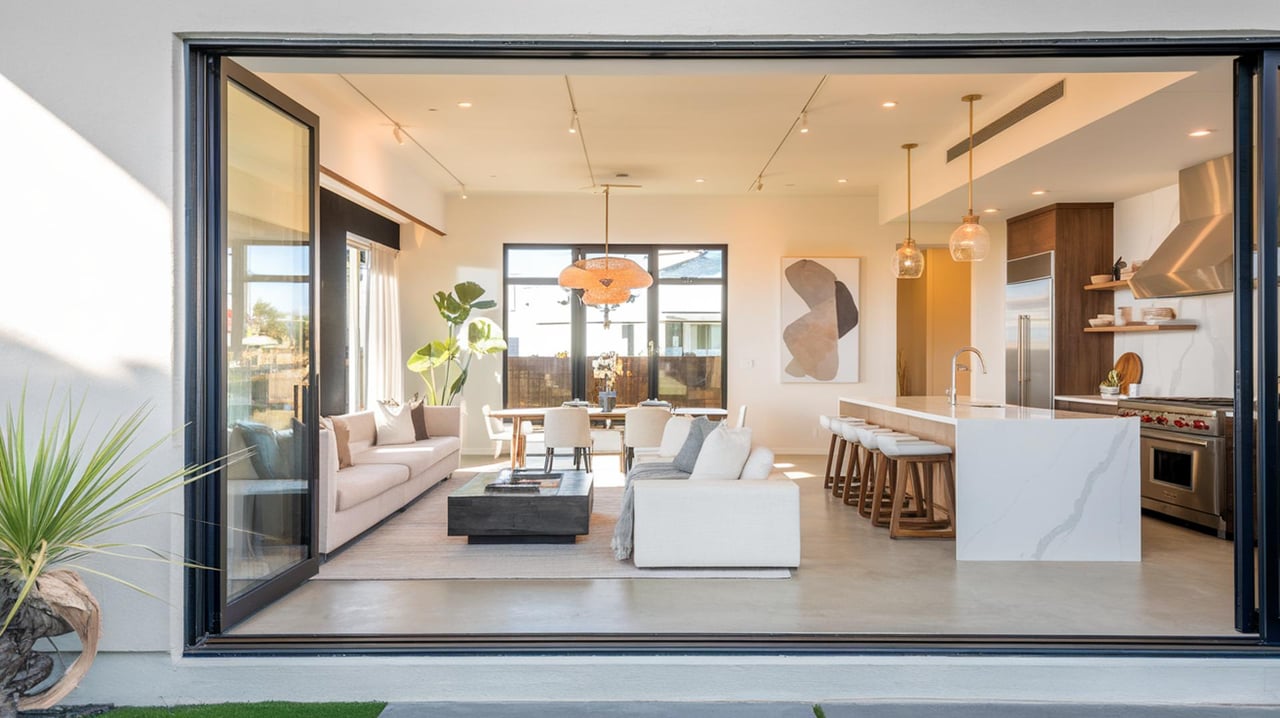
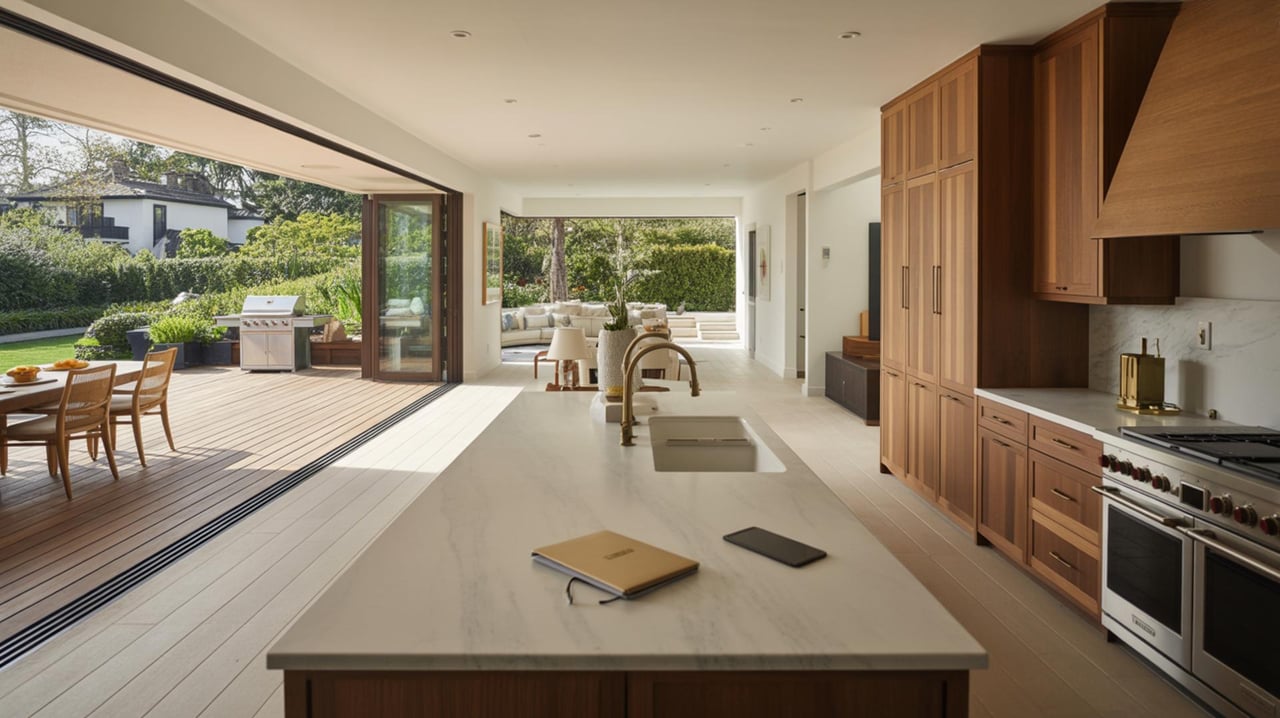
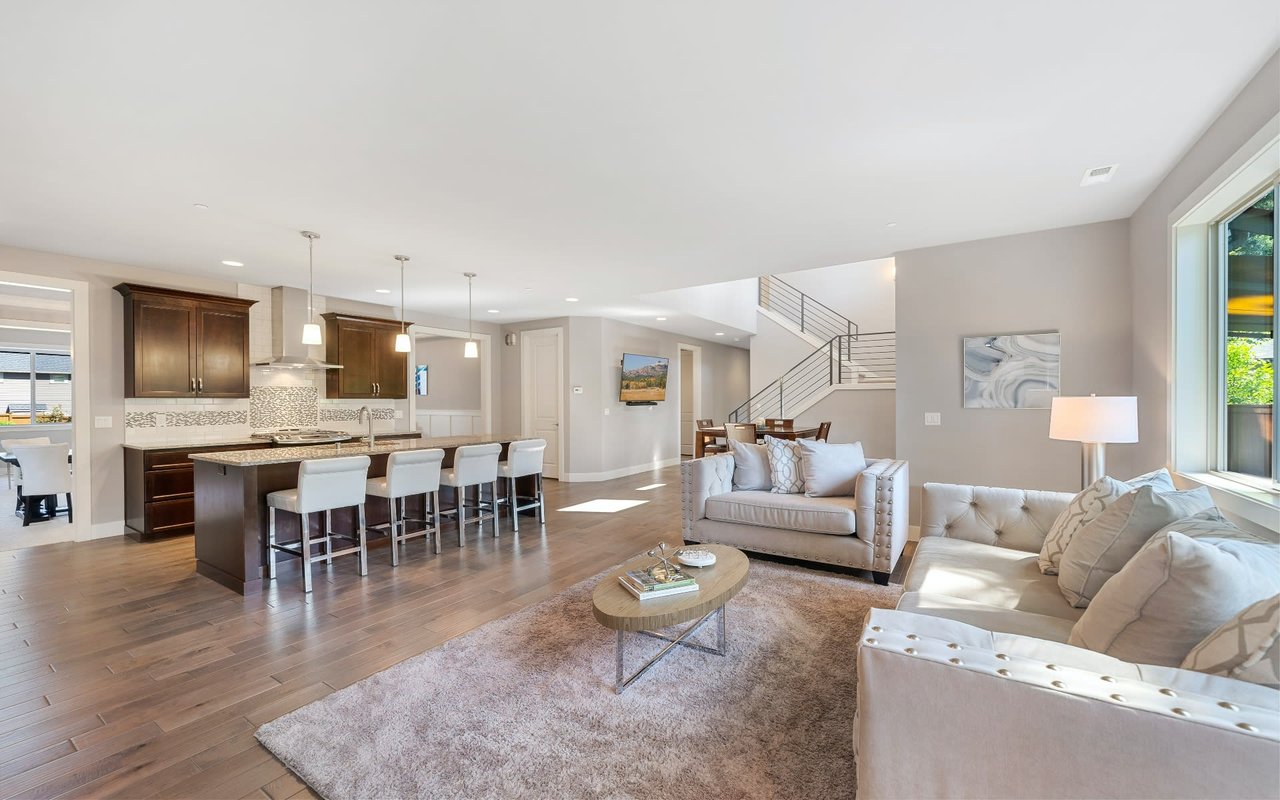
If you care about floor plan efficiency, East Dublin may stand out. Many of its homes were built with more contemporary preferences in mind, including open-concept living areas, larger kitchen-to-family-room connections, and flexible spaces for work or guests. Buyers moving from a condo, relocating from another market, or prioritizing a turnkey feel often notice this right away.
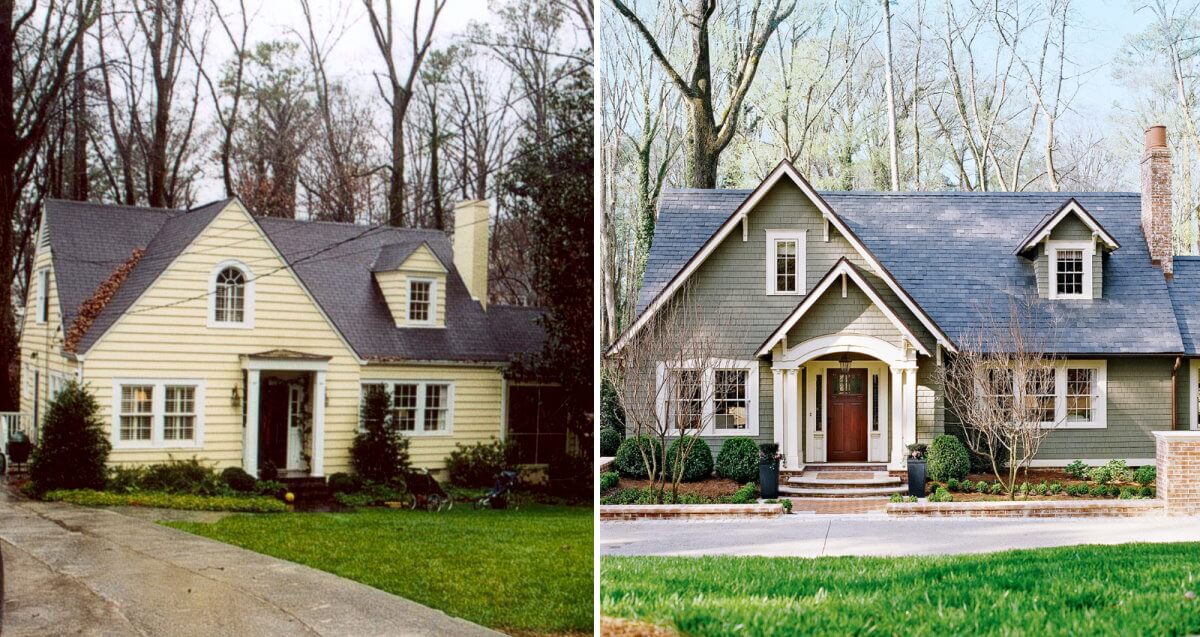
West Dublin may appeal more if you like the character of an established neighborhood and are open to older layouts. Some homes may offer larger lots or different room separation, but updates can vary widely. This is where a design-informed review can help you look beyond finishes and ask better questions about layout, renovation potential, and long-term value.
Shopping and Daily Convenience
Both East and West Dublin offer strong shopping access, but the pattern is different. The city identifies Downtown Dublin near the West Dublin BART station as a key shopping area, including Dublin Place, Dublin Retail Center, Shamrock Village, Village Parkway, and Amador Plaza Road. That gives West Dublin a stronger connection to an older downtown-style retail grid.
East Dublin is closer to newer retail clusters, including Fallon Gateway, Shops at Waterford, and Tivoli Plaza. If your routine revolves around newer commercial centers and planned retail nodes, East Dublin may feel more convenient. If you like being closer to downtown Dublin’s established shopping corridor and the BART area, West Dublin may feel more connected to that daily rhythm.
Parks and Recreation Differences
The park systems also shape lifestyle. East Dublin includes newer, highly programmable recreation spaces such as Fallon Sports Park and Emerald Glen Park. Emerald Glen is also home to The Wave at Emerald Glen Park, which adds another layer of recreational use for local residents.
West and central Dublin offer a different kind of civic amenity. Dublin Heritage Park and Museums includes historic buildings, museum spaces, a cemetery, and picnic areas, while the Shannon Community Center adds another established community asset. So the choice is not simply about new parks versus old parks. It is about whether you are drawn more to newer sports and recreation facilities or to established civic and historic spaces.
Transit and Commute Patterns
Commute style is one of the biggest deciding factors. Dublin has two BART stations: Dublin/Pleasanton and West Dublin/Pleasanton. West Dublin/Pleasanton has a more immediate BART-oriented feel, with station access, parking garages, and local transit connections near the downtown side of the city.
East Dublin still has meaningful transit access, even if it may feel more suburban in practice. Wheels Route 2 connects areas such as Central Parkway, Dublin Ranch, Silvera Ranch, and Positano Hill with the Dublin/Pleasanton BART station on weekdays. Route 30R also provides rapid service along Dublin Boulevard and connects to both Dublin/Pleasanton and West Dublin/Pleasanton BART.
For many buyers, the real question is how you plan to commute most days. West Dublin may feel simpler if you want to stay close to a BART-centered routine. East Dublin can still work well, but it often fits buyers who are comfortable with a drive-and-park or local bus connection as part of a broader suburban pattern.
Which Side Fits Your Priorities?
A side-by-side comparison can help you narrow the decision.
| Priority | East Dublin | West Dublin |
|---|---|---|
| Housing feel | Newer, master-planned feel | More established, built-out feel |
| Typical housing mix | Broad mix of attached and detached homes | Older detached homes plus condos and townhomes |
| Layout style | More contemporary floor plans | More variation, often older layouts |
| Retail pattern | Newer retail clusters | Downtown and BART corridor shopping |
| Parks and recreation | Newer sports parks and programmed facilities | Established civic and historic amenities |
| Transit feel | Often bus or drive connection to BART | More direct BART-centered feel |
If you want newer construction, a more planned environment, and proximity to newer parks and retail centers, East Dublin is often the stronger fit. If you prefer an established neighborhood feel, easier connection to the downtown and BART corridor, and a mix that includes older detached homes, West Dublin may suit you better.
How to Compare Costs the Right Way
It is tempting to compare East and West Dublin only by list price, but that rarely tells the full story. A better comparison includes the full package of what you are getting and what you may need to spend after closing.
As you compare homes, look at:
- Age of construction
- HOA dues and what they cover
- Lot size or yard usability
- Renovation or update needs
- Floor plan efficiency
- Commute method and time
In Dublin, the east-west decision is often less about one side being clearly cheaper and more about which tradeoffs support your lifestyle. A newer attached home with HOA dues may still be the better value for you if it reduces maintenance and gives you the layout you want. An older detached home may be the better move if you value a different setting and are comfortable taking on updates over time.
A Smart Way to Decide
If you are torn between East Dublin and West Dublin, try touring both with the same checklist. Compare how each area feels when you drive in, how close daily errands are, what the parks look like, and how each commute would actually work on a weekday. That real-world test often makes the right choice clearer.
It also helps to evaluate homes through both a market lens and a design lens. The right home is not just about square footage or price. It is about how the layout supports your routine, how much maintenance you want to take on, and whether the location aligns with the life you want to build in Dublin.
If you want help comparing East Dublin and West Dublin home options with a clear, design-informed strategy, the Nivi Das Team can help you evaluate layout, neighborhood fit, resale potential, and the tradeoffs that matter most to your move.
FAQs
Is East Dublin newer than West Dublin?
- In general, yes. East Dublin developed rapidly after 1995 as the city’s main growth area, while West Dublin is more closely tied to Dublin’s older urbanized core and more established development pattern.
Does West Dublin have better BART access than East Dublin?
- West Dublin typically has a more immediate BART-centered feel because of the West Dublin/Pleasanton station location, while many East Dublin residents use a bus connection or drive to reach BART.
Are HOA fees more common in East Dublin or West Dublin?
- HOA obligations can appear on both sides of Dublin, especially in condo and townhome communities. The more important comparison is what the dues cover in each specific community.
Is East Dublin better for newer parks and recreation?
- East Dublin is closer to newer recreation facilities such as Fallon Sports Park and Emerald Glen Park, including The Wave at Emerald Glen Park.
Does West Dublin have older detached homes?
- West Dublin often includes older detached homes along with condo and townhome communities, especially near the downtown and BART corridor.
How should buyers compare East Dublin and West Dublin home values?
- A strong comparison includes list price, age of construction, HOA costs, lot size, renovation needs, layout, and commute style rather than focusing on price alone.