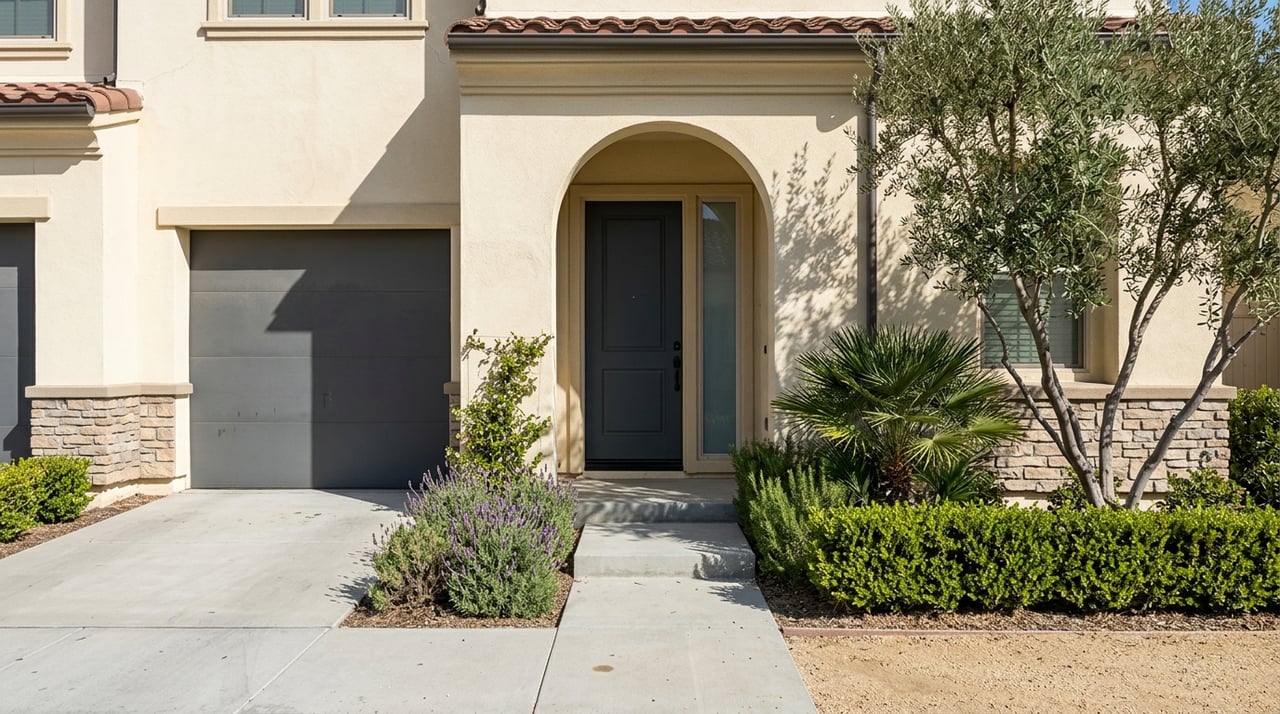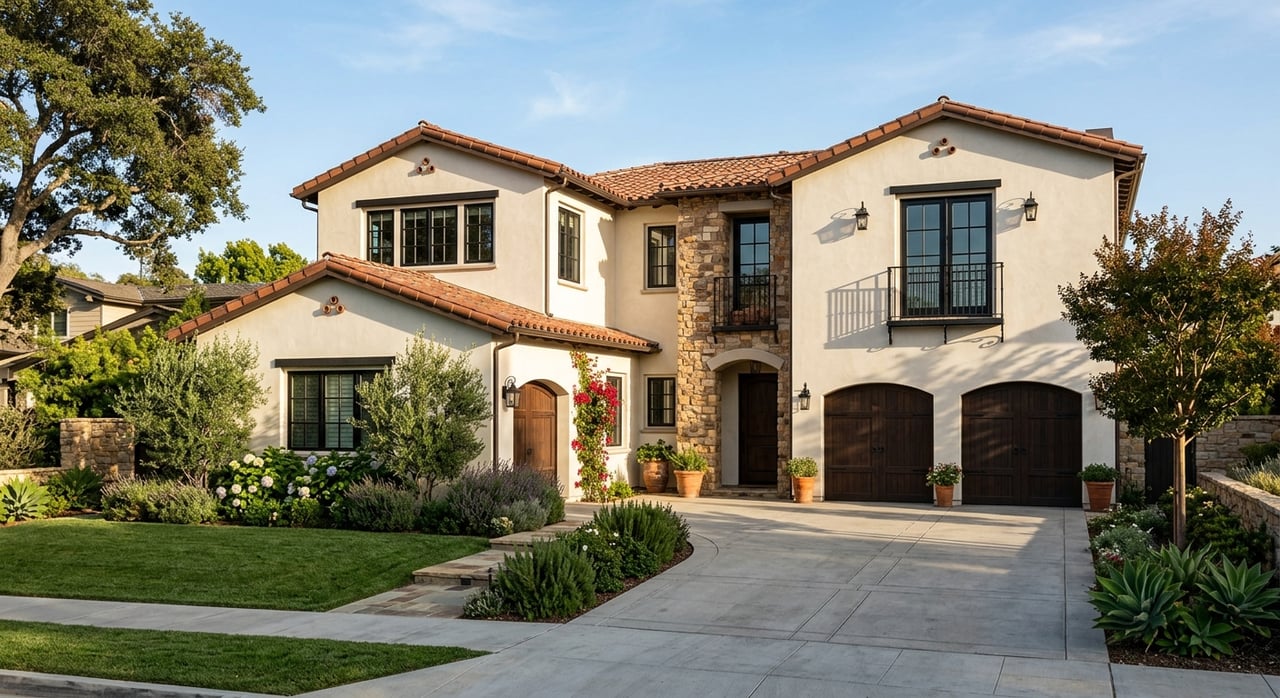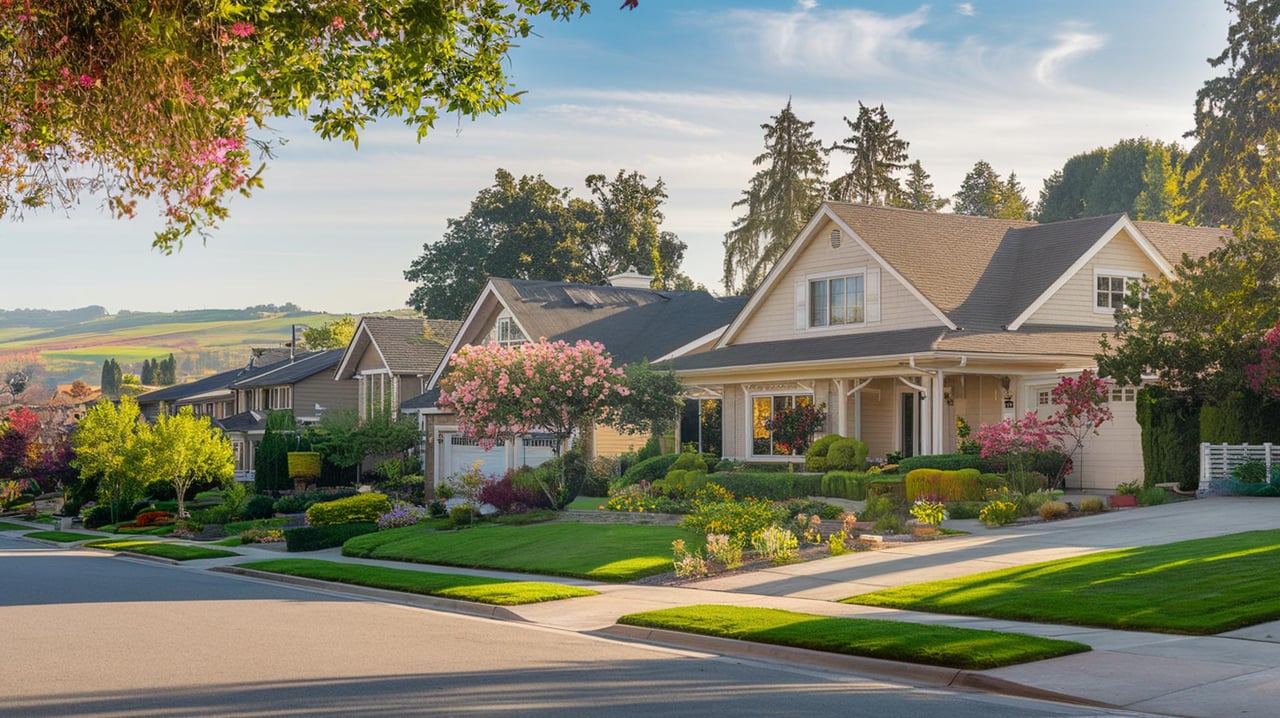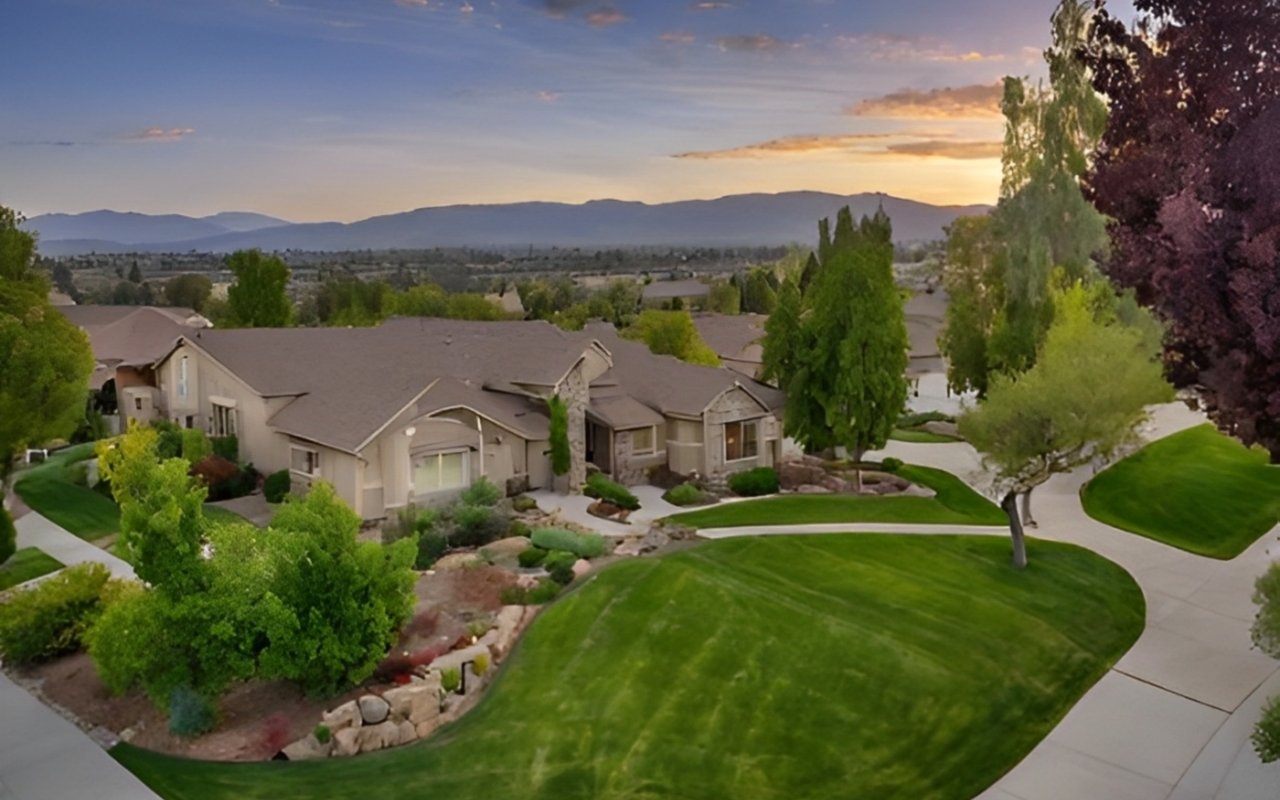

Wondering whether a ranch or split-level home makes more sense in Fremont? It is a smart question, especially in a city where so much of the housing stock was built during the postwar decades and layout can shape both daily life and future renovation options. If you are comparing homes in Centerville, Irvington, Warm Springs, or the hillside edges near Mission San Jose, understanding how these floor plans work can help you buy with more confidence. Let’s dive in.
Why layout matters in Fremont
Fremont’s housing stock is heavily shaped by the city’s growth from 1960 to 1999. According to the city’s Housing Element, 79% of the housing stock was built during that period, which means many buyers are looking at practical suburban homes rather than one-off historic estates.
That matters because in Fremont, layout often influences value just as much as size. With a 2019 to 2023 median owner-occupied home value of $1,289,400, the right floor plan can affect how comfortably you live now and how easily you update the home later.
What is a ranch home?
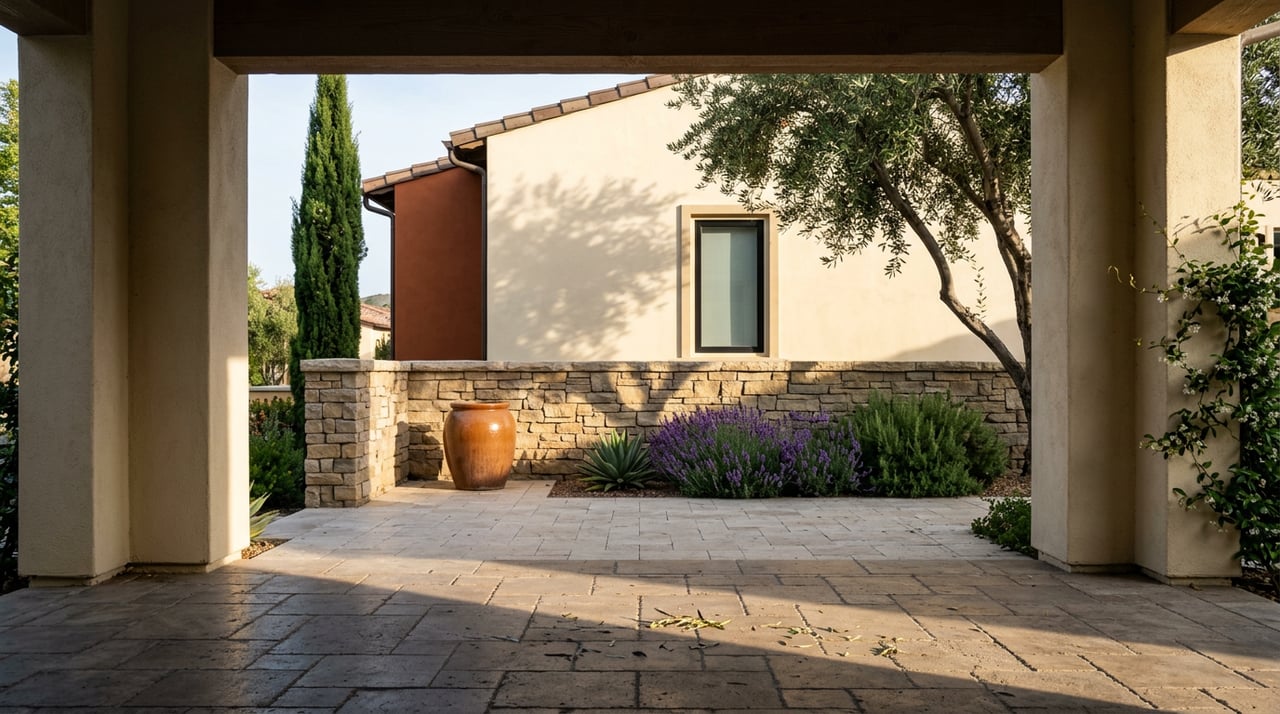
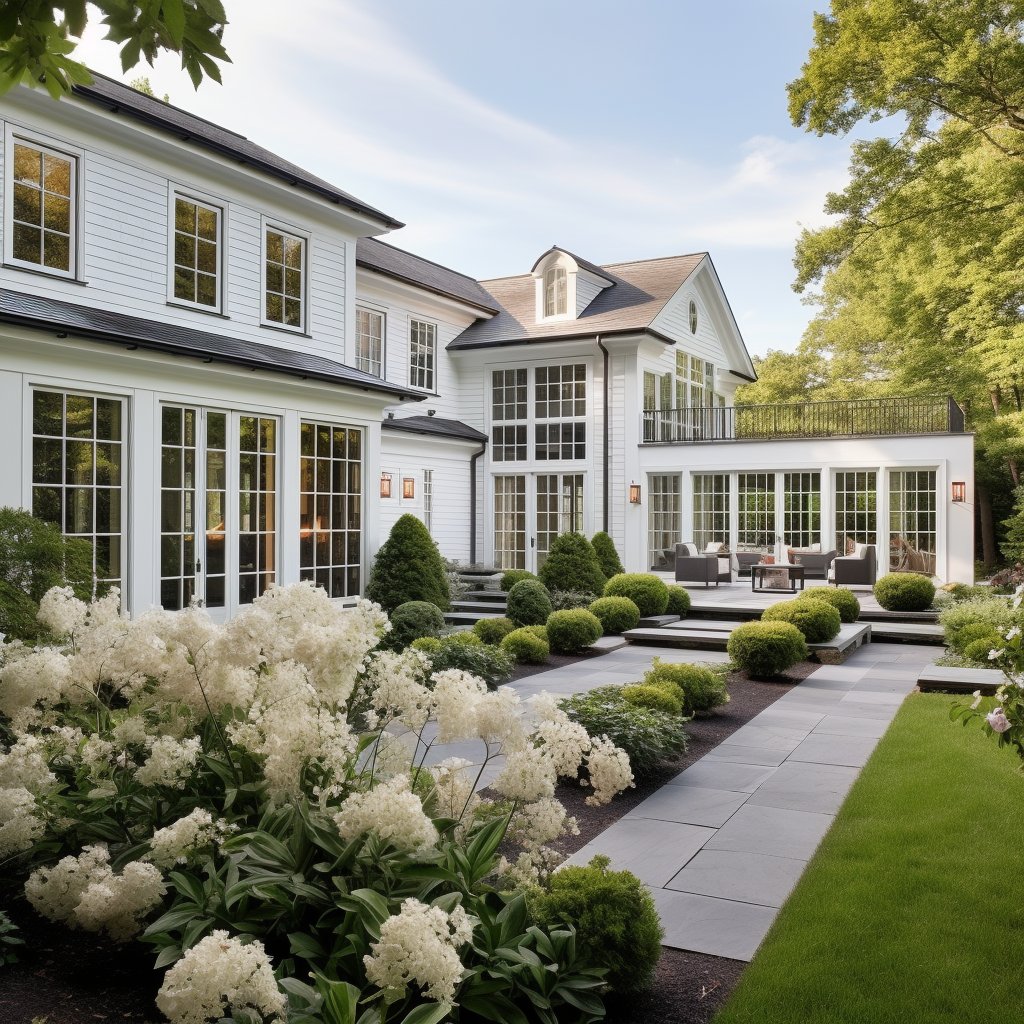
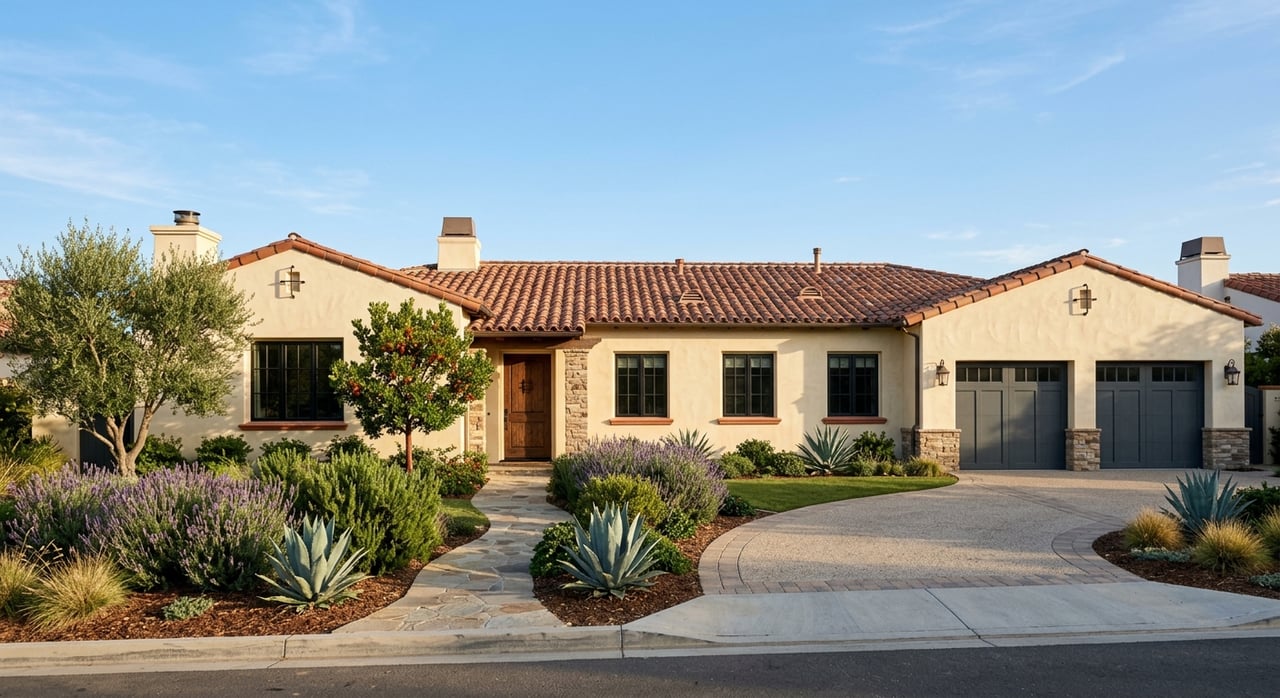
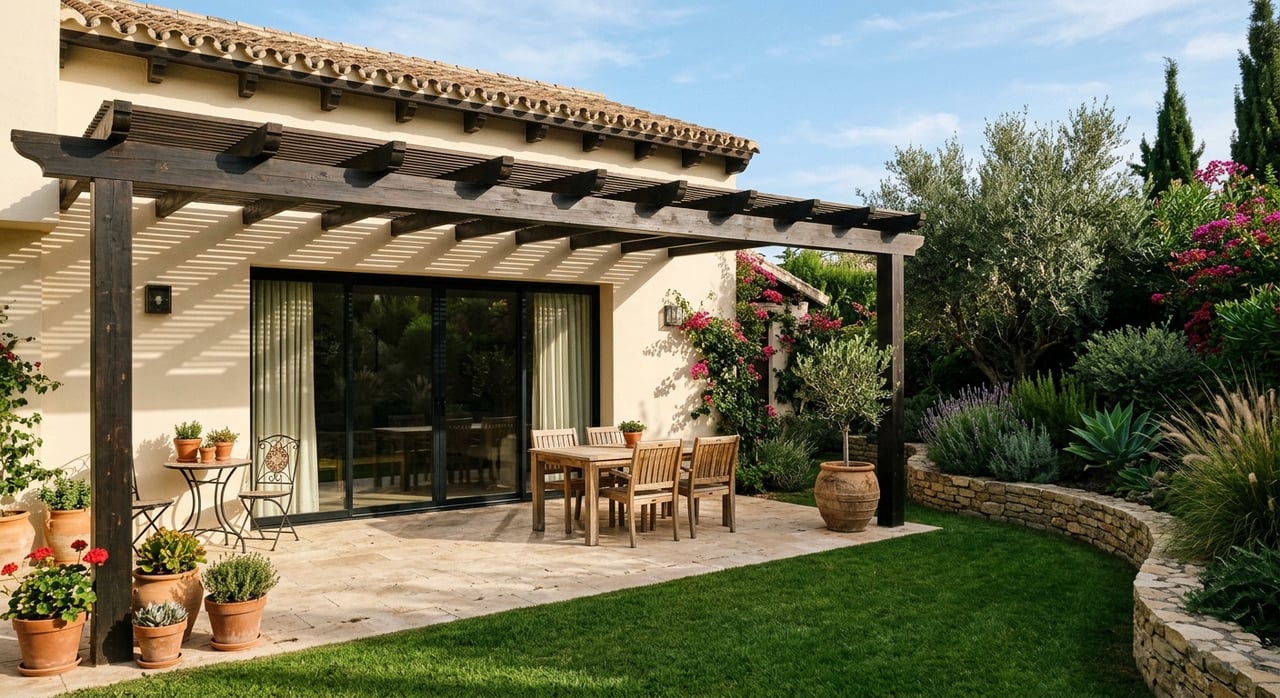
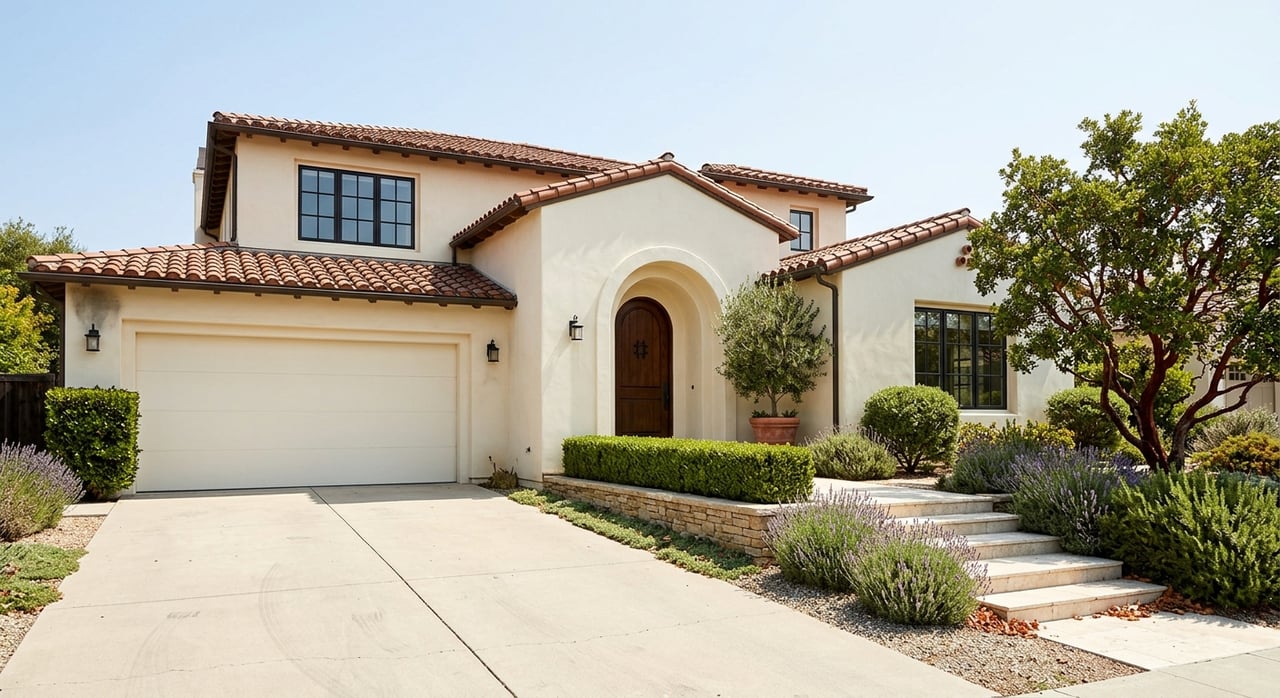
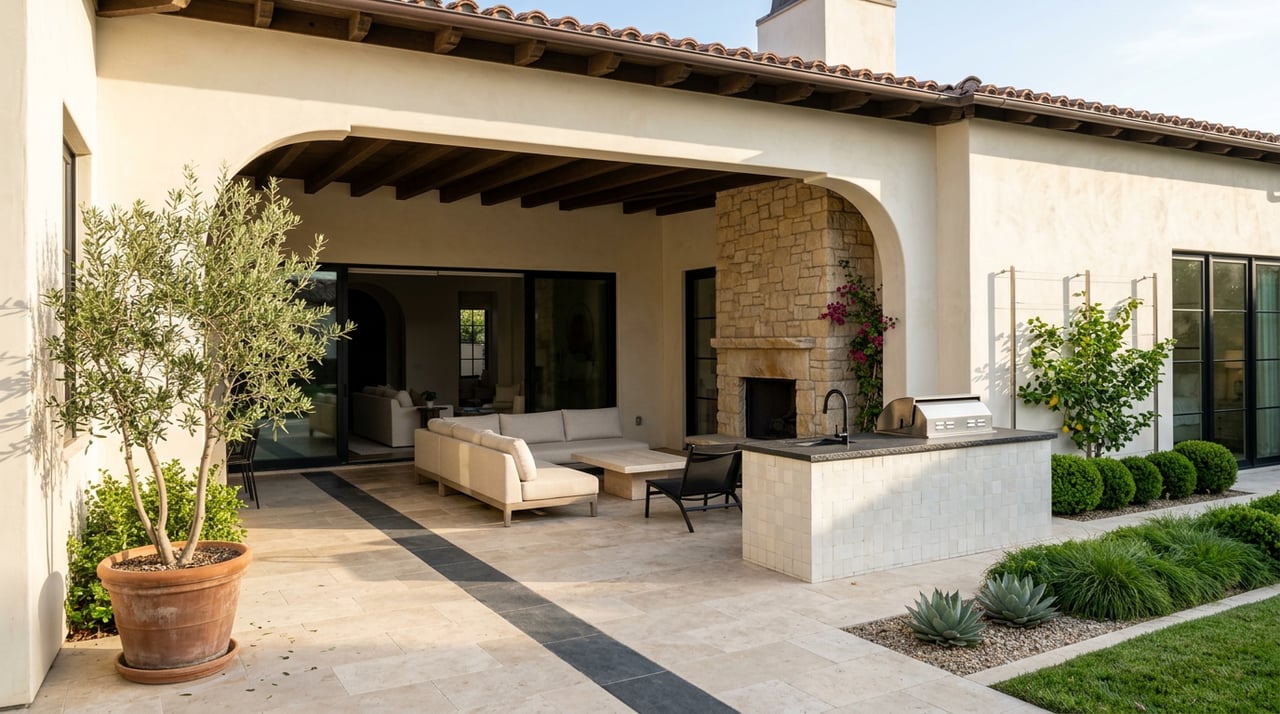
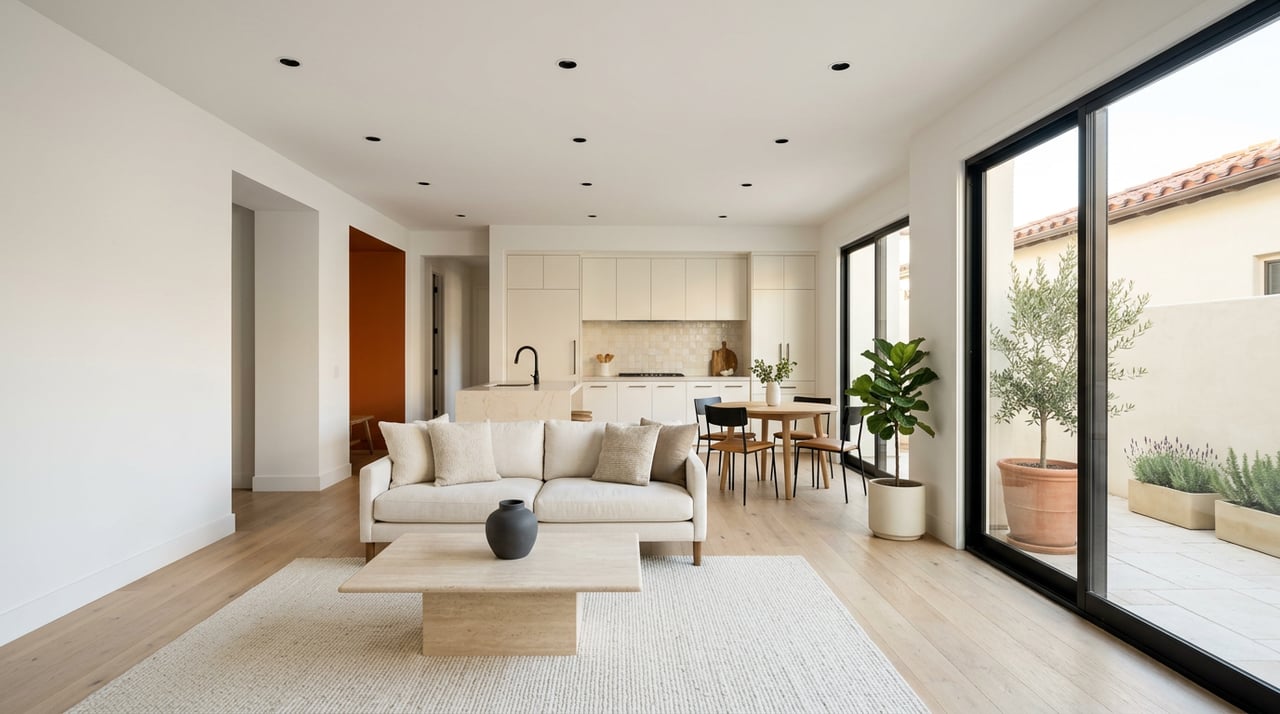
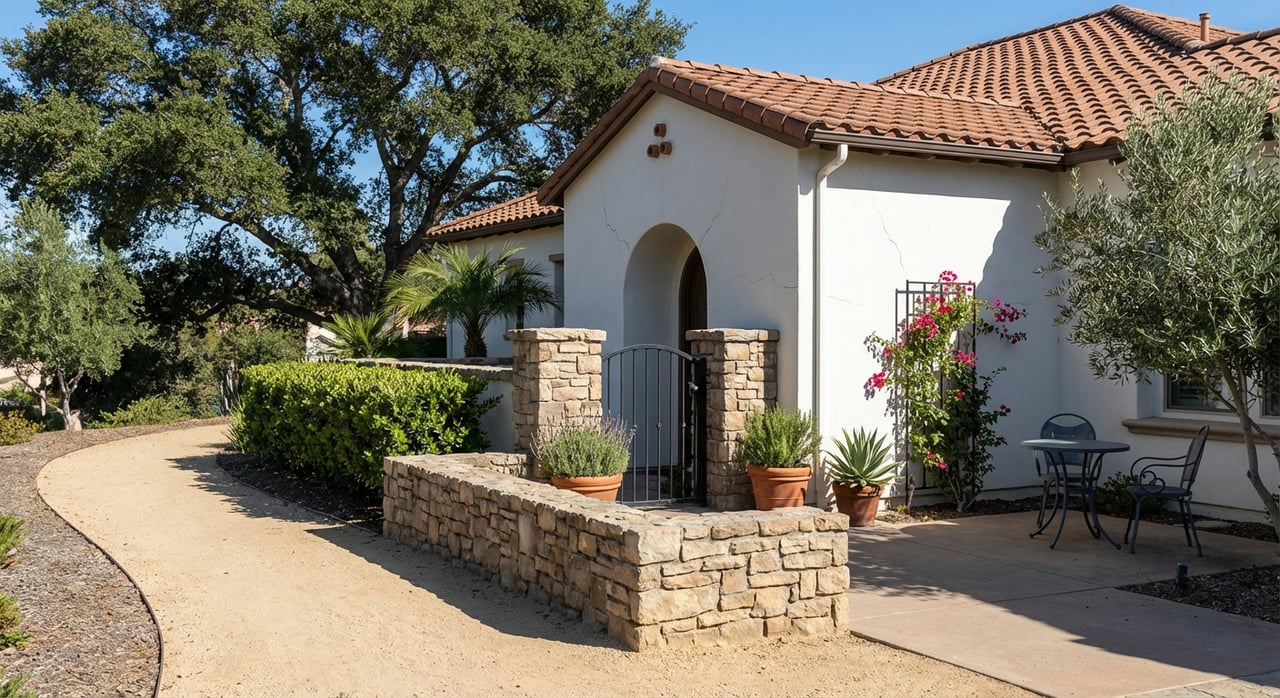
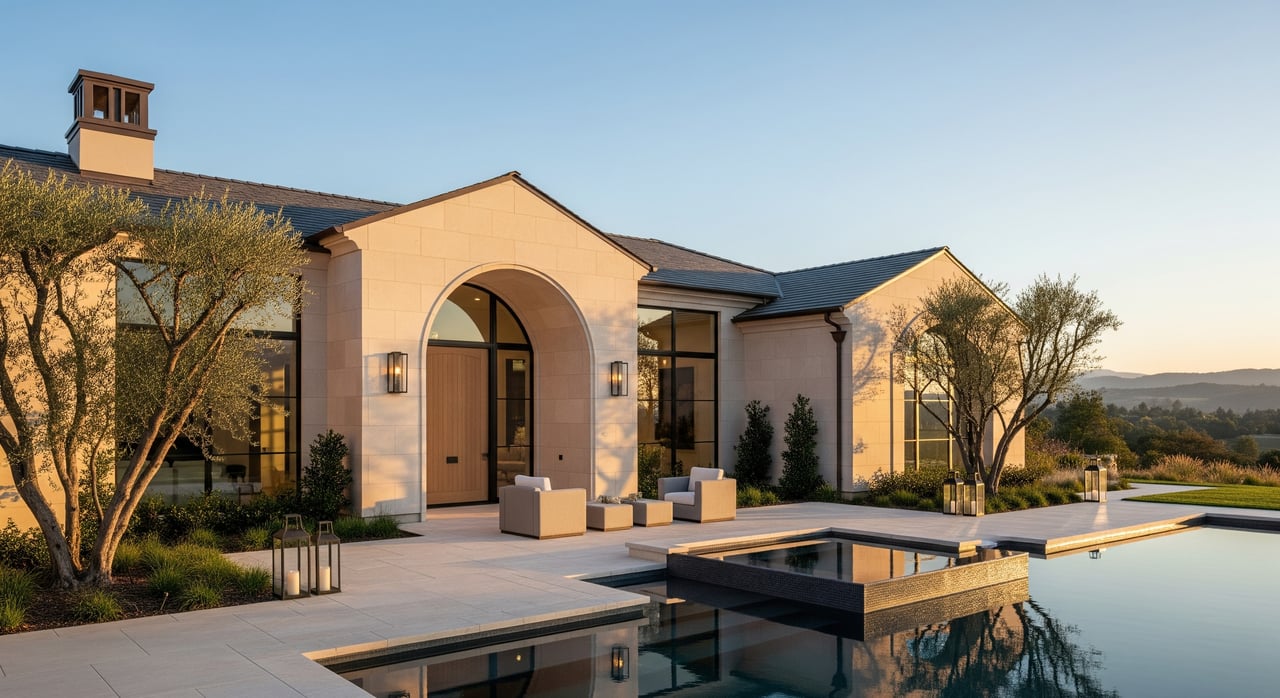
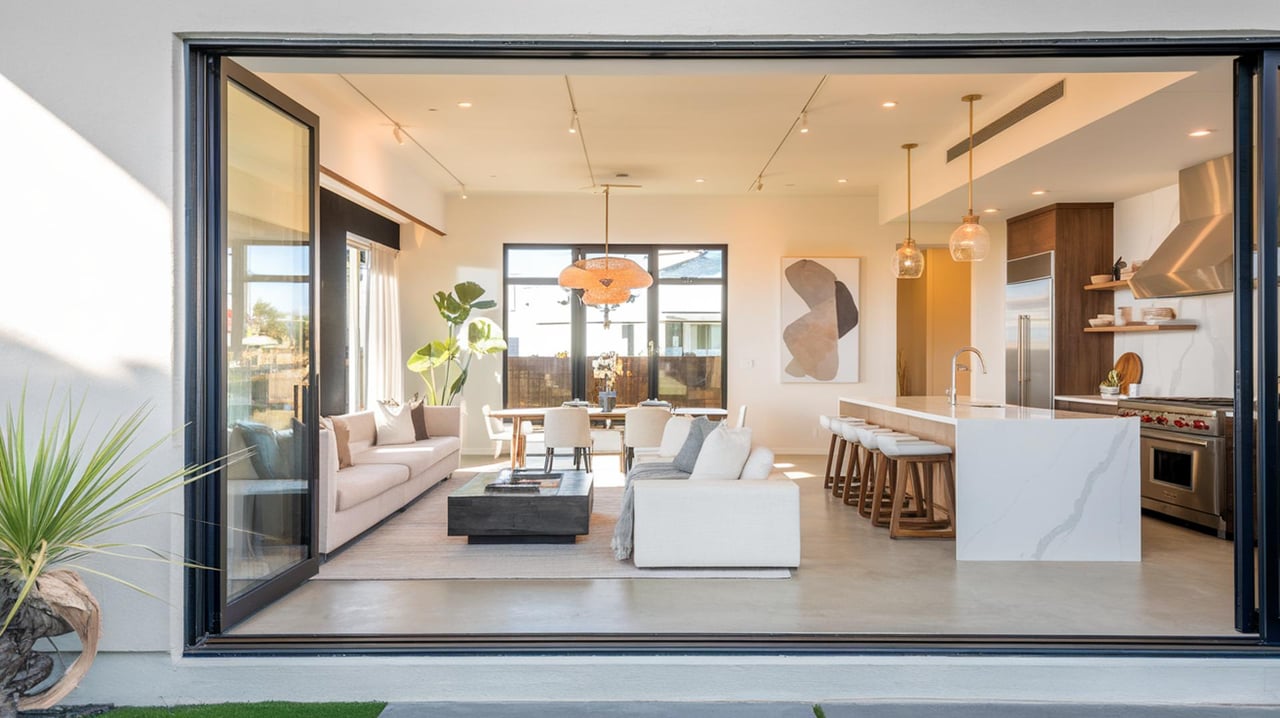
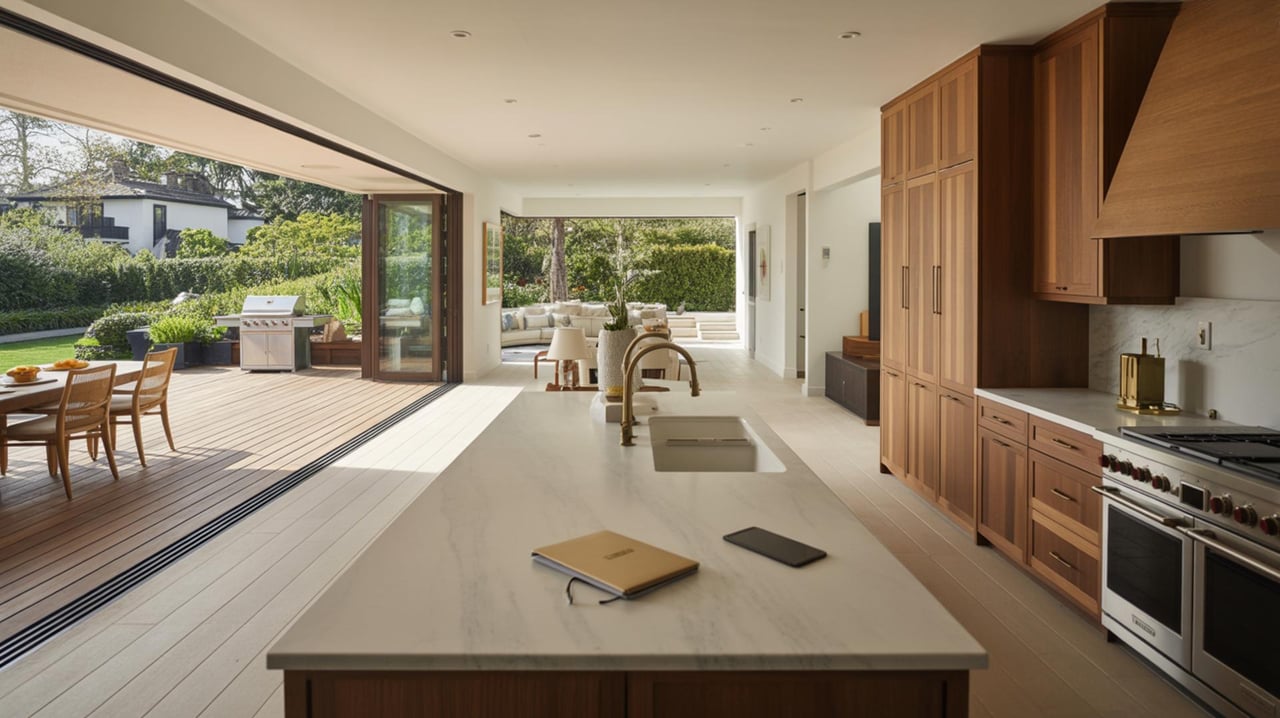
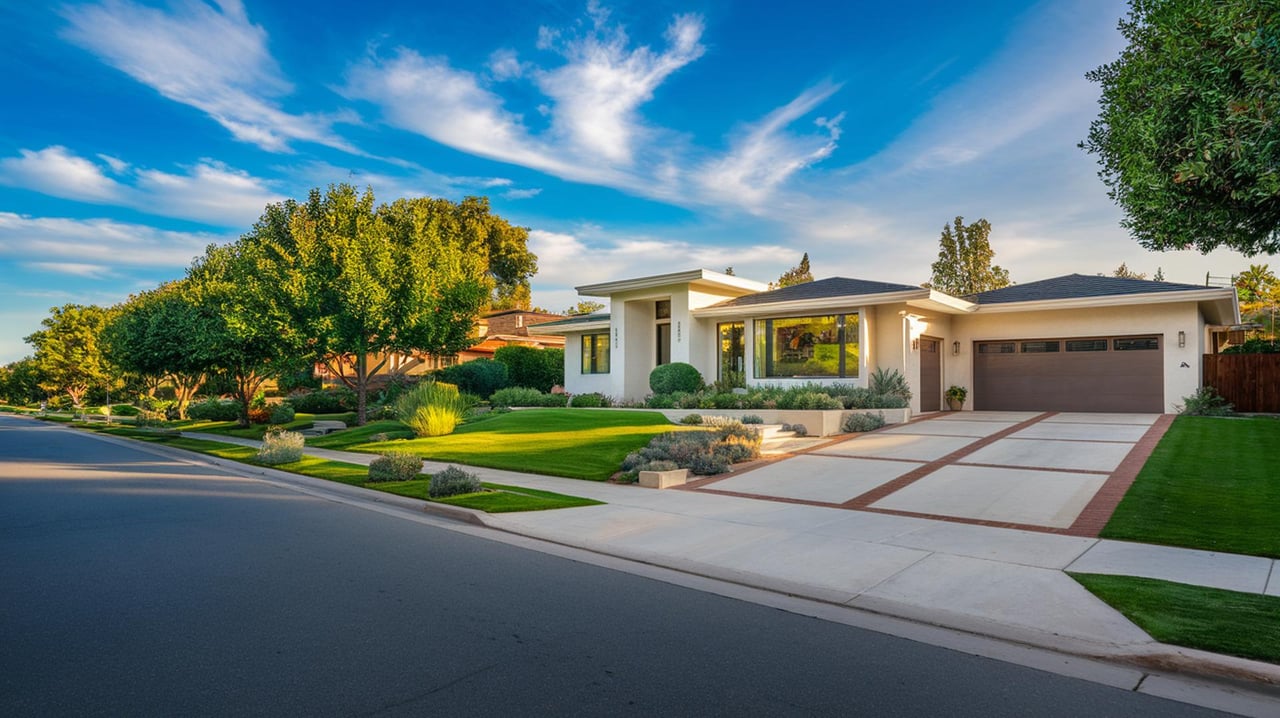
A ranch home is typically a low, single-story house with a broad, horizontal shape. In Fremont’s historic context, ranch homes are described as open in feel, connected to the outdoors, and often designed with generous glass, patios, porches, and sliding doors.
In simple terms, ranch homes are usually about easy circulation and yard connection. You move from room to room on one level, and the layout often supports a relaxed indoor-outdoor lifestyle that still appeals to many Fremont buyers.
Common ranch features
- Single-level living
- Low-profile rooflines
- Horizontal exterior lines
- Living areas that open toward the backyard
- Patios, porches, or sliding glass doors
- Strong connection between indoor and outdoor space
What is a split-level home?
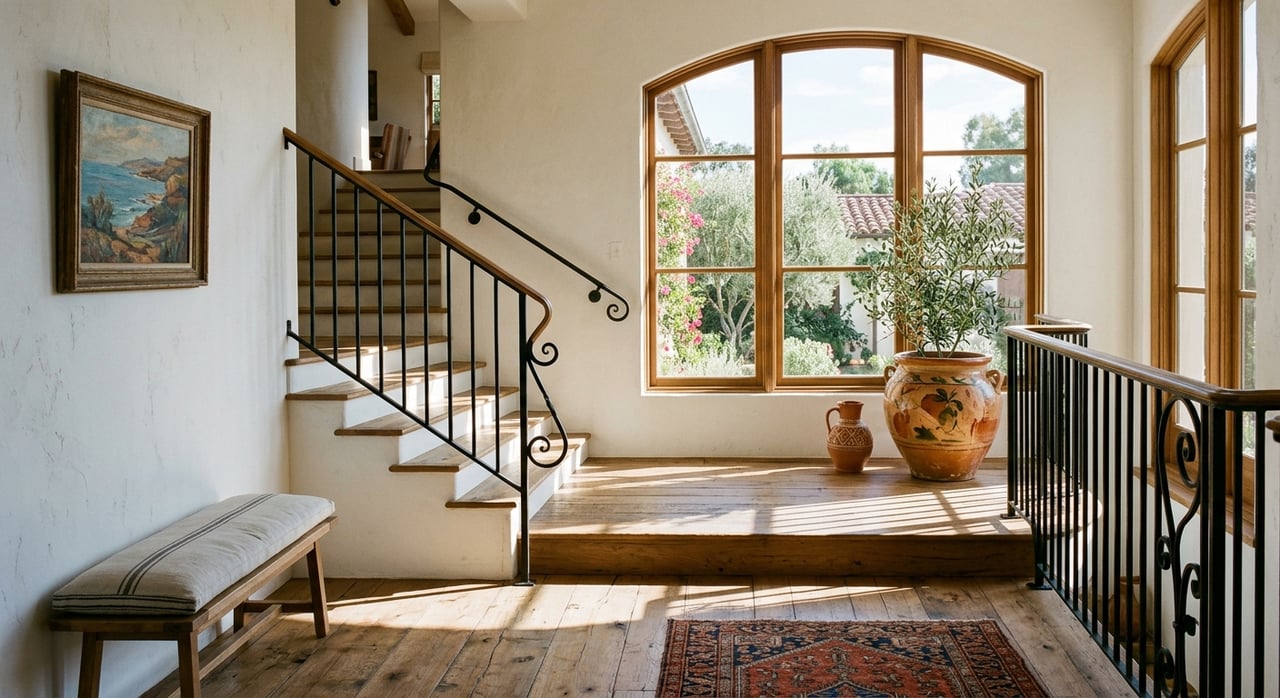
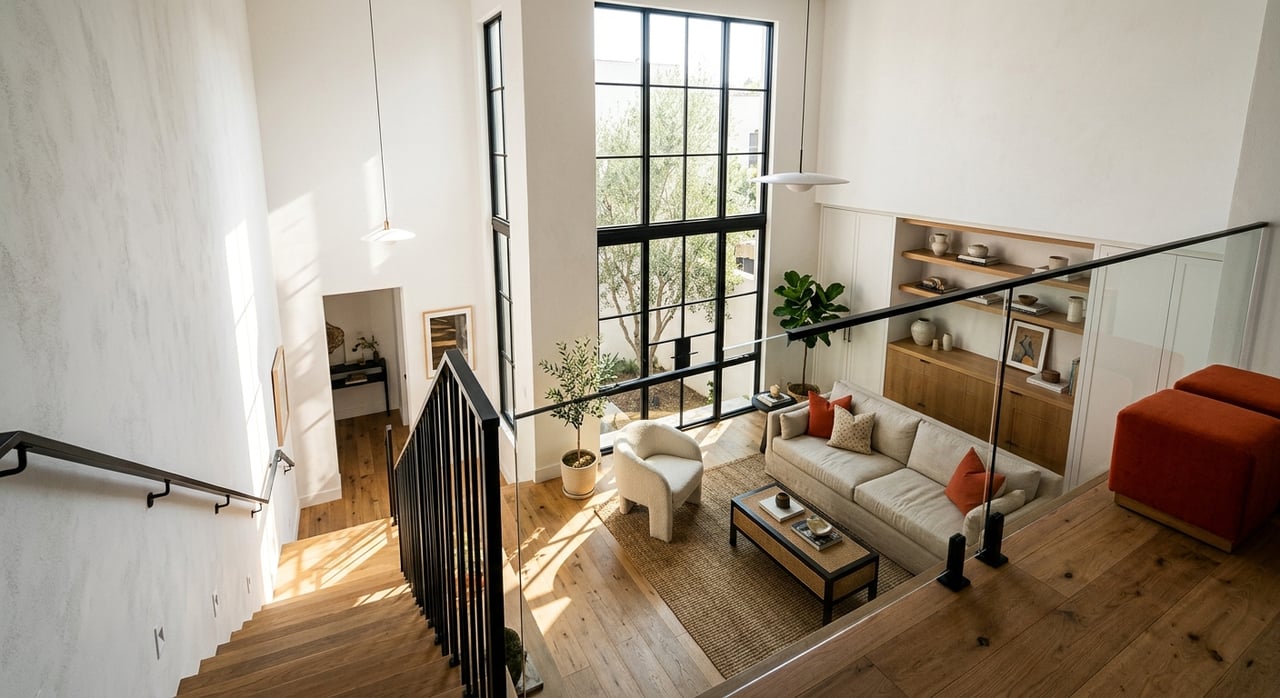
A split-level home divides living space across staggered levels connected by short flights of stairs. Historically, this layout was a mid-century alternative to the ranch, designed to separate activity zones while using the lot more compactly.
In many split-level homes, bedrooms sit on the upper level, while recreation or family space is on the lower level. Some also place the garage at the lowest level, which can make the layout feel efficient but more vertical in everyday use.
Common split-level features
- Multiple staggered levels
- Short stair runs between floors
- Separation between living and sleeping areas
- Lower-level bonus or family space
- Compact footprint on the lot
- Better fit for uneven or sloped sites
Where ranch homes are common in Fremont
If you are looking for a classic Fremont ranch, Centerville is one of the strongest places to start. City historic context documents point to Glenmoor Gardens and Mission Ranch as standout examples of postwar ranch-house neighborhoods.
Glenmoor was laid out in 1951 with deep, wide lots and later developed into curving-street tract neighborhoods. Mission Ranch began in 1955 and built out through the 1960s, making both areas strong examples of the low, single-story neighborhood pattern many buyers associate with Fremont ranch homes.
Ranch homes also fit naturally in other parts of Fremont that developed through conventional postwar subdivision growth, especially around Centerville and Irvington. In these areas, you are more likely to find yard-oriented layouts, original ranch exteriors, and homes with mid-century details that may still influence renovation choices.
Where split-level homes may show up
Split-level homes are less common overall, but they can make more sense near Fremont’s east-side and hillside-edge neighborhoods. The Mission San Jose Community Plan Area includes neighborhoods such as Cameron Hills, Mission Highlands, Mission Hills, Mission Valley, Vineyard Hills, and Weibel, and the area is characterized by lower densities, canyon vistas, and hillside conditions in many places.
Because split-level homes are especially suited to uneven terrain, buyers may find more likely split-level candidates in these hill-adjacent areas than in flatter ranch tracts. This is a practical inference based on the city’s terrain and the documented strengths of split-level design, not a citywide count.
Warm Springs tends to be more mixed. The city’s general plan notes that most of the area is developed with single-family homes, along with some higher-density residential pockets, so it is often part of the broader comparison for buyers deciding between a single-level or multi-level plan.
Ranch vs split-level daily living
The best layout often comes down to how you want to live each day. Both styles can work well in Fremont, but they support different routines.
Why buyers like ranch homes
Ranch homes are usually the easier choice for simple circulation. Everything is on one level, which can make daily movement feel more natural and can offer more flexibility over time.
Many Fremont ranch homes also have a strong visual and physical relationship to the backyard. If you value easy outdoor access, entertaining on a patio, or a more open flow between living spaces and the yard, ranch homes often deliver that well.
Why buyers like split-level homes
Split-level homes often appeal to buyers who want separation between spaces. You may like having bedrooms set apart from main living areas or lower-level space that feels distinct from the rest of the house.
That kind of zoning can be useful if you want multi-zone living, a quieter work-from-home setup, or bonus space with a different feel. On a sloped lot, the lower level may also have a walk-out quality that adds flexibility.
Renovation potential in Fremont
In Fremont, your layout choice should not stop with what feels good on day one. It should also include what you may want to change later and how that work fits the lot, neighborhood, and permit rules.
Renovating a ranch home
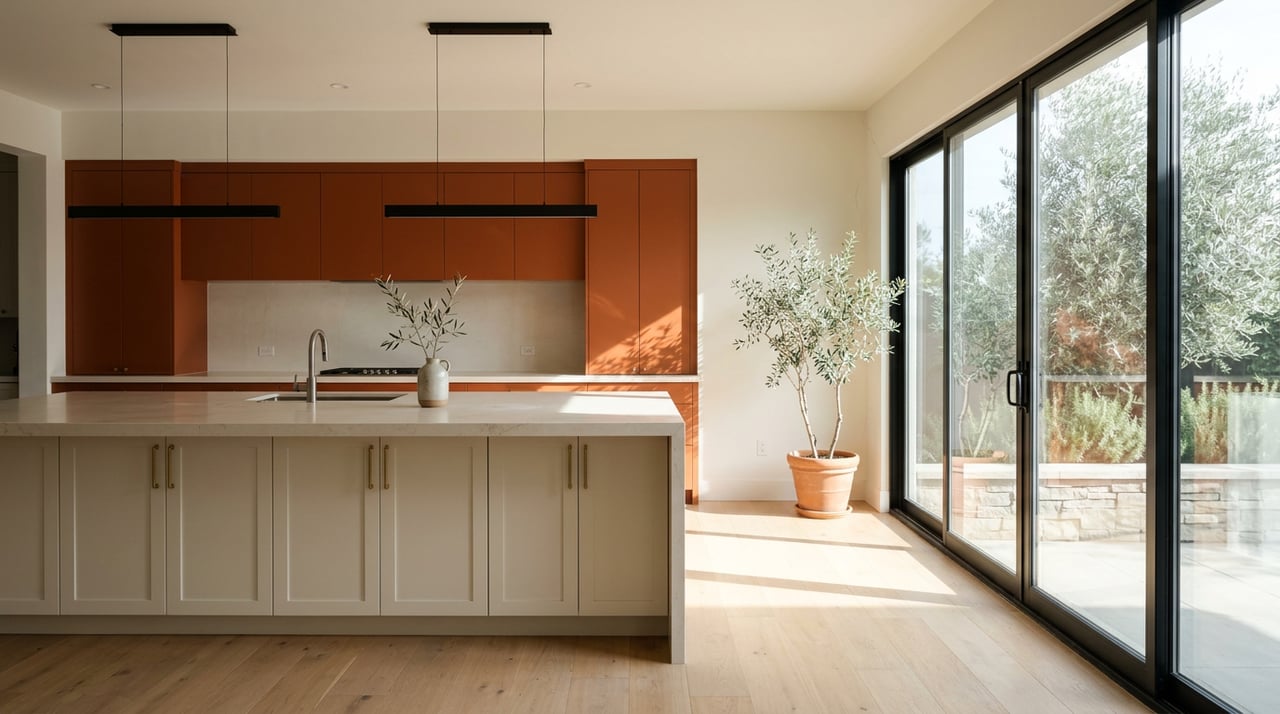
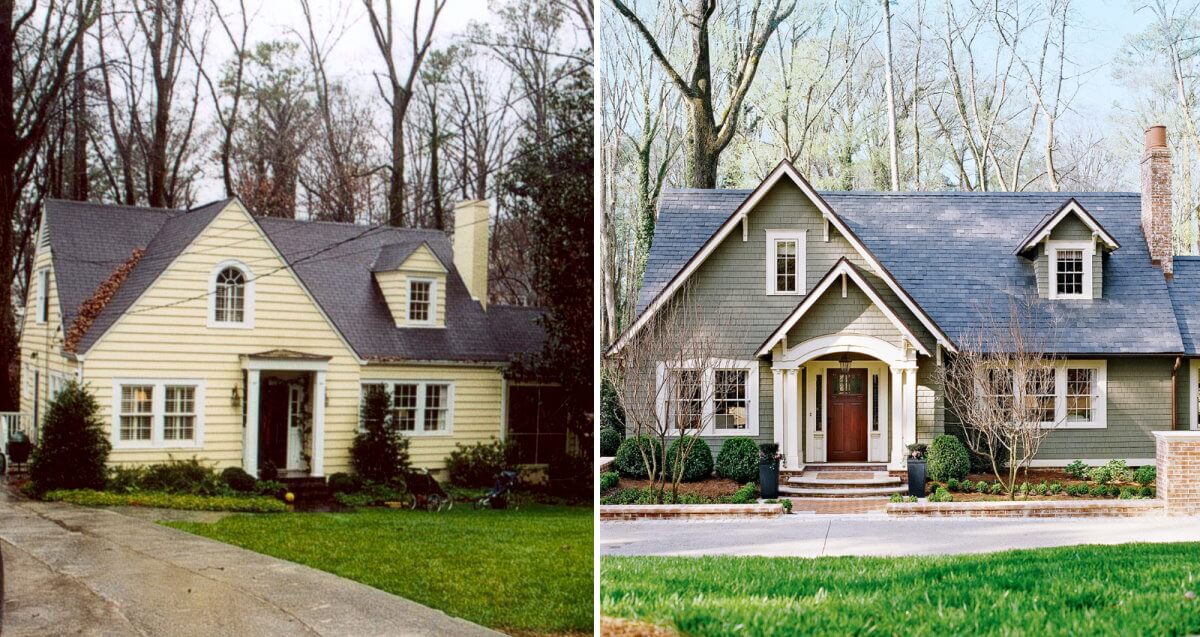
Ranch homes often have strong renovation appeal because the original form already supports flow. Buyers commonly focus on opening kitchens, improving rear-facing light, and making additions that preserve the home’s low horizontal character.
Fremont’s Glenmoor design guidelines emphasize compatibility in roof forms, windows, doors, garage detailing, and overall massing. They also favor horizontal additions and privacy-conscious window placement, which is helpful to know if you are buying in an area where original ranch character still matters.
If a home is considered an eligible historic home, Fremont’s objective design standards effective March 5, 2025 may apply to exterior alterations and additions. That makes it especially important to check review requirements before assuming a remodel plan will be straightforward.
Renovating a split-level home
Split-level homes can offer good upside, but the design questions are different. The main issue is whether the level changes support your lifestyle now and still work for you in the future.
A split-level can be appealing if you want distinct zones or lower-level space that could function as an office or flexible living area. But if your goal is a fully open plan, the staggered structure may add complexity compared with a typical ranch layout.
Permits and planning matter
Fremont’s Planning and Building divisions review projects for compliance with current building code and local regulations. The city also provides ADU guidance, which means your long-term plans should always be evaluated against the actual site conditions and permit path for that specific property.
That is one reason design-informed advice matters so much in Fremont. A layout that looks promising online may have very different potential once you factor in lot shape, slope, neighborhood character, and city review standards.
Quick comparison table
| Feature | Ranch Home | Split-Level Home |
|---|---|---|
| Main layout | Single story | Staggered levels |
| Everyday circulation | Simpler, step-free within the home | Requires regular stair use |
| Outdoor connection | Often strong | Varies by site and design |
| Best lot type | Flat, wider lots | Sloped or uneven lots |
| Space separation | More open and connected | More distinct zones |
| Remodel goals | Often easier for open flow updates | Can work well for multi-zone living |
Which layout may fit you better?
If you want simple circulation, easy backyard access, and a layout that often supports clean renovation moves, a ranch home may be the better fit. In Fremont, it is also the more common and lower-friction choice because it aligns with the city’s postwar development pattern.
If you prefer separation between living zones, do not mind stairs, and are shopping in hill-adjacent parts of Fremont, a split-level may be worth serious consideration. It can offer a more distinctive mid-century feel and may make better use of a sloped site.
The right answer depends on how you live, what kind of lot you want, and how much future updating you expect to do. When you look beyond square footage and focus on layout, circulation, and renovation potential, you are much more likely to choose a Fremont home that fits both your life and your long-term goals.
If you are comparing homes in Fremont and want a design-informed perspective on layout, renovation potential, and resale considerations, the Nivi Das Team can help you evaluate the options with clarity.
FAQs
What is the main difference between ranch and split-level homes in Fremont?
- Ranch homes are usually single-story with a horizontal layout, while split-level homes use staggered floors connected by short stairs.
Where are ranch homes most common in Fremont?
- Ranch homes are especially associated with Centerville areas such as Glenmoor Gardens and Mission Ranch, along with other postwar subdivision areas around Centerville and Irvington.
Where might buyers find split-level homes in Fremont?
- Split-level homes may be more likely near Fremont’s east-side and hillside-edge neighborhoods, including parts of the Mission San Jose plan area, because that terrain suits the layout.
Are ranch homes easier to renovate in Fremont?
- They often are, especially for buyers who want better flow, open kitchens, and stronger indoor-outdoor connection, but any remodel still needs to follow Fremont’s current permit and design review rules.
Are split-level homes a good choice for sloped lots in Fremont?
- Yes, split-level homes are generally well suited to uneven terrain and can make efficient use of hillside or sloped sites.
What should Fremont buyers check before remodeling either layout?
- You should review the property’s lot conditions, slope, neighborhood context, permit requirements, and whether any historic or design standards apply to exterior changes.