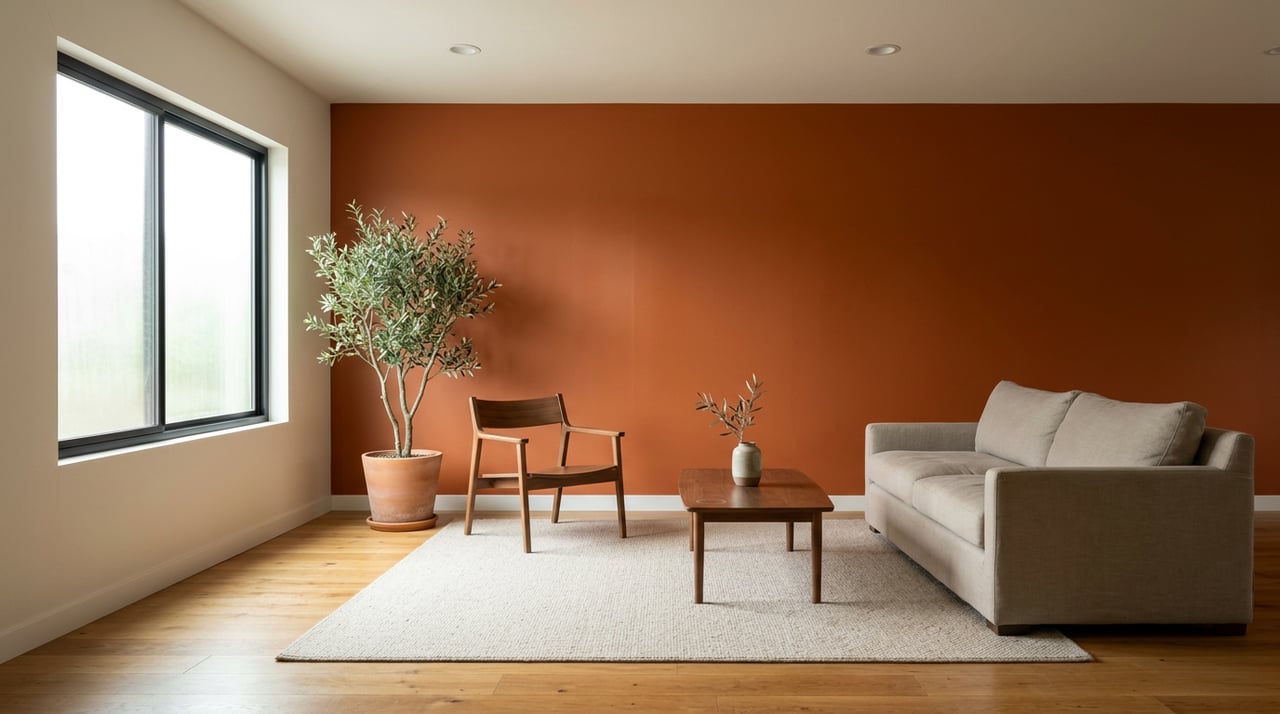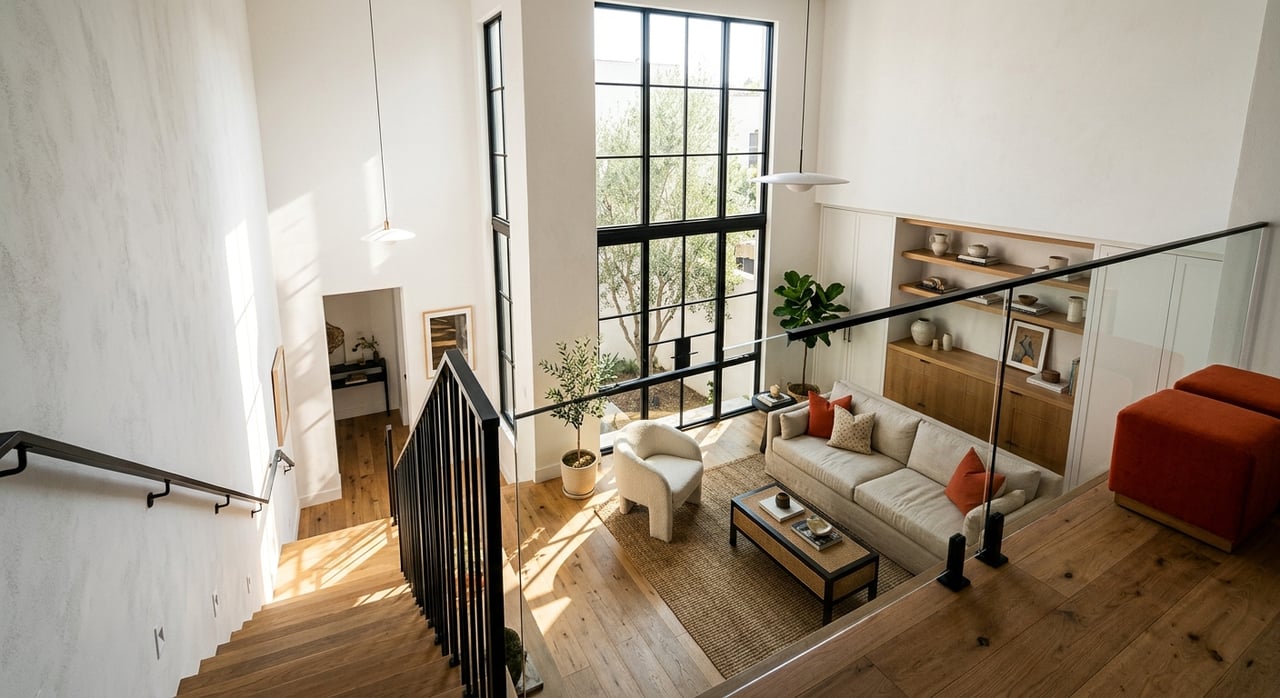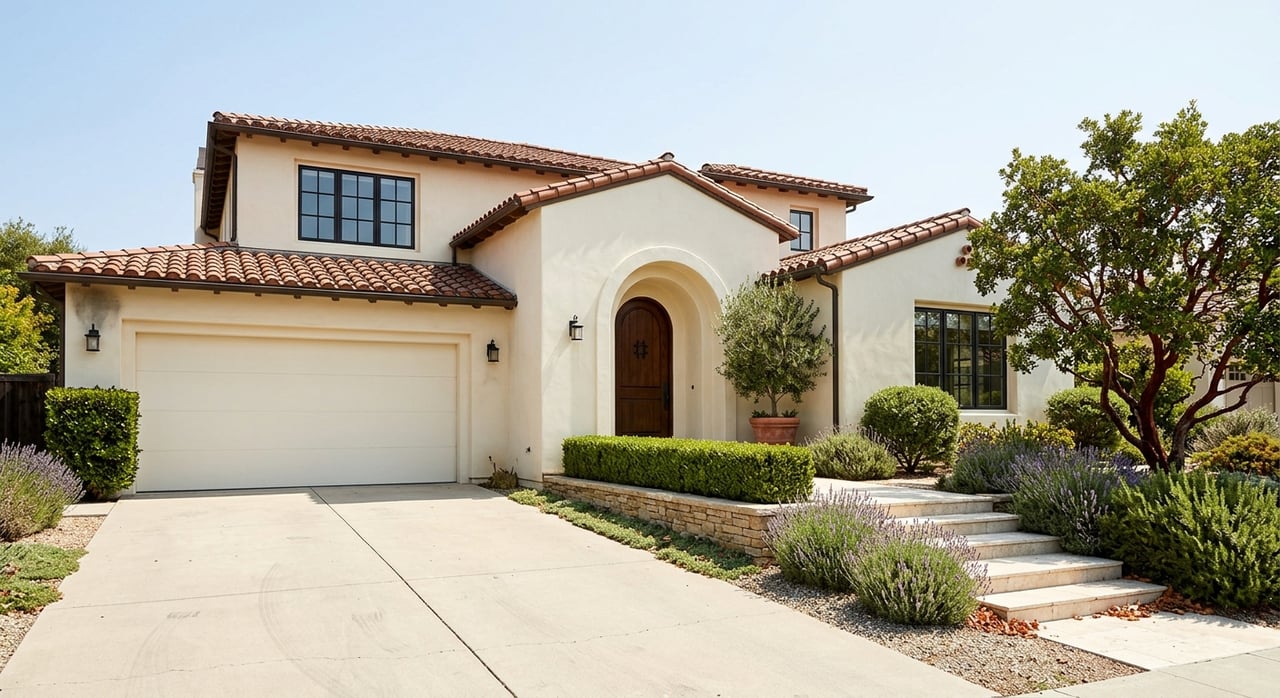

Trying to choose between a newer Milpitas community and an established neighborhood? You are not alone. In a city where newer transit-oriented homes sit alongside mature single-family areas, the right fit often comes down to how you want to live day to day. This guide will help you compare layout, maintenance, commute access, outdoor space, and neighborhood feel so you can narrow your search with more confidence. Let’s dive in.
Why This Choice Matters in Milpitas
Milpitas offers a mix that is not always easy to find in one compact Silicon Valley city. The city has an estimated 78,596 residents in 2025, more than 20,000 households, and a housing stock that is still mostly single-family, with 69.8% of units classified as single-family as of January 2022.
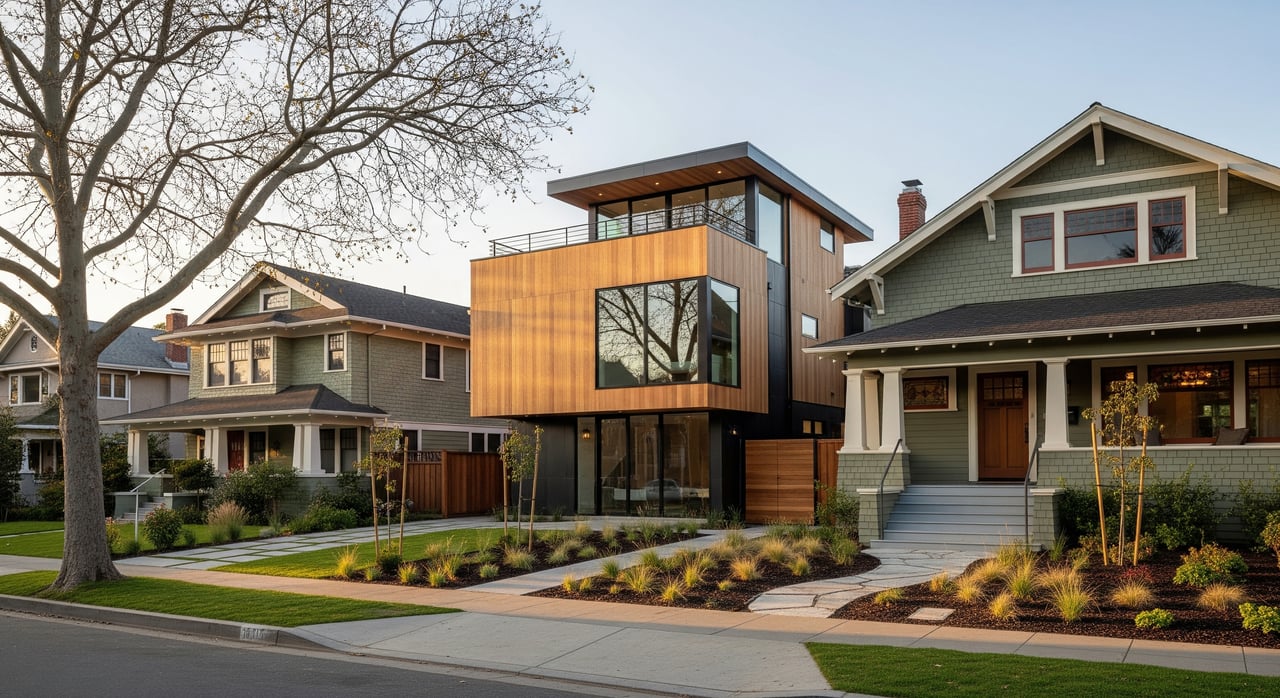
At the same time, Milpitas has been adding newer housing in transit-focused and mixed-use areas. That creates a real side-by-side choice for buyers. You may be deciding between a newer attached home near BART and light rail or an older detached home in a mature residential area.
Milpitas is also well positioned for commuting and daily errands. Most of the city’s 13.63 square miles sits between I-880 and I-680, with State Route 237 and a county expressway crossing the city, and the Milpitas BART extension opened in June 2020.
What Newer Milpitas Communities Offer
Much of Milpitas’s newer growth has been planned around transit and mixed-use development. The city’s Metro Specific Plan area includes the BART station, new housing, parks, a grocery store, and additional shops under development.
The Gateway-Main Street Specific Plan reflects a similar direction. The city says this roughly 1,000-acre area has seen approval or construction of 1,200 housing units, reinvestment in the Great Mall, and the Tasman East light rail extension.
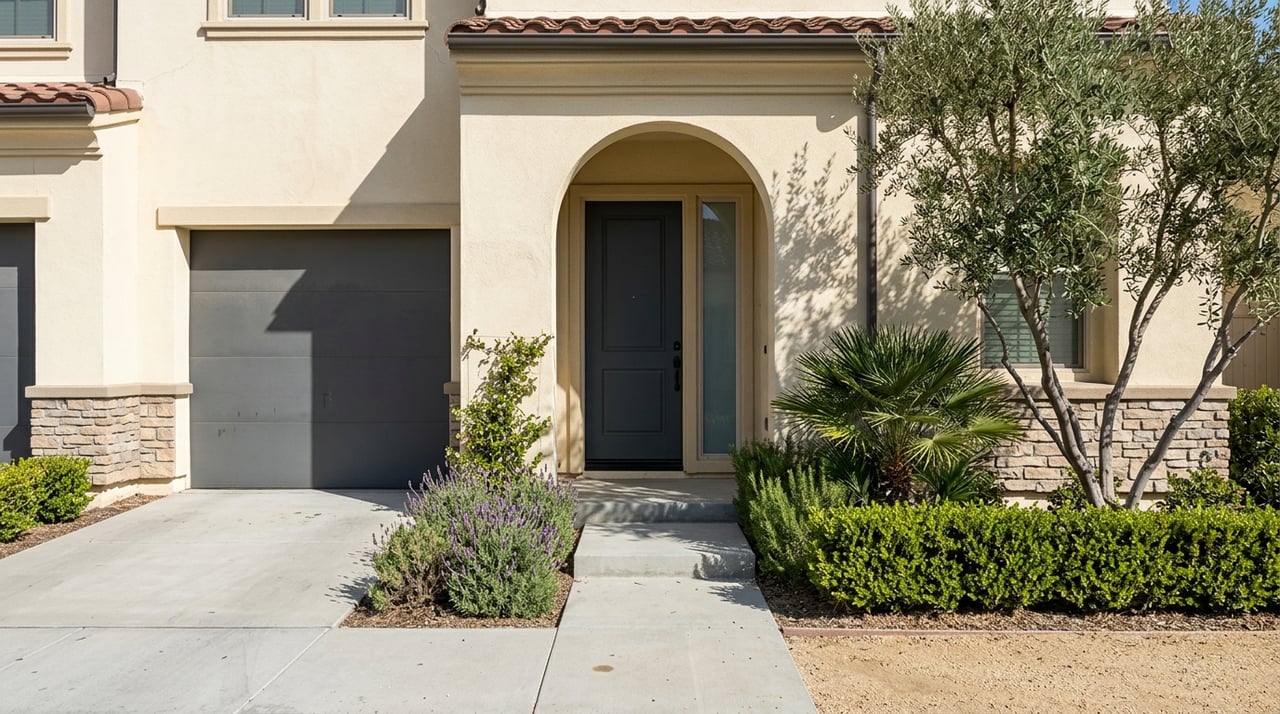
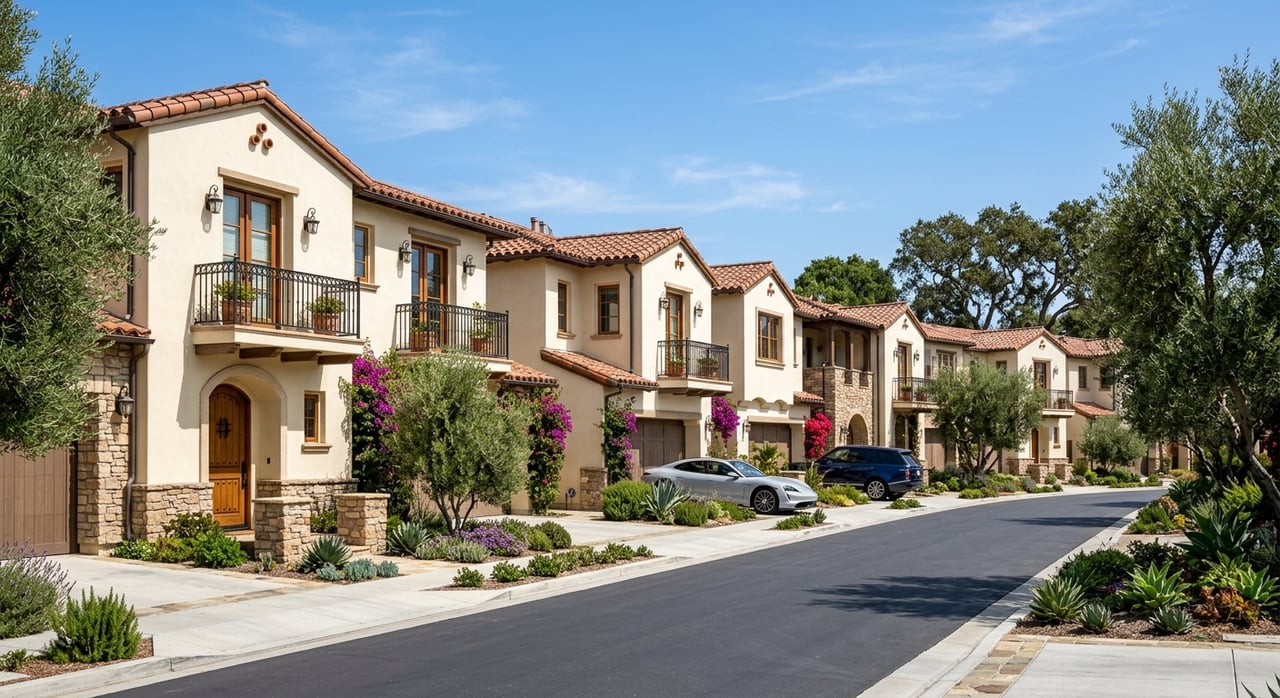
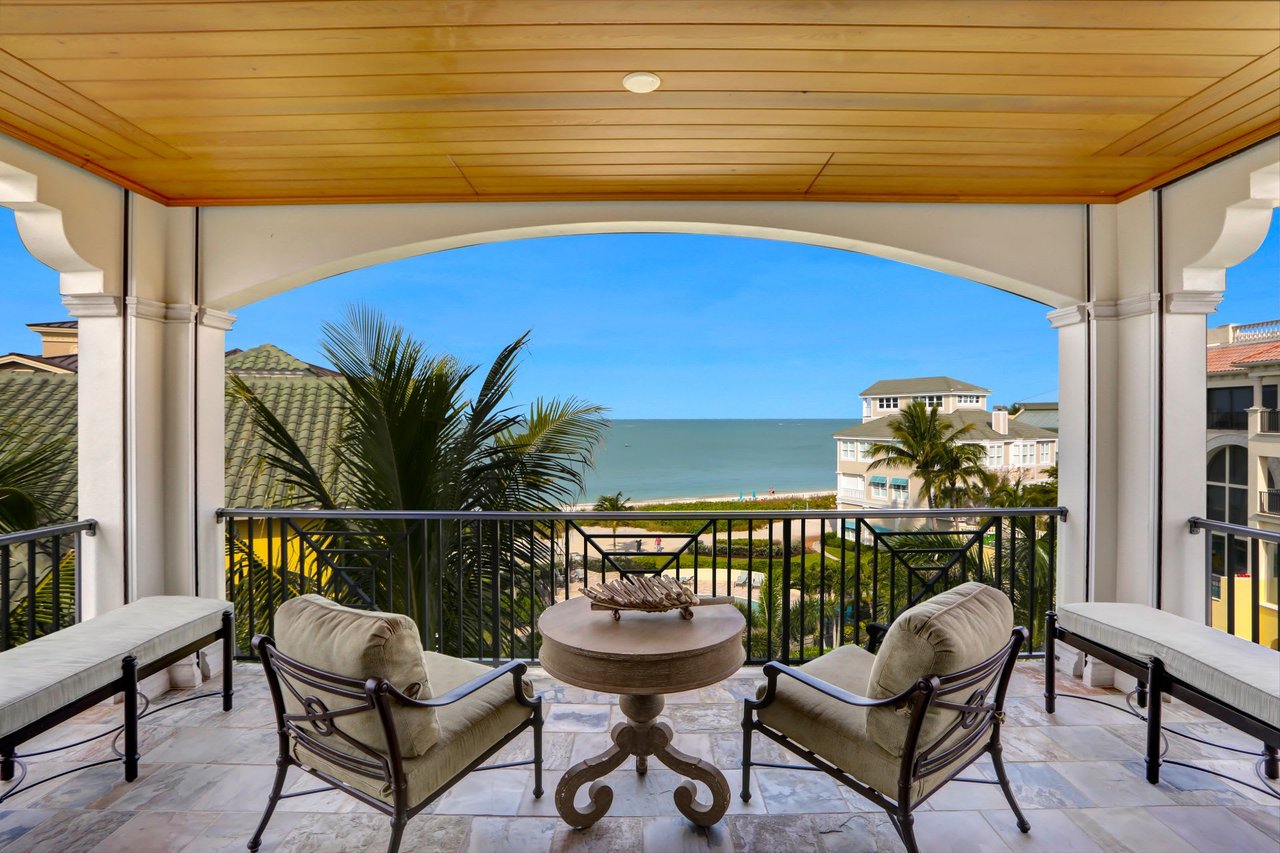
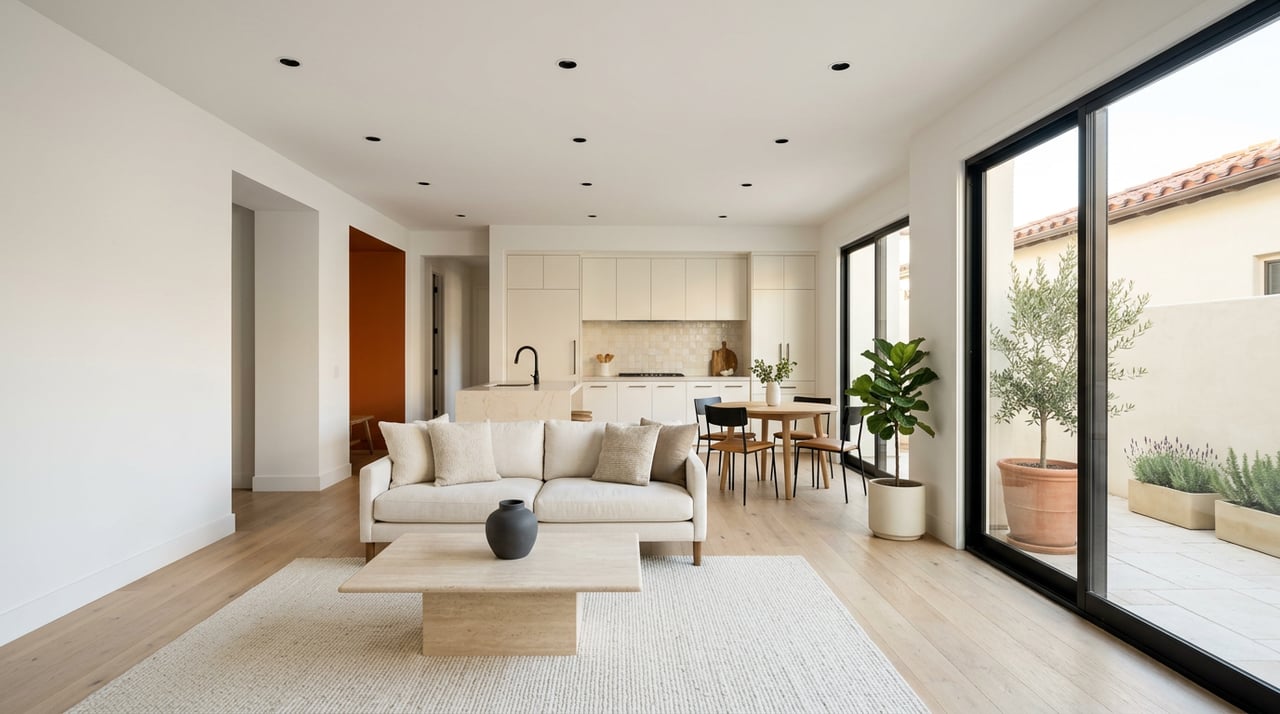
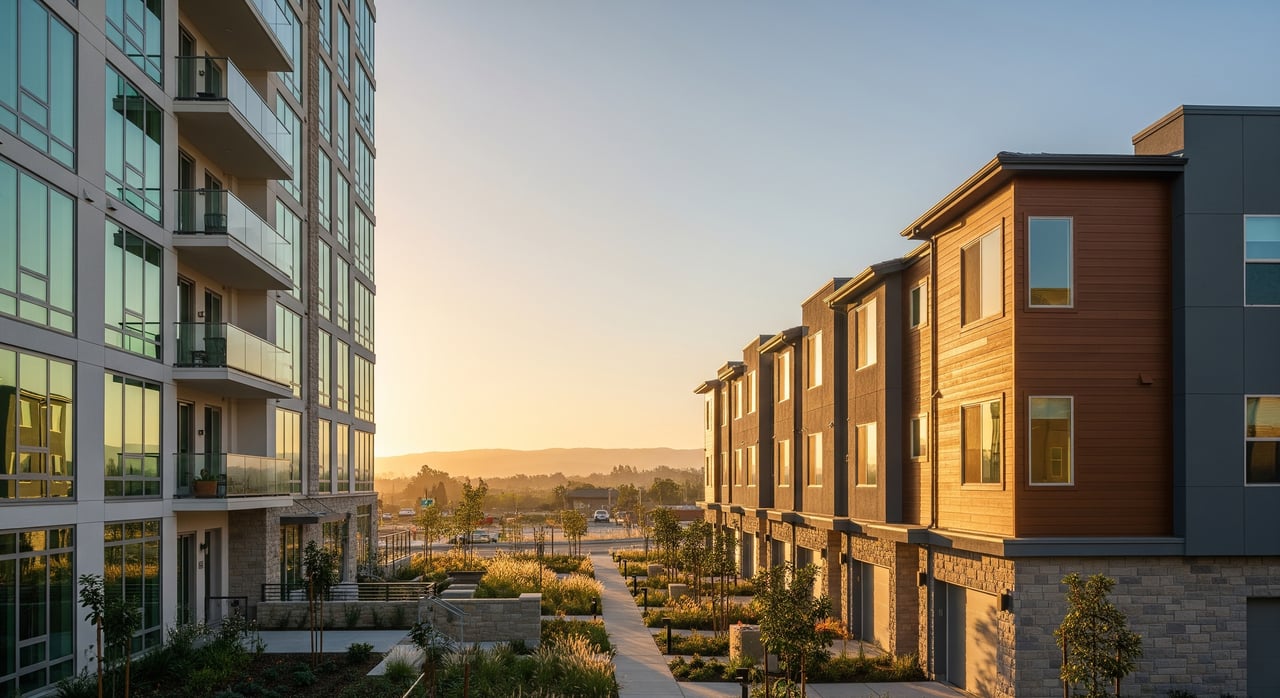
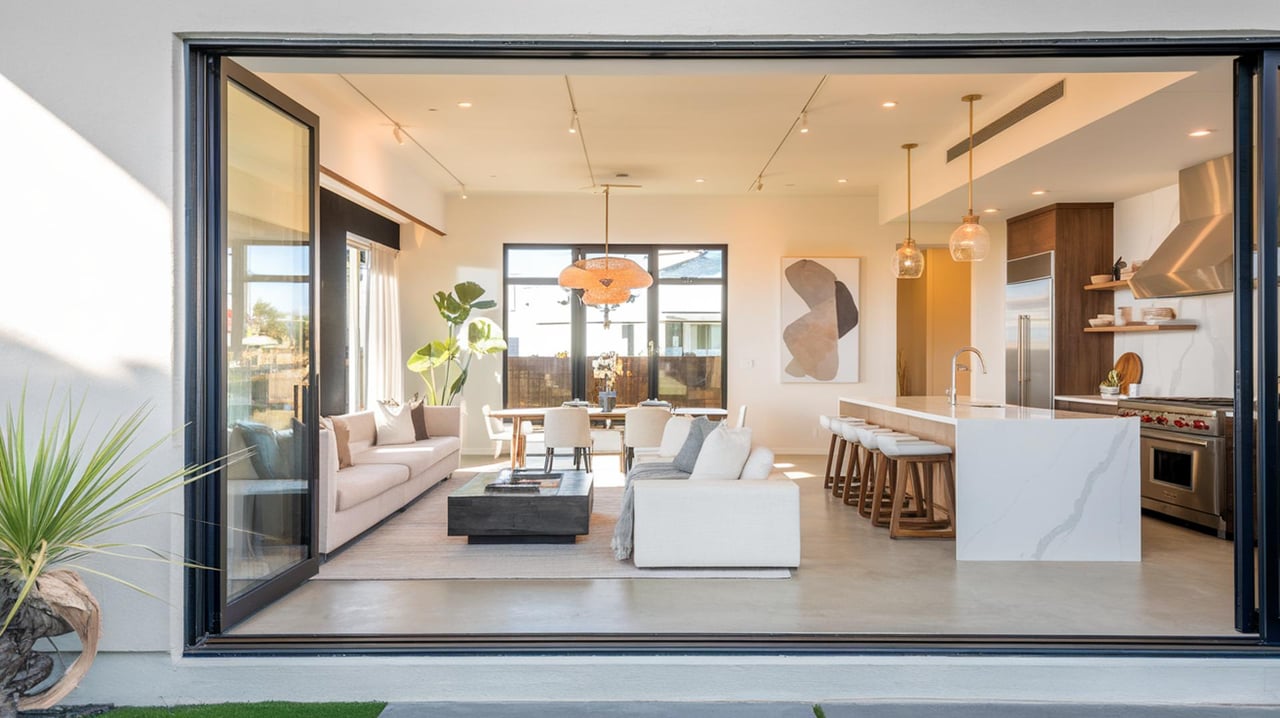
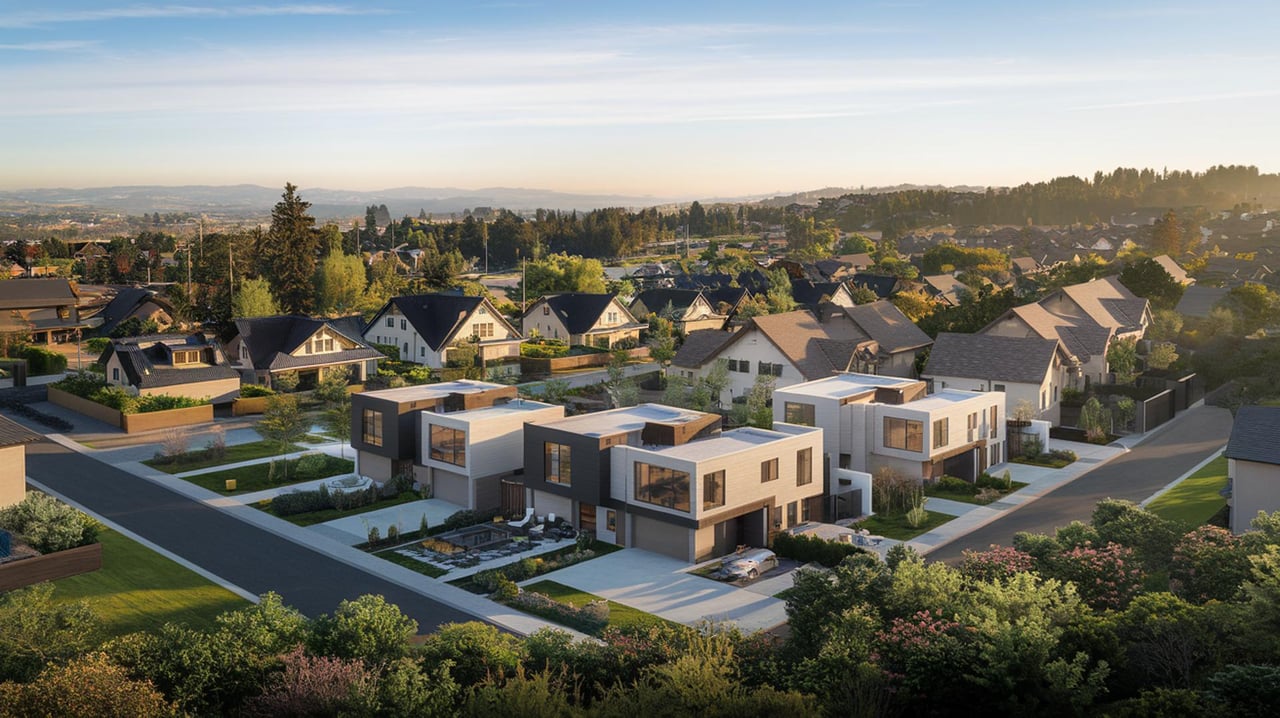
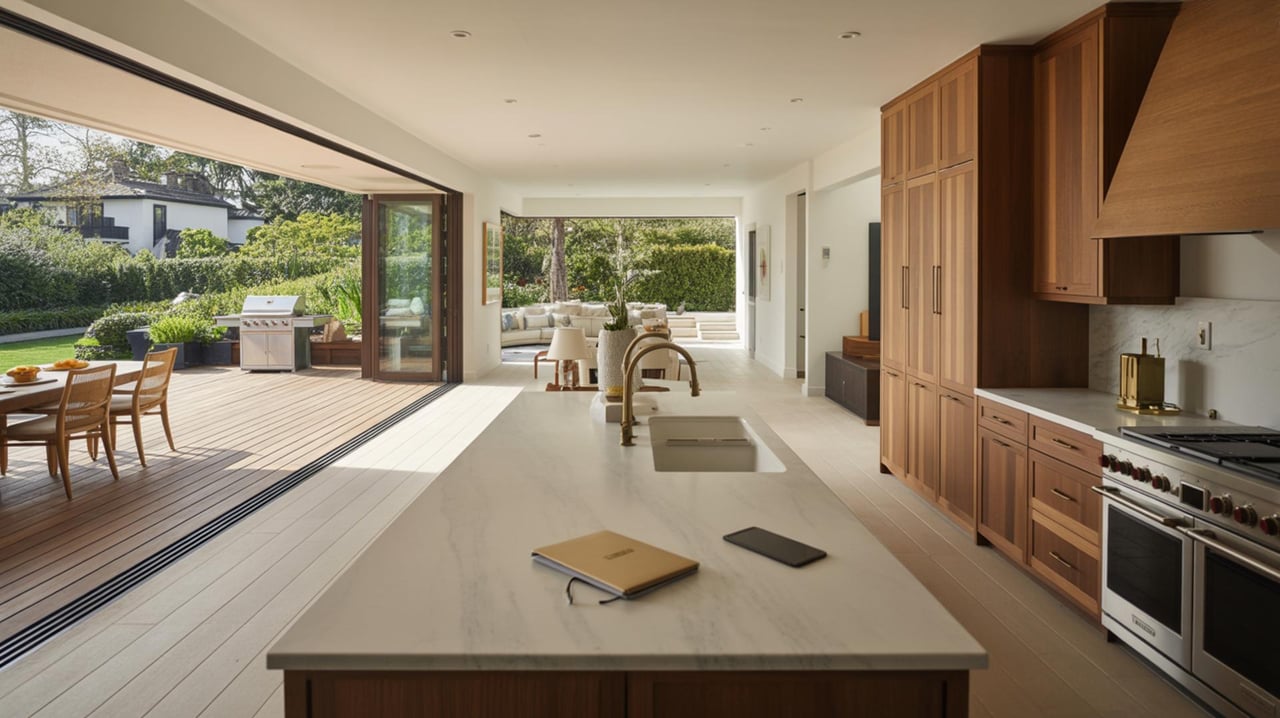
In practical terms, newer Milpitas communities often focus on convenience and efficient design. Many of today’s new-home options are condos or townhome-style homes with compact footprints, open main living spaces, attached garages, decks or balconies, and shared outdoor amenities.
Examples in Milpitas help show that pattern. The District by Pulte includes condominium and townhome homes in 3- and 4-story buildings, ranging from 1,518 to 2,175 square feet, with features like open living areas, decks, a community park, and a playground.
Parkside West by Toll Brothers offers 3-story townhome-style condos from 1,270 to 2,200 square feet with 2 to 4 bedrooms, attached 2-car garages, and proximity to Milpitas BART and VTA Light Rail. Pinnacle by City Ventures also reflects the newer-home trend, with compact modern plans and balcony space.
Common Features in Newer Communities
If you lean toward newer construction, you will often see:
- Open-concept living, dining, and kitchen areas
- Attached garages
- Decks or balconies instead of large private yards
- Shared amenities such as parks or playgrounds
- Locations near transit or major mixed-use corridors
- Lower exterior upkeep compared with many older detached homes
For many buyers, that combination works well when time, commute, and simplicity matter most.
What Established Milpitas Neighborhoods Offer
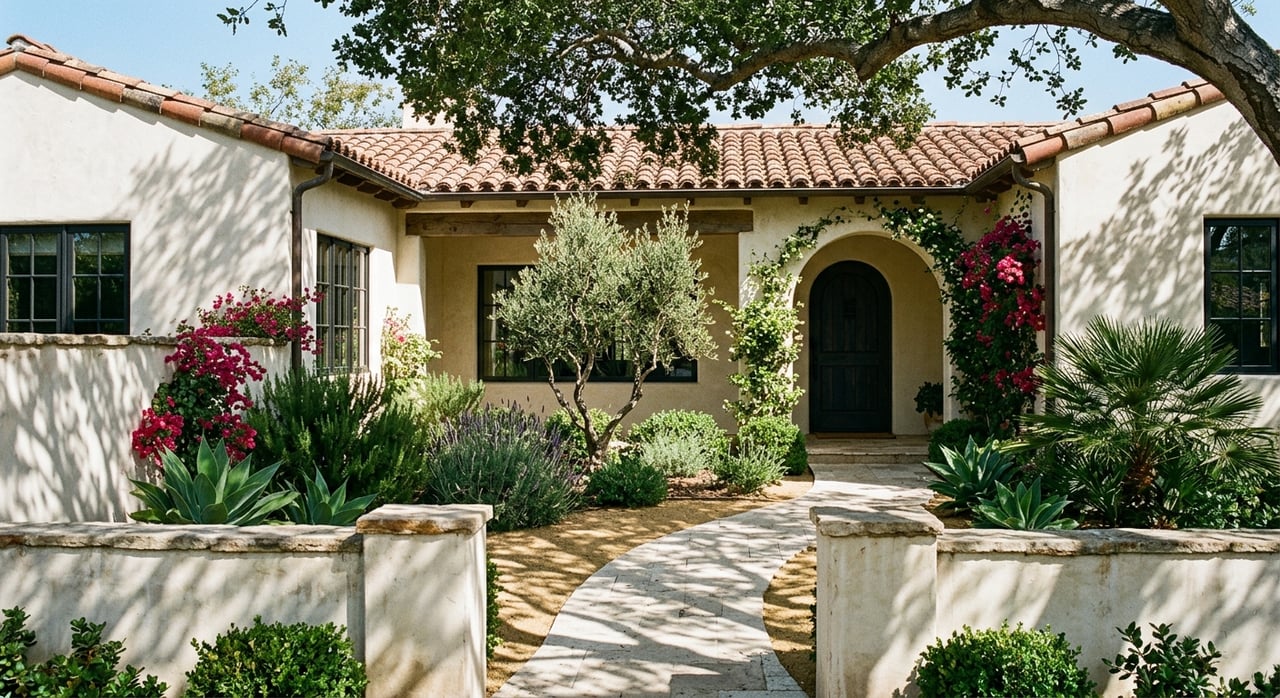
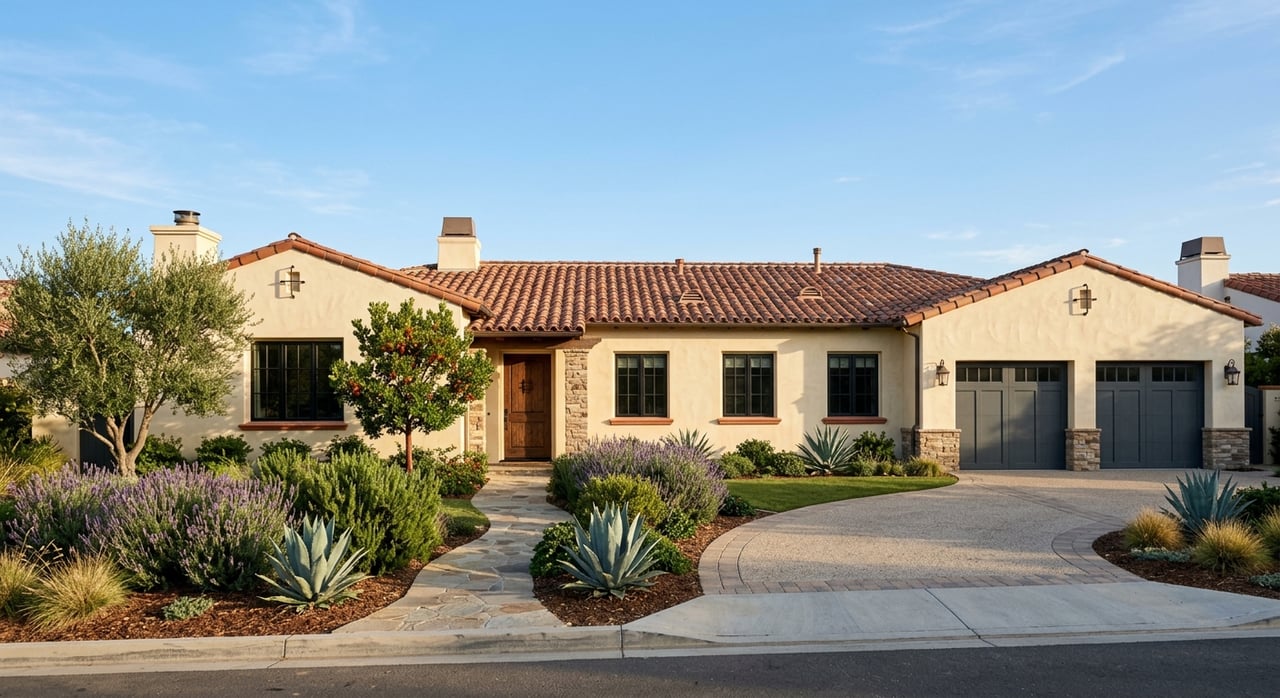
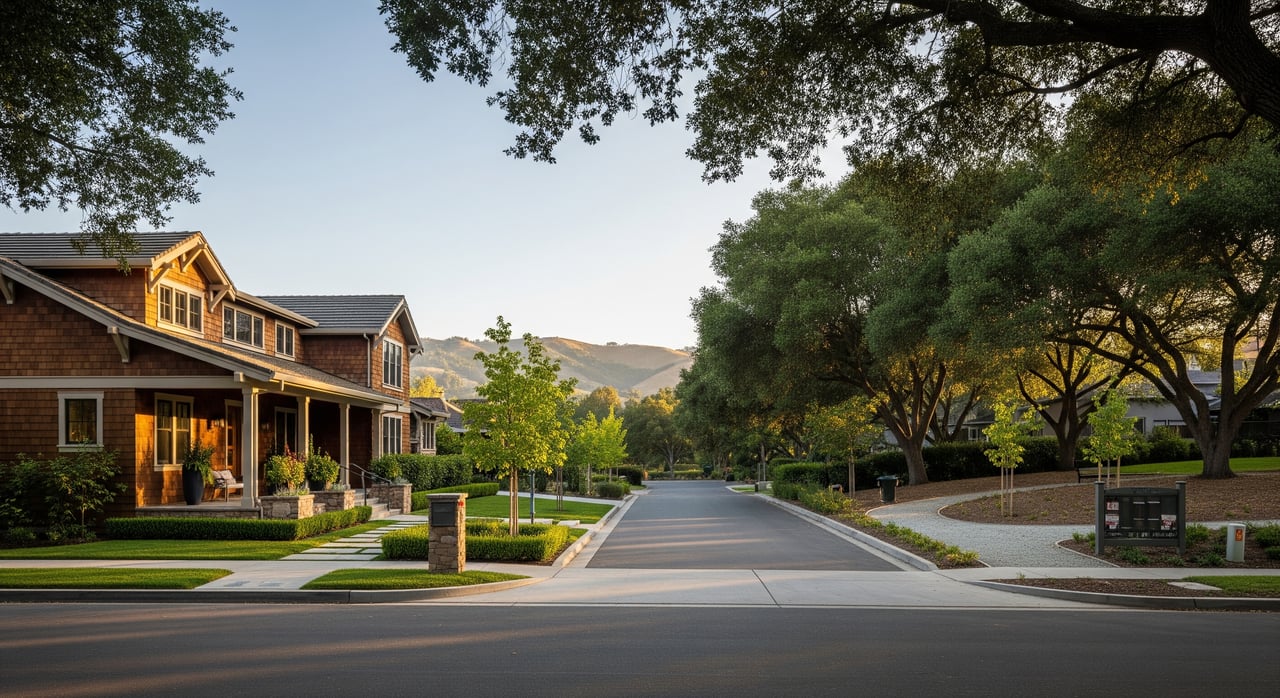
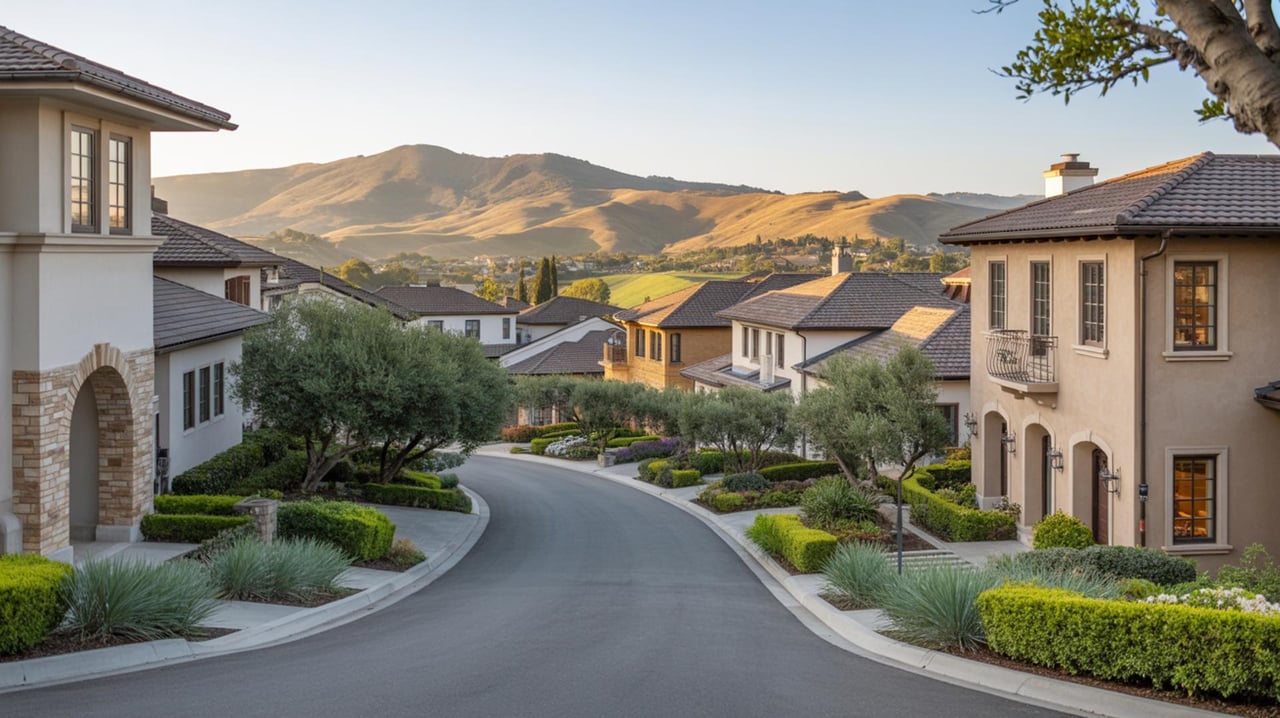
Milpitas also has several mature residential areas that feel different from the newer planned districts. The city’s Housing Element describes North Abbot Avenue as a mature residential area with established single-family homes along with apartments, townhomes, and condominiums.
The Pines is described as a mature neighborhood with single-family homes and duplexes. Sunnyhills is identified as a historic, integrated neighborhood first developed with the Ford factory and now characterized by mature single-family residential areas and small-scale retail.
Other areas such as North Park Victoria-Kennedy and South Park Victoria-Yosemite are described by the city as well-established mature single-family neighborhoods. Town Center stands out as a middle-ground option because it mixes mature single-family neighborhoods with newer medium-density homes and townhomes.
What the Established Feel Often Means
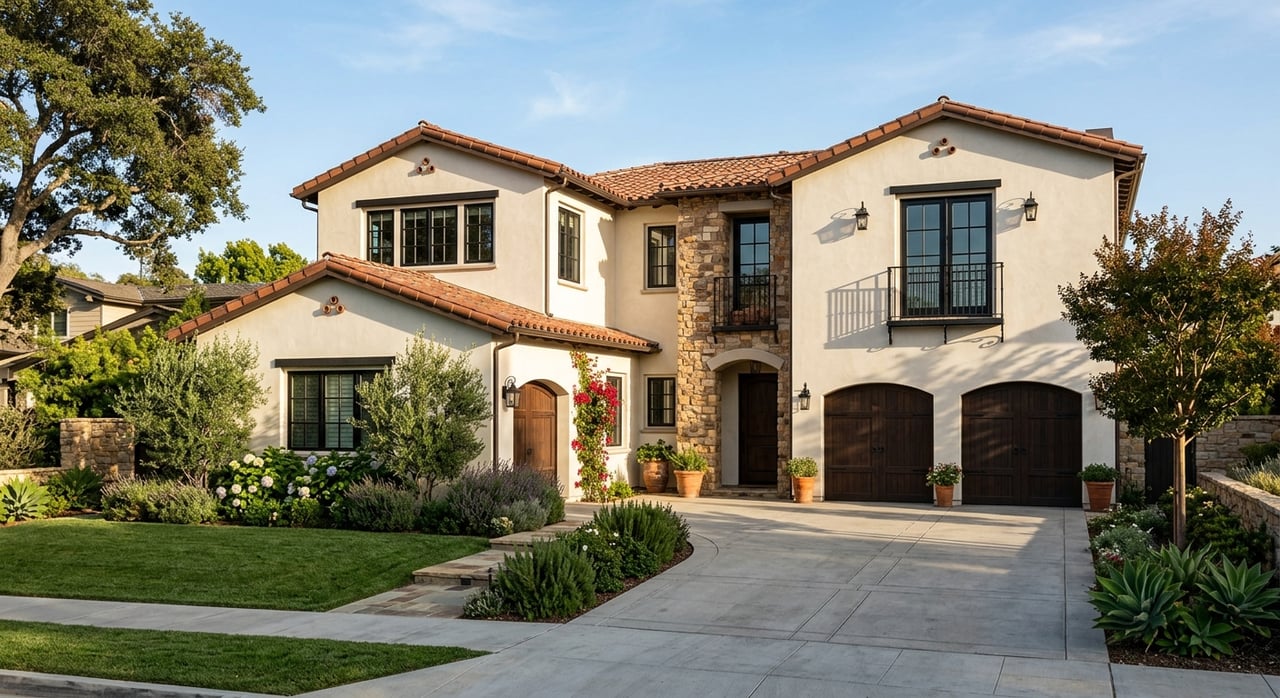
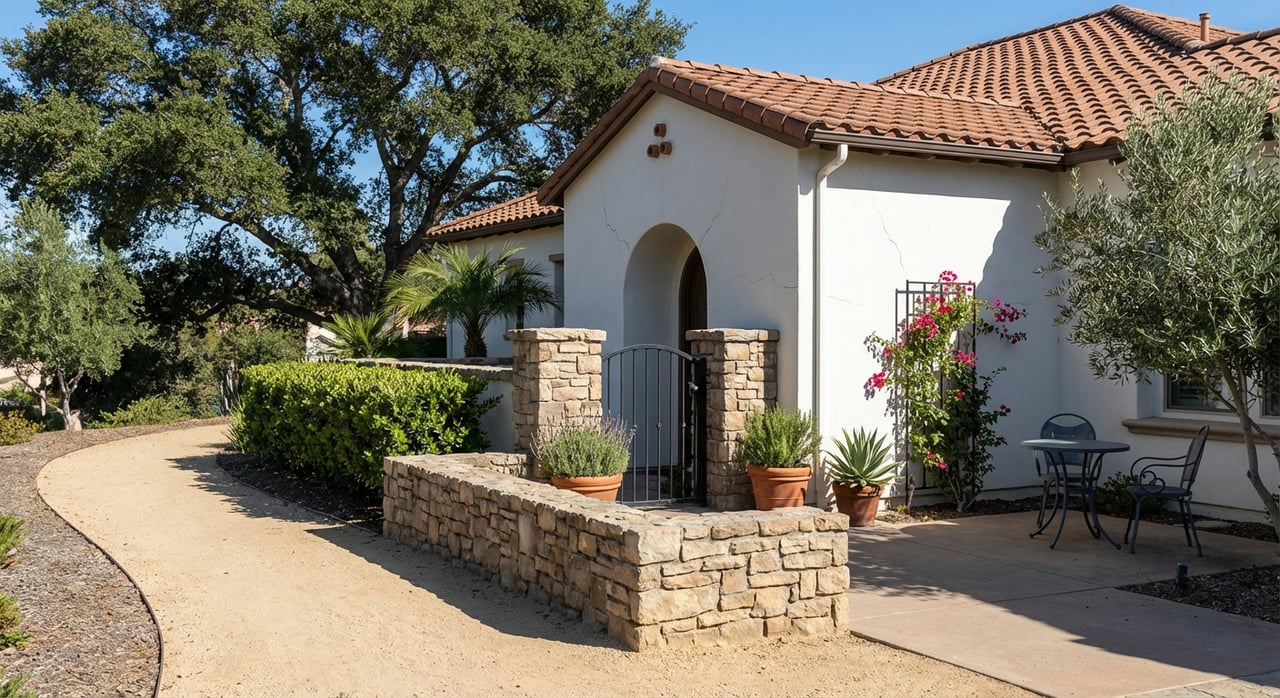
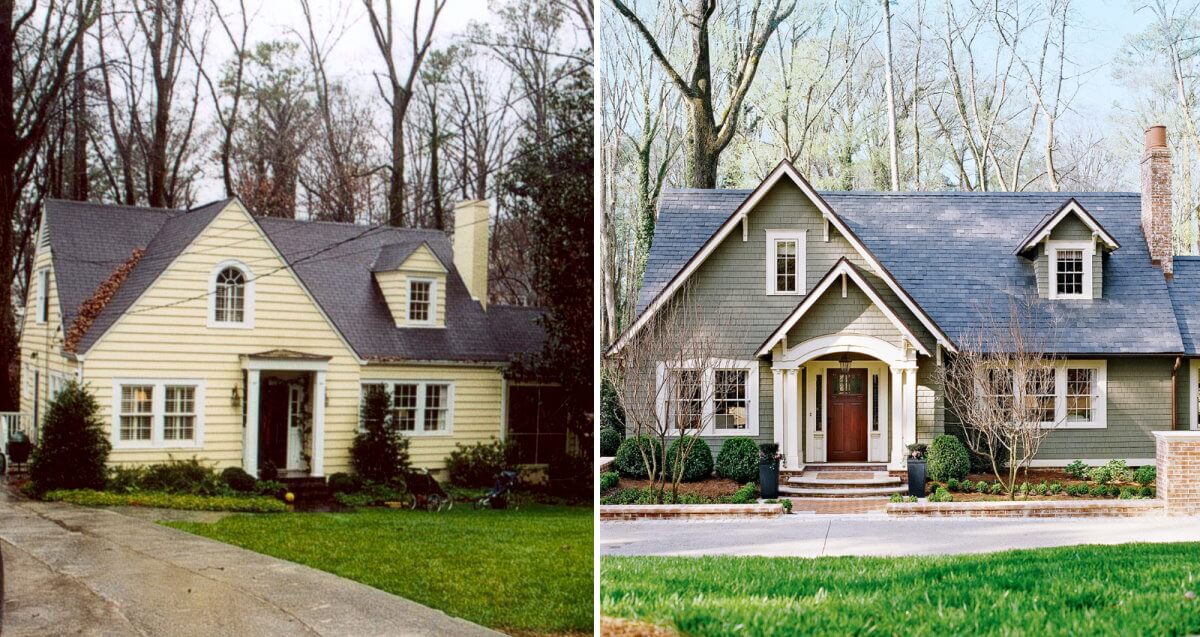
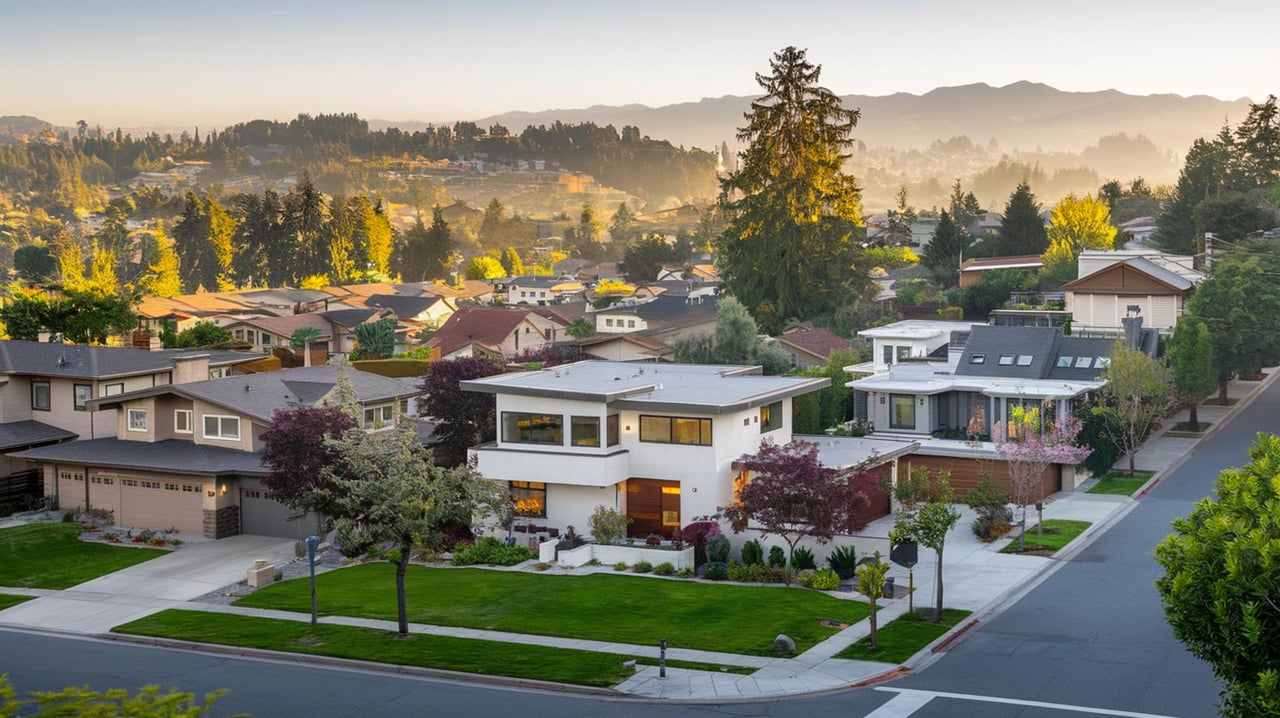
In older Milpitas neighborhoods, you are more likely to find a wider range of home ages, layouts, lot conditions, and renovation levels. Homes can feel less standardized from one property to the next, which appeals to buyers who want more individuality or a more traditional residential setting.
That variety can also mean more decision points. Some homes may be more updated than others, and some buyers may need to think through future improvements, systems, or layout changes over time.
From a design and planning perspective, this is where careful analysis matters. An older home with a strong layout, solid upkeep, and room for thoughtful updates can offer long-term value, especially if you want to personalize the space.
Newer vs. Established at a Glance
Here is the simplest way to compare the two paths in Milpitas:
Factor | Newer Communities | Established Neighborhoods |
|---|---|---|
Home style | Often condos or townhome-style homes | More detached single-family options and mixed older housing types |
Layout | Commonly open-plan interiors | Wider variety of floor plans and home ages |
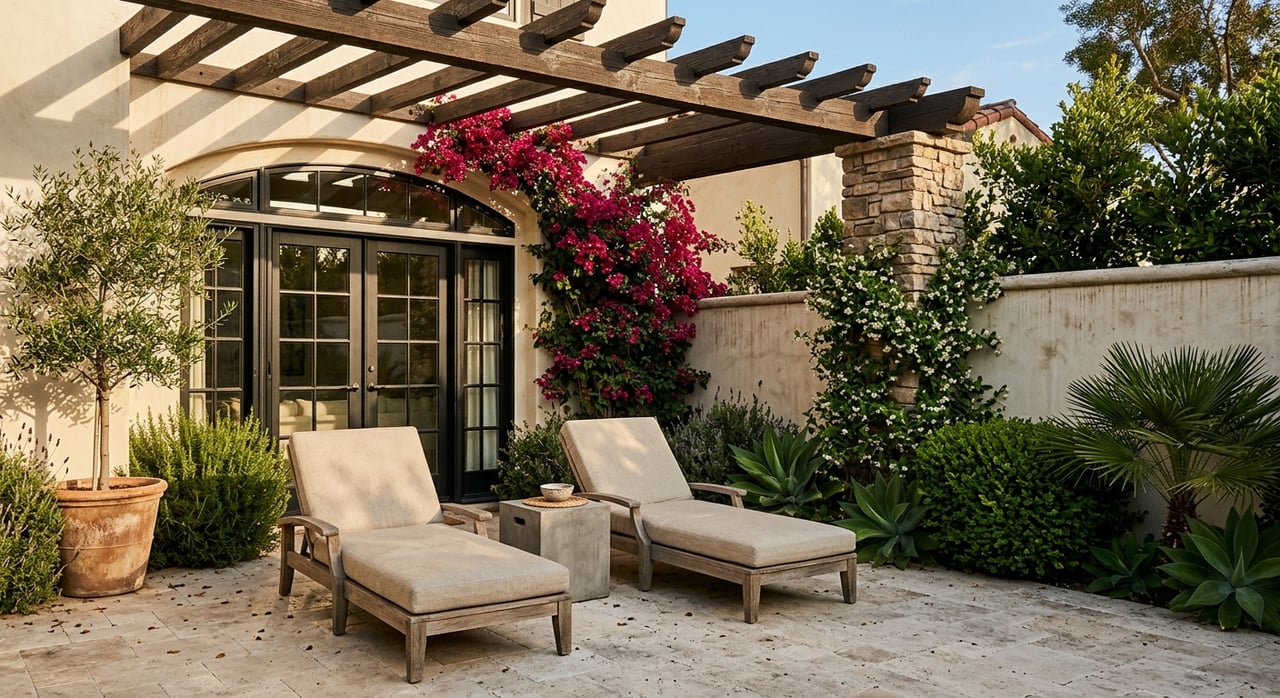
Outdoor space | More shared open space, decks, or balconies | More traditional residential settings |
Maintenance | Often lower exterior upkeep | May involve more owner attention over time |
Transit access | Often closer to BART, light rail, and mixed-use areas | Varies by location |
Overall feel | More standardized and contemporary | More mature and varied |
Neither option is better across the board. The better choice is the one that supports your routine, budget, and comfort level with upkeep.
How Commute and Access Shape the Decision
Transit is one of Milpitas’s biggest strengths. Milpitas Station is served by VTA and AC Transit, and the Milpitas Transit Center includes Orange Line light rail service along with passenger pick-up and drop-off and other transit connections.
If you want to rely more on BART or light rail, newer communities near the Metro and Gateway-Main Street areas may deserve extra attention. These areas were specifically planned for compact, mixed-use, transit-oriented growth.
Milpitas also has a strong employment base. The city reports more than 40,800 jobs and identifies major employers including Cisco Systems and KLA, while also noting major retail and employment areas such as the Great Mall and McCarthy Ranch.
That matters because daily life in Milpitas often revolves around a few key corridors. If your routine includes frequent commuting, shopping, dining, or regional travel, location within the city can shape your experience just as much as the home itself.
Parks, Recreation, and Daily Lifestyle
Both newer and established areas benefit from access to parks and recreation. The city says Milpitas has 37 city parks, which supports day-to-day outdoor options across the community.
Milpitas is also home to Ed R. Levin County Park, a 1,558-acre county park with trails, picnic areas, fishing, play areas, a dog park, biking, horseback riding, a playground, and a golf course. For buyers who value outdoor time, that is a meaningful citywide advantage.
The lifestyle difference is usually not whether you can get outside. It is whether you prefer private outdoor space at home, or if you are comfortable relying more on community amenities, parks, and nearby recreation.
Questions to Ask Before You Choose
If you are deciding between a newer community and an established neighborhood in Milpitas, start with these questions:
Do You Want Modern or Traditional Layouts?
Newer Milpitas homes often highlight open-concept living spaces, decks, balconies, and attached garages. Established neighborhoods typically offer a broader range of floor plans and home styles.
If you want move-in-ready flow and a more current layout, newer construction may fit better. If you prefer flexibility and do not mind evaluating older floor plans, established areas may open up more options.
Do You Prefer Shared Amenities or More Privacy?
Many newer communities include shared parks, playgrounds, or planned neighborhood open space. Established areas may better suit buyers looking for a more traditional detached-home setting.
This is less about right or wrong and more about how you actually spend time at home. Some buyers love lock-and-leave simplicity, while others want more separation and a different kind of residential rhythm.
How Important Is Transit Access?
If BART and light rail access are high priorities, focus closely on the Metro area and Gateway-Main Street area. These are the parts of Milpitas where the city has concentrated much of its transit-oriented growth.
If you drive most places and your priorities center more on home style or long-term customization, established neighborhoods may deserve a longer look.
How Much Maintenance Do You Want?
Newer attached homes often reduce exterior upkeep. Older homes in mature neighborhoods may offer more character and more room to make changes, but they can also bring more maintenance and update decisions over time.
This is where a design-informed review can be especially helpful. Looking beyond finishes to layout, condition, and update potential can help you compare two very different homes more fairly.
Finding the Right Fit in Milpitas
Milpitas works well for buyers because it offers more than one way to live. You can focus on newer, transit-oriented housing with contemporary features and lower exterior maintenance, or you can search established neighborhoods for a more mature residential setting and a wider range of single-family options.
The key is to match the home to your actual priorities, not just the newest listing or the biggest floor plan. When you compare commute patterns, maintenance comfort, layout needs, and long-term value together, your best option usually becomes much clearer.
If you want help weighing newer construction against resale opportunities in Milpitas, the Nivi Das Team can help you evaluate the tradeoffs with a thoughtful, design-informed approach.
FAQs
What is the difference between newer and established neighborhoods in Milpitas?
- Newer Milpitas communities are often attached homes in transit-oriented areas with open layouts, shared amenities, and lower exterior upkeep, while established neighborhoods usually offer a wider mix of home ages, more detached single-family options, and a more mature residential setting.
Which Milpitas areas are considered established neighborhoods?
- The city describes areas such as North Abbot Avenue, The Pines, Sunnyhills, North Park Victoria-Kennedy, and South Park Victoria-Yosemite as mature or well-established neighborhoods.
Are newer Milpitas communities closer to BART and light rail?
- Many newer communities are located in or near the Metro and Gateway-Main Street planning areas, which were designed to support transit-oriented growth around Milpitas BART and VTA connections.
Is Milpitas a good fit for buyers who want a lower-maintenance home?
- It can be, especially if you focus on newer condo and townhome-style communities that emphasize lower exterior upkeep, attached garages, and shared amenities.
What should buyers compare when choosing a Milpitas neighborhood?
- Buyers should compare layout style, maintenance needs, transit access, outdoor space preferences, and how each location fits their daily commute and lifestyle.