Thinking about moving up in San Ramon but not sure whether to buy or sell first? You are not alone. Timing both transactions while managing financing, school calendars, and moving logistics can feel overwhelming. This guide gives you a clear, step-by-step plan tailored to San Ramon and the broader Contra Costa market so you can choose the right sequence, control risks, and move with confidence. Let’s dive in.
San Ramon market snapshot
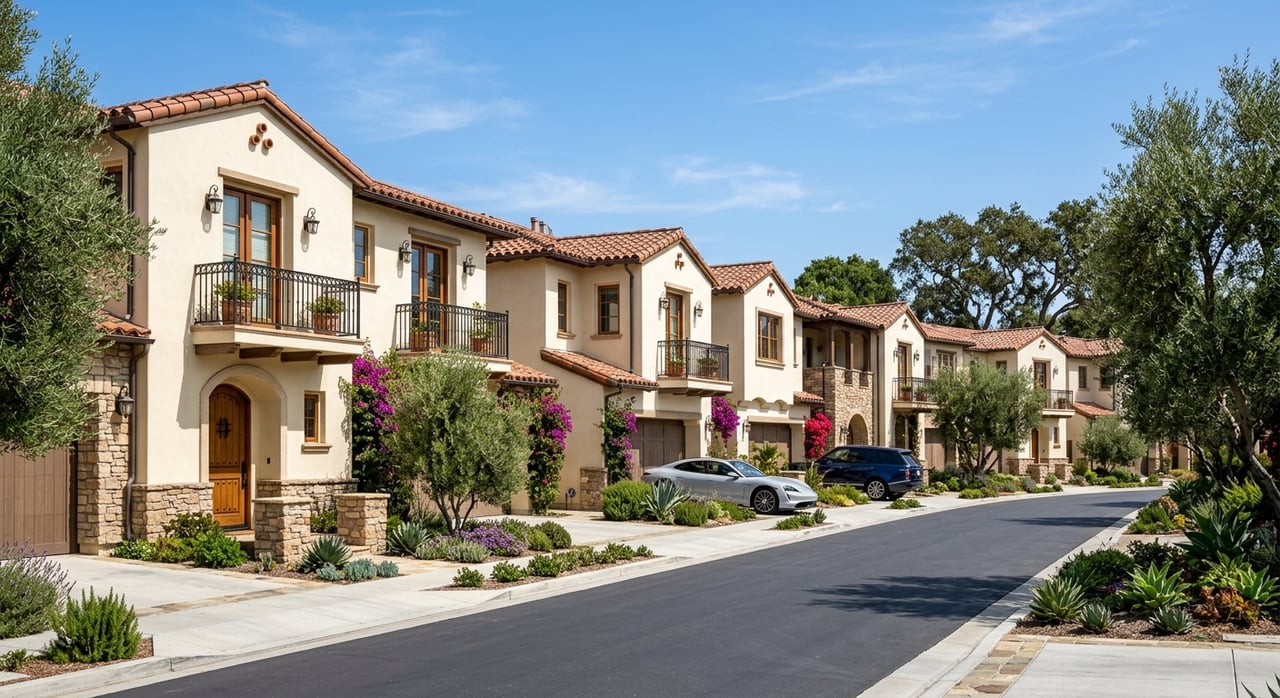
San Ramon is a higher-priced, predominantly single-family community with strong owner-occupancy, convenient I-680 access, and family-friendly amenities, according to U.S. Census QuickFacts. East Bay conditions shifted from very low inventory in 2020–2022 to cooler, more variable dynamics as mortgage rates rose in 2023–2024. County and regional snapshots from the Bay East Association of Realtors and the California Association of Realtors show that competition and days on market now vary by neighborhood and price band.
What this means for you:
- If inventory is tight in your price tier, selling first increases the risk of needing temporary housing. Buying first may help you secure the right home, but requires stronger financing.
- If inventory is higher, you may have more room to negotiate rent-backs, extended escrows, or sale contingencies.
Buy first vs. sell first: quick overview
Here are your main pathways, with tradeoffs to consider.
- Buy first. You lock the right home and avoid a temporary move. You need to qualify while carrying two mortgages or use bridge funds.
- Sell first. You become a cleared buyer with known proceeds. You may need a rent-back or short-term rental to bridge the gap.
- Contingent offer. You make your purchase contingent on selling your current home. This is easier in slower markets, tougher in competitive ones.
- Rent-back. You sell, then stay as a tenant for an agreed period after closing to align your purchase.
- Bridge financing. You tap a HELOC, bridge loan, or other short-term funds to buy first, then repay with sale proceeds.
Typical escrow timelines in California are about 30 to 45 days once you are under contract, according to closing timeframes outlined by mortgage resources. Your exact timing depends on negotiations, lender speed, and inspection or appraisal steps.
Step-by-step plans
Sell first plan
Best when you want to avoid carrying two mortgages and have flexibility with dates.
- Pre-listing prep, 2 to 6 weeks
- Get a comparative market analysis and estimated net sheet.
- Complete repairs, declutter, and schedule professional staging and photos.
- Choose pricing and launch strategy.
- On market to offer, 1 to 6+ weeks
- Review offers and consider a rent-back if you need time after closing.
- Escrow and close, about 30 to 45 days
- Coordinate move-out, rent-back if needed, and transfer of funds.
- Post-sale purchase, 4 to 12+ weeks
- Shop with strong pre-approval and clear budget based on confirmed proceeds.
Checklist:
- CMA and net sheet
- Pre-inspection and vendor plan
- Moving budget and storage
- Temporary housing or rent-back plan
Buy first plan
Best when securing a specific home or location is the priority.
- Finance prep, 2+ weeks
- Get written pre-approval that reflects two mortgages or confirm access to a HELOC or bridge loan.
- House hunting, 2 to 12+ weeks
- Prepare for appraisal gap strategies and competitive offer terms if needed.
- Contract to close, about 30 to 45 days
- Plan cash flow for two homes until your sale closes.
- List and sell current home
- Launch quickly with professional staging and marketing. Consider a rent-back from your buyer if your dates need extra buffer.
Checklist:
- Lender scenarios for carrying costs and reserves
- Bridge or HELOC terms in writing
- Sale timeline and marketing plan
- Insurance and tax escrows for two properties
Contingent or hybrid plan
Best in a balanced or slower market.
- Pre-approval and listing readiness
- Prepare your current home so it can sell quickly. Structure your contingent offer with credible dates.
- Offer terms that build confidence
- Use shorter contingency windows and a strong deposit. Remain flexible on closing, rent-back, or credits.
- Plan B if your sale lags
- Line up a rent-back, temporary housing, or limited bridge funds if timelines slip.
Checklist:
- Defined contingency deadlines
- Evidence your home is listed and marketed
- Backup housing and financing options
Bridge financing flow
If you want to buy before you sell and need access to equity.
- Compare products and costs
- A HELOC can offer flexible access to equity, but rates can vary, as explained by the CFPB’s HELOC overview.
- Bridge loans are short-term and can close quickly, with higher rates and fees, per Bankrate’s bridge loan overview. See how they stack up against HELOCs with NerdWallet’s comparison.
- Underwrite with your lender
- Confirm qualifying with two payments, required reserves, and repayment plan.
- Close purchase and repay
- Use sale proceeds to pay down or close the bridge financing or HELOC as planned.
Checklist:
- Written terms and true APR comparison
- Timeline for repayment at closing
- Budget for interim taxes, insurance, and HOA
Key contracts and timelines in California
Understanding the paperwork helps you negotiate with confidence.
Sale and financing contingencies
A sale contingency allows you to cancel if your current home does not sell by a stated date. Financing contingencies allow cancellation if you cannot obtain your loan. Learn the basics of contingency clauses from Nolo’s legal resources, and ask your agent how local sellers are viewing these terms in your price tier.
Appraisal and inspection
If the appraisal comes in below the purchase price, you and the seller can renegotiate, you can bring cash to cover the gap, or the deal can be cancelled if that contingency applies. Inspections are standard; waiving them adds risk. Your agent can explain norms for appraisal and inspection timelines in San Ramon.
Rent-back basics
A post-closing occupancy agreement lets you stay in the home for a defined period after you close the sale. The agreement should clearly address rent, insurance, utilities, security deposit, and remedies for holdover. The California Association of Realtors provides standard forms and guidance on these agreements at car.org.
Other notes:
- Escrow length is negotiable. Longer escrows can help align both closings but can add costs.
- California sellers must provide standard disclosures. A rent-back does not remove disclosure duties.
- Ask a tax professional about the primary residence capital gains exclusion rules that may apply, summarized at the IRS.
Risks and how to reduce them
- Cannot find a replacement home after selling. Mitigate with a rent-back, extended possession, or a short-term rental. Pre-identify neighborhoods and keep search criteria realistic.
- Interest rates rise before you buy. Consider locking once under contract and ask about float-down options.
- Appraisal shortfall. Plan for possible appraisal gaps, negotiate credits, or adjust price expectations based on a realistic pre-listing analysis.
- Contingent offer rejected in a tight tier. Strengthen with larger deposit, shorter timelines, flexible closing, or limited contingency removals where appropriate.
- Rent-back issues. Use a clear agreement with a deposit and insurance requirements. Escrow can hold funds to manage holdover risk.
- Carrying two mortgages. Confirm reserves and run a worst-case budget for 3 to 6 months. Explore limited bridge funds to reduce cash strain.
Your next steps in San Ramon
- Get a local market read. Ask for a current CMA, expected net proceeds, and typical days on market in your exact price tier using Bay East and CAR snapshots as context.
- Have a lender scenario meeting. Request written options for buy-first with bridge or HELOC, sell-first, and contingent offers. Confirm reserves and underwriting rules for two mortgages.
- Consider a pre-listing inspection. It can reduce renegotiation risk and help you move faster once your sale is in contract.
- Run the numbers. Tally mortgage(s), taxes, insurance, HOA, utilities, moving, and storage. Set an emergency reserve.
- Prepare documents. If planning rent-back, ask your agent for the standard addendum. If planning a contingent offer, define realistic removal dates.
- Align the timeline. Map list date, offer window, contingency periods, escrow length, target closing dates, and moving logistics.
Questions to ask your agent and lender:
- Agent: What are sale times and pricing in my exact attendance zone and price tier over the last 90 days? How often are contingent offers being accepted right now? What rent-back durations are typical today?
- Lender: Which bridge or HELOC product fits my situation and what are the true APR and fees? How much in reserves do I need to qualify with two mortgages? How will a rate lock or float-down work if rates move?
Ready to build your timeline and compare scenarios side by side? Reach out to the Nivi Das Team for a personalized plan, local comps, and a coordinated sale-to-purchase strategy.
FAQs
What should San Ramon move-up sellers consider first?
- Start with a CMA and net sheet, confirm likely days on market in your price tier, and decide whether buy-first, sell-first, or a contingent path best matches your cash reserves and timing.
How long does escrow usually take in California?
- Most purchase escrows run about 30 to 45 days once you are under contract, per common timelines cited by mortgage resources, though terms are negotiable.
What is a rent-back and how long can it last?
- A rent-back lets you remain after closing for a defined period with an agreement that sets rent, deposit, insurance, and move-out date; durations can range from a few days to multiple months by agreement.
Are sale-contingent offers accepted in San Ramon right now?
- Acceptance depends on market conditions and price tier; in more competitive segments, sellers are less likely to accept, so strong terms and short timelines can help.
How can I buy before selling without two full mortgages?
- Some buyers use a HELOC or bridge loan to access equity temporarily, then repay with sale proceeds; compare costs using resources like the CFPB, Bankrate, and NerdWallet and get lender terms in writing.
What if the appraisal comes in low on my purchase?
- You can negotiate a price change or credit, bring additional cash to cover the gap, or use an appraisal contingency to cancel if allowed by your contract.
Will selling my primary residence trigger capital gains tax?
- You may qualify for the primary residence exclusion if you meet ownership and use tests; consult a tax advisor and review the IRS guidance for details.