
Thinking about selling your Danville home this year? The window you choose matters. In family-focused suburbs like Danville, buyer demand typically builds in late winter and peaks in spring and early summer. If you want strong traffic and polished presentation, a focused 90-day plan can set you up to hit the market at the right moment.
You want a clear path that fits local realities: the school calendar, our Mediterranean climate, contractor lead times, and what East Bay buyers expect. This guide gives you a practical, step-by-step plan to prepare in 90 days, highlight your home’s strengths, and launch with confidence.
Let’s dive in.
Why timing matters in Danville
Seasonality and school calendar
Across the U.S. and in California, industry research shows buyer activity rises in late winter and peaks in spring through early summer. In Danville, many buyers plan moves around the school year, so listing from March through June often captures the largest audience. Listing early in spring also gives you time to accept offers and close before summer.
Climate and curb appeal
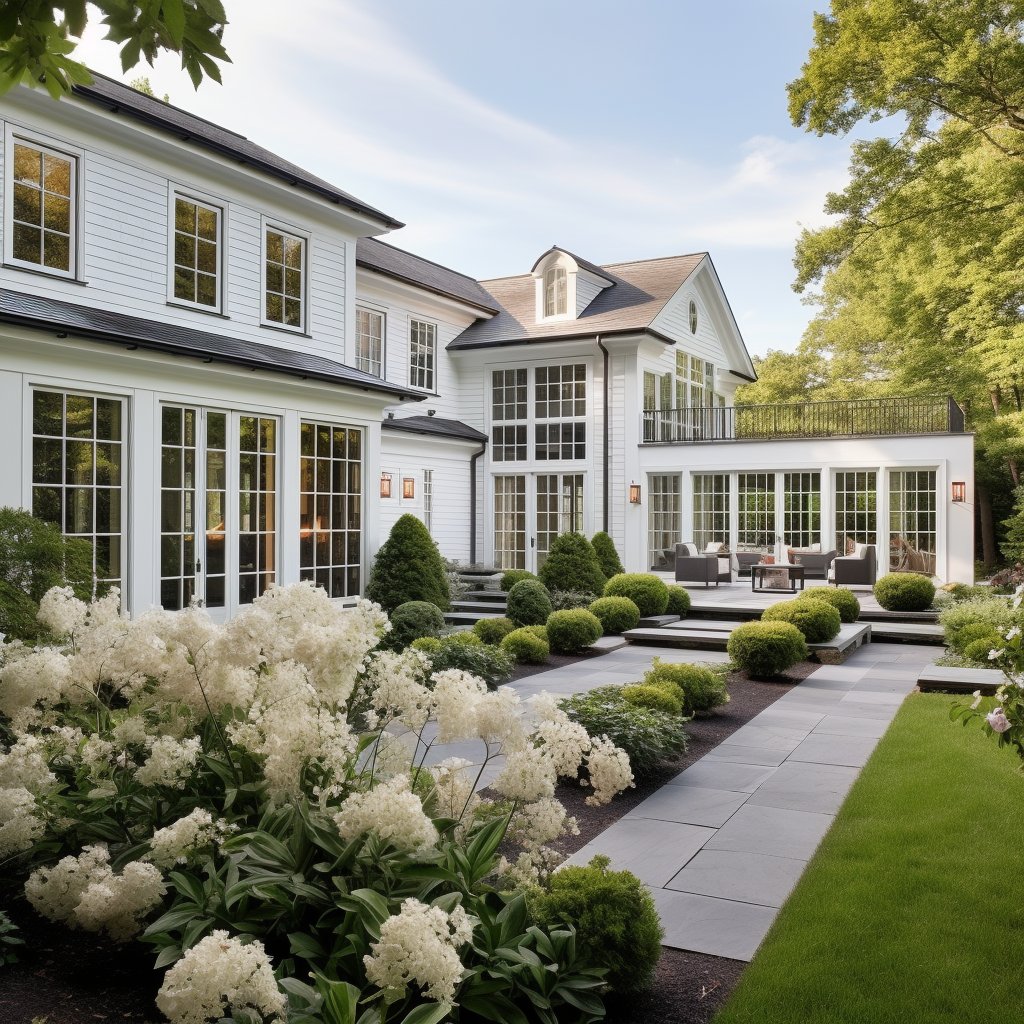
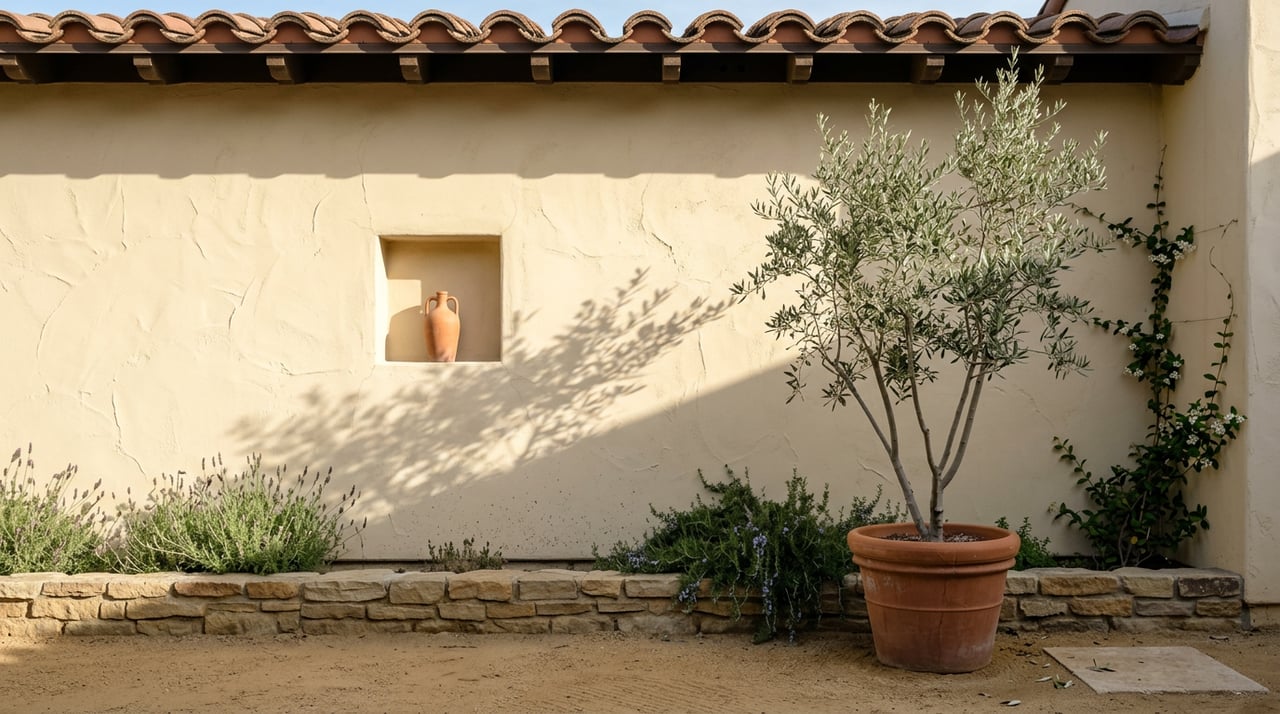
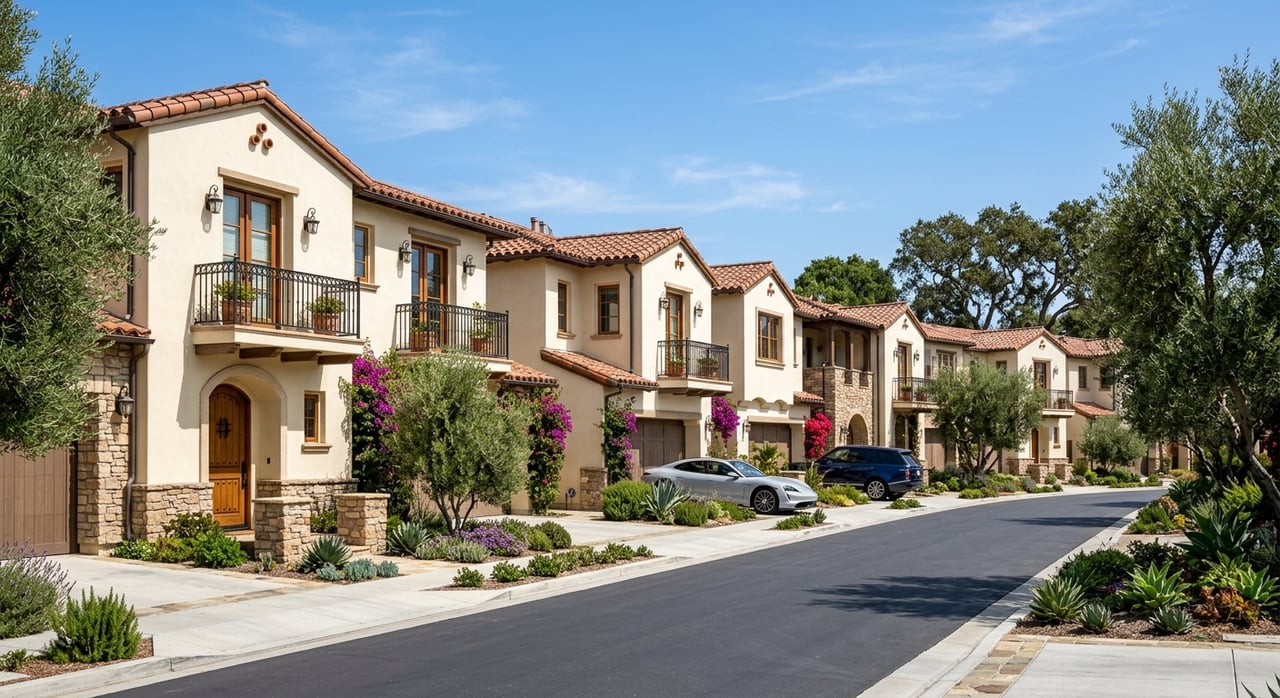
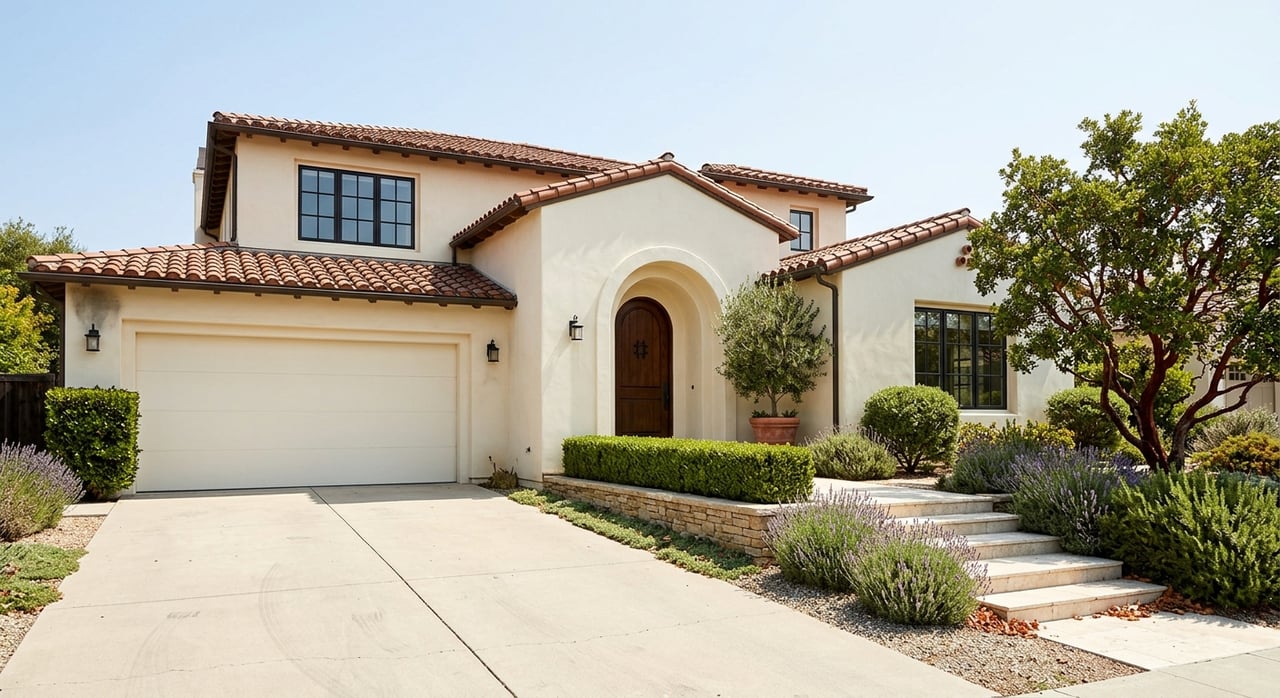
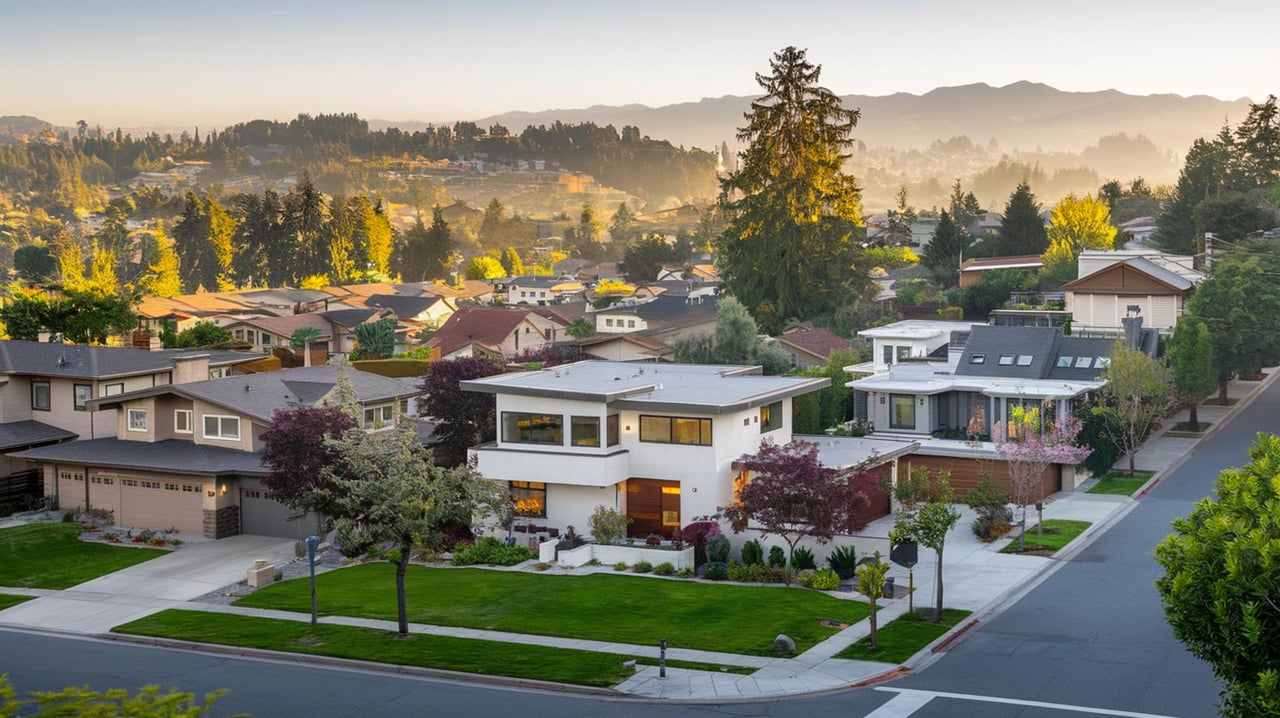
Danville has mild, wet winters and dry, warm summers. Rain is more common from November through March. By April, you usually have sunnier days for showings and photography. Spring bloom and green lawns boost curb appeal, which is helpful for photos and open houses. If you want a lush look into May and June, check irrigation early in your prep so landscaping stays healthy as weather dries out.
Local buyer priorities
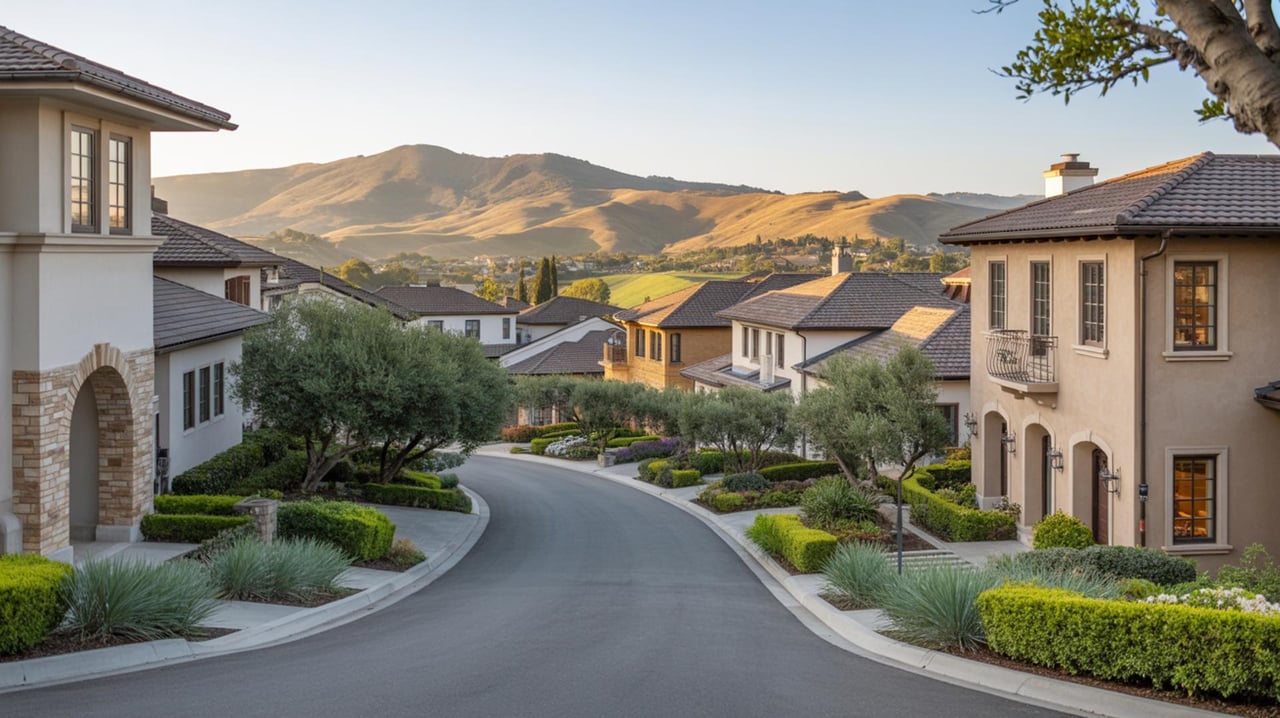
Buyers often weigh commute access and lifestyle. Danville does not have a direct BART station, so access to I‑680 and drive times are common considerations. Many also look at school assignments and local amenities. Much of Danville is served by the San Ramon Valley Unified School District, so keeping an eye on school-year timing can be useful when planning your listing.
Your 90‑day prep timeline
The plan below breaks your prep into three clear phases. Each phase builds on the last so staging, photography, and marketing align with peak buyer traffic.
Days 90 to 61: Assess and plan
Your goal in this first month is to diagnose, budget, and lock in your calendar.
- Meet with a local agent to set your target listing window. Review comparable sales, pricing bands, and buyer profiles for your neighborhood.
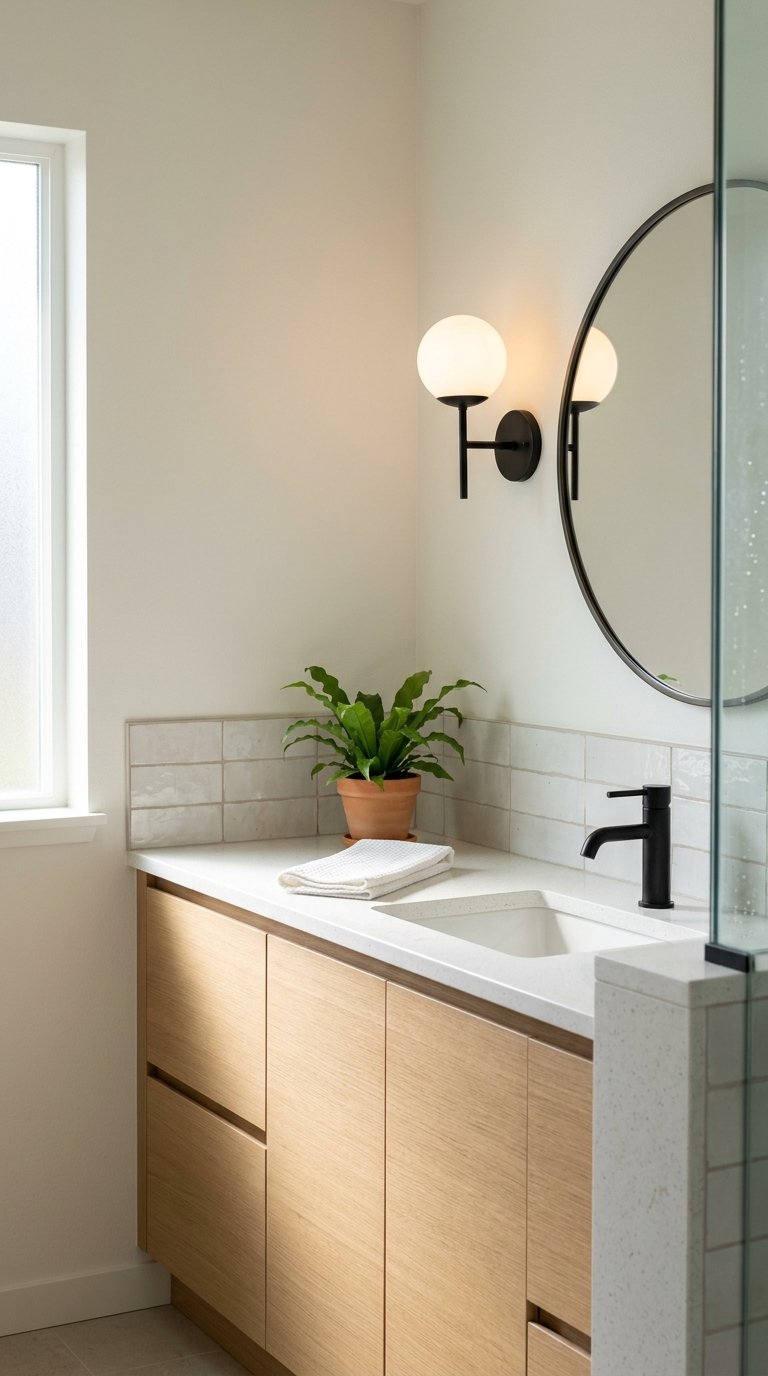
- Walk room by room to spot high-impact fixes. Focus on paint, flooring refresh, lighting, hardware, HVAC servicing, and small kitchen or bath updates that can be finished without permits.
- Decide what to skip. Large projects that need permits often take weeks to months. In a 90-day runway, prioritize cosmetic updates and maintenance unless a larger project is already permitted and nearly complete.
- Book vendors early. Painters, flooring installers, landscapers, and general contractors get busy entering spring. Expect to schedule work 4 to 8 weeks ahead and build in a buffer for weather or supply delays.
- Reserve staging and photography dates. Align installation and photo shoots with your ideal launch week so everything is show-ready.
What you should have by the end of this phase:
- A prioritized scope of work with a realistic budget
- A vendor timeline with written start dates
- A staging and photography schedule
- A tentative listing week
Days 60 to 31: Execute updates and stage
Now it is time to complete updates, deep clean, and start staging key spaces.
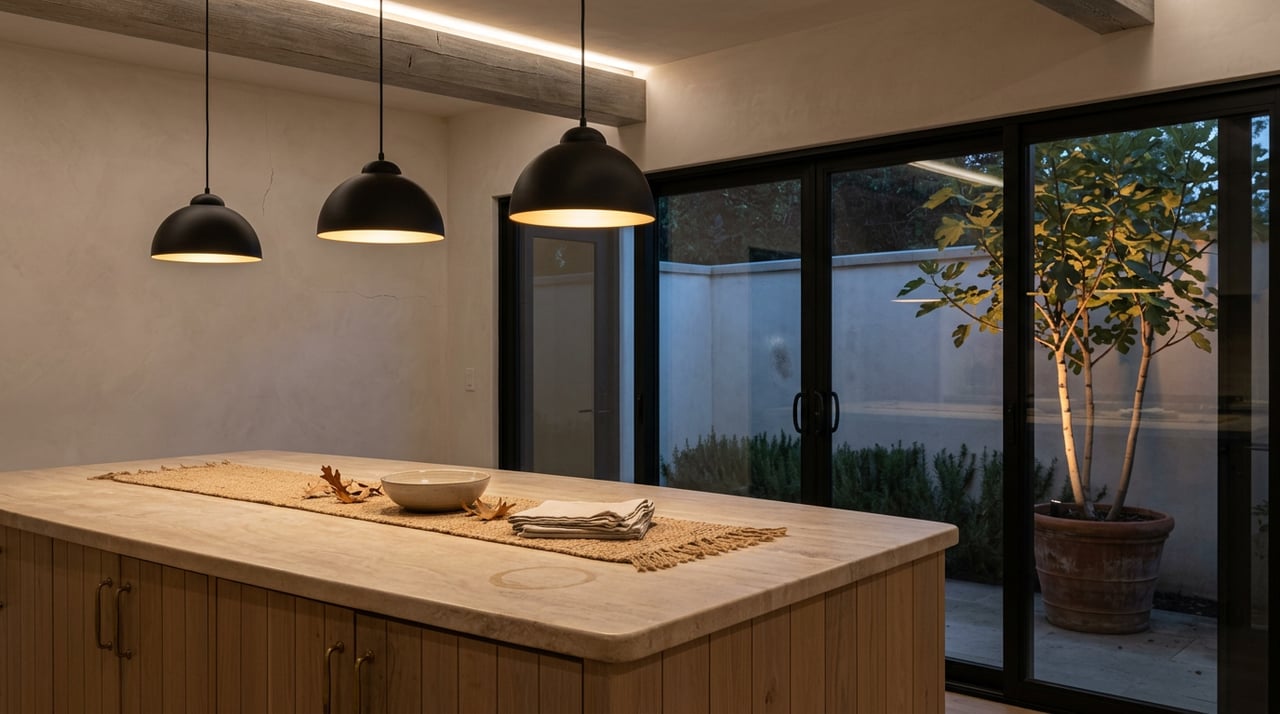
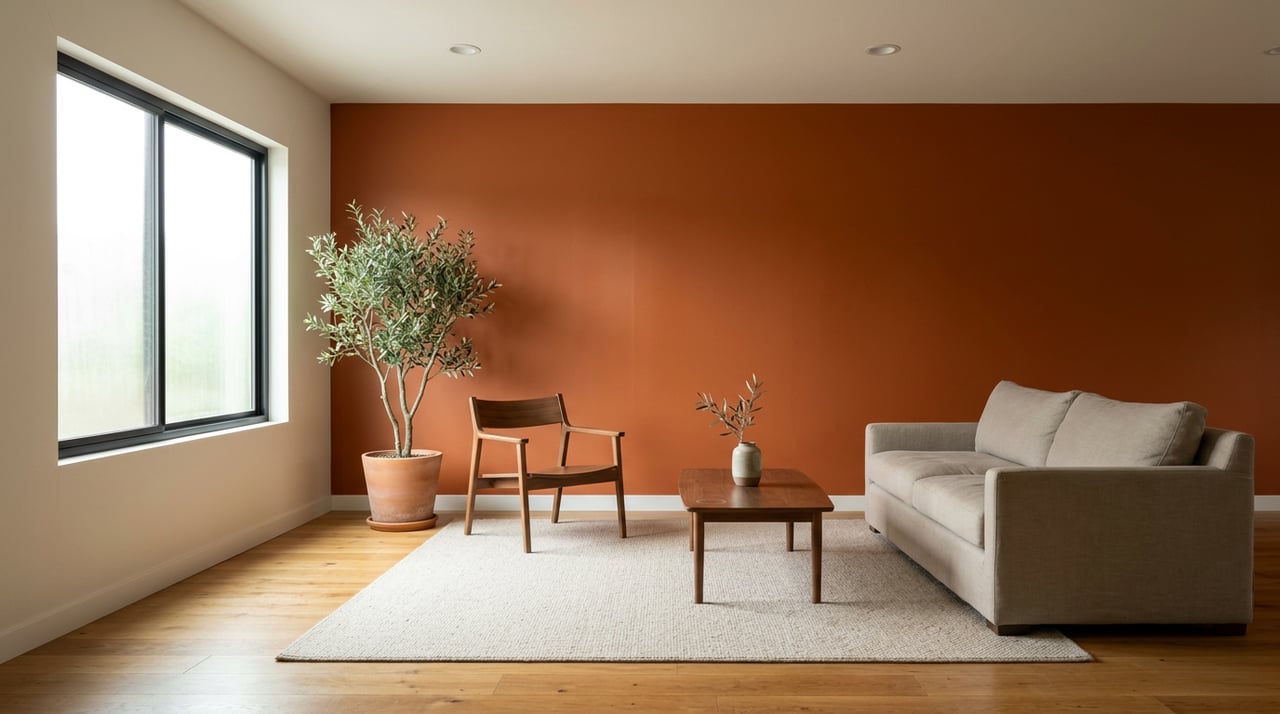
- Cosmetic updates: Repaint in a light, neutral palette. Replace dated light fixtures. Refresh cabinet hardware. Deep clean or refinish floors. Replace worn carpet if needed.
- Maintenance and cleanup: Clean gutters, remove roof debris, wash windows inside and out, touch up doors and trim. Organize the garage and clear the attic or crawl space so buyers can access systems during inspections.
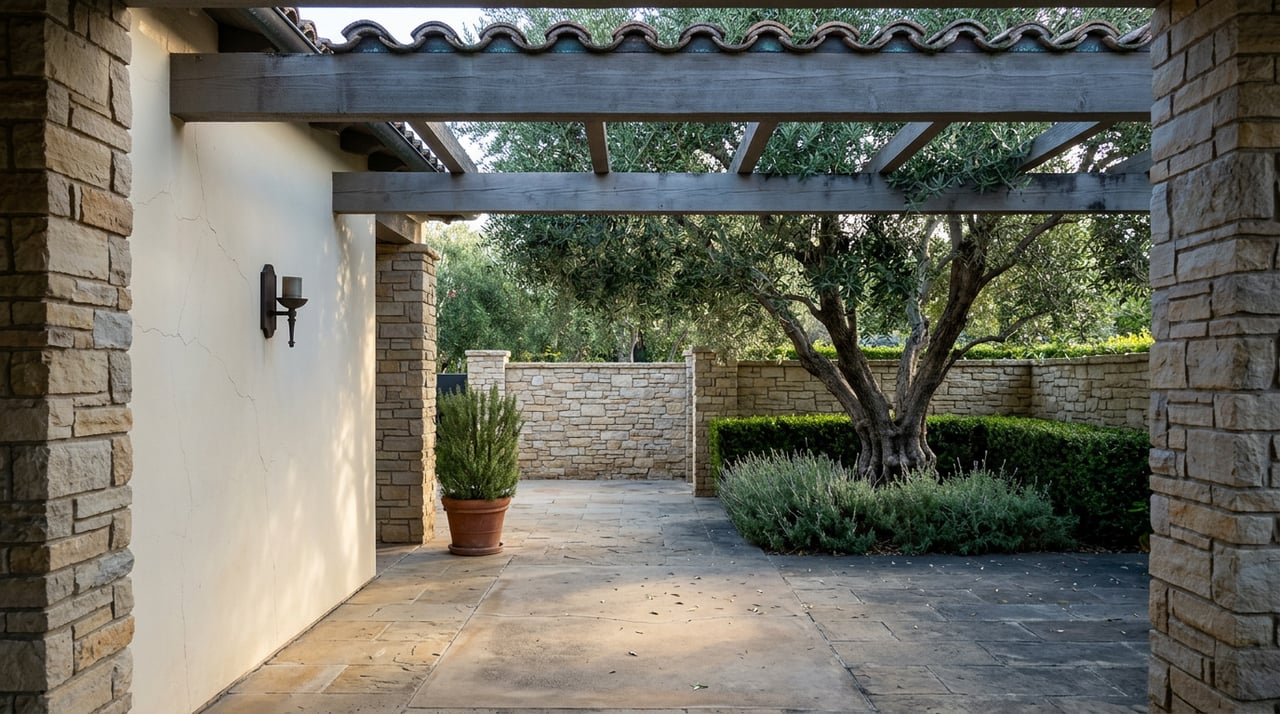
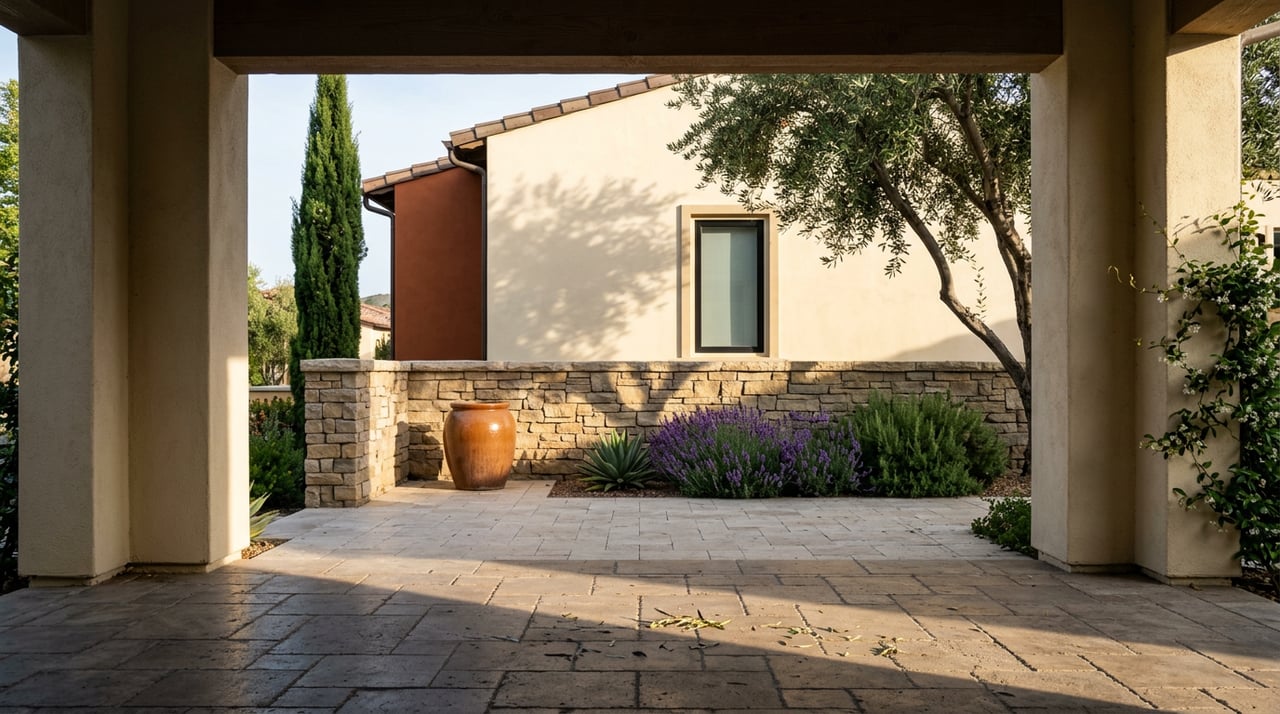
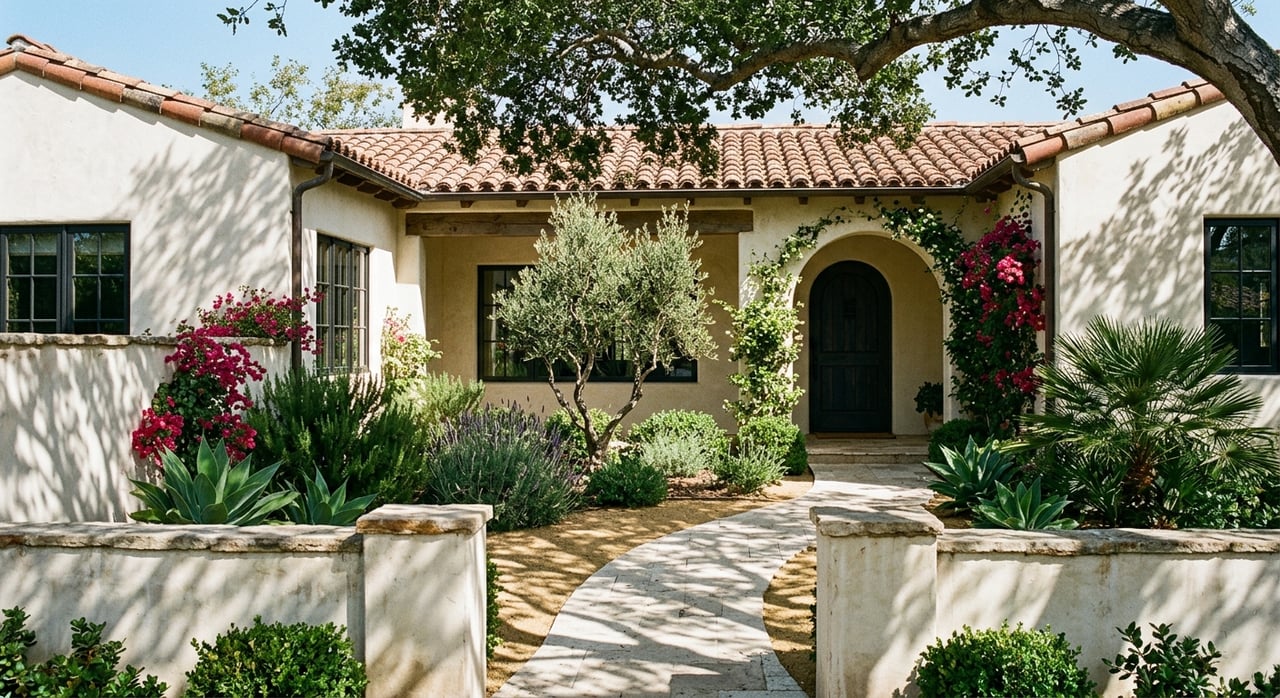
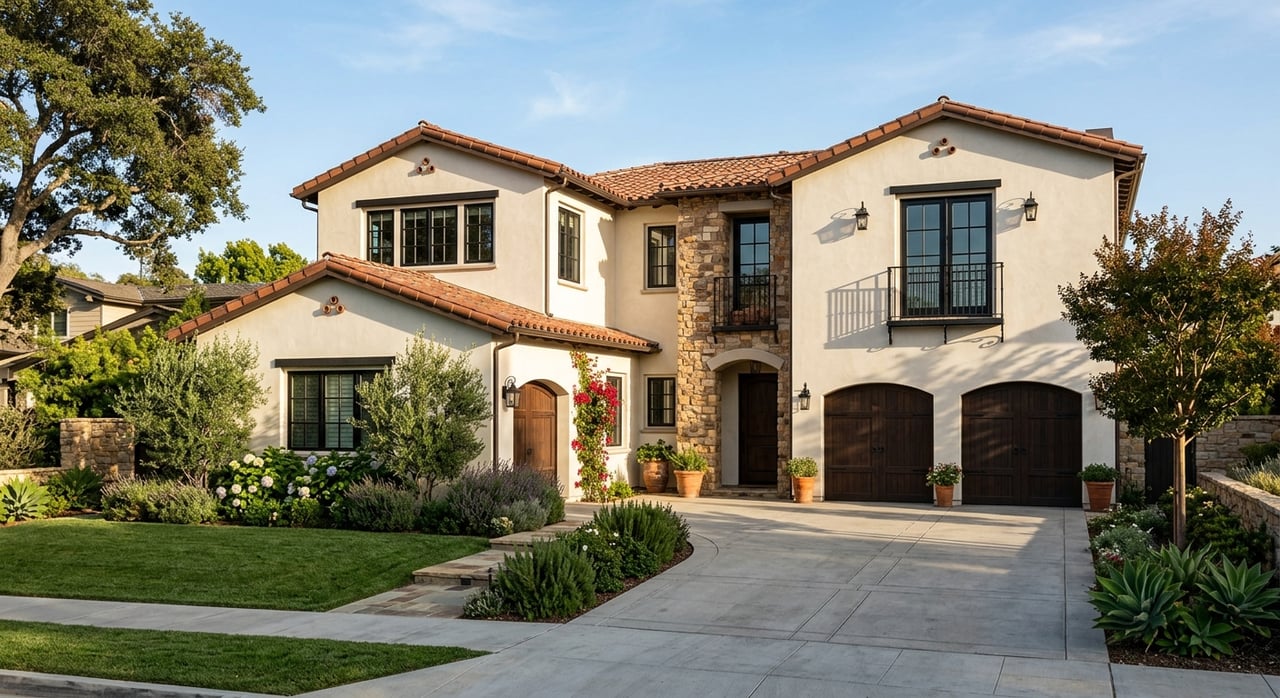
- Curb appeal: Prune shrubs and trees, remove dead plants, edge the lawn, and add fresh mulch. Consider seasonal potted plants at the entry. Test irrigation and fix leaks so landscaping stays green through photos and showings.
- Home systems: Schedule an HVAC tune-up, check the water heater, test smoke and carbon monoxide detectors, and service garage door openers.
- Staging prep: Declutter, pack personal photos, and move extra furniture to storage. Stage the living room, kitchen, dining area, primary bedroom, and a dedicated work-from-home space. Plan for staging installation once repairs are complete, before photography.
- Documentation: Gather permits, warranties, appliance manuals, HOA documents if applicable, and recent utility bills. Prepare California disclosure forms such as the Transfer Disclosure Statement, Natural Hazard Disclosure, Seller Property Questionnaire, and any lead-based paint disclosure if relevant.
- Optional pre-listing inspection: A pre-listing inspection can flag issues early and reduce surprises. It may help streamline escrow in a competitive market or with older homes.
Vendor timing tip: Painters, flooring pros, and landscapers are busiest in spring. Book early and plan final touch-ups a week before photos.
Days 30 to 0: Final prep and launch
This last stretch is about polish and timing.
- Final deep clean: Shine windows, pressure wash walkways, clean exterior light fixtures, and refresh the entry. Keep a simple show kit on hand with towels, a broom, and wipes for quick touch-ups.
- Photography and media: Schedule professional photos and a virtual tour if appropriate for your property. Aim for a sunny day. Many sellers install staging early in the week, shoot photos mid-week, and go live late in the week to capture weekend traffic.
- Marketing materials: Draft a compelling property description, floor plan if available, and a short list of neighborhood highlights such as parks, trails, and commute options.
- Showing logistics: Set showing rules and lockbox details. Plan a broker preview and your first weekend open houses. Coordinate your move timeline and any off-site storage for personal items while the home is on the market.
- Pricing and offer strategy: Finalize list price based on the latest comparable sales and market conditions. Align on your approach to offers, contingencies, and negotiation timelines with your agent.
Launch timing tip: In spring, listing late in the week positions your home as fresh for weekend buyers. Coordinate landscaping so it peaks for photos and the first open houses.
Permits, vendors, and inspections
Vendor scheduling reality
Spring is peak season for painters, landscapers, flooring installers, and general contractors. Book early and confirm schedules in writing. Smaller cosmetic trades may be more flexible, but they still get busier as the weather improves. Build a buffer for weather and supply timing.
Permit basics in Danville
Structural changes, significant electrical or plumbing work, additions, and accessory dwelling units typically require permits and inspections with the Town of Danville or Contra Costa County. Cosmetic projects such as painting, carpet replacement, and minor repairs usually do not require permits. If prior work lacks a visible permit history, plan to disclose this in your seller documents and be ready to address questions during escrow.
Pre-listing inspection and disclosures
A pre-listing inspection can increase buyer confidence and reduce negotiation surprises. The tradeoff is the cost and possible repairs it reveals. Regardless of inspection choices, expect standard California disclosures, including the Transfer Disclosure Statement, Natural Hazard Disclosure, and other forms your agent will help you complete. If your home is in an HOA, assemble community documents early to avoid delays.
Curb appeal and staging that work in Danville
Exterior hits buyers notice
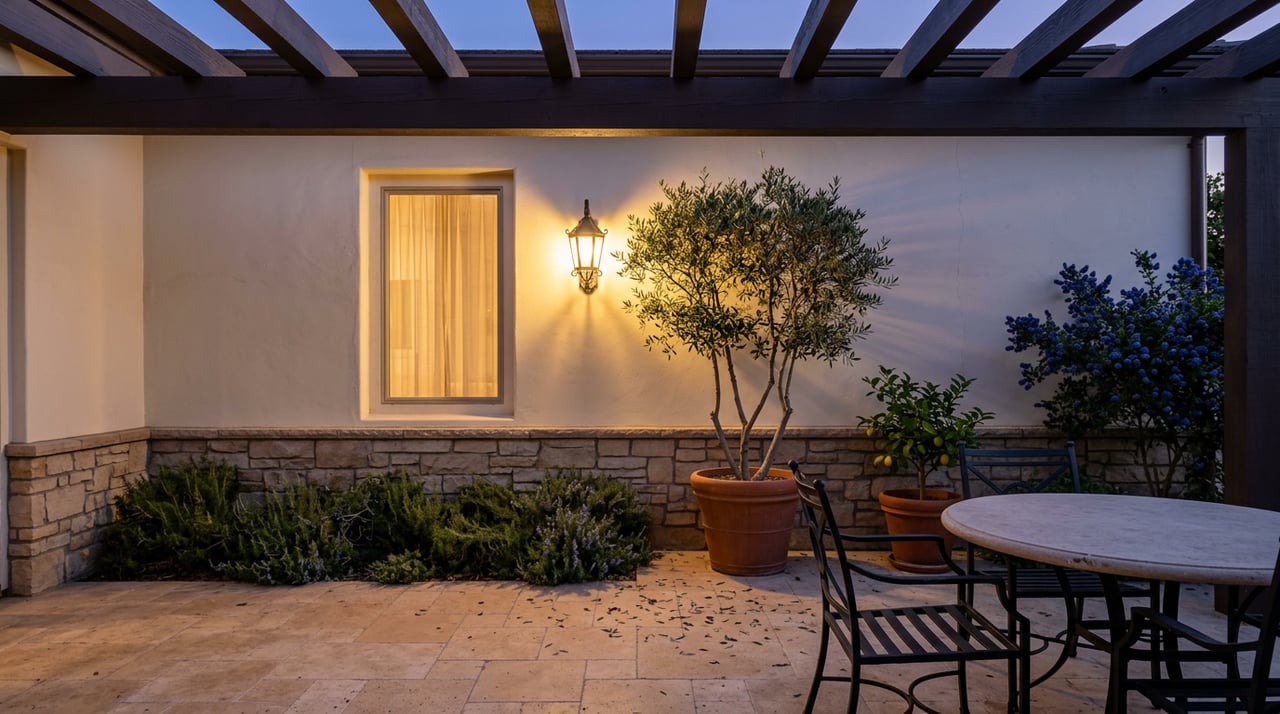
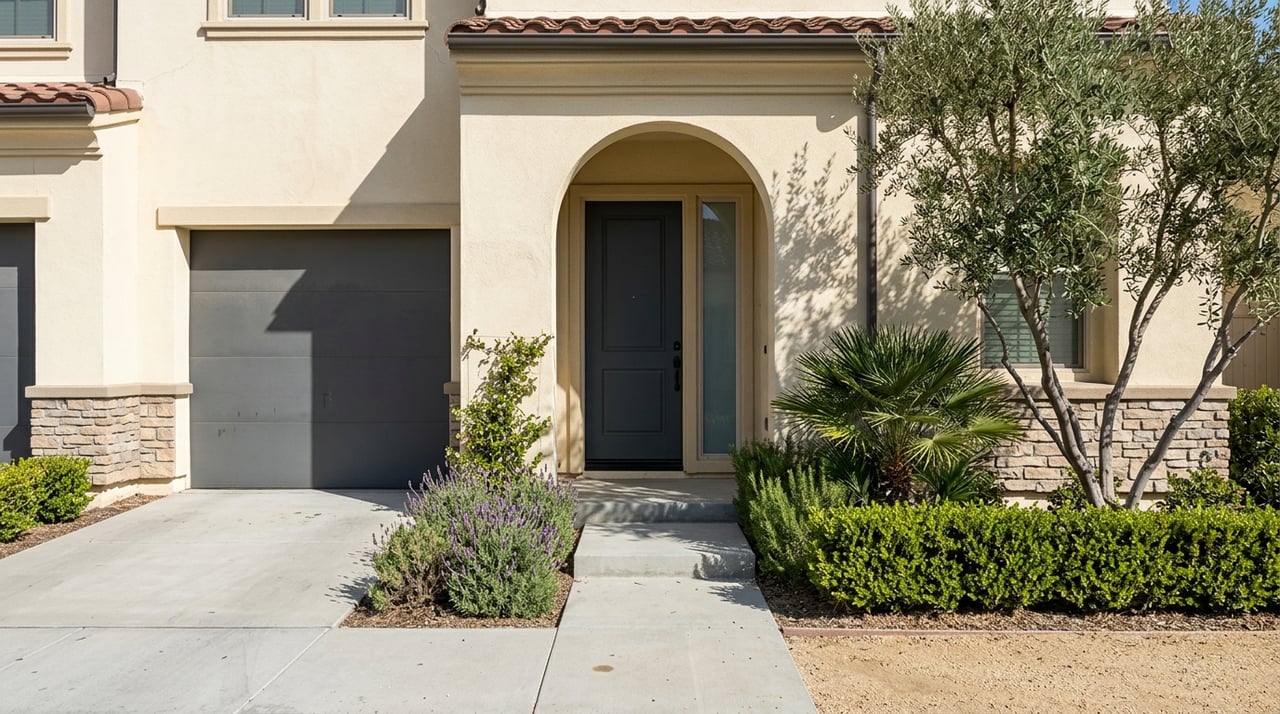
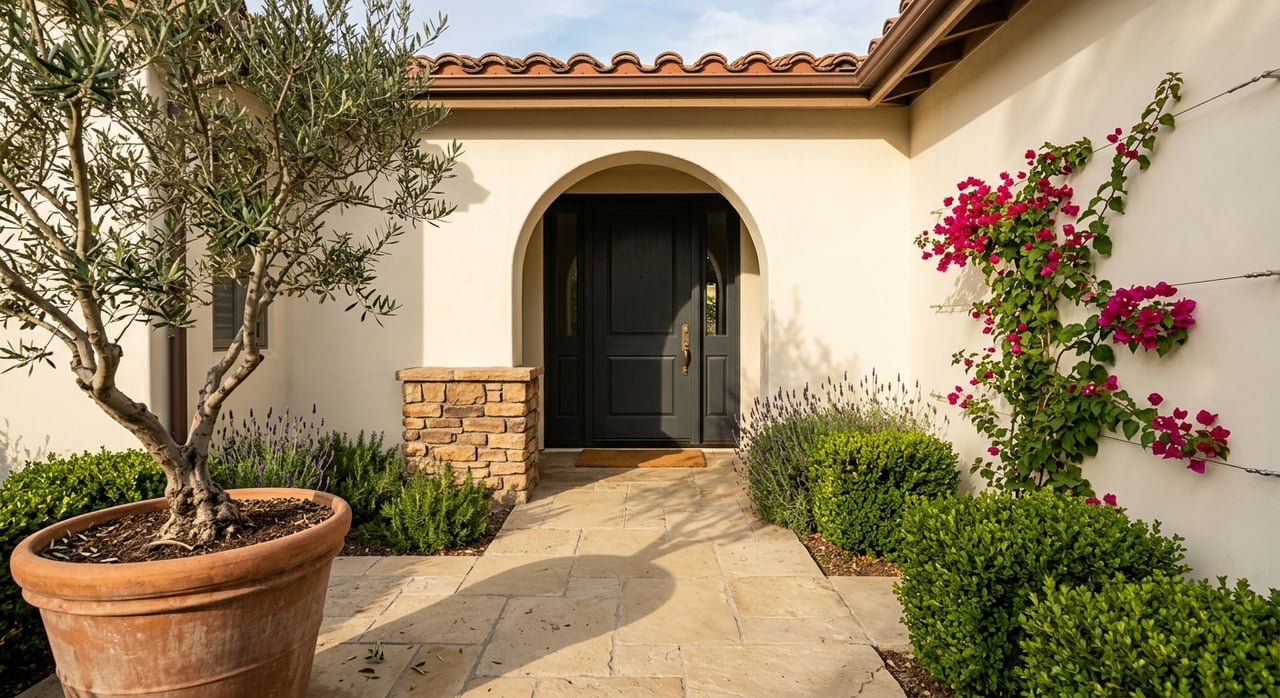
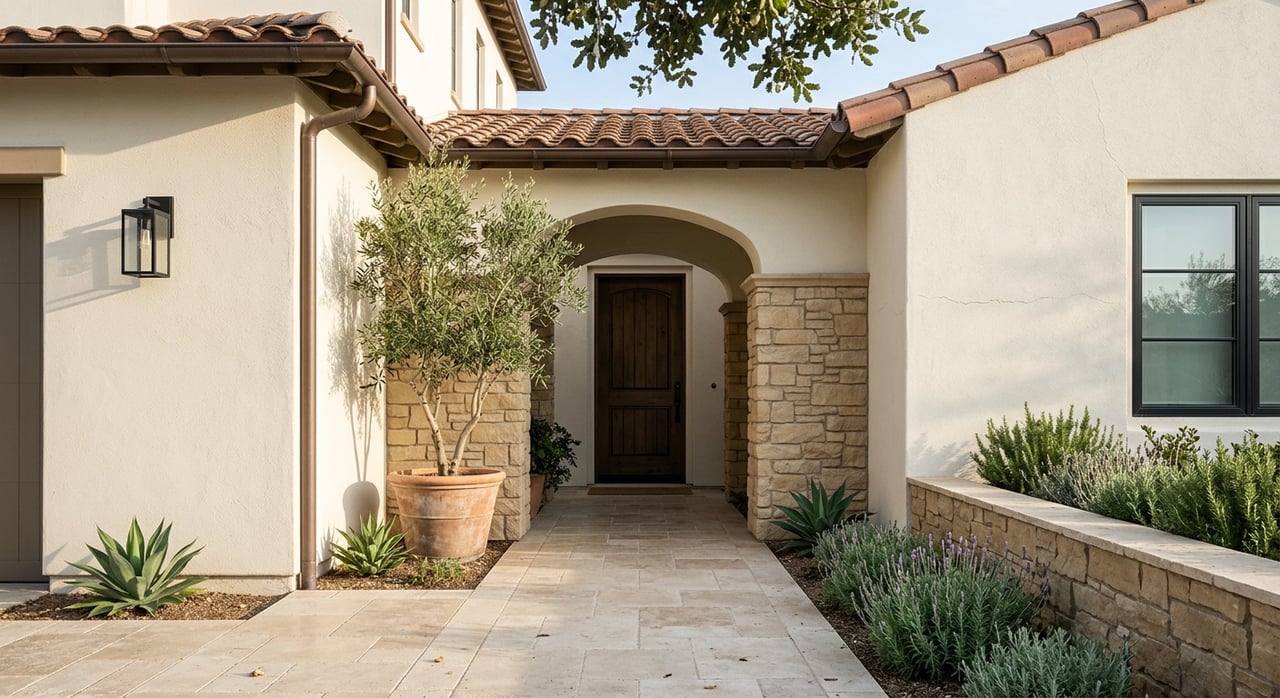
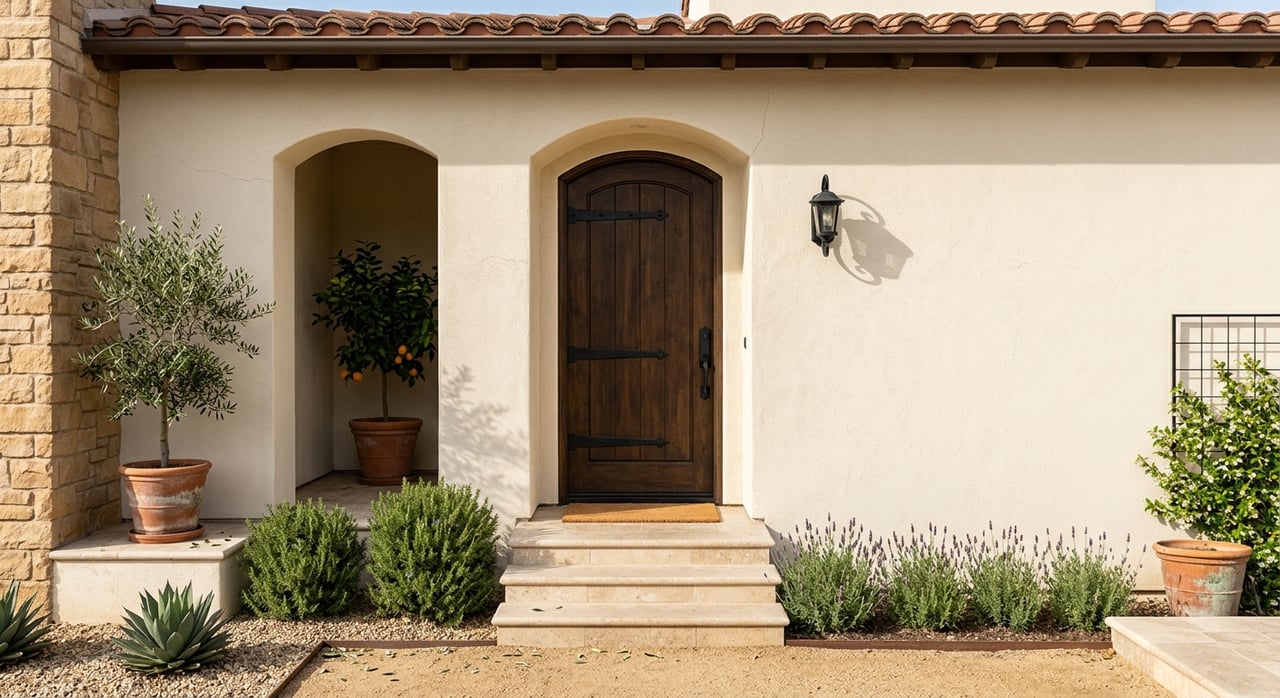
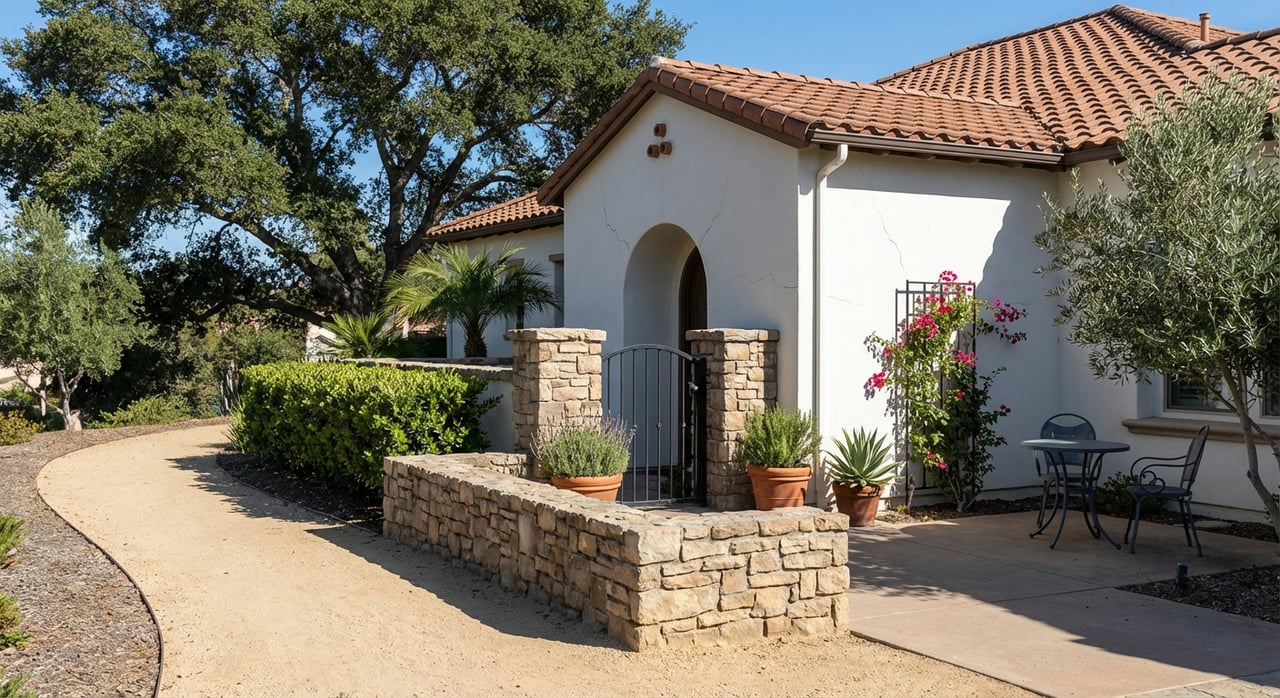
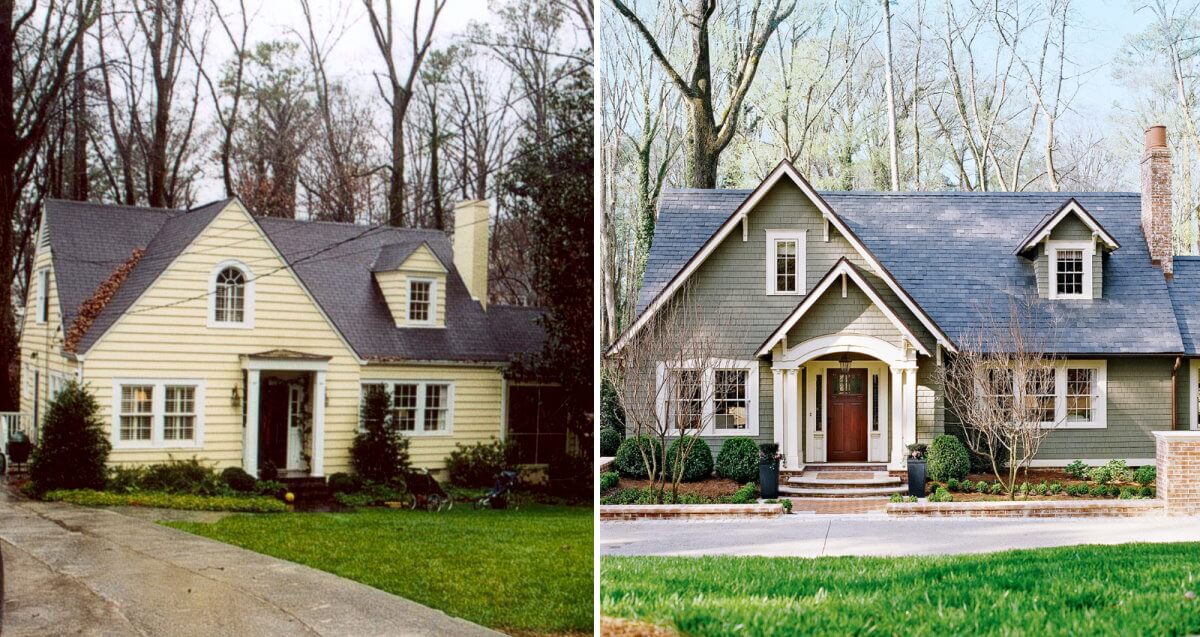
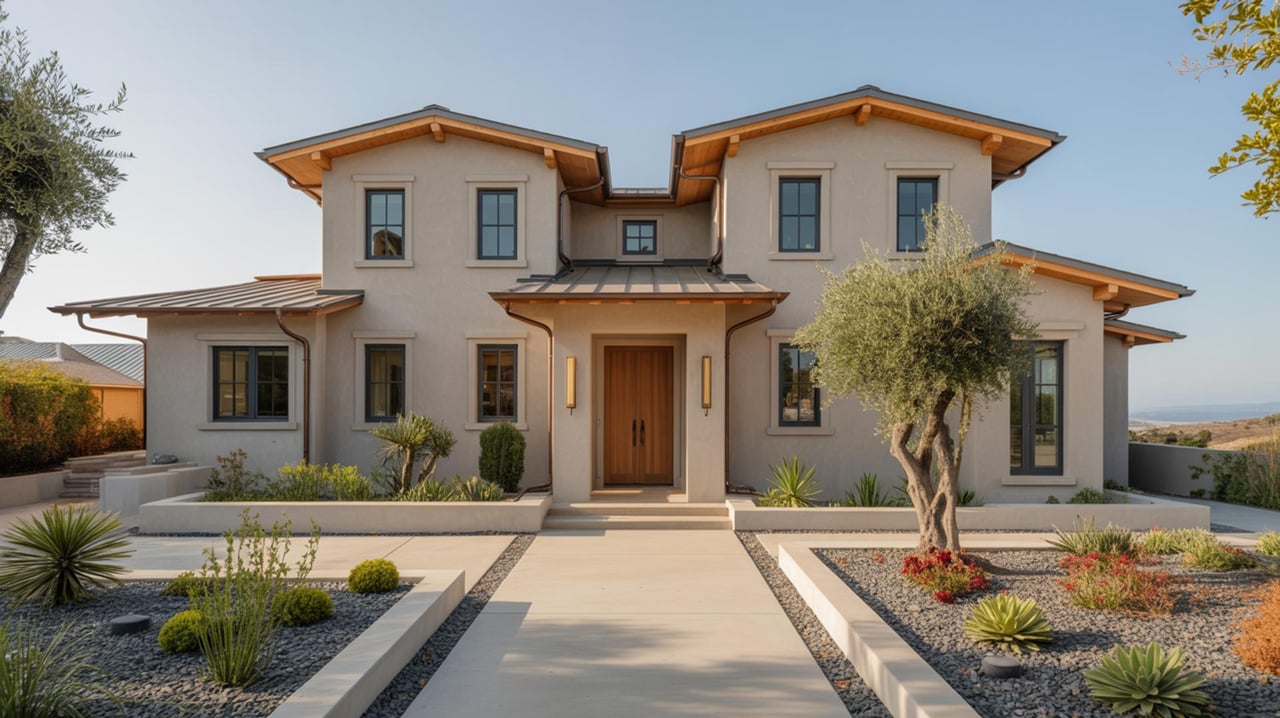
- Entry statement: A freshly painted front door, clean house numbers, and working porch lighting always help. Add simple container plants to frame the entry.
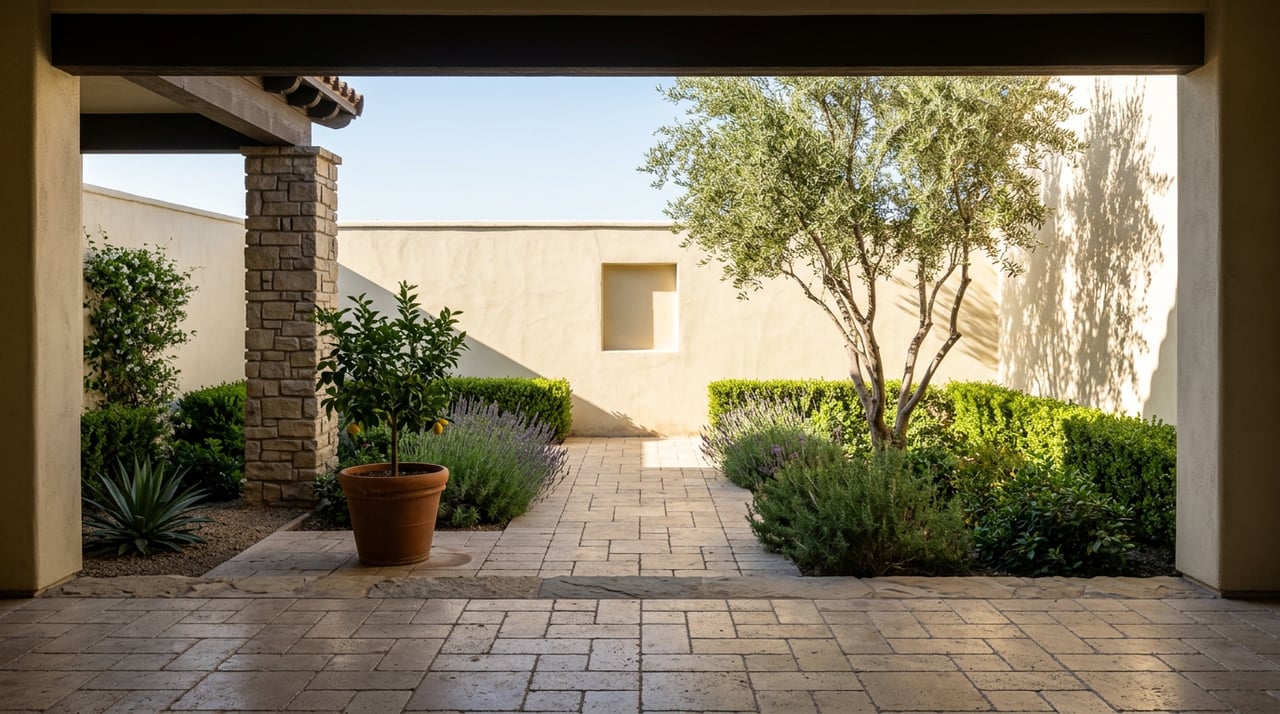
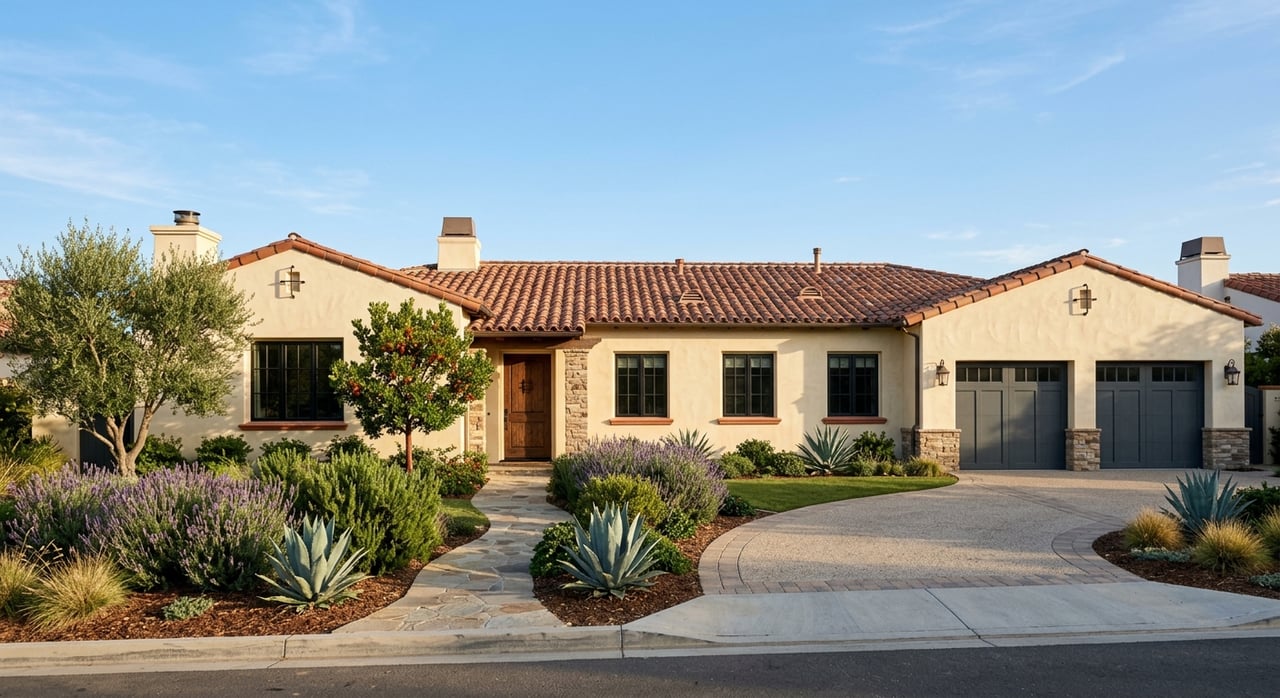
- Landscape refresh: Focus on pruning, mulch, and a tidy lawn edge. Replace dead or drought-stressed plants with hardy, attractive alternatives suited to our dry summers.
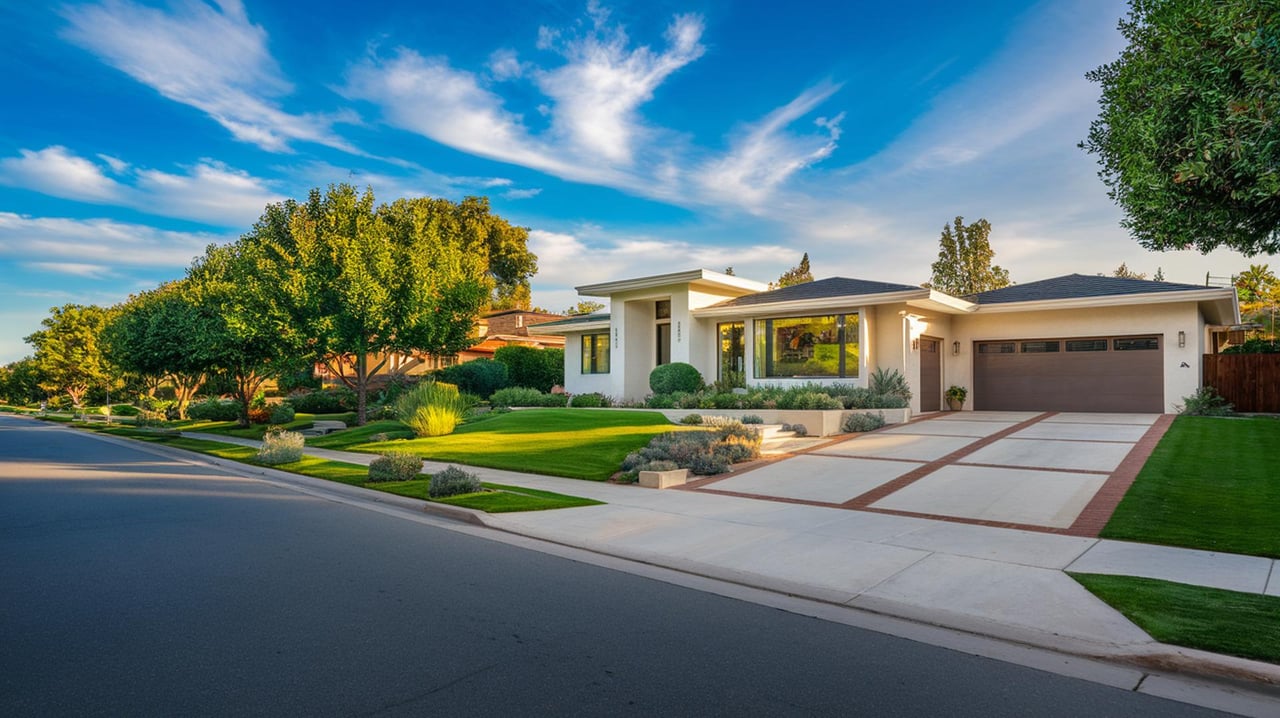
- Hardscape care: Clean walkways and driveways. Repair minor cracks or loose pavers where possible.
Interior staging priorities
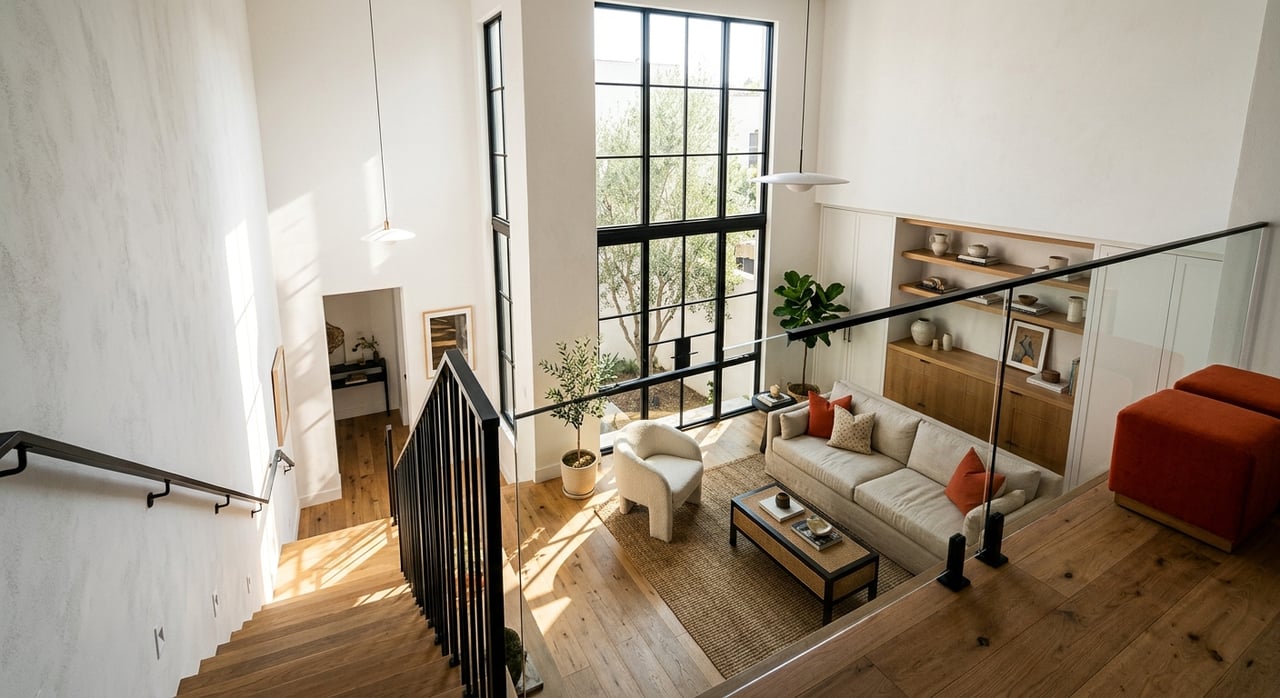
- Light and sightlines: Clean windows, open curtains, and remove heavy drapes. Use mirrors strategically to brighten rooms.
- Versatile spaces: Highlight an office or study nook, which many buyers value. Show simple, livable layouts that make rooms feel larger.
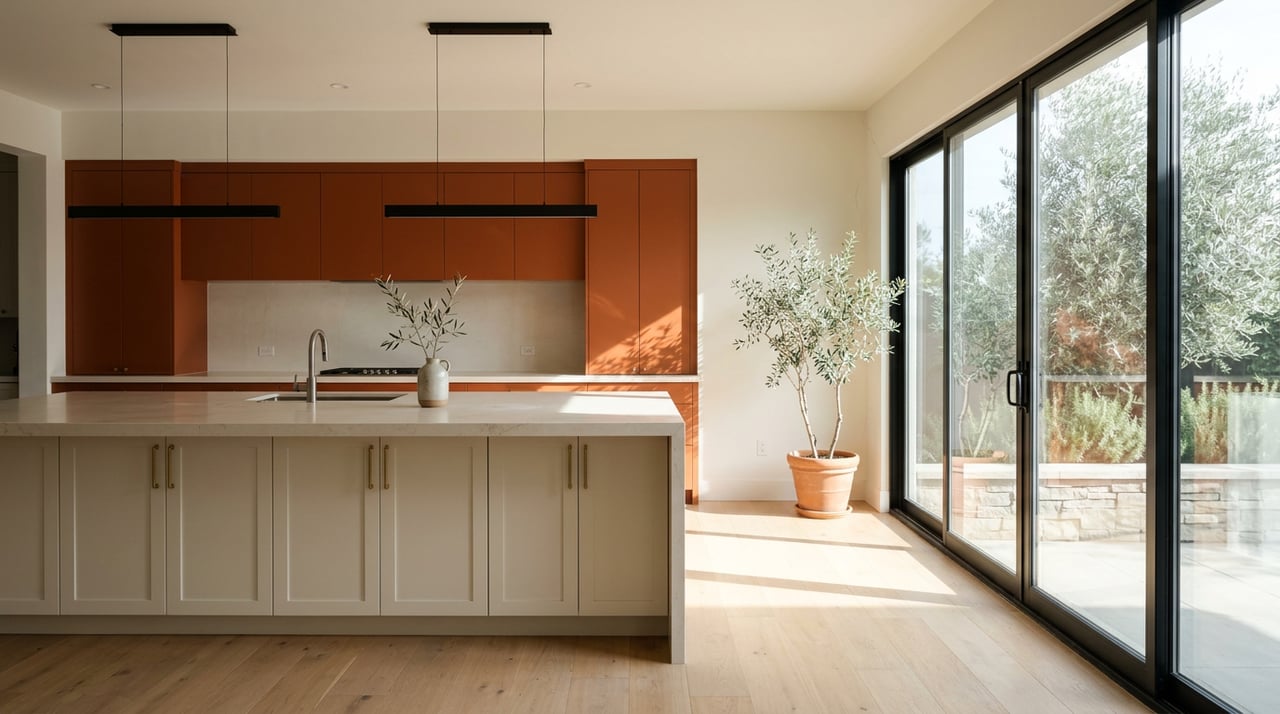
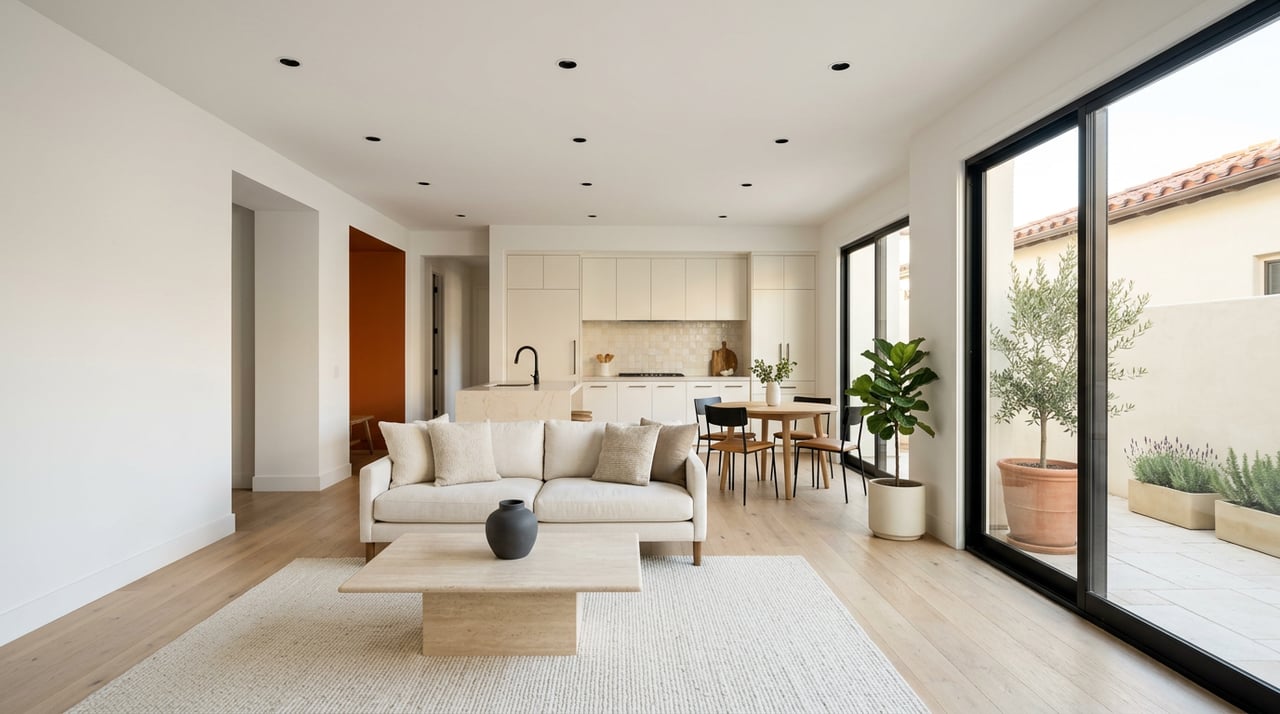
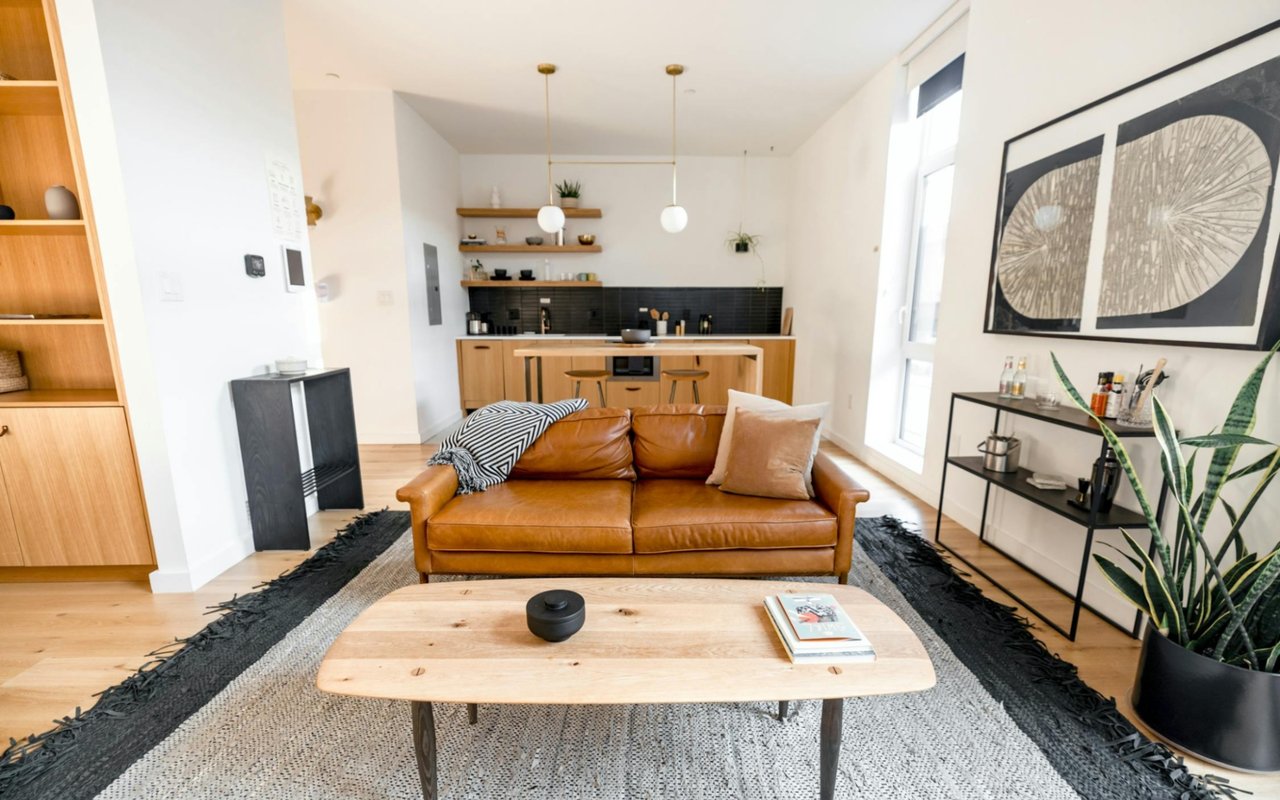
- Main living areas first: Stage the living room, kitchen, dining, and primary suite with neutral decor. Keep surfaces clear and styling minimal.
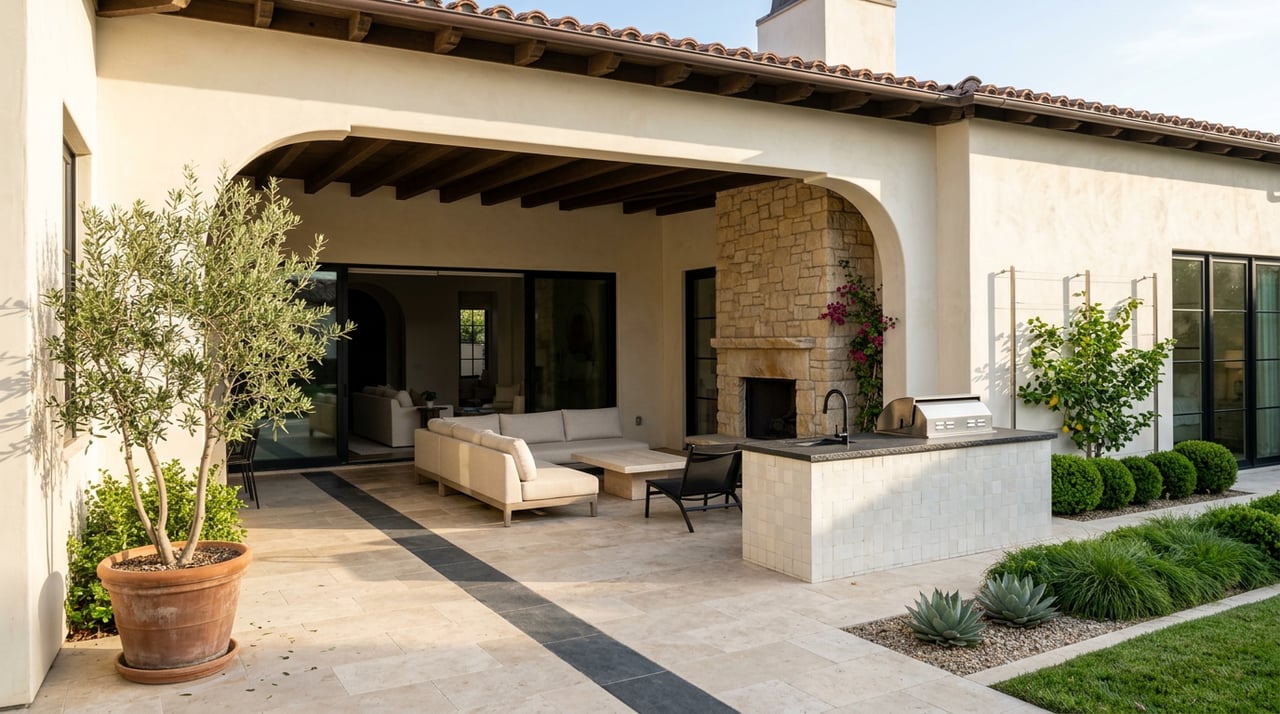
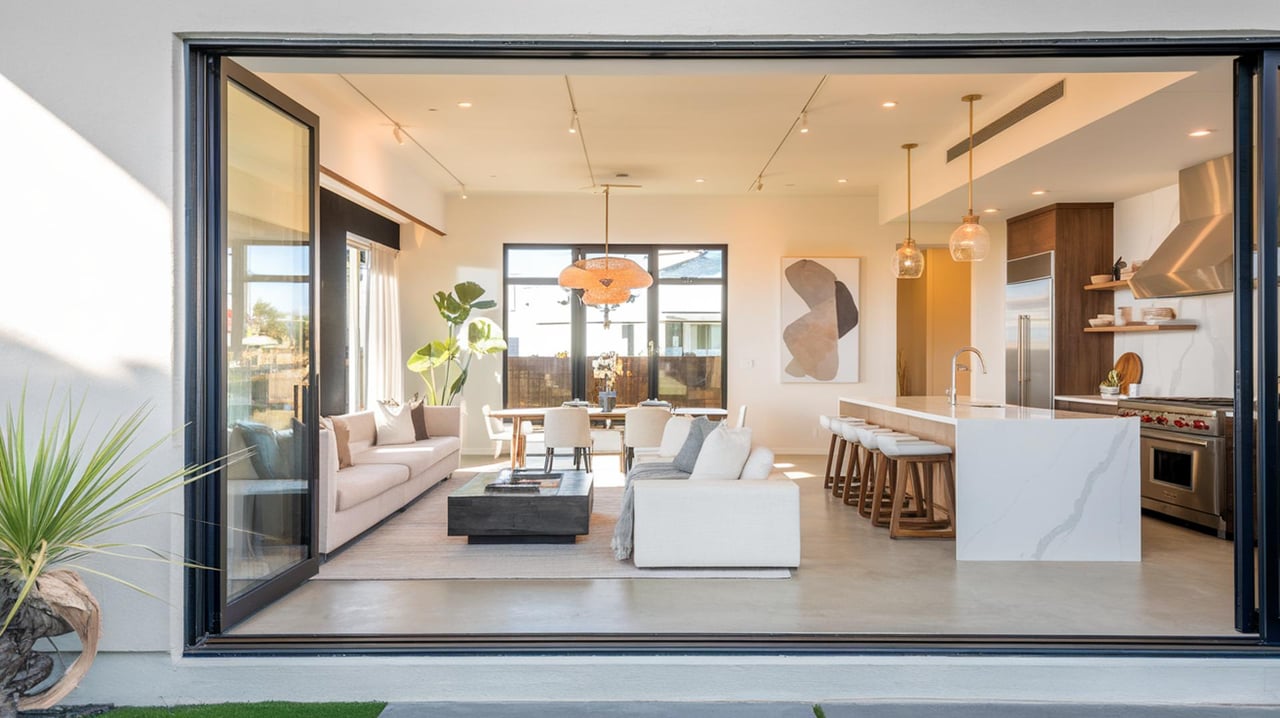
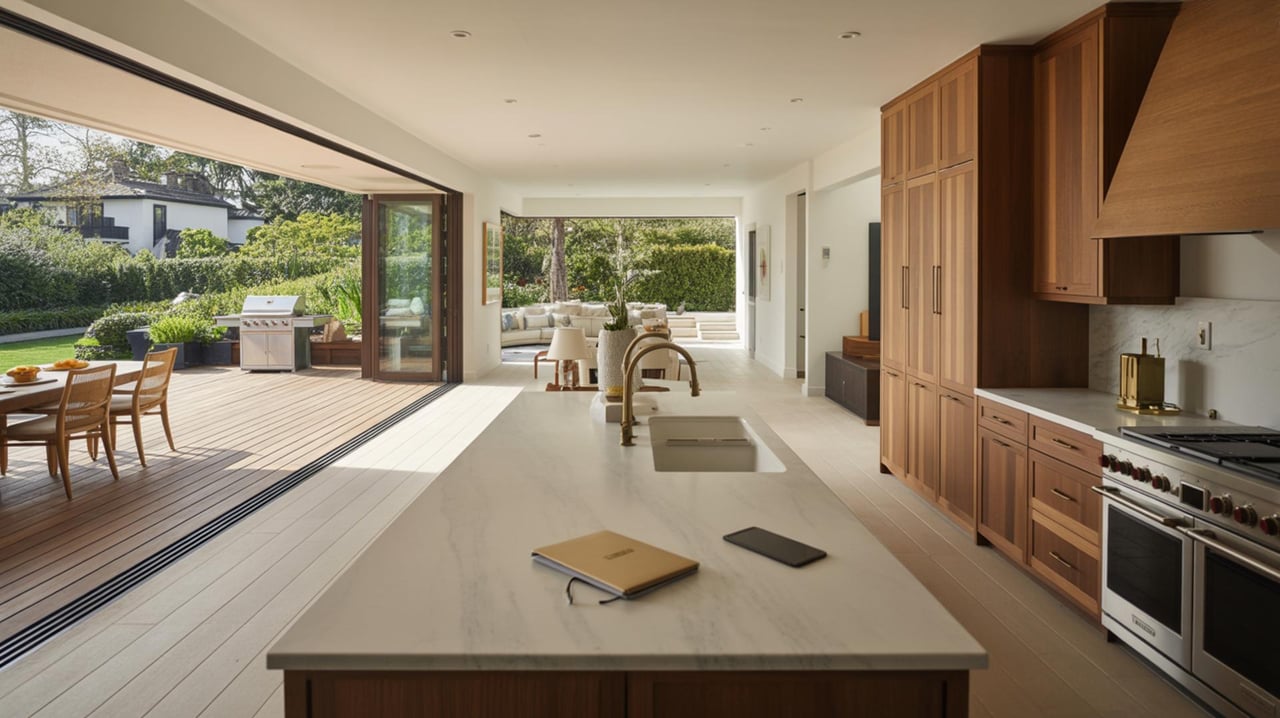
- Outdoor living: Set a small dining area or lounge on the patio or deck to extend usable space.
Photography and showing tips
- Aim for a sunny day to capture exterior color and landscape detail.
- Capture exterior shots in morning or late afternoon for softer light.
- Finish staging before photos. Remove excess rugs, cords, and small appliances. Keep decor minimal so the home, not the styling, takes center stage.
- Confirm showing plans around weather. If rain hits, do a fast entry refresh before buyers arrive.
Putting it all together
You do not need a full remodel to sell well in Danville. Focus on the right tasks in the right order, and time your launch to meet peak demand. With a clear 90-day plan, polished presentation, and thoughtful marketing, you can attract more showings and stronger offers.
If you want help building a tailored timeline, coordinating vendors, and staging for maximum impact, the Nivi Das Team pairs architectural insight with high-touch listing management and premium marketing. Get your home valuation and a custom prep plan today.
FAQs
What is the best month to list a home in Danville?
- Spring months, generally March through June, often produce the most buyer interest in suburban family markets. Listing in early spring gives time to attract offers and close by summer.
Should I remodel before selling my Danville home?
- Major remodels that need permits rarely fit a 90-day runway and may not deliver a full return. Focus on high-impact cosmetic updates, maintenance, and staging.
Are pre-listing inspections worth it in Danville?
- They can be helpful, especially for older homes or competitive markets. An inspection identifies issues early and can reduce surprises, though it may uncover repairs to address.
How far in advance should I book contractors?
- Entering spring, many trades book 4 to 8 weeks out. Reserve painters, flooring, and landscaping early and keep a buffer for weather or supply delays.
How do I align my sale with the school year?
- Families often target moves that close in early or mid-summer. Listing in spring provides runway for offers, escrow, and a summer move.
Do minor updates require permits in Danville?
- Cosmetic work like paint, carpet, and small repairs usually does not require permits. Structural changes and major electrical or plumbing modifications typically do. Consult local planning or building if in doubt.