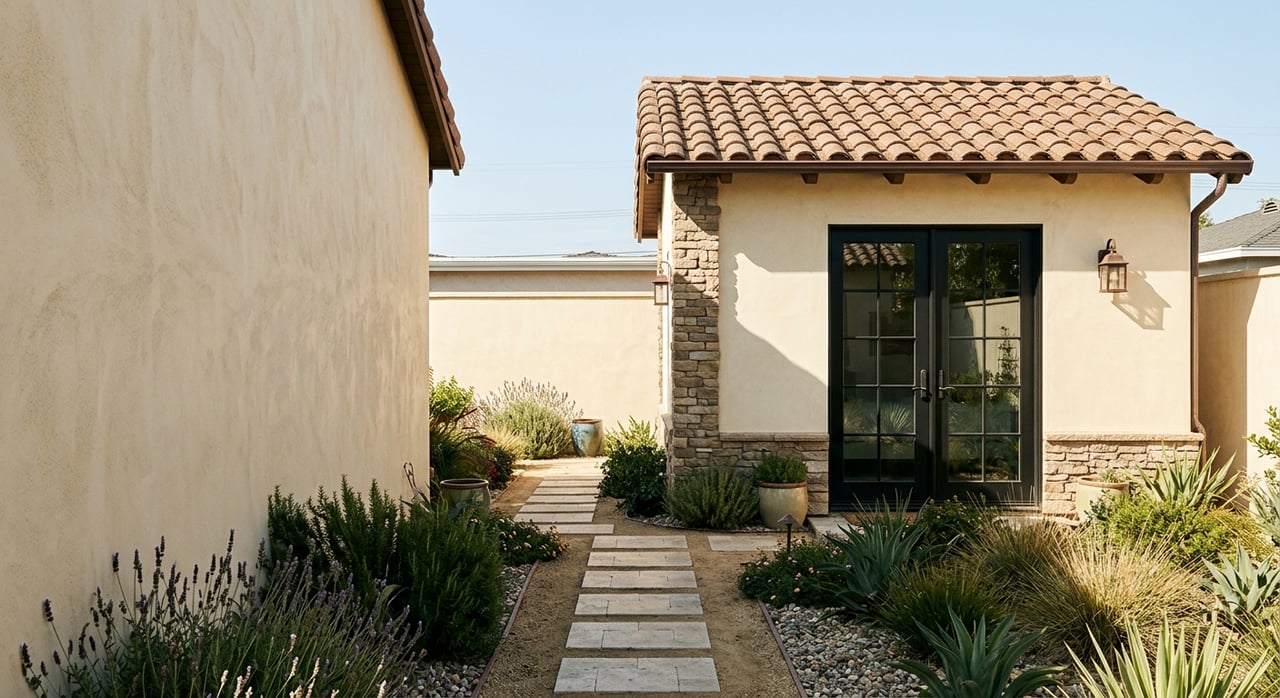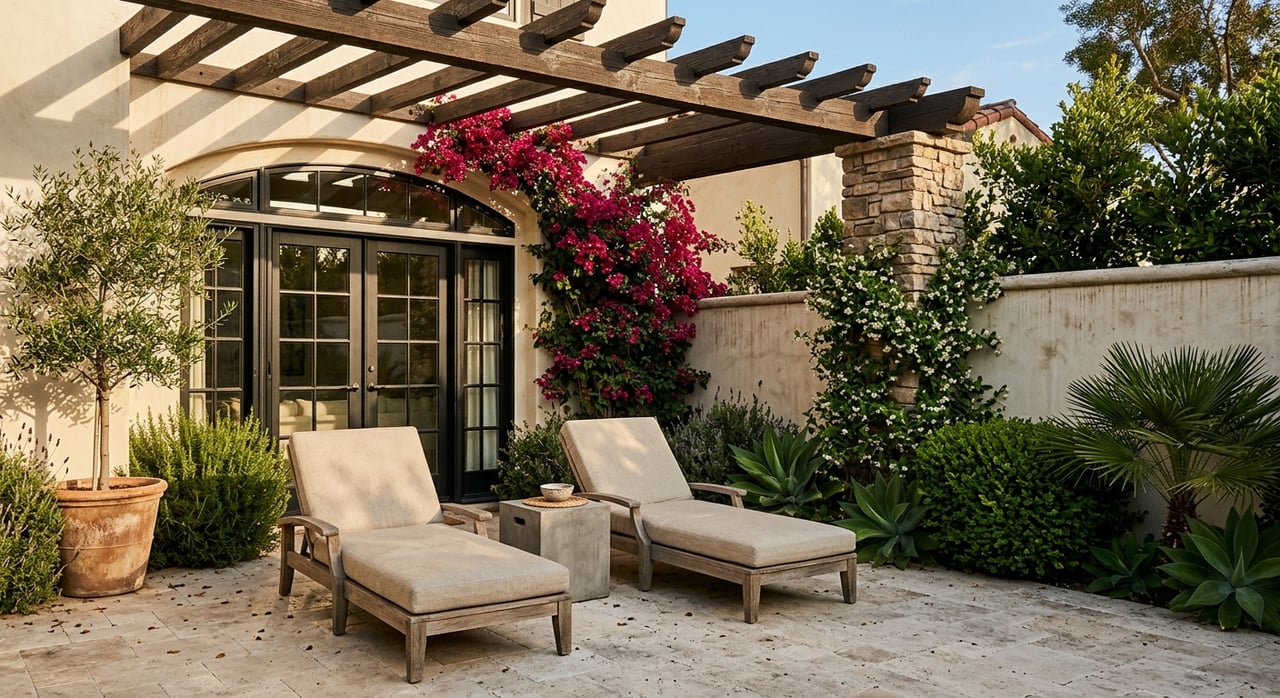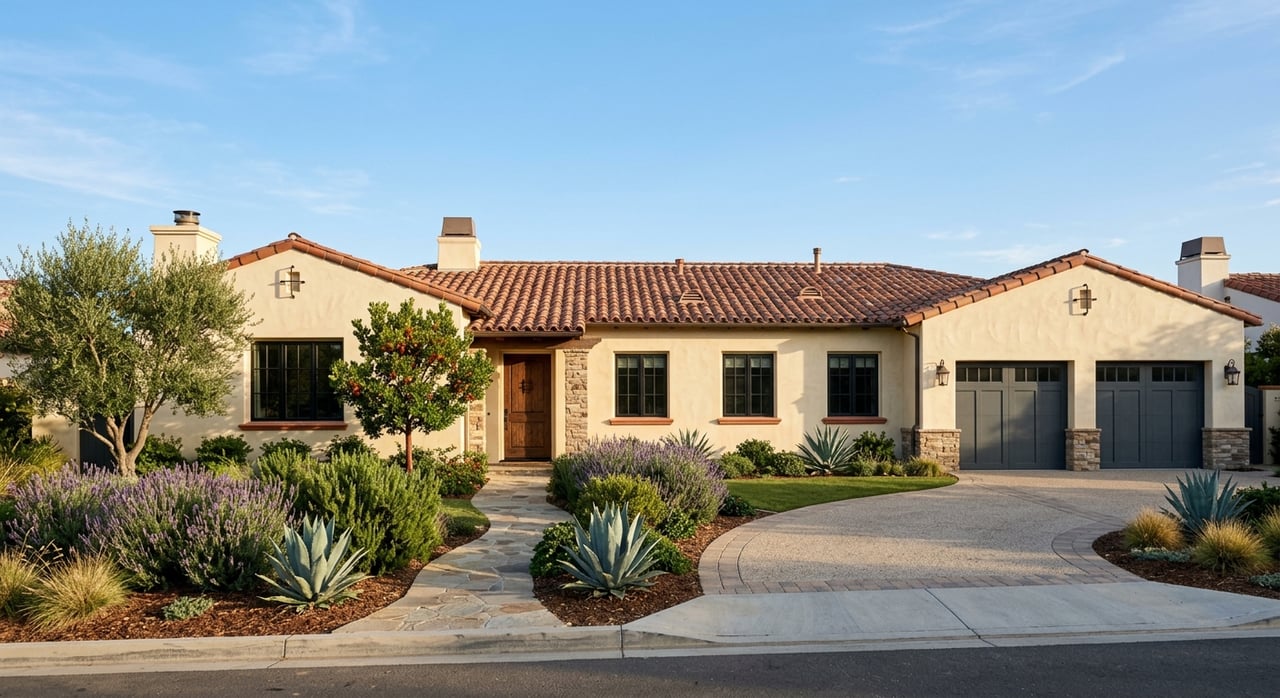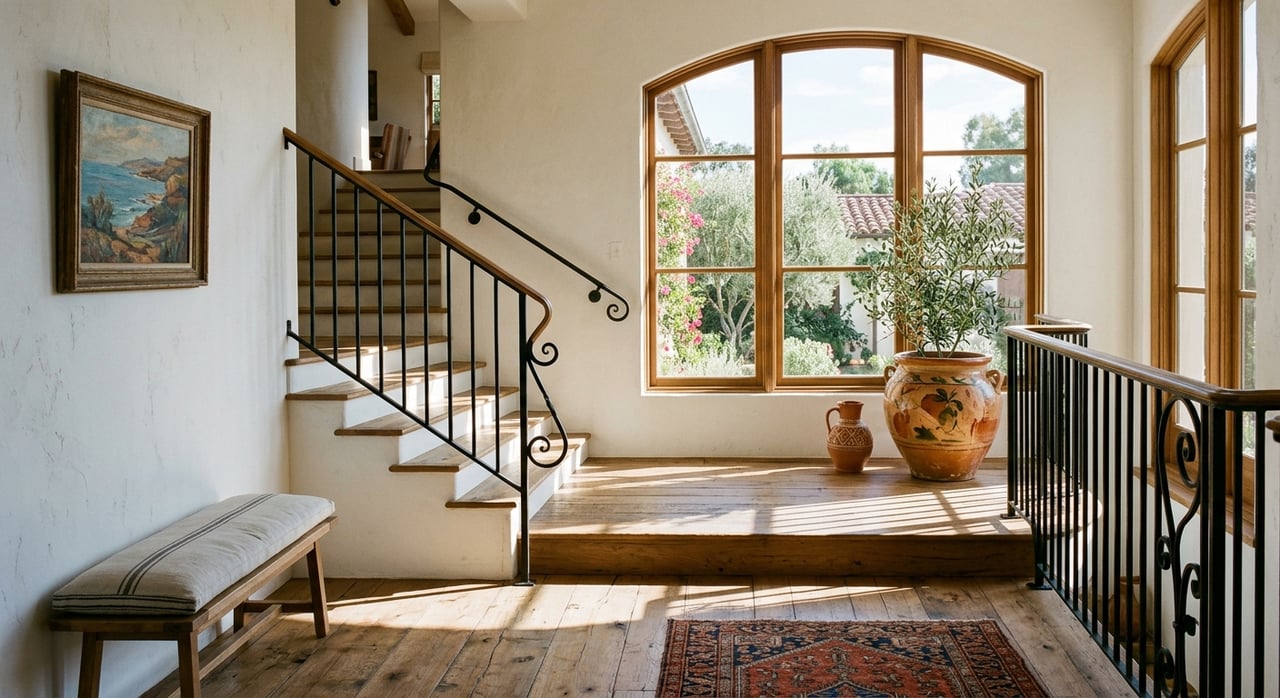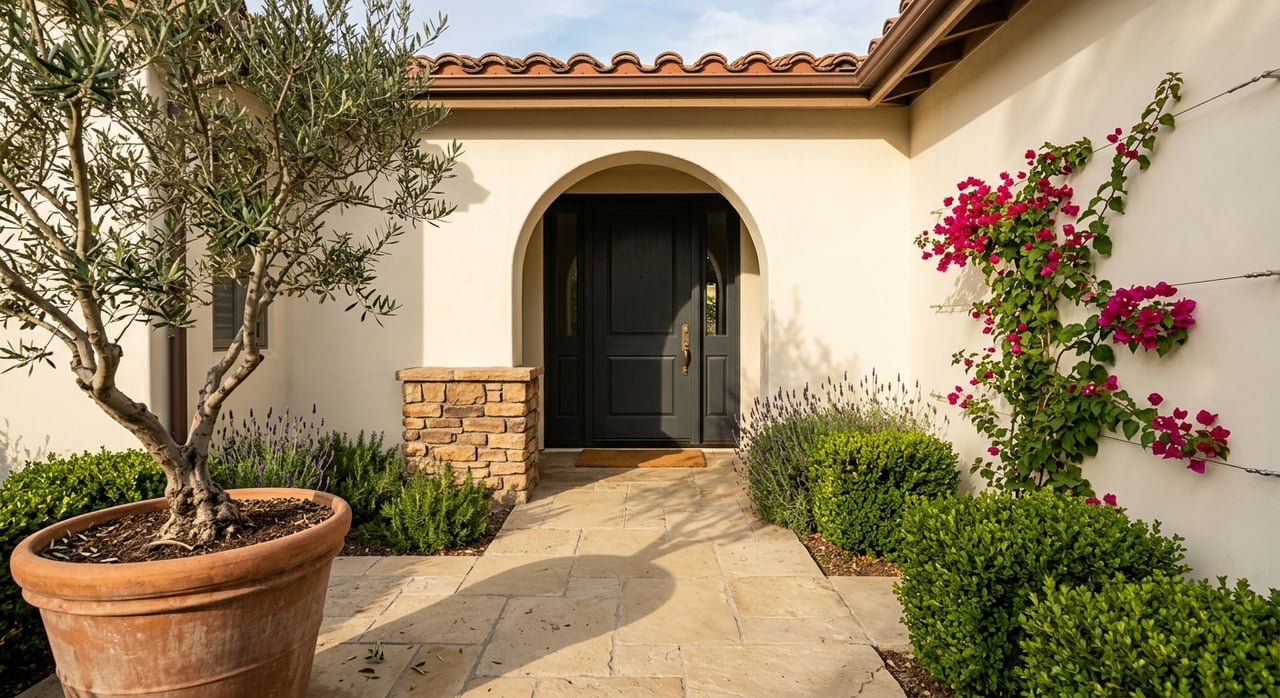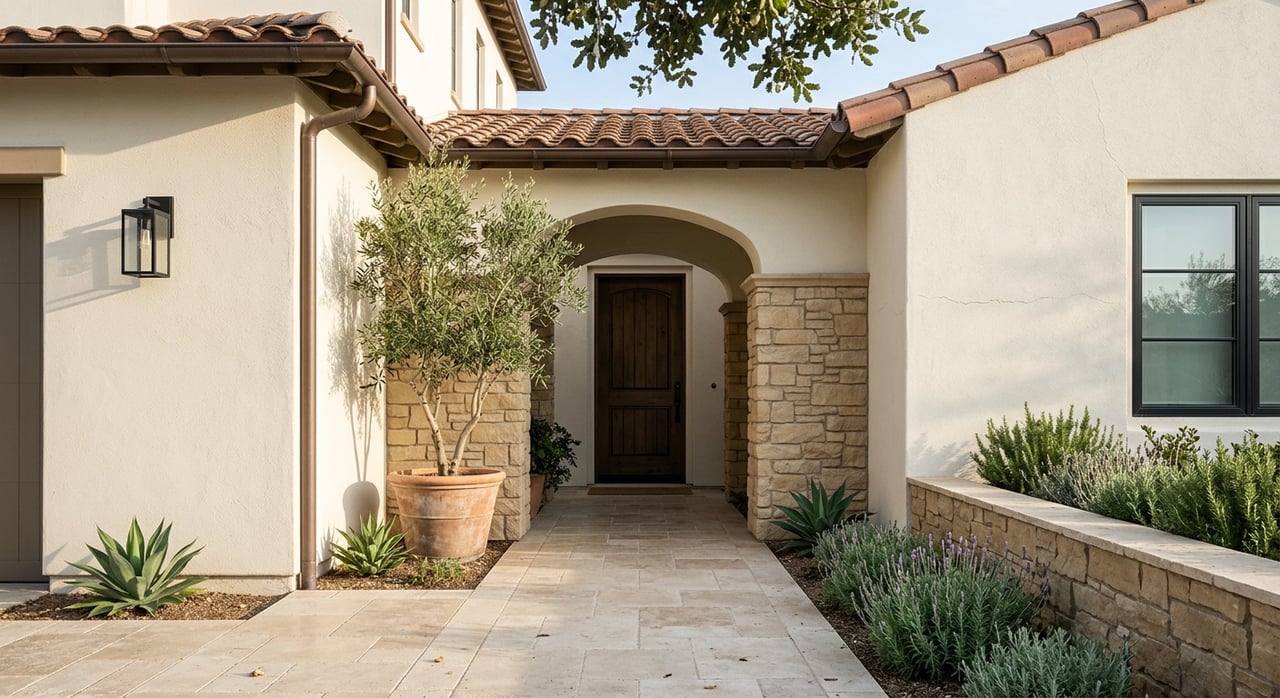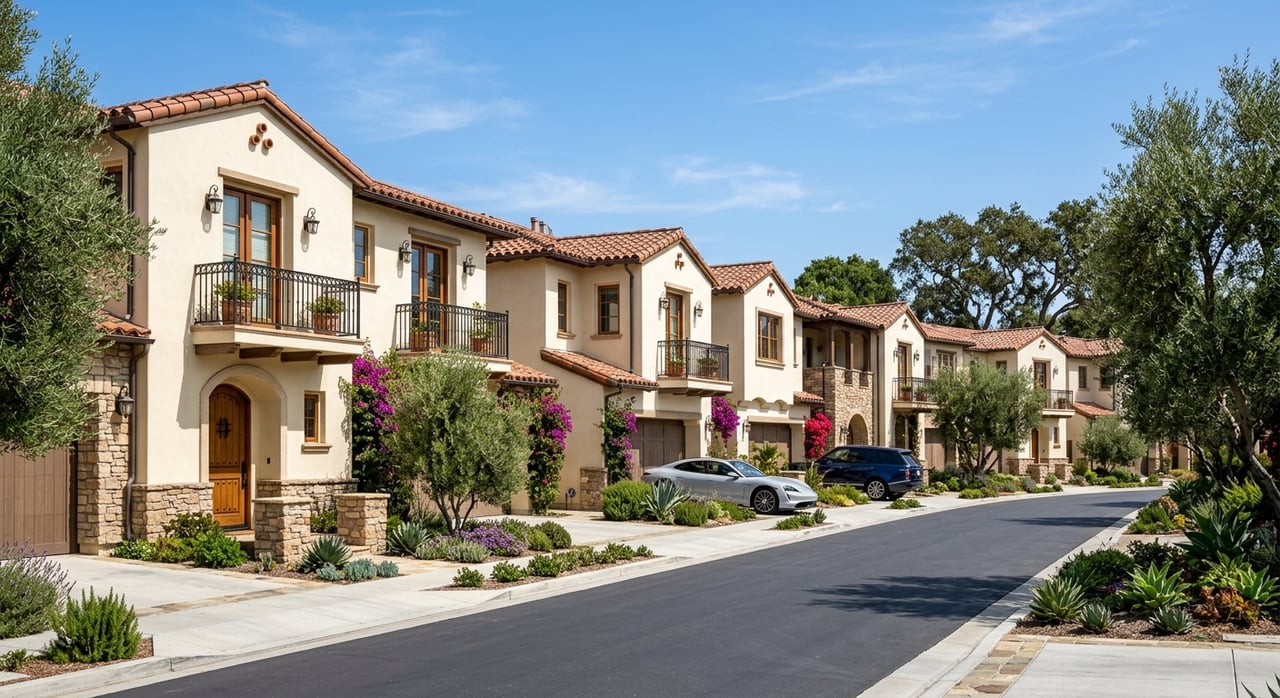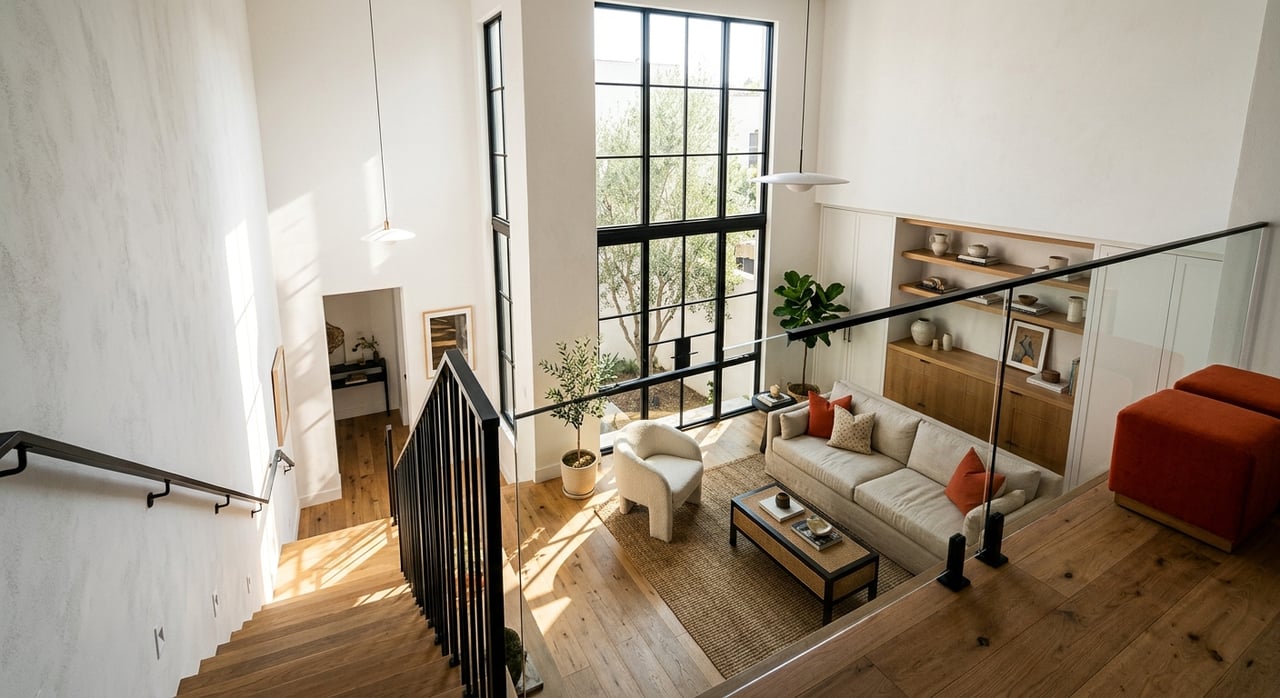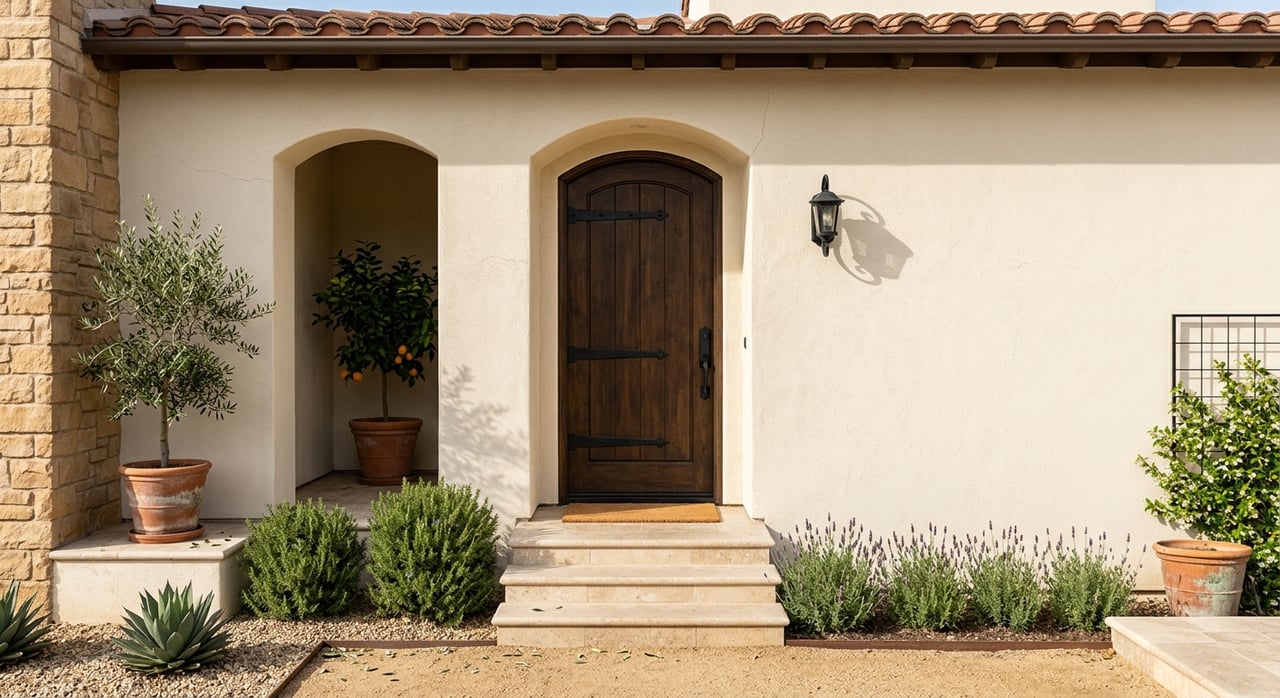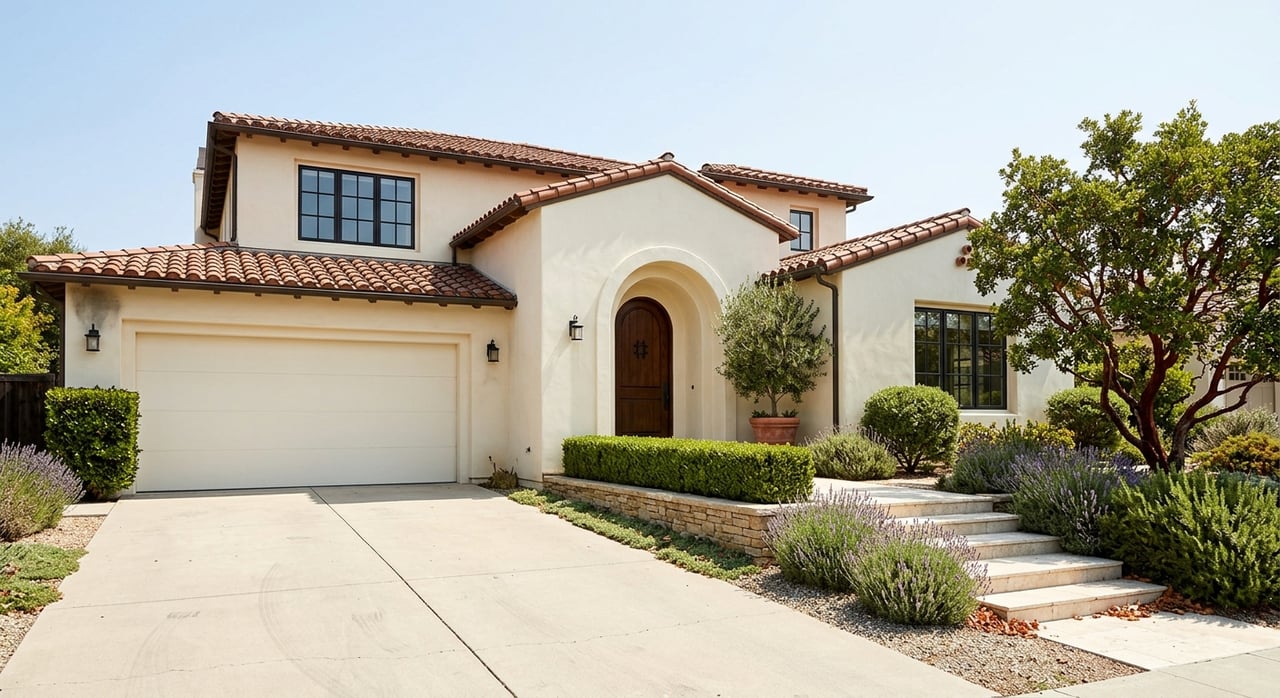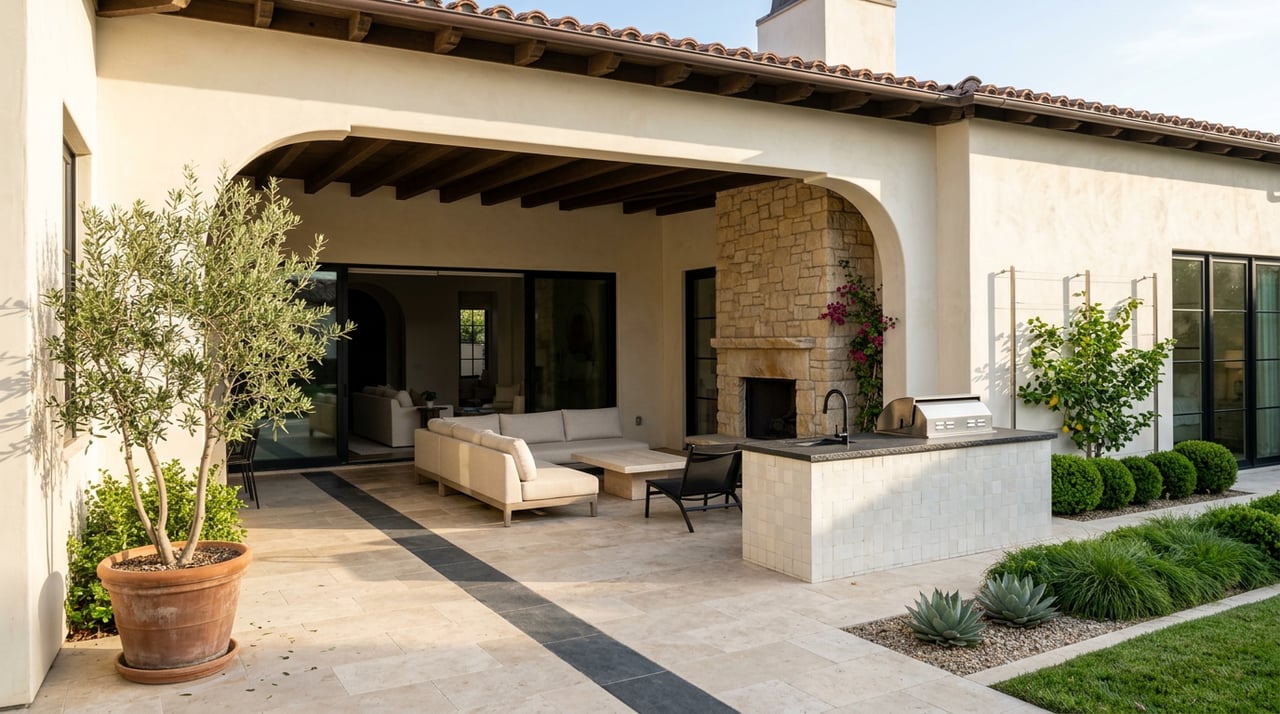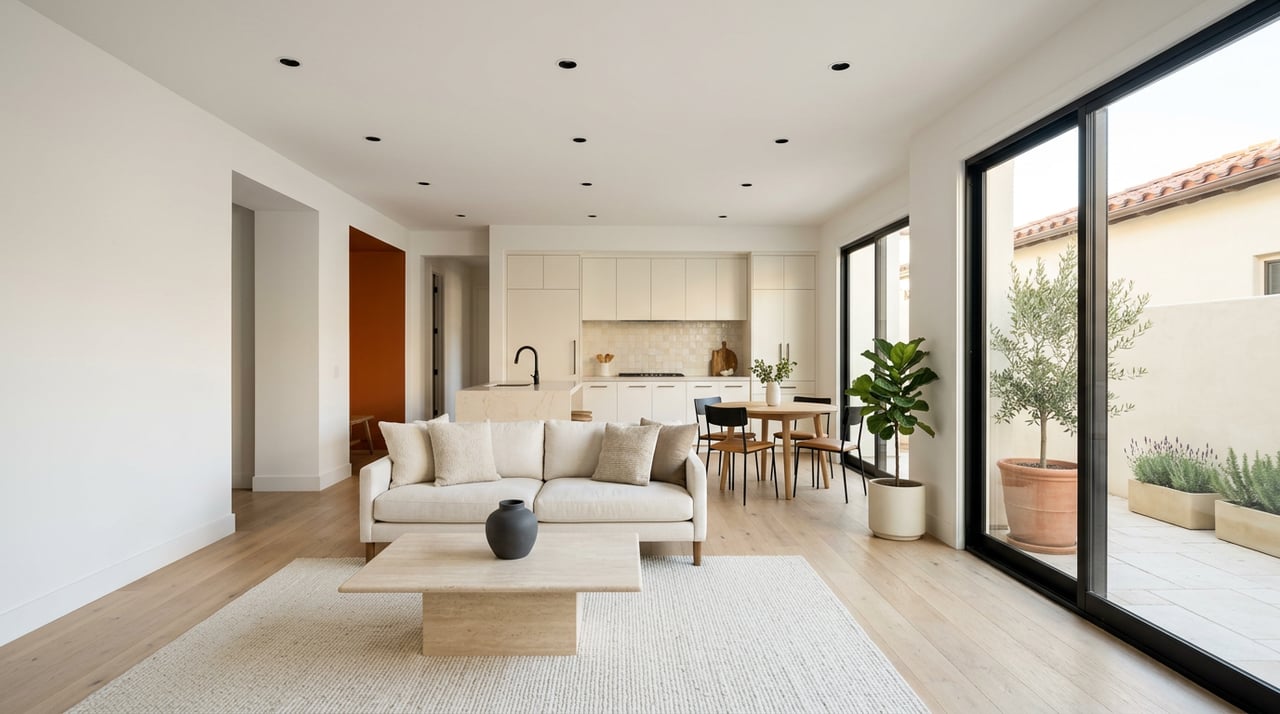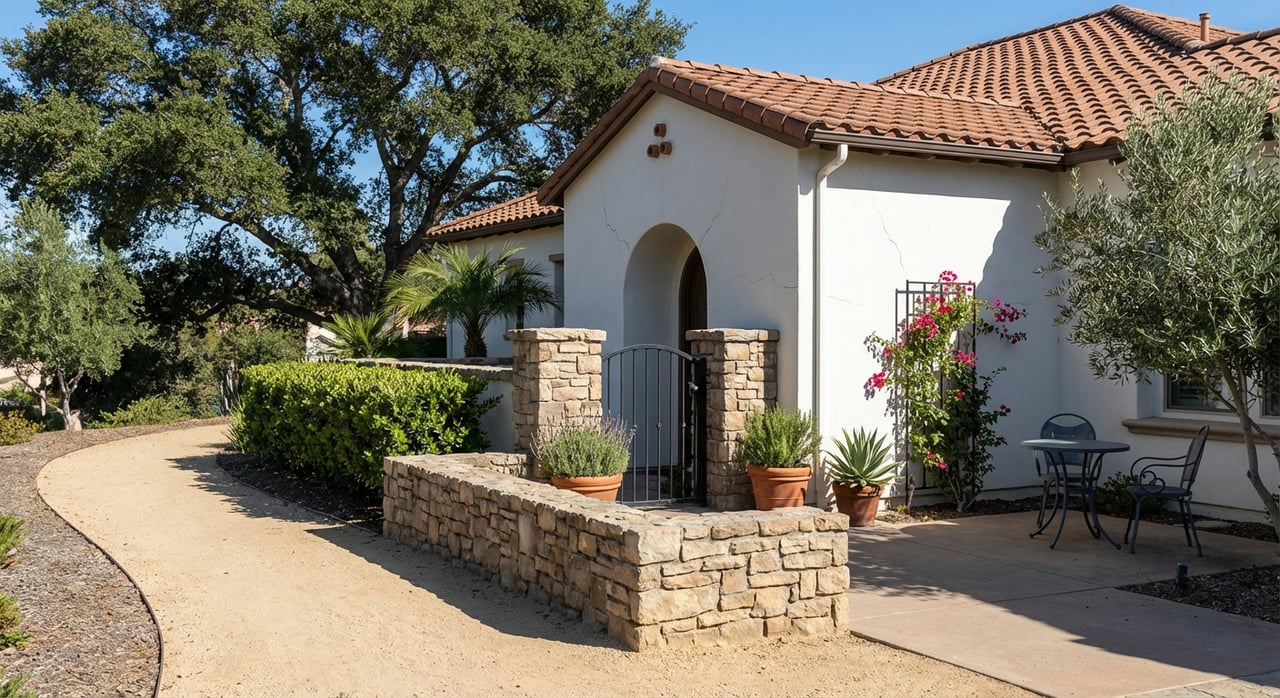

If you want the ease of one-level living in Pleasanton, you may need to look a little more strategically than you would for a typical home search. Single-story homes have a loyal following here because they can offer practical layouts, usable lots, and long-term flexibility, but much of that inventory is tied to older neighborhoods rather than newer construction. This guide will help you understand where to look, what to expect, and how to evaluate a single-story home with confidence. Let’s dive in.
Why single-story homes stand out
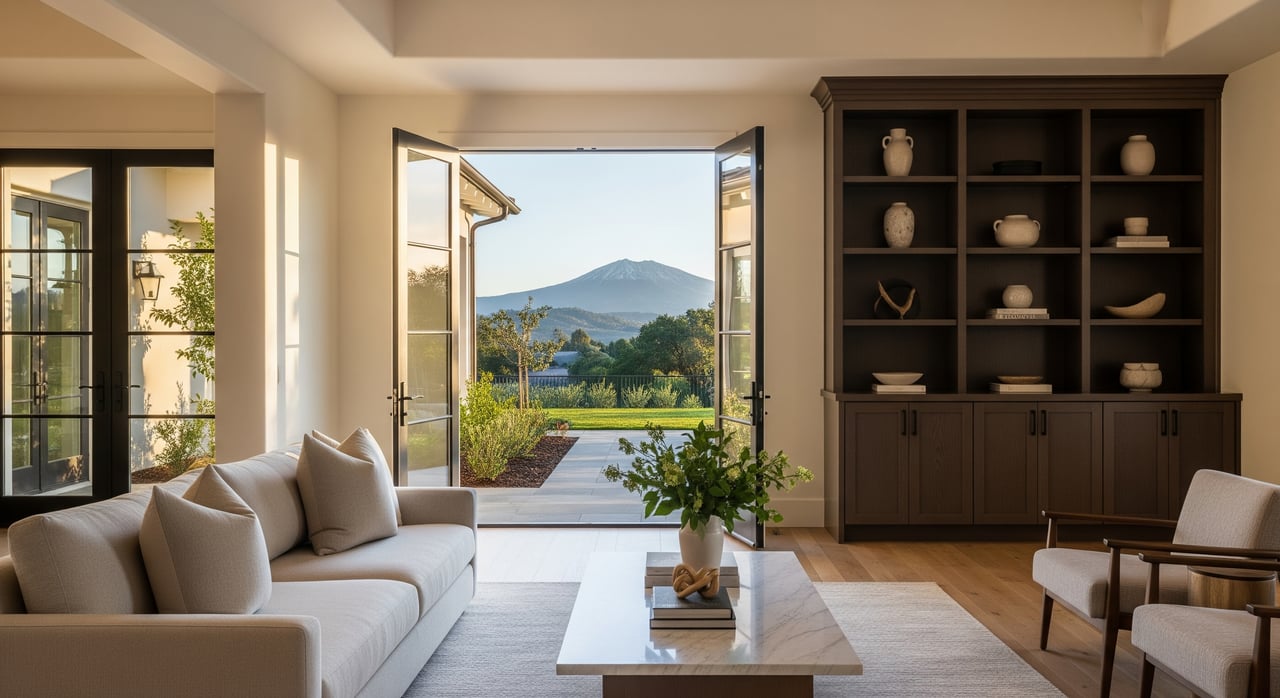
Single-story living appeals to buyers for simple, practical reasons. Fewer stairs can make everyday life easier, and a one-level layout often supports better flow between bedrooms, living areas, and outdoor space.
That appeal matters even more in a market like Pleasanton, where well-positioned homes can move quickly. Recent market snapshots described Pleasanton as a seller’s market, with homes selling around asking price on average and receiving multiple offers, which means buyers benefit from knowing exactly what features matter most before they start touring.
Where single-story homes are usually found
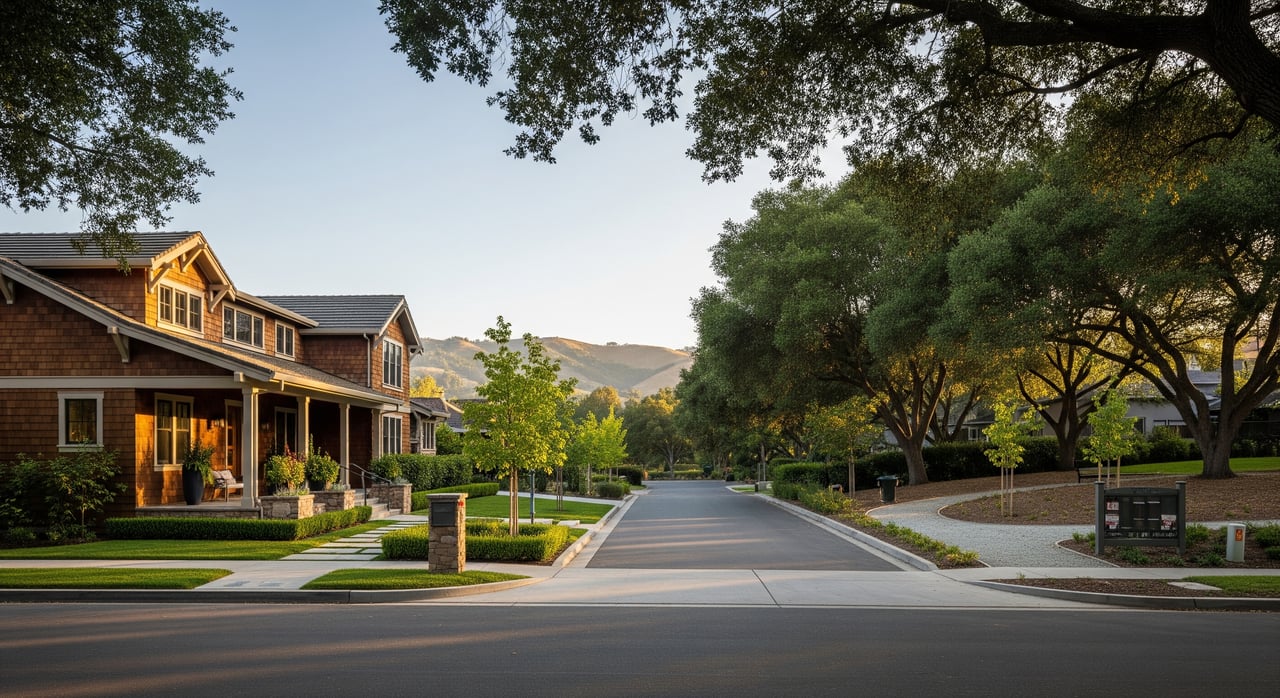
In Pleasanton, single-story inventory is most often part of an older-neighborhood story. The city reports that the largest share of housing was built between 1980 and 1999, while only a small share was built before 1960, so many of the best-known one-level options are concentrated in established tracts and larger-lot pockets rather than spread evenly across the city.
That is important because the value of these homes often comes from a mix of layout, lot size, mature surroundings, and location. The tradeoff is that many are original or only lightly updated, so buyers should expect more variation in condition than they might find in newer homes.
Central Pleasanton neighborhoods
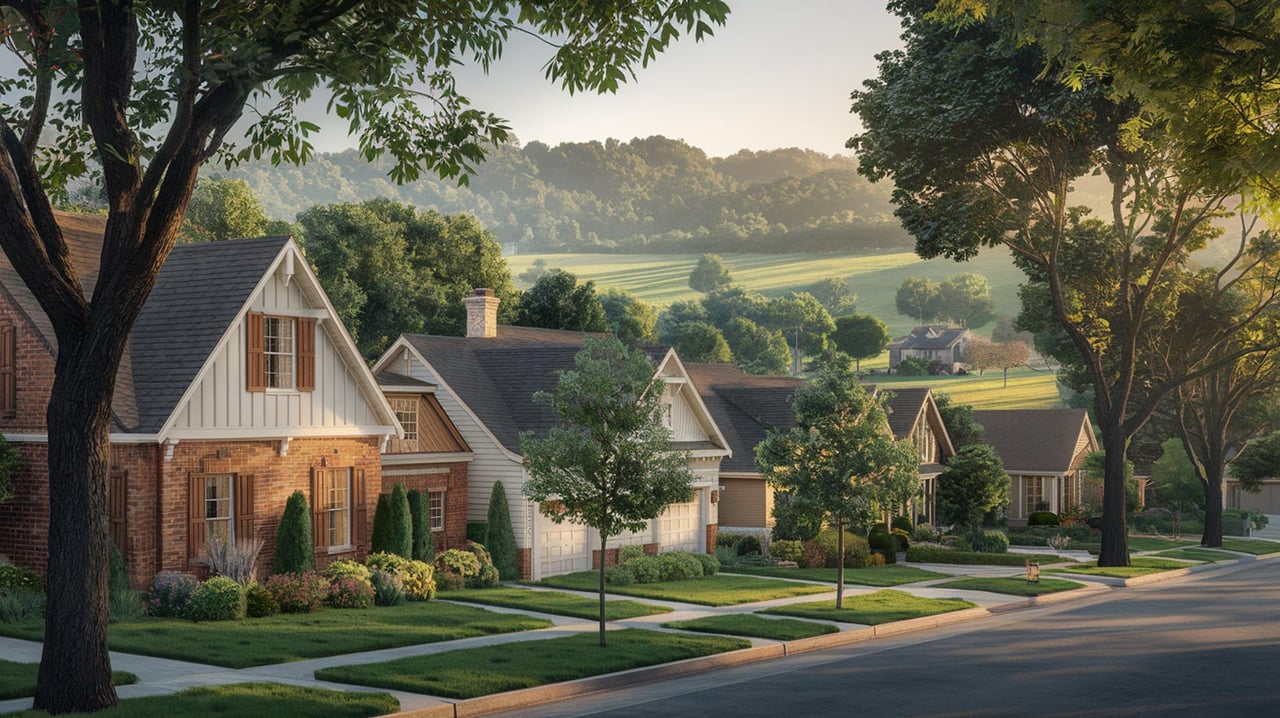
Several established neighborhoods are strong starting points if single-story living is high on your list. Pleasanton Valley, Birdland, Val Vista, Valley Trails, Jensen Tract, and Amador Estates all stand out because they include detached homes with floor plans and lot patterns that commonly produce one-level options.
Val Vista and Valley Trails are classic examples of Pleasanton ranch-home stock. These neighborhoods were built in the late 1960s and early 1970s, with homes typically ranging from about 1,300 to 1,950 square feet and lots often around 6,000 to 8,000 square feet.
Pleasanton Valley and Birdland are another major part of the single-story conversation. Homes there were built in phases from the mid-1960s through the 1970s, with sizes that generally range from about 1,500 to more than 2,600 square feet, and many lots fall between 6,500 and 8,000 square feet, with some larger parcels.
Jensen Tract and Amador Estates can also be worth close attention. These areas are known for mostly single-level ranch homes, often in more modest size ranges, which can appeal to buyers who want simpler living without taking on more house than they need.
Larger-lot options in Happy Valley
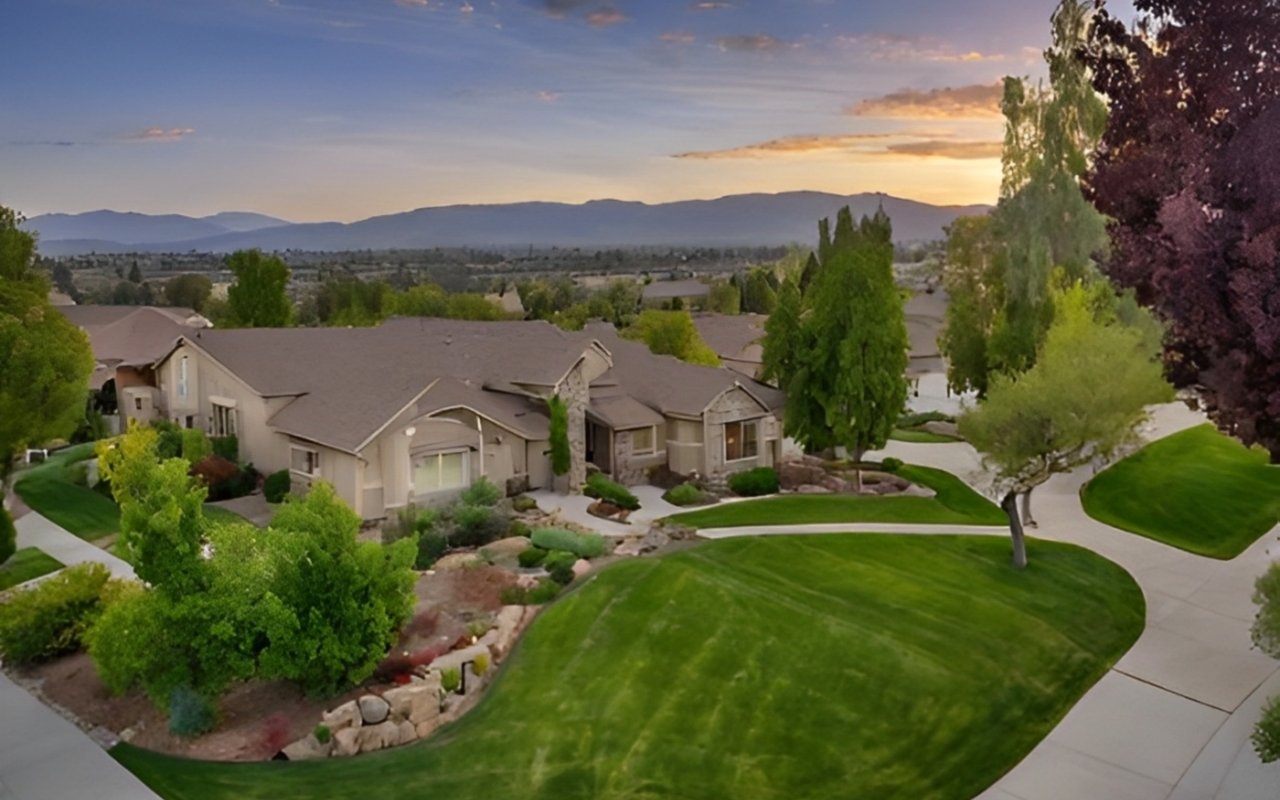
If your idea of single-story living includes more privacy, more outdoor space, or a more spread-out setting, Happy Valley deserves a close look. The city describes this area as low density, and local neighborhood information points to original ranch homes on lots ranging from half an acre to as much as 10 acres.
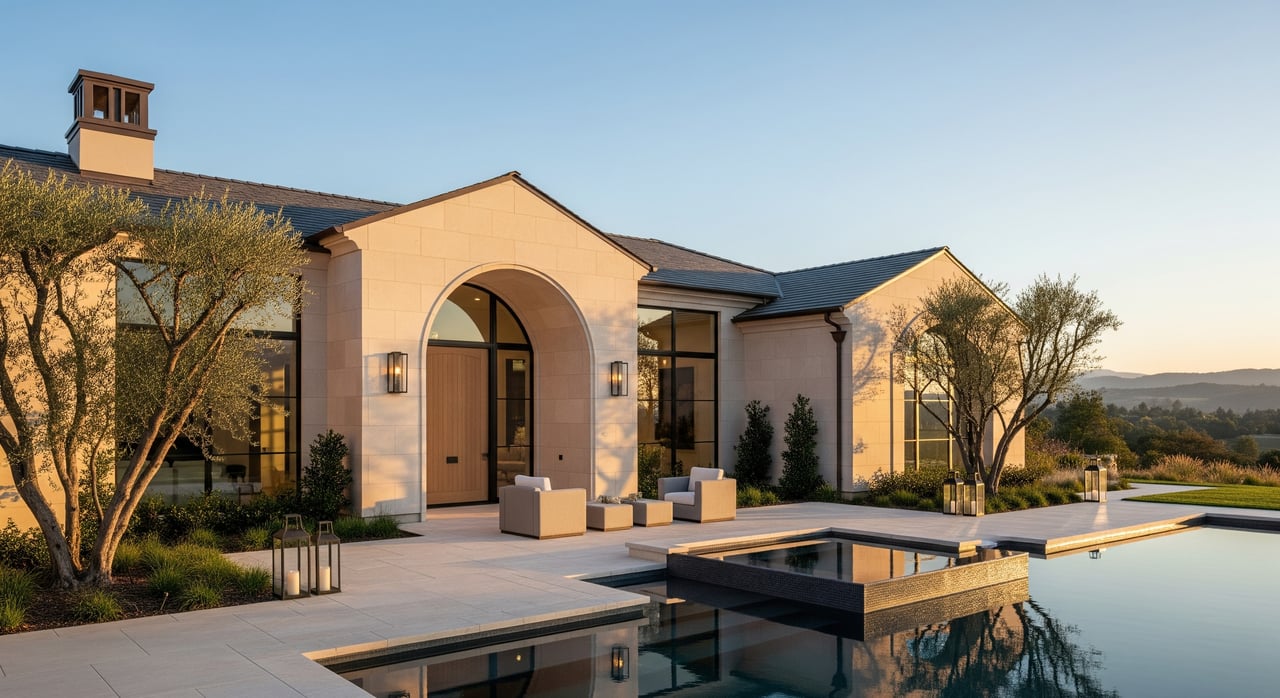
This part of Pleasanton also includes newer custom homes near the golf course, with some larger residences on lots starting around one-third acre. For buyers who want space for outdoor living, flexibility, or a more secluded feel, Happy Valley offers a very different experience from the tighter patterns found in many central tracts.
Vintage Hills as a flexible option
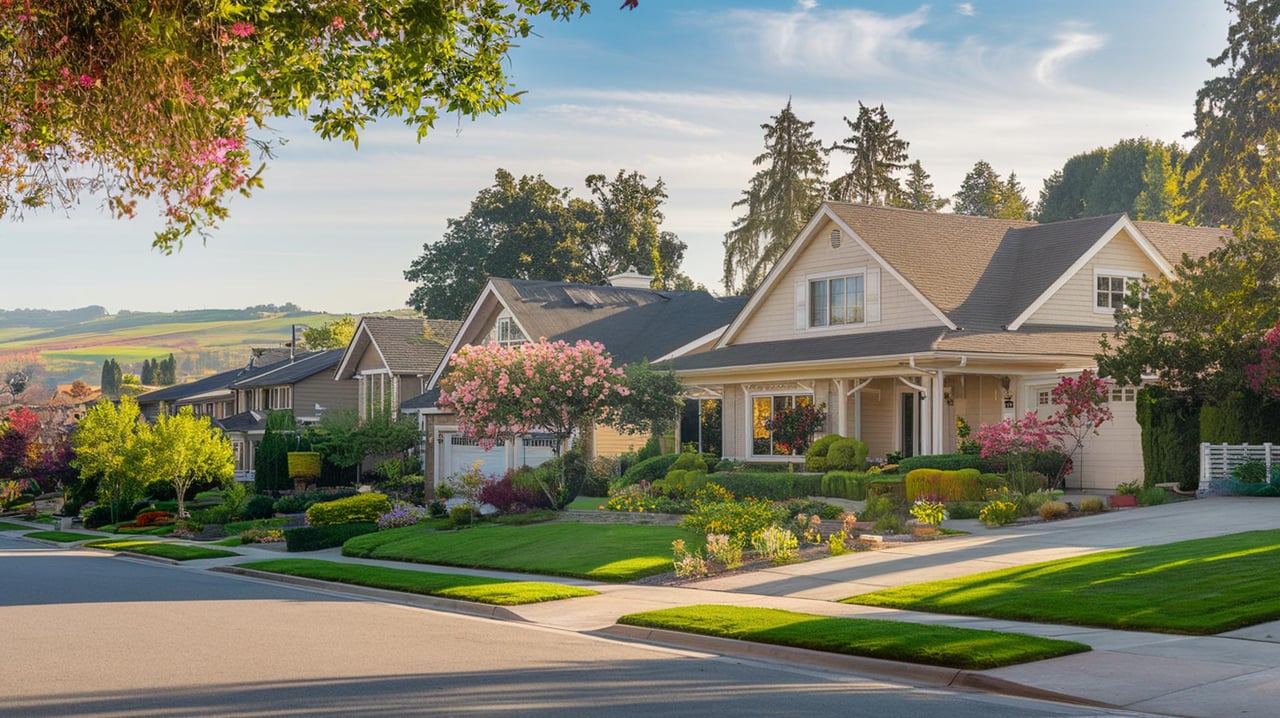
Vintage Hills is not exclusively single-story, but it still belongs on many buyers’ shortlists. Built largely in the 1970s, it includes both one-story and two-story homes, with floor plans from roughly 1,400 to more than 2,300 square feet and lots that often range from 6,500 to 10,000 square feet.
This can be a smart neighborhood to consider if you want a mature setting and a larger lot, but you are open to comparing one-level homes with well-designed two-story alternatives. Sometimes that flexibility can widen your options without giving up the neighborhood feel you want.
What buyers should expect from the homes
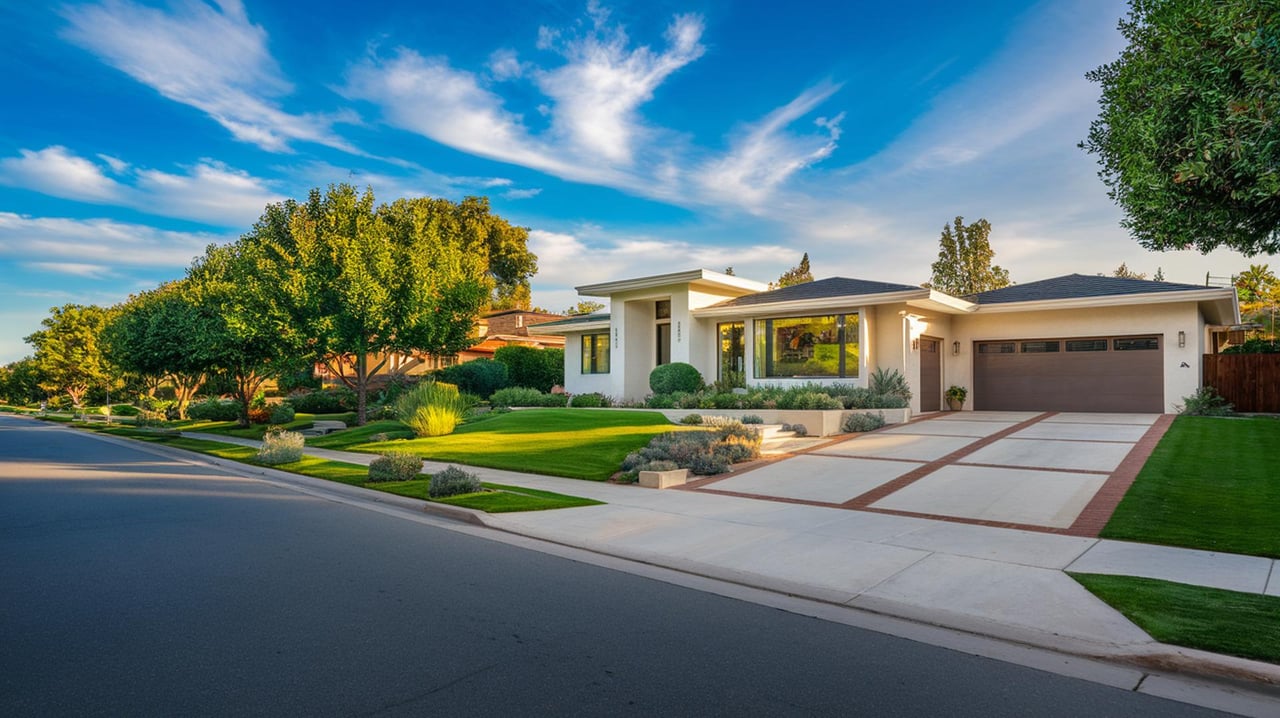
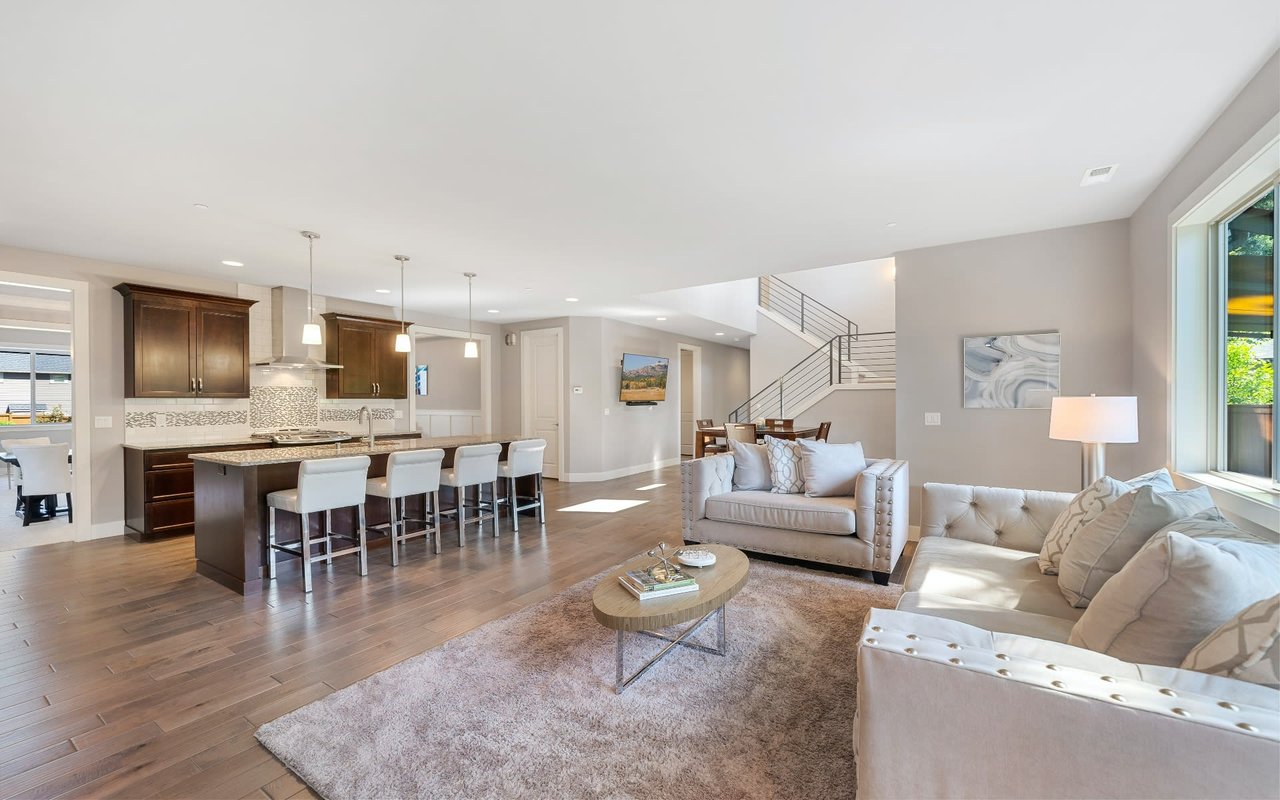
Most Pleasanton single-story homes are not brand-new interpretations of one-level living. They are often ranch-style homes from the 1960s and 1970s, which means they may offer solid footprints, good yard space, and practical room placement, but not always the finishes or updates buyers expect today.
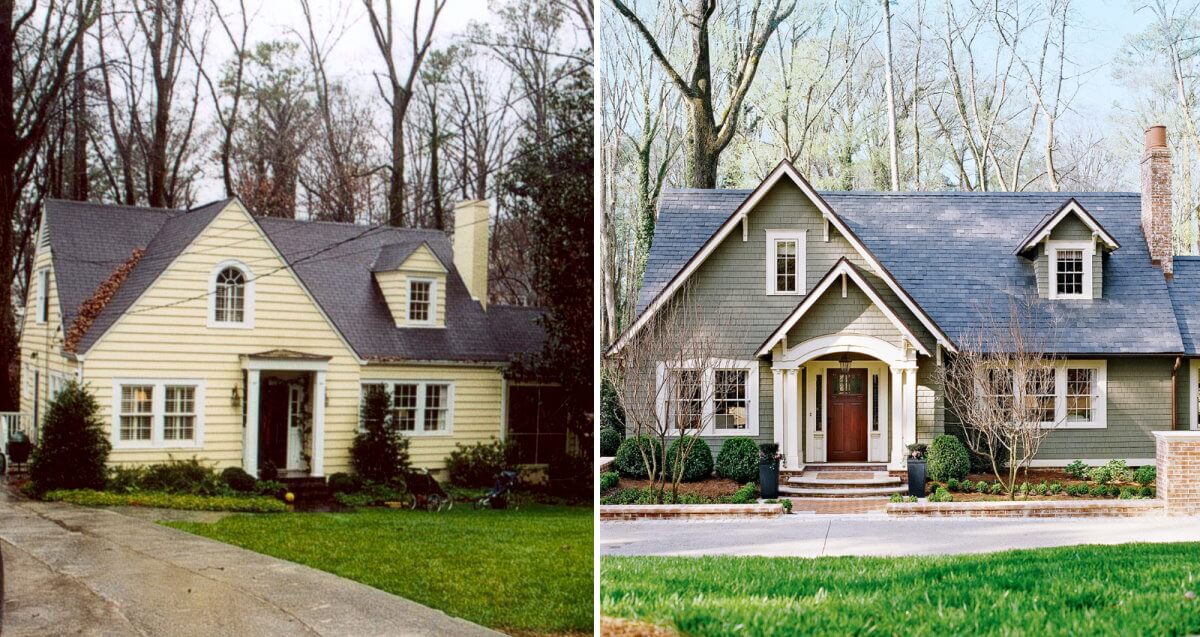
The city’s Community Character Element notes that many neighborhoods built in the 1960s and 1970s would benefit from updating. In practical terms, that means you may be choosing between an original home with renovation potential and a remodeled home with a higher entry price.
This is where design awareness matters. A home with a simple, efficient layout and a usable lot can be easier to improve over time than a home with flashier finishes but less functional flow.
Lot size can shape daily living
One reason buyers stay interested in Pleasanton’s single-story homes is lot utility. In many older tracts, you can expect lot sizes around 6,000 to 8,000 square feet, while Vintage Hills often runs about 6,500 to 10,000 square feet, and Happy Valley can offer much larger semi-rural parcels.
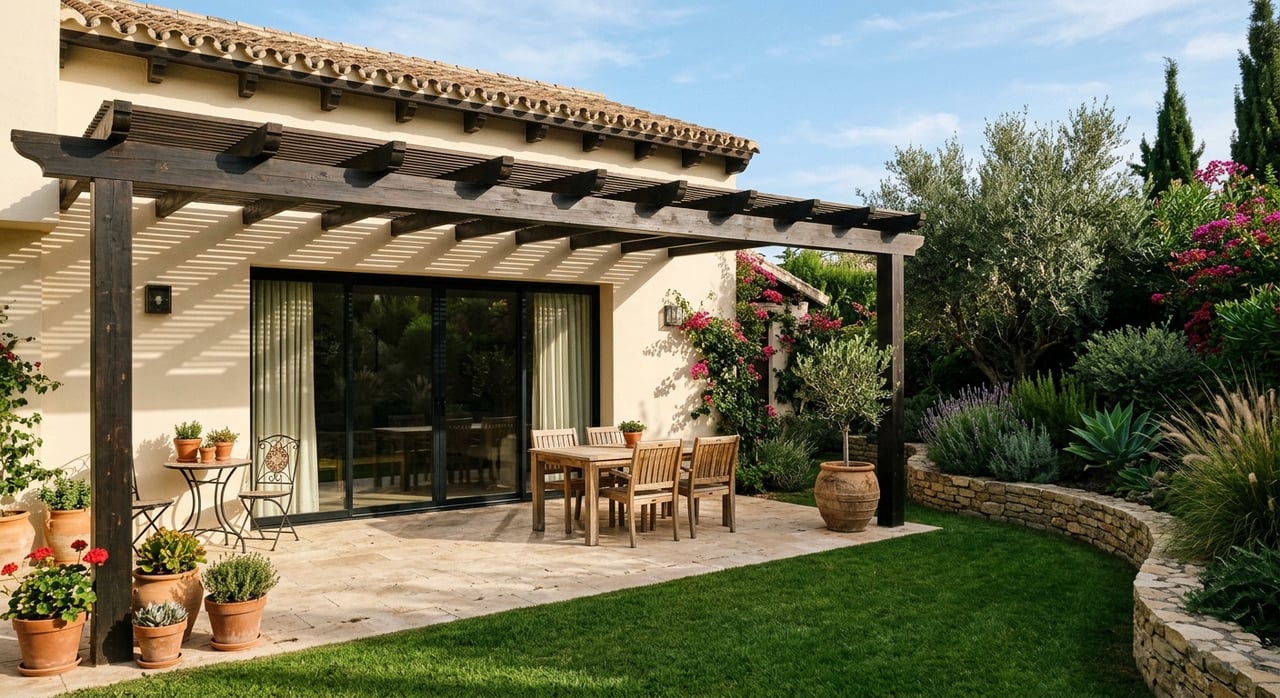
That extra outdoor space can make a one-story home feel more expansive than its interior square footage suggests. You may have more room for entertaining, gardening, storage, or future improvements, depending on the property.
When comparing homes, it helps to look beyond just the bedroom and bath count. A well-used lot can add just as much day-to-day value as a few extra interior square feet.
Why resale demand stays strong
Single-story homes tend to attract a broad range of buyers because they are usable in different life stages. Features like main living on one level, fewer steps, and easier circulation are commonly associated with long-term livability.
Research cited in the housing industry also shows that relatively few homes have basic accessibility features such as a no-step entry and a bedroom plus full bathroom on the entry level. That helps explain why a well-located, well-updated single-story home can draw strong interest.
In Pleasanton, though, it is best to think about resale value as a mix of scarcity and usability rather than a guaranteed premium. Renovation quality, floor-plan efficiency, and lot function matter at least as much as the fact that a home is one story.
What to inspect carefully
Because many of these homes are older, condition matters. Buyers should pay close attention to original kitchens and bathrooms, deferred maintenance, and whether the home’s layout supports the way you want to live now and later.
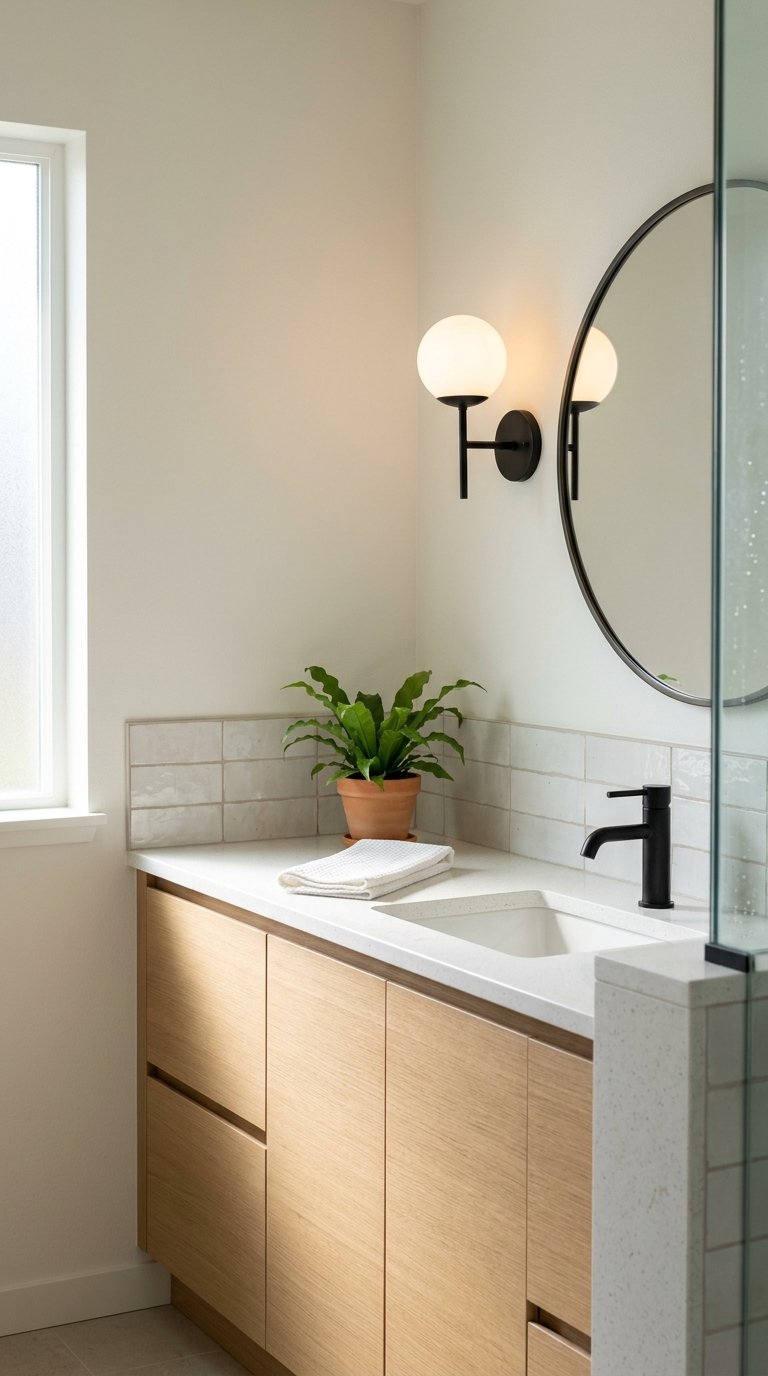
Bathroom configuration is especially important in single-story homes. A home may technically have the right number of baths, but the placement, size, and accessibility of those spaces can make a big difference in daily comfort.
Easy circulation also matters more than many buyers expect. Wider paths, fewer awkward transitions, and a clear relationship between bedrooms, living areas, and outdoor access can make a home feel much more functional over time.
Renovation plans need a practical lens
In Pleasanton, many of the upgrades buyers want in an older one-story home require formal city review. The city requires permits for room additions, square-footage additions, and new, relocated, or remodeled bathrooms.
That matters because one of the most common ways to improve a single-story home is not by adding a second floor, but by reworking the existing footprint. Buyers often look at expanding a bath, opening a kitchen, or adding usable square footage to improve function while keeping the benefits of one-level living.
This is where a design-informed buying approach can help. Looking at a home through the lens of layout potential, permit realities, and renovation payoff can lead to better decisions than focusing on cosmetics alone.
ADUs and long-term flexibility
Accessory dwelling units can also be part of the conversation for buyers thinking long term. Pleasanton defines an ADU as a separate attached or detached dwelling unit, while a JADU is a unit of up to 500 square feet within the walls of a one-family residence.
For some households, that can create flexibility for guests, work, or multigenerational living. The city also notes that preapproved ADU plans may help speed review and reduce permitting costs, and its ADU rebate program requires an approved building permit.
Not every property will be a fit, but if flexibility is part of your goal, it is worth evaluating the lot and existing layout with that possibility in mind.
Accessibility upgrades can add value
Single-story living often connects naturally with accessibility improvements. Pleasanton’s Housing Rehabilitation Program can provide grants and loans for accessibility features such as railings, grab bars, and ramps.
For buyers planning ahead, the most useful upgrades are usually the ones that improve everyday function. Features like easier entries, more comfortable bathrooms, and better movement through the home may support long-term livability more than purely cosmetic changes.
That does not mean every buyer needs a fully modified home today. It means a home with the right bones may give you more options in the future.
A smart way to shop single-story homes
If you are searching for a single-story home in Pleasanton, start by narrowing your priorities in three areas: location, condition, and flexibility. Some buyers will prioritize central neighborhoods and established lots, while others will want more land or a quieter setting.
Then compare homes based on how they actually live, not just how they photograph. An updated ranch home in Birdland may offer very different value than an original home in Happy Valley with expansion potential, even if both technically check the single-story box.
The best purchases usually happen when you balance today’s comfort with tomorrow’s options. In a market like Pleasanton, that kind of clarity can help you move faster and make a better decision.
If you want help evaluating Pleasanton single-story homes through both a market and design lens, the Nivi Das Team can help you compare neighborhoods, assess layout potential, and make a confident plan.
FAQs
Where should buyers look for single-story homes in Pleasanton?
- Strong starting points include Pleasanton Valley, Birdland, Val Vista, Valley Trails, Jensen Tract, Amador Estates, Vintage Hills, and Happy Valley.
What lot sizes are common for single-story homes in Pleasanton?
- Many older tracts have lots around 6,000 to 8,000 square feet, Vintage Hills often ranges from about 6,500 to 10,000 square feet, and Happy Valley can offer much larger parcels.
Are most Pleasanton single-story homes updated?
- Not necessarily. Many are older ranch-style homes, and the city notes that numerous neighborhoods from the 1960s and 1970s would benefit from updating.
What should buyers inspect first in a Pleasanton single-story home?
- Pay close attention to kitchens, bathrooms, deferred maintenance, and whether the layout supports easy daily movement and long-term flexibility.
Can buyers add an ADU to a single-story property in Pleasanton?
- Some properties may support an ADU or JADU, but buyers should review city definitions, lot conditions, and permit requirements before making plans.
Do bathroom remodels or additions in Pleasanton need permits?
- Yes. The city requires permits for new, relocated, or remodeled bathrooms, as well as room additions and square-footage additions.