Condo or townhome—which one fits your life in Milpitas best? With Silicon Valley commutes, busy schedules and rising costs, the right choice can shape your daily routine and your budget. You want clarity on HOA rules, maintenance, parking and financing before you make a move. This guide breaks down the differences through a Milpitas lens and gives you a simple checklist to compare properties side by side. Let’s dive in.
Quick differences at a glance
- Condos usually offer lower maintenance burden, since the HOA often handles exterior and common systems. HOA dues can be higher.
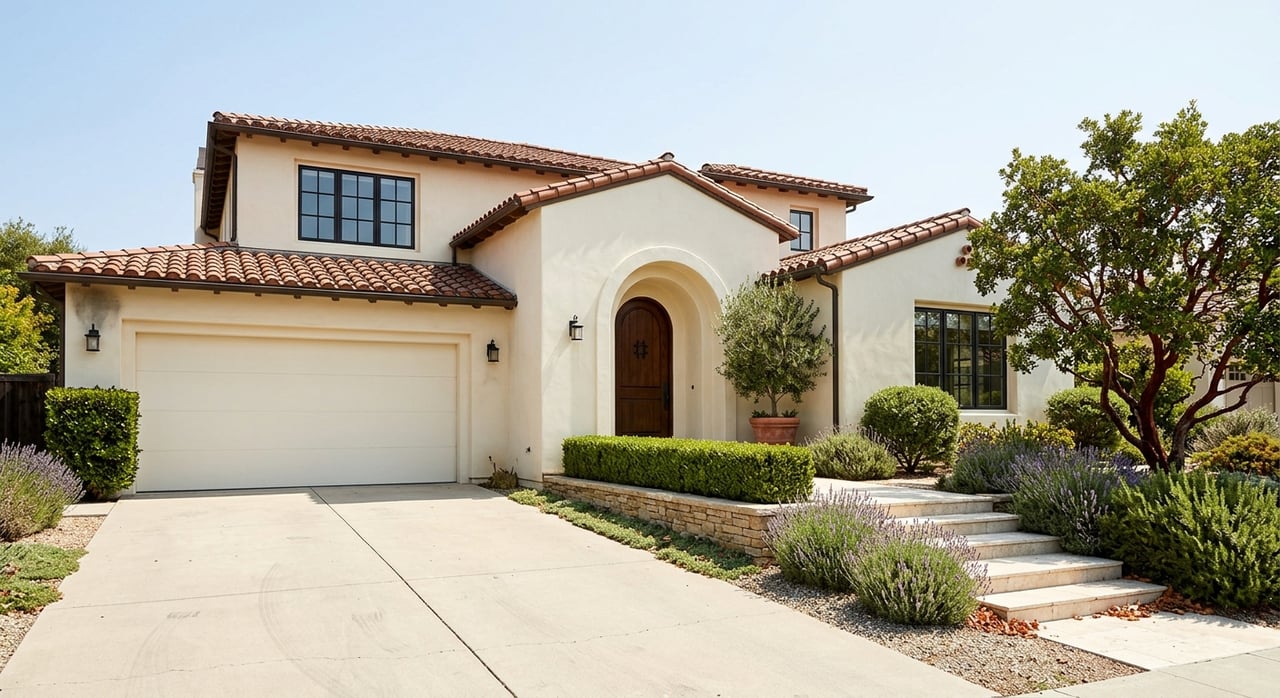
- Townhomes often provide more space, a private garage and a small yard, with more owner responsibility for exterior upkeep.
- Both can be part of a Common Interest Development governed by California’s Davis-Stirling Act. The exact responsibilities depend on each community’s CC&Rs.
Ownership and HOA basics
How condos work
In most condos, you own the interior of your unit and share ownership of the building exterior, roof and common spaces. The HOA typically manages exterior maintenance, reserves and building insurance to the extent defined in the governing documents. This can simplify upkeep but makes HOA health and reserves more important.
How townhomes work
Many townhomes are fee-simple, so you own the unit and the land under it. Some are still within an HOA that manages shared areas and may set exterior standards. Responsibilities vary by project, so you should verify what the HOA covers and what falls to you.
Why CC&Rs matter
The CC&Rs, bylaws and rules spell out maintenance duties, rental limits, pet rules and assessment processes. You should also review the HOA budget, reserve study, recent financials and meeting minutes. These documents reveal the true cost and the likelihood of special assessments.
Insurance basics
Condo owners typically carry an HO-6 policy for interior finishes, personal property and liability, while the HOA carries a master policy for common areas and building structure as described in the policy. Townhome owners may need broader coverage if the exterior and roof are their responsibility. Earthquake coverage is usually separate, not part of master policies.
Costs that change your payment
Your total monthly cost includes mortgage, taxes, insurance, HOA dues, utilities and maintenance. Condos can cost less upfront but carry higher HOA dues in some communities. Townhomes can cost more to buy and insure but may have lower HOA dues if owners maintain exteriors. Property taxes in California follow Proposition 13 rules, so the assessed value typically resets at purchase and then increases are limited annually.
Reserve studies matter. Older buildings with deferred maintenance can face larger future repairs and special assessments. Read the reserve study and financials so you can plan for upcoming projects like roofing, siding or elevator work.
Lifestyle and space in Milpitas
Privacy and layout
Townhomes often deliver multi-level living, a private entrance and more separation between living and sleeping areas. Condos lean toward compact, lock-and-leave convenience with shared corridors and elevators. Choose based on how you live and how much you value private entries and interior separation.
Parking and EV charging
Many townhomes include attached garages, often 1 to 2 cars in newer developments. Condos may offer assigned garage spaces or open parking, with guest policies that vary widely. If you need EV charging, confirm whether your parking space or garage can support a charger and whether the HOA permits owner-installed solutions.
Outdoor space and pets
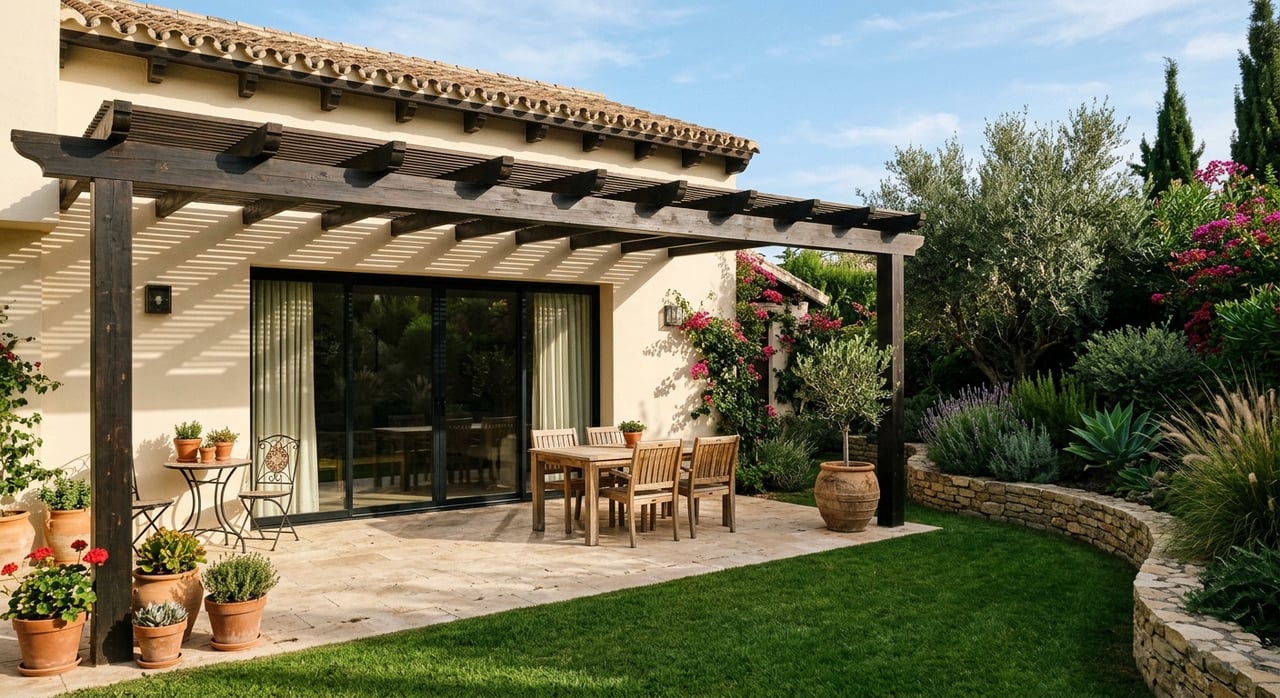
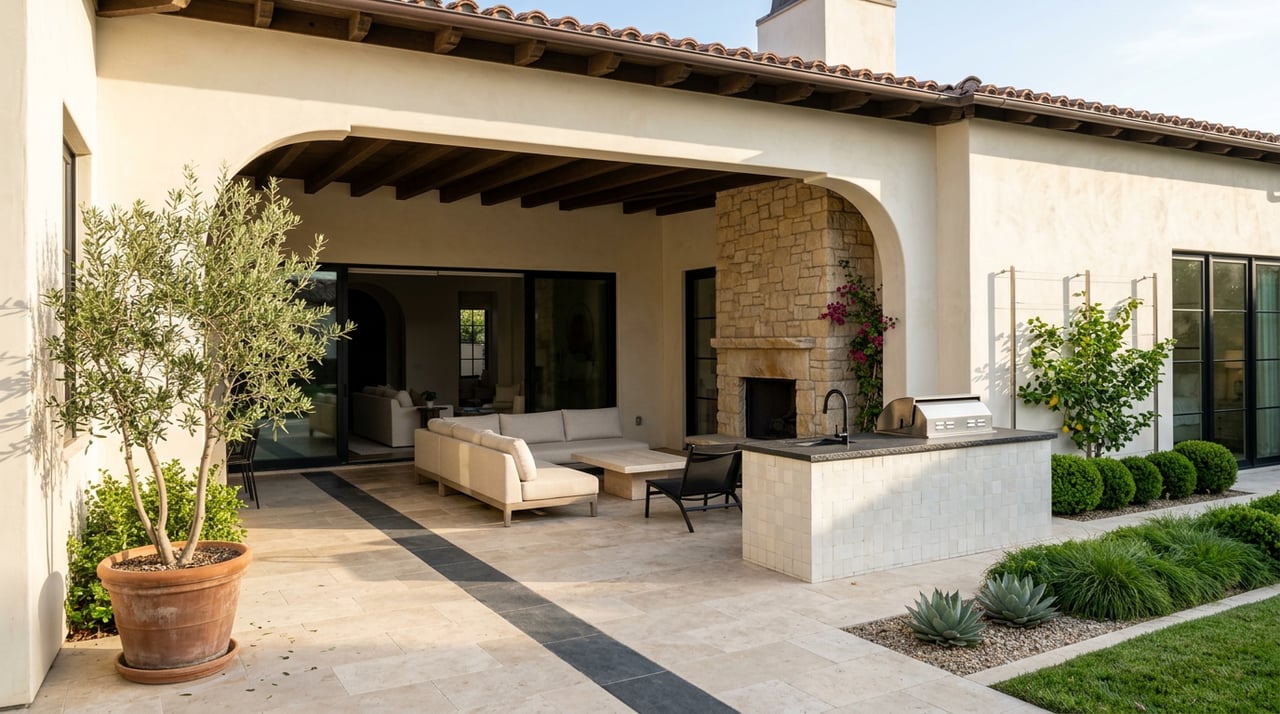
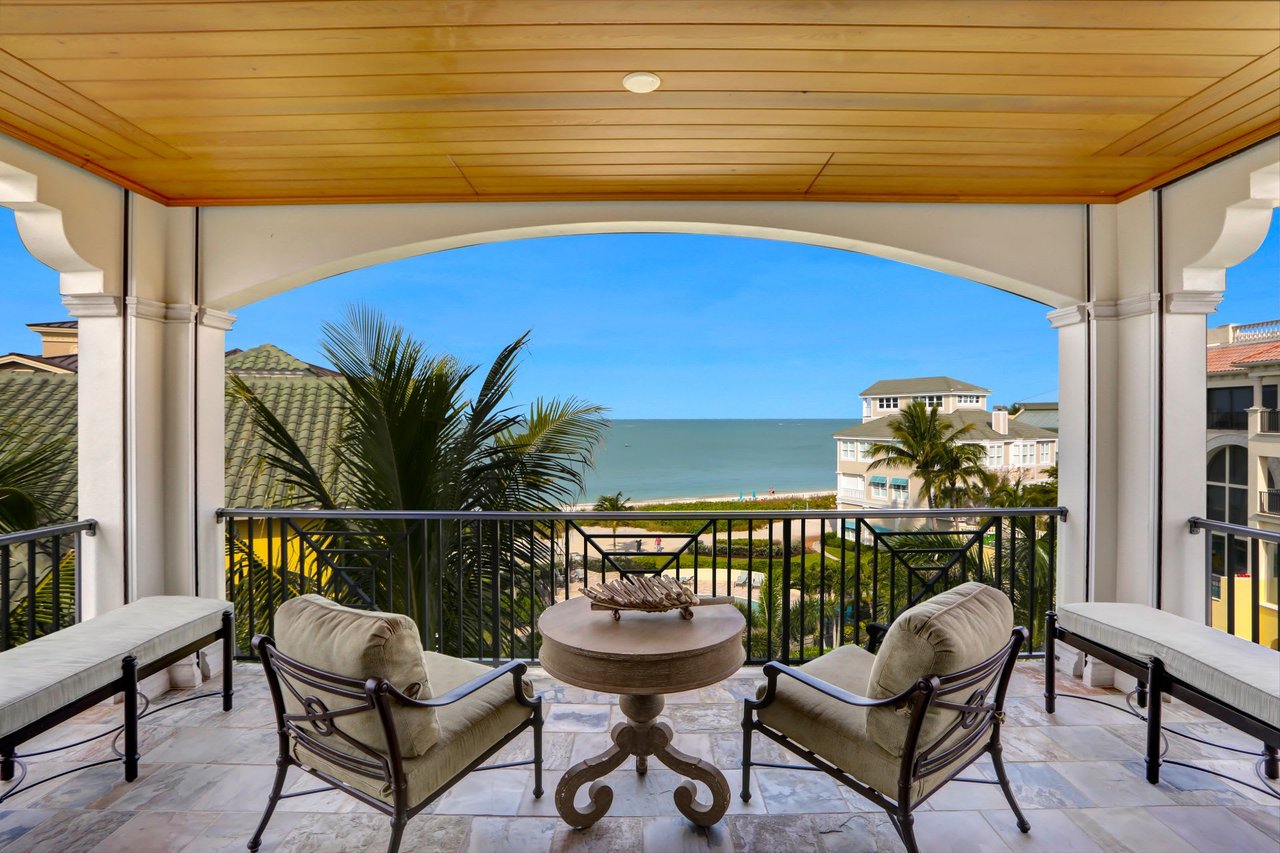
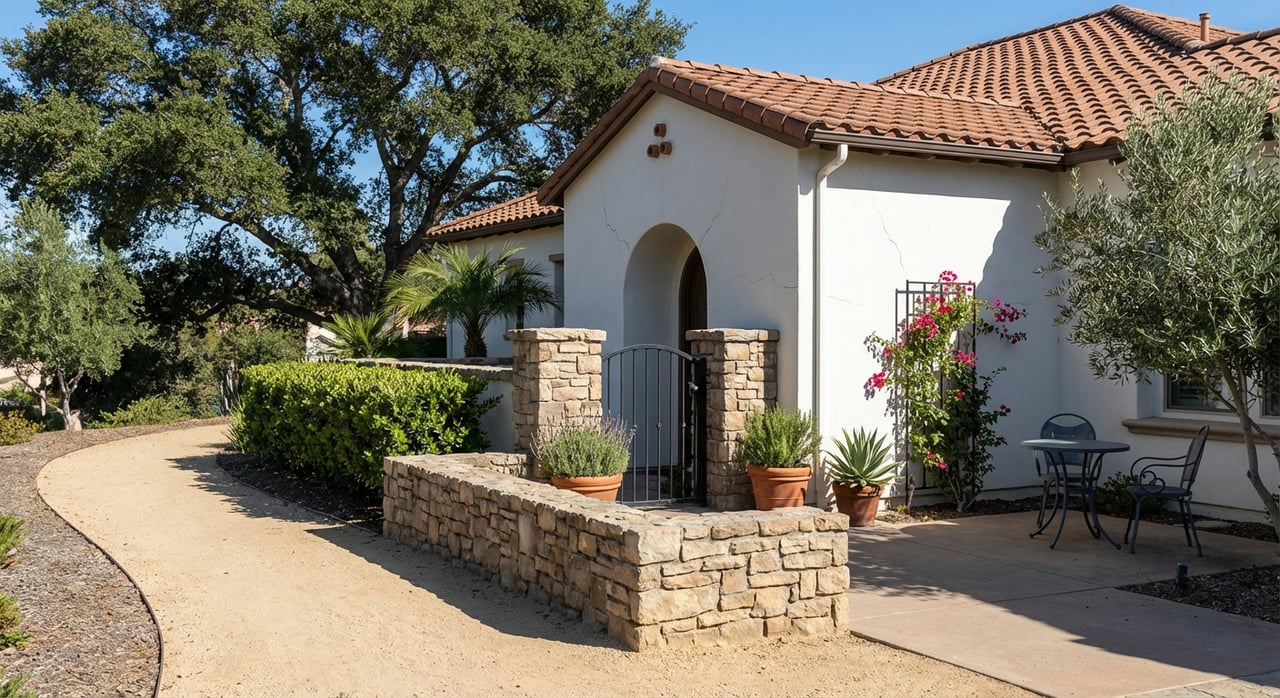
Townhomes often have a patio or small yard that you control. Condos may offer a balcony and shared courtyards. Pet and outdoor rules come from the CC&Rs, so review them if a yard, gardening or a pet-friendly setup is important to you.
Noise and density
Condos can have more vertical neighbors and shared walls or floors. Townhomes can feel less dense, though you will still share walls. Visit at different times of day to evaluate noise and parking stress.
Commute and location tradeoffs
Milpitas sits in the northern part of Silicon Valley with access to BART, VTA light rail and key highway corridors. Proximity to transit and major employers can increase demand for both condos and townhomes. Some buyers choose condos near BART for car-light living. Others prefer a townhome with a garage and storage, especially if they need to commute by car or keep outdoor gear.
Financing differences to know
Condo project approvals
Many lenders require a condo project to meet eligibility standards. Some loan programs, including FHA and VA, rely on project approvals or specific criteria. If a condo community is not eligible, you may face fewer loan options or higher down payment requirements. Check this early to avoid surprises.
Townhome lending
Townhomes that are fee-simple are often underwritten like single-family homes. This can open more loan options and make underwriting simpler. Always confirm the legal classification on the title and plat map, then consult your lender.
Resale and risk factors
HOA health and assessments
Strong reserves, clear budgets and consistent maintenance support stable values and smoother resales. Underfunded reserves or frequent special assessments can slow a sale and increase your long-term costs. Review the budget, reserve study and litigation history before you write an offer.
Rental rules and buyer pool
HOAs can cap rentals or set waiting periods. These rules affect investor demand and future resale. Condos often attract first-time buyers, downsizers or investors seeking amenities and a lower entry price. Townhomes tend to appeal to buyers who want more space, a garage and a small yard.
Milpitas buyer checklist
- Confirm legal type: condominium or fee-simple townhome. Review plat and parcel maps.
- Read CC&Rs, bylaws, rules and recent minutes for rental caps, pets and upcoming projects.
- Study the HOA budget, reserve study, financials and any litigation disclosures.
- Verify what the master insurance covers. Get quotes for your HO-6 or HO-3/HO-5.
- Check assigned parking, guest parking rules and EV charging policies.
- Confirm condo project eligibility for your loan type, including FHA or VA if relevant.
- Clarify exterior responsibilities for roofs, siding, decks and landscaping.
- Ask about rental history and limits if investment potential matters to you.
- Compare total monthly costs, not just price and dues.
- Map listings to your daily needs such as transit, parks and shopping, and if relevant, confirm district boundaries with the local school district.
Which is right for you?
Choose a condo if you want a simpler, lower-maintenance lifestyle and are comfortable with higher HOA dues in exchange for building upkeep and amenities. Choose a townhome if you value a private garage, more interior space and a small yard, and you are ready to handle more exterior maintenance. In both cases, the real decision rests in the details of the CC&Rs, HOA finances and how the location works for your commute and routines.
If you want a calm, design-informed approach to comparing specific Milpitas communities, the Nivi Das Team can help you read CC&Rs, review reserve studies and model total monthly costs side by side. Reach out to the Nivi Das Team for a personalized consultation.
FAQs
What costs differ for Milpitas condos vs townhomes?
- Condos can have lower purchase prices but higher HOA dues, while townhomes may have higher prices and insurance with lower HOA dues. Compare total monthly costs, not just list price.
How do HOAs affect maintenance in Milpitas communities?
- Condos often include exterior and common-area maintenance, while many townhomes place exterior items like roofs and siding on the owner. Always confirm in the CC&Rs.
What should I review in HOA documents before buying?
- Read CC&Rs, bylaws, rules, budget, reserve study, recent financials, meeting minutes and any litigation disclosures to gauge restrictions, costs and upcoming projects.
How does financing differ for Milpitas condos and townhomes?
- Many lenders require condo project eligibility, and some loans may be limited without it. Fee-simple townhomes are often underwritten like single-family homes, which can be simpler.
Do Milpitas HOAs include earthquake insurance for owners?
- Usually no. HOA master policies rarely include earthquake coverage, so owners often purchase separate earthquake insurance.
How do parking and EV charging differ by property type?
- Townhomes commonly have attached garages and more storage. Condos may have assigned spaces and shared garages. EV charger policies vary by HOA and should be verified.