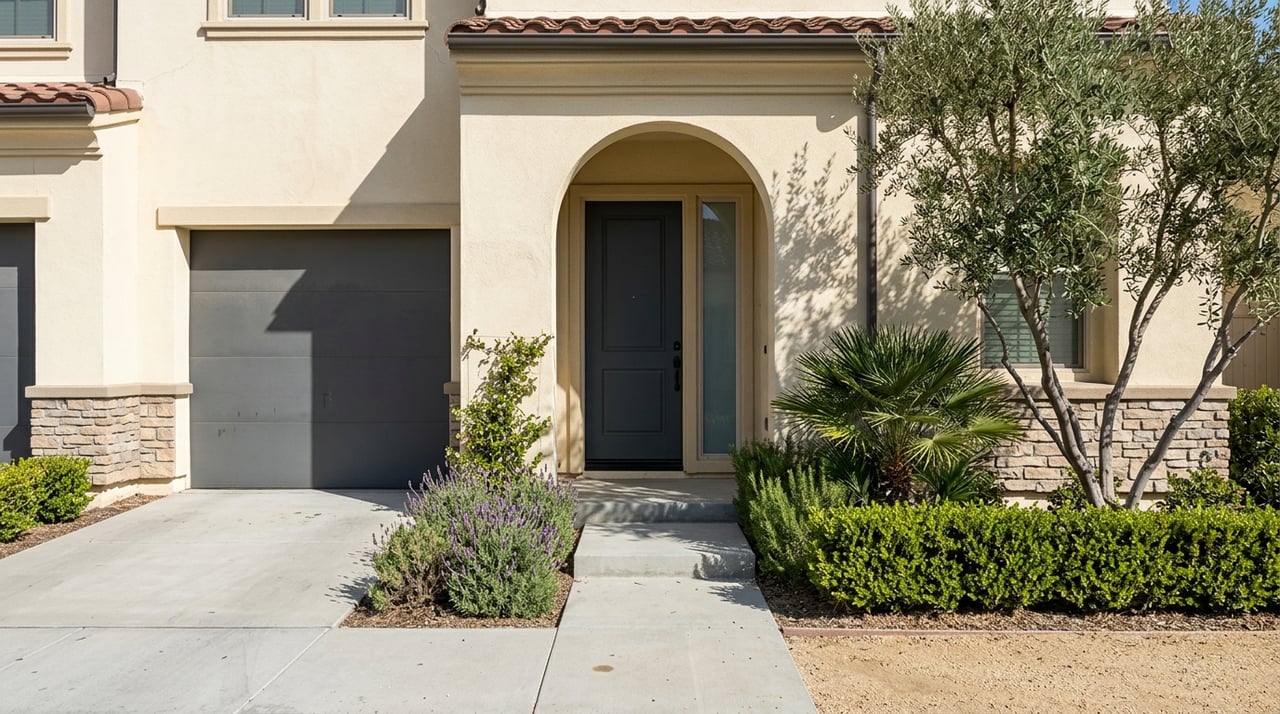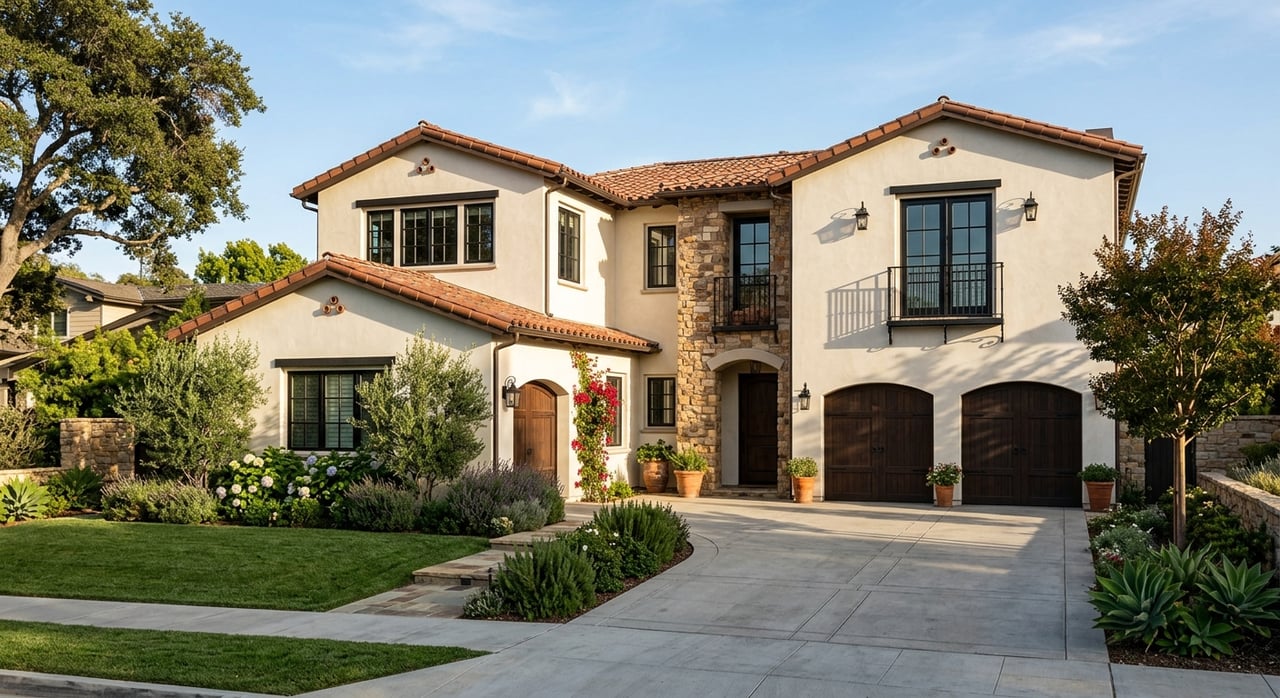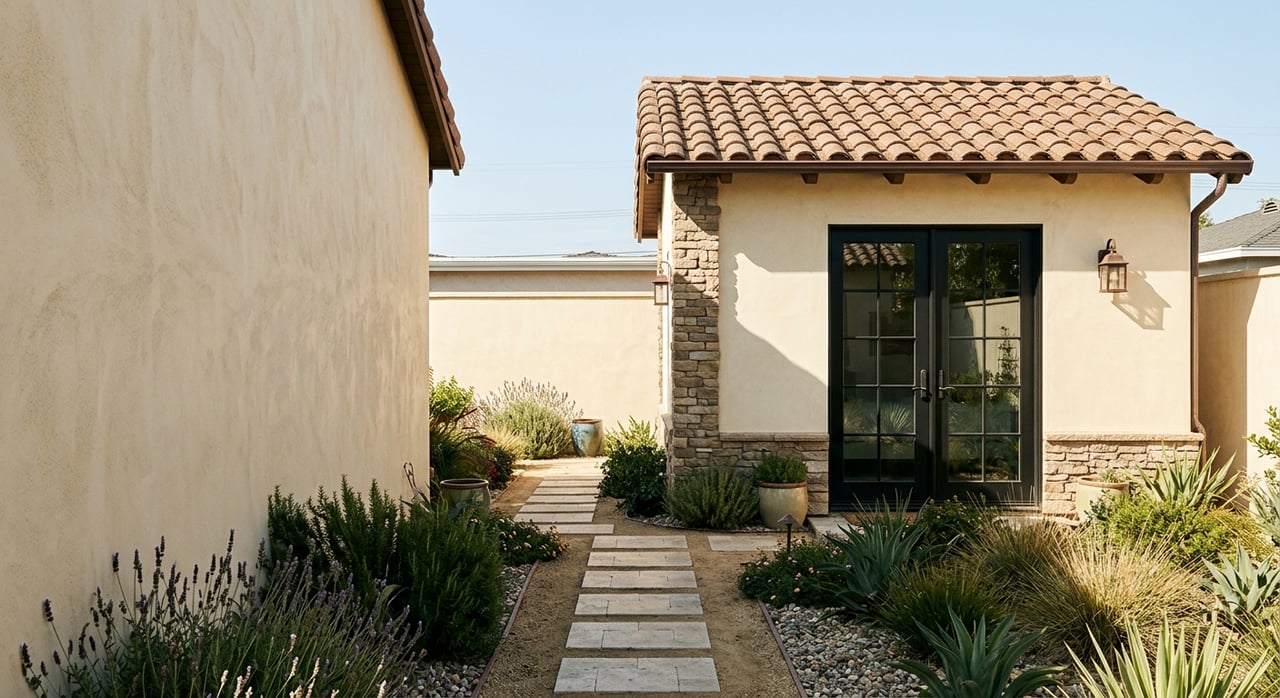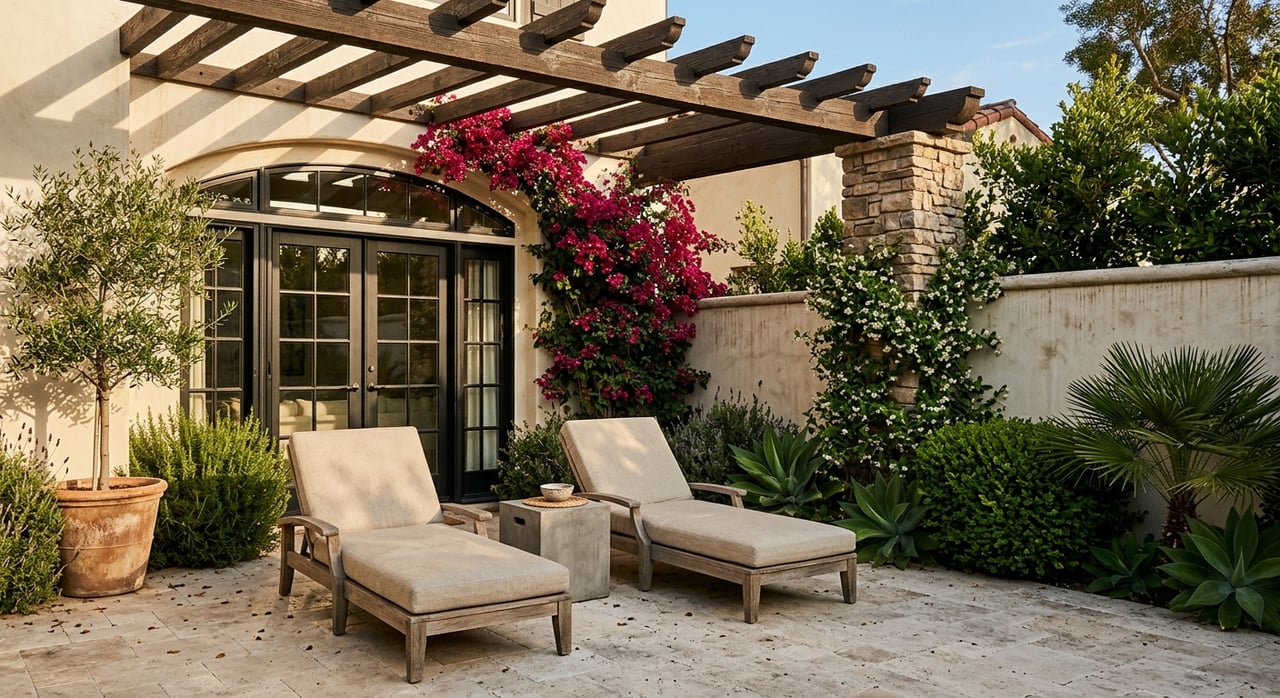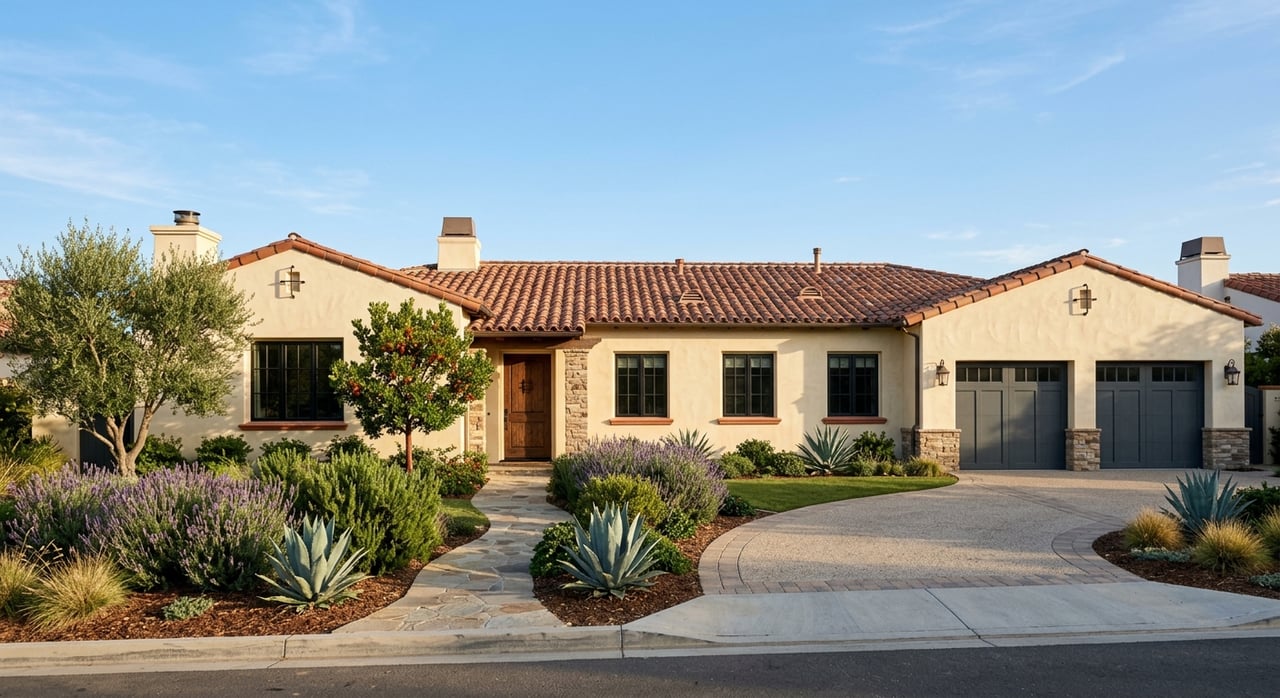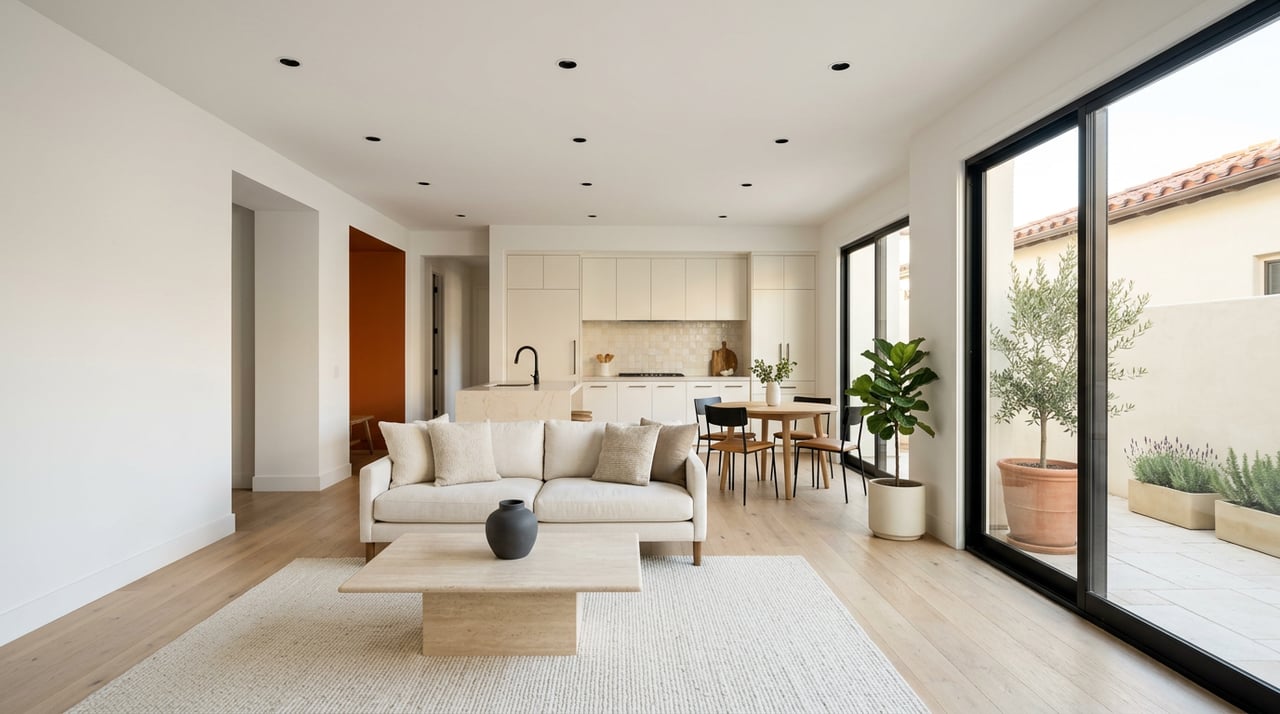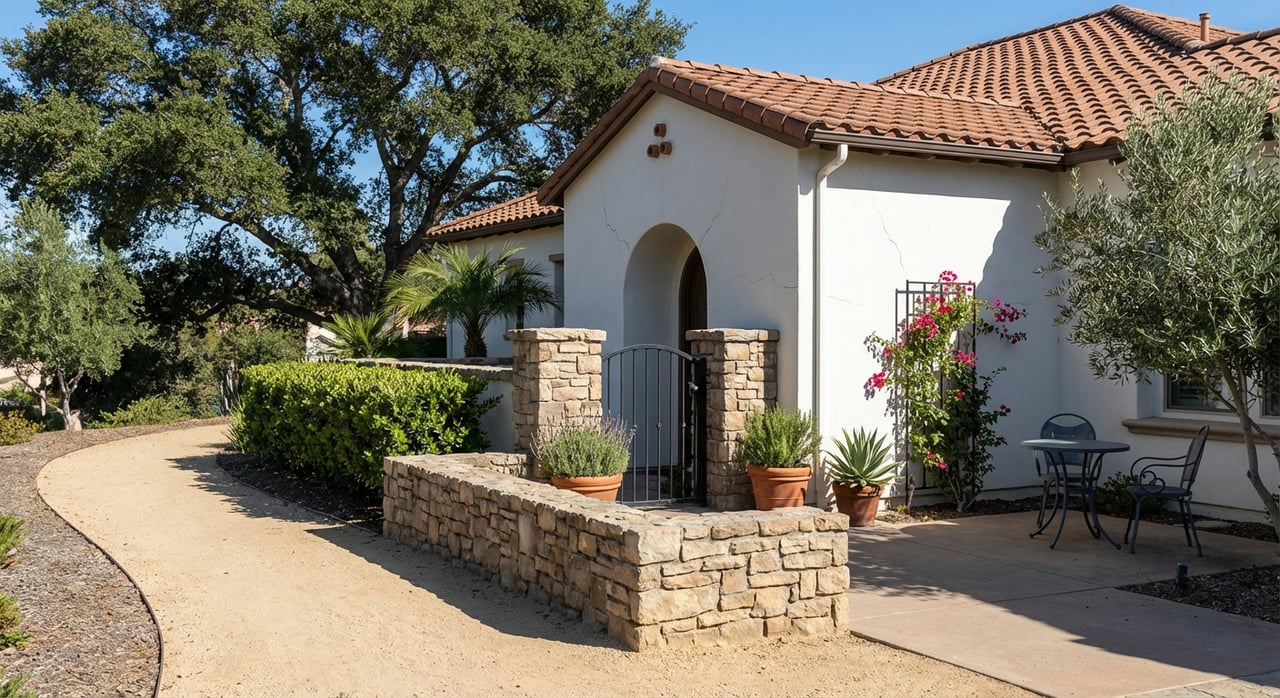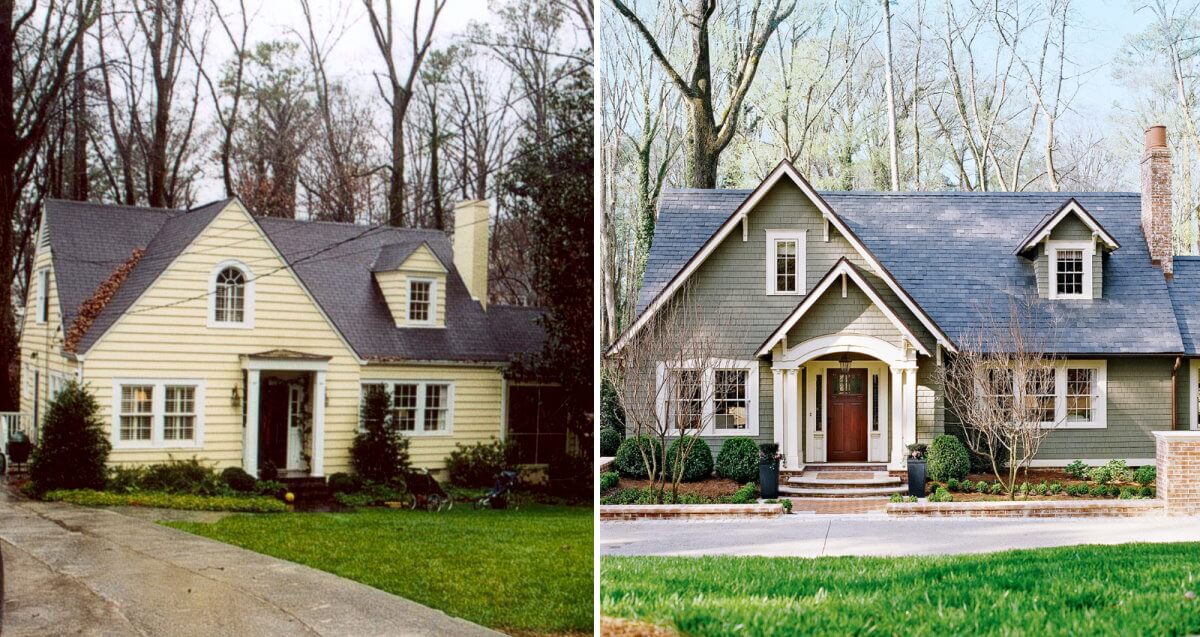

Wondering whether that detached garage, backyard footprint, or extra interior space could become something more valuable in San Jose? You are not alone. Many buyers and sellers are looking at homes through a more flexible lens, especially when multigenerational living, guest space, work-from-home needs, and future income potential all matter. This is where ADUs, JADUs, and clearly defined bonus spaces can make a real difference. Let’s break down what matters in San Jose so you can evaluate a property with more confidence.
Why ADUs Matter in San Jose
In California, accessory dwelling units, or ADUs, are an established housing option supported by a statewide framework. San Jose also recognizes their value, noting that ADUs can create affordable housing, income opportunities, infill development, and support for public transportation. That makes them more than a trend. They are now a practical part of how many homeowners and buyers think about long-term property use.
Consumer demand also helps explain the appeal. In 2024, 17% of buyers purchased multigenerational homes, according to NAR. Freddie Mac also found that after learning what an ADU is, 32% of non-owners said they would be interested in having one in the future, most often for family, guests, or rental income.
Types of ADU and Bonus Space
When you are evaluating a San Jose home, it helps to separate true living space from flexible but non-livable space. That distinction affects how a property can be used, marketed, and valued. It also matters if you plan to sell later.
Detached ADUs
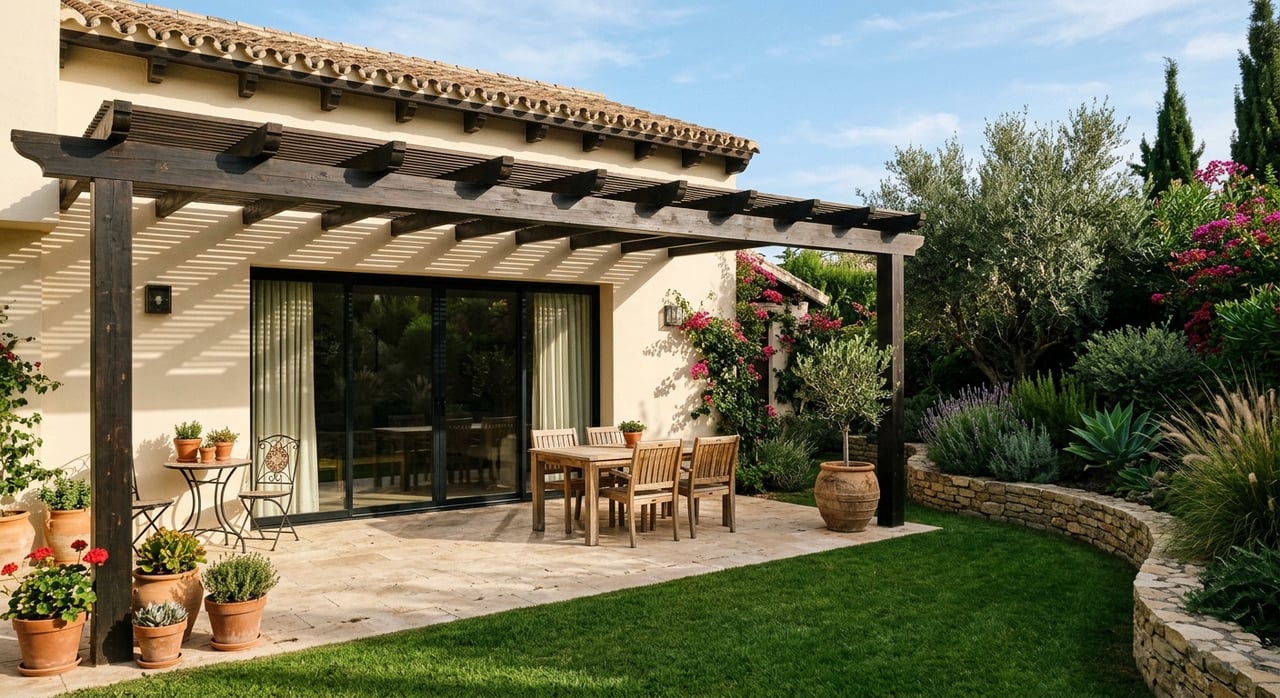
A detached ADU is a separate residential unit built away from the main home, often in the backyard. This setup usually appeals to buyers who want privacy plus proximity for extended family, guests, or a renter. In San Jose, detached ADUs under city standards are limited to 1,000 square feet on lots under 9,000 square feet and 1,200 square feet on larger lots.
Attached ADUs
An attached ADU is built as an addition to the main home. Under San Jose’s checklist, attached ADUs may be up to 50% of the main home, subject to the same 1,000 or 1,200 square-foot cap. This can be a useful option if you want an integrated layout while still creating a more independent living area.
Conversion ADUs
A conversion ADU is created from existing space, such as a garage or basement. California guidance says these units are created within existing structures and are generally not subject to setback requirements. For many homeowners, this can be one of the more efficient ways to add legal living space if the structure and site conditions cooperate.
JADUs
A junior ADU, or JADU, is smaller and must stay entirely within a single-family residence. State law caps a JADU at 500 square feet, and it may share a bathroom or have its own. A JADU can also be created from enclosed space such as an attached garage, but owner occupancy is required for JADUs.
Non-Livable Accessory Structures
This is where confusion often happens. In San Jose, non-livable accessory buildings like sheds, gazebos, and detached garages are a separate category. They cannot contain living or sleeping space, cannot be air-conditioned, and are generally capped at 650 square feet unless a special use permit allows more.
If a space is meant to function as housing, it needs to be an ADU or JADU, not just an accessory outbuilding. From a resale and marketing perspective, that distinction is critical.
What San Jose Allows
San Jose’s current ADU checklist starts with a few basics. The property must be in San Jose, the main home must be legally built and permitted, and any active code-enforcement issue must be cleared before plans are accepted. The city also notes that ADUs can be placed on residentially zoned properties, including single-family, duplex, or multifamily sites.
For single-family properties, owners must choose either City standards or State standards. The two cannot be mixed. That means planning needs to be consistent from the start.
Here are a few city-standard details that often matter most to buyers and sellers:
- Detached ADUs: up to 1,000 square feet on lots under 9,000 square feet
- Detached ADUs: up to 1,200 square feet on larger lots
- Attached ADUs: up to 50% of the main home, subject to the same size caps
- Detached ADU height: up to 18 feet
- Attached or second-story height: up to 25 feet
- First-story side and rear setbacks: generally 0 feet
- Second-story side and rear setbacks: generally 4 feet
- Parking: the checklist shows no parking requirement
Site Conditions Can Change the Equation
Not every lot is equally straightforward, even when the basic zoning works. San Jose’s checklist flags several conditions that can affect feasibility, design, or permit timing.
These include:
- Flood zones A, AE, AH, and AO
- Geohazard or landslide zones
- Wildland-urban interface areas
- Easements
- Historic-property status
- Nonbuildable areas such as former pool footprints
This is one reason design and planning review matter early. A property may look ideal for an ADU at first glance, but site constraints can reshape what is actually possible.
San Jose’s Preapproved ADU Program
If you want a faster path, San Jose’s preapproved ADU program is worth knowing about. The city says these standard, non-site-specific plans are the fastest and lowest-cost permit path. The currently approved plan list includes designs ranging from 476 to 795 square feet, which shows how common compact ADUs have become in the local market.
If the lot is residential, has an existing single-family home or duplex, and is not in a geohazard, landslide, flood, or wildland-urban interface area, permits may be issued the same day as the scheduled plan review meeting when the documents are complete. For homeowners trying to reduce uncertainty, that can be a meaningful advantage.
Fees, Timing, and Occupancy
Before you get too attached to a concept, it is smart to understand timing and costs. San Jose notes that smaller ADUs cost less to build and points owners to parkland and school-fee rules. California guidance also says impact fees are proportional to square footage, and school districts may charge fees for ADUs larger than 500 square feet.
State law also provides a few important baseline protections. Local agencies cannot impose owner-occupancy requirements for ADUs, parking requirements cannot exceed one space per unit or bedroom, guest parking cannot be required, and replacement parking is not required when a garage or other parking area is converted or demolished for an ADU. Complete ADU and JADU applications must be approved or denied ministerially within 60 days, and a certificate of occupancy is required before residential occupancy.
How Buyers See ADU Potential
From a marketability standpoint, buyers usually focus less on the acronym and more on the real-life use case. They want to understand how the space solves a need. That might mean room for parents, adult children, long-term guests, work-from-home privacy, or rental potential.
Freddie Mac notes that ADUs can provide independent living space, rental income potential, and extra living area, and may increase long-term property and resale value. It also notes that rental income from an ADU can sometimes be used to help qualify for financing. In practical terms, this means a well-documented ADU can expand a home’s appeal beyond just its main floor plan.
What Adds Resale Confidence
If you are buying or preparing to sell a home with bonus space, the paperwork matters almost as much as the layout. Buyers want clarity. They want to know whether the space is a legal dwelling unit, a permitted conversion, or simply a non-livable accessory structure.
The most marketable setups are usually the ones that offer privacy, flexibility, and a clear purpose. They are also clearly documented as legal living space when they are being presented that way. Permit history, certificate of occupancy, and an accurate description of the space can all support smoother resale conversations.
A Practical Checklist for Buyers and Sellers
Whether you are evaluating a listing or planning future improvements, here are the basics to review:
- Confirm the main home was legally built and permitted
- Check whether any active code-enforcement issue exists
- Verify whether the space is an ADU, a JADU, or a non-livable accessory structure
- Review permit history for any garage or interior conversion
- Confirm whether a certificate of occupancy was issued for residential use
- Ask how the space functions day to day for privacy, access, and utilities
- Review lot constraints like easements, flood zones, and geohazard conditions
- Compare custom design options with San Jose’s preapproved ADU program
Why Design Insight Matters
Not every square foot carries the same value. A layout that feels intuitive, private, and well integrated with the main property will usually land better with future buyers than a space that feels improvised or unclear. This is especially true in San Jose, where lot conditions, permitting choices, and legal classifications can shape both usability and resale positioning.
That is why it helps to evaluate ADU and bonus space potential through both a planning lens and a market lens. You are not just asking, “Can this fit?” You are also asking, “Will this function well, and will future buyers understand its value?”
If you are buying, selling, or weighing the ADU potential of a San Jose property, the right guidance can help you look past the surface and focus on what is truly usable, legal, and marketable. For design-informed real estate advice and strategic property positioning, connect with the Nivi Das Team.
FAQs
What is the difference between an ADU and a JADU in San Jose?
- An ADU is a separate accessory dwelling unit that can be detached, attached, or created through conversion, while a JADU is limited to 500 square feet, must be entirely within a single-family residence, and requires owner occupancy.
Can a detached garage become living space in San Jose?
- Yes, if it is converted and permitted as an ADU under applicable rules, but a detached garage that remains only an accessory structure cannot be marketed or used as legal living or sleeping space.
Do San Jose ADUs require parking?
- San Jose’s current ADU checklist shows no parking requirement under the city standards referenced in the research.
How large can a detached ADU be on a San Jose lot?
- Under San Jose city standards in the current checklist, a detached ADU can be up to 1,000 square feet on lots under 9,000 square feet and up to 1,200 square feet on larger lots.
What should buyers verify about bonus space in a San Jose home?
- Buyers should verify whether the space was permitted, whether it is a legal ADU or JADU versus a non-livable accessory structure, and whether a certificate of occupancy was issued for residential use.
Does San Jose offer preapproved ADU plans?
- Yes, San Jose has a preapproved ADU program with standard plans, and the city says this can be the fastest and lowest-cost permit path for eligible properties.