
If your workday points toward San Jose, Berryessa, Stanford, or the Peninsula, choosing the right part of Fremont can make a real difference in how your week feels. Not every Fremont neighborhood works the same way for commuters, and the best fit often depends on whether you rely on BART, ACE, shuttles, or freeway access. This guide breaks down the Fremont areas that matter most for Silicon Valley commuters so you can match your home search to the way you actually travel. Let’s dive in.
Why Fremont Works for Commuters
Fremont’s commute story is best understood by corridor, not by citywide averages. The main districts are Centerville, Niles, Irvington, Warm Springs, and Mission San Jose, but what matters most is how each area connects to BART, ACE, AC Transit, employer shuttles, and major roadways.
For many buyers, Fremont stands out because it gives you multiple commute paths. Depending on where you live, you may be able to use BART for Berryessa and central East Bay access, ACE for direct weekday San Jose service, AC Transit Line U for the Dumbarton Bridge corridor, or freeway routes along I-880, I-680, and Highway 84.
Best Fremont Areas by Commute Style
Warm Springs for South Bay Access
Warm Springs is one of the strongest choices if your routine points toward North San Jose or Berryessa. Warm Springs/South Fremont Station is the southernmost BART station in Alameda County, and the station area includes AC Transit service, parking, bike lockers, and accessible features.
This area is especially appealing if you want a rail-first or hybrid commute. It also has strong freeway positioning because Warm Springs is framed by both I-880 and I-680, which can help if your workweek mixes train rides with driving.
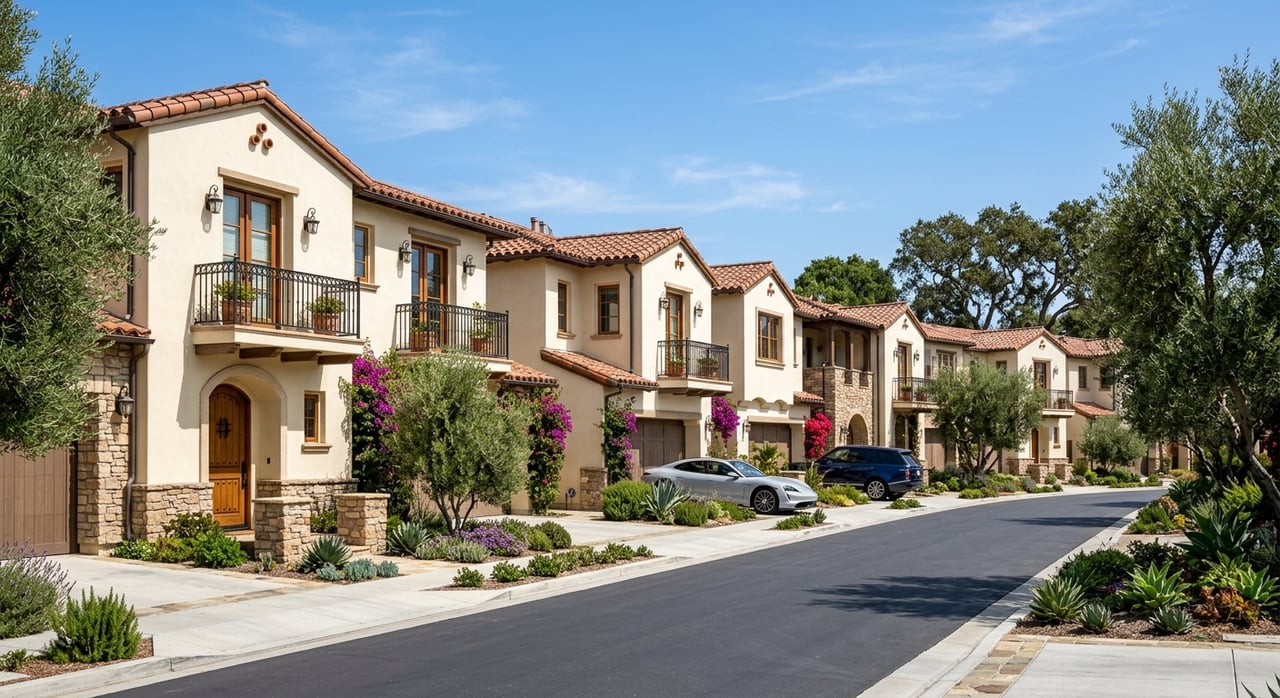
From a housing perspective, Warm Springs is not just one product type. Much of the area is single-family homes, but there are also apartments, townhomes, condominiums, and newer higher-density infill near the station area and shopping corridors.
Central Fremont for Flexible Transit
If you want the most balanced commute setup, central Fremont is hard to ignore. Fremont Station sits in central Fremont and is currently served by BART lines connecting to Berryessa/North San Jose as well as Oakland, Berkeley, and San Francisco.
BART’s current station materials say Fremont Station is about 20 minutes from Berryessa/North San Jose and about 35 to 45 minutes from Oakland, Berkeley, and San Francisco. That makes central Fremont useful for buyers who need flexibility across both South Bay and broader Bay Area destinations.
This area also stands out because of its intermodal connections. Fremont Station’s surrounding area serves AC Transit routes, Stanford shuttles, and employer shuttles, which can make a big difference if your office is not directly next to a rail stop.
Centerville for ACE and Corridor Access
Centerville deserves special attention if direct San Jose rail matters to you. ACE is currently the only rail service in Fremont with direct scheduled service to San Jose, with weekday Fremont-to-San Jose trains and return service back to Fremont.
That makes the central Fremont and Centerville corridor especially practical for commuters whose schedules line up with ACE. The Centerville commercial district is also near AC Transit bus lines and the Centerville ACE/Amtrak station, giving you another layer of transit flexibility.
If your home search is focused on efficient access rather than one single neighborhood label, this corridor is worth a close look. It can be a strong match for buyers who want to keep multiple commute options open.
Ardenwood for Peninsula Commutes
If your destination is the Peninsula, Ardenwood is often the strongest Fremont base. The area sits at the east base of the Dumbarton Bridge and offers direct access to Highway 84 and I-880, which is a major advantage for reverse commuters.
Ardenwood also connects well to transit serving the bridge corridor. AC Transit Line U runs from Fremont BART to Stanford University by way of Centerville Amtrak, Ardenwood Park & Ride, and the Dumbarton Bridge.
This area can be especially useful if your commute depends more on the Peninsula than on North San Jose. Housing here is also varied, with small-lot single-family homes, patio homes, zero-lot-line homes, townhomes, condominiums, garden apartments, and two-family duets.
Irvington for Central Location and Future Upside
Irvington can be a smart fit if you want an established residential setting in central Fremont. Most of the area consists of long-standing neighborhoods developed from the 1950s through the 1980s, with many single-family subdivisions and some multifamily housing along major thoroughfares and around the town center.
For commuters, the main point to understand is that Irvington’s BART station is still a future project. The City’s current status page describes the station at Washington and Osgood as planned, with a late-2031 opening target if funding and property acquisition stay on track.
That means Irvington should be viewed as a central location with possible long-term transit upside, not as an immediate station-area commute solution. If you like established housing and want to be centrally placed within Fremont, it may still be a strong option.
Mission San Jose for Space Over Transit
Mission San Jose is less transit-centric than Warm Springs or central Fremont. In practical terms, it tends to suit buyers who are more focused on larger single-family homes, lower-density surroundings, and hillside settings than on quick rail access.
The area is predominantly single-family residential, with some multifamily pockets along major corridors. Because of that layout, the commute tradeoff here is usually more about driving than relying on BART, ACE, or shuttle links.
If your priority is housing size and setting first, and commute convenience second, Mission San Jose may still be worth considering. It simply serves a different kind of buyer than the most transit-oriented parts of Fremont.
How to Match Your Commute to the Right Area
The best Fremont neighborhood for you depends on where you go most often and how you want your weekdays to function. A short drive to a station, direct freeway access, or a one-seat rail option can all shape your experience in very different ways.
Here is a simple way to think about it:
- Choose Warm Springs if you want one of Fremont’s strongest transit-oriented options for North San Jose or Berryessa access.
- Choose central Fremont or Centerville if you want the most flexible mix of BART, shuttle connections, and access to ACE.
- Choose Ardenwood if your commute is Peninsula-focused and the Dumbarton Bridge corridor matters most.
- Choose Irvington if you want a central address and established housing, with future station potential rather than current rail convenience.
- Choose Mission San Jose if your housing priorities lean toward larger homes and lower density, and you are comfortable with a more car-oriented commute.
What Housing Looks Like in Each Area
Commute convenience is only part of the equation. The style of housing available in each Fremont corridor can strongly affect where you feel most at home.
Warm Springs Housing Mix
Warm Springs includes mostly single-family homes, along with apartments, townhomes, condominiums, and newer infill near the station area. If you want more transit-oriented housing choices, this area gives you a wider range of formats.
Central Fremont and Downtown Housing Mix
Central Fremont and downtown offer a blend of single-family homes, walk-up apartments, mixed-use infill, and denser residential near the station and core. If you like being closer to services and transit, this mix can be appealing.
Ardenwood Housing Mix
Ardenwood has one of Fremont’s more varied suburban housing profiles. You will find small-lot detached homes along with patio homes, townhomes, condos, and other lower-maintenance options.
Irvington Housing Mix
Irvington is known more for established single-family neighborhoods, with multifamily housing concentrated along major roads and near the town center. This can appeal to buyers who want a more traditional neighborhood feel.
Mission San Jose Housing Mix
Mission San Jose is primarily made up of larger single-family homes in a lower-density setting. Multifamily housing exists in some corridor locations, but the area overall is more oriented toward detached homes.
A Few Practical Commute Cautions
It helps to go into your search with realistic expectations. Fremont is well connected, but each commute mode serves different destinations best.
First, BART alone is not the full answer for most Peninsula commutes. Fremont and Warm Springs currently connect well to Berryessa/North San Jose, but direct San Jose rail service in Fremont is currently handled by ACE, while Peninsula access depends more on Line U, shuttle links, and freeway routes.
Second, the future Irvington BART station should not drive a near-term commute plan. It may become an important option later, but today it is still planned infrastructure rather than an active station.
Third, transit-oriented and lower-density lifestyles often pull in different directions. In Fremont, Warm Springs and central Fremont lean more toward station-area and mixed-housing convenience, while Ardenwood and Mission San Jose more often align with detached or lower-density residential patterns.
Bottom Line for Fremont Commuters
If you are trying to narrow Fremont efficiently, think less about broad reputation and more about your actual route. Warm Springs is the strongest transit-oriented base for many South Bay commuters, central Fremont and Centerville offer the most rail-and-shuttle flexibility, and Ardenwood is often the best match for Peninsula access through the Dumbarton corridor.
If your home search is also shaped by layout, housing type, or neighborhood feel, Irvington and Mission San Jose may deserve a closer look even if they are less transit-driven. The right choice is the one that supports both your workweek and the way you want to live when the commute is over.
If you want help comparing Fremont neighborhoods through both a commute and housing lens, the Nivi Das Team can help you build a focused search around your goals, lifestyle, and timeline.
FAQs
Which Fremont area is best for commuting to North San Jose?
- Warm Springs is often the strongest fit for North San Jose commuters because of its BART access and positioning near I-880 and I-680.
Which Fremont area is best for commuting to the Peninsula?
- Ardenwood is typically the strongest Fremont option for Peninsula-oriented commuters because it sits near Highway 84, I-880, the Dumbarton Bridge, and AC Transit Line U.
Does Fremont have direct rail service to San Jose?
- Yes. ACE currently provides weekday direct scheduled rail service between Fremont and San Jose.
Is the Irvington BART station open in Fremont?
- No. The Irvington BART station is still a future project, with the City indicating a late-2031 opening target if funding and property acquisition stay on track.
Which Fremont areas are most transit-oriented today?
- Warm Springs and central Fremont are the strongest current transit-first choices because they combine BART access with AC Transit and shuttle connections.
Which Fremont area has more larger single-family homes?
- Mission San Jose is one of the clearest choices if you are looking for a lower-density area with a stronger emphasis on larger single-family homes.