
Shopping for a home in Milpitas but unsure how each floor plan will actually live day to day? You are not alone. Milpitas offers everything from sleek three-story townhomes to classic single-level ranches, and the layout you pick will shape your routine, storage, and outdoor time. In this guide, you will compare common home styles, see what to watch for on tours, and learn local rules that affect expansion potential. Let’s dive in.
Milpitas housing at a glance
Milpitas has about 25,183 housing units, and roughly 70 percent are single-family homes with the rest in multifamily buildings. That mix explains why you see established neighborhoods of detached houses alongside new townhomes near transit. You can confirm these big-picture stats in the City’s adopted Housing Element, which also outlines how and where the city expects growth to go next. The City’s Housing Element is a helpful planning snapshot.
City programs are steering more homes toward key corridors and the Milpitas Transit Center. The Housing Opportunity Districts create incentives for additional housing in select areas, while the Gateway–Main Street plan concentrates growth near the Great Mall and Midtown. If you like walkable access to shops and transit, these plans are shaping the options you will see. Learn more on the Housing Opportunity Districts page and the Gateway–Main Street Specific Plan.
Townhomes: vertical living near transit
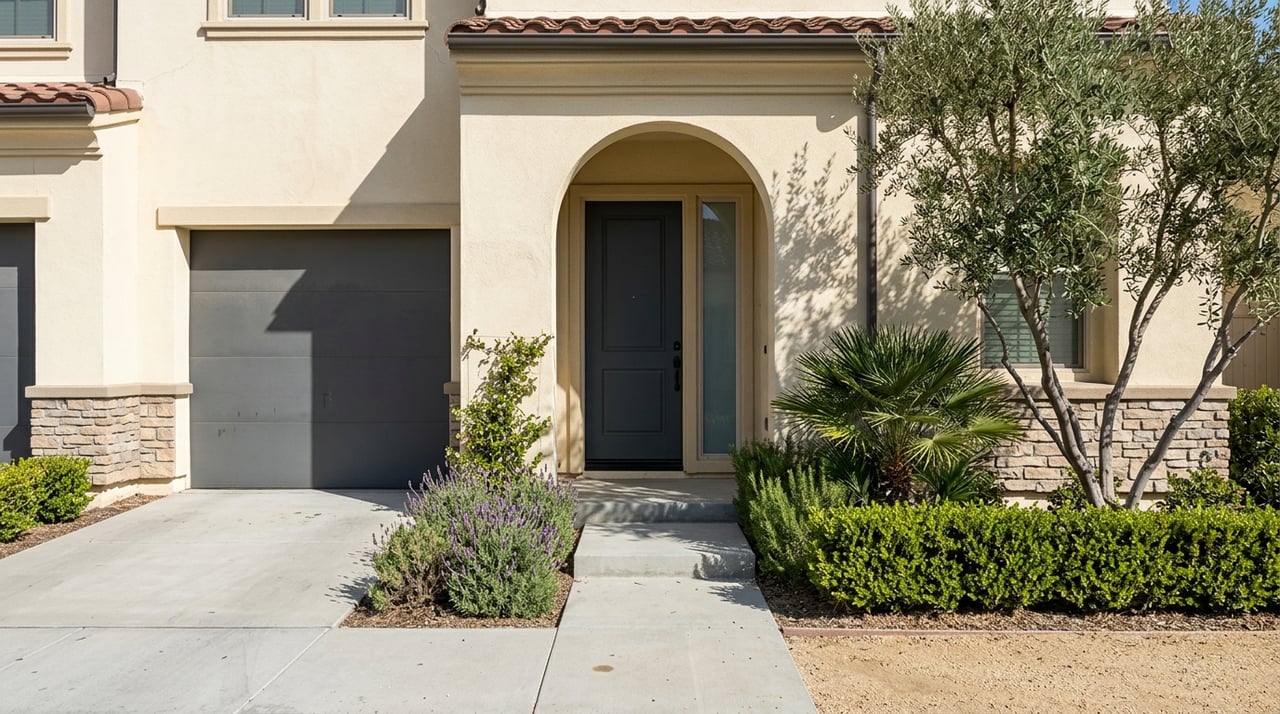
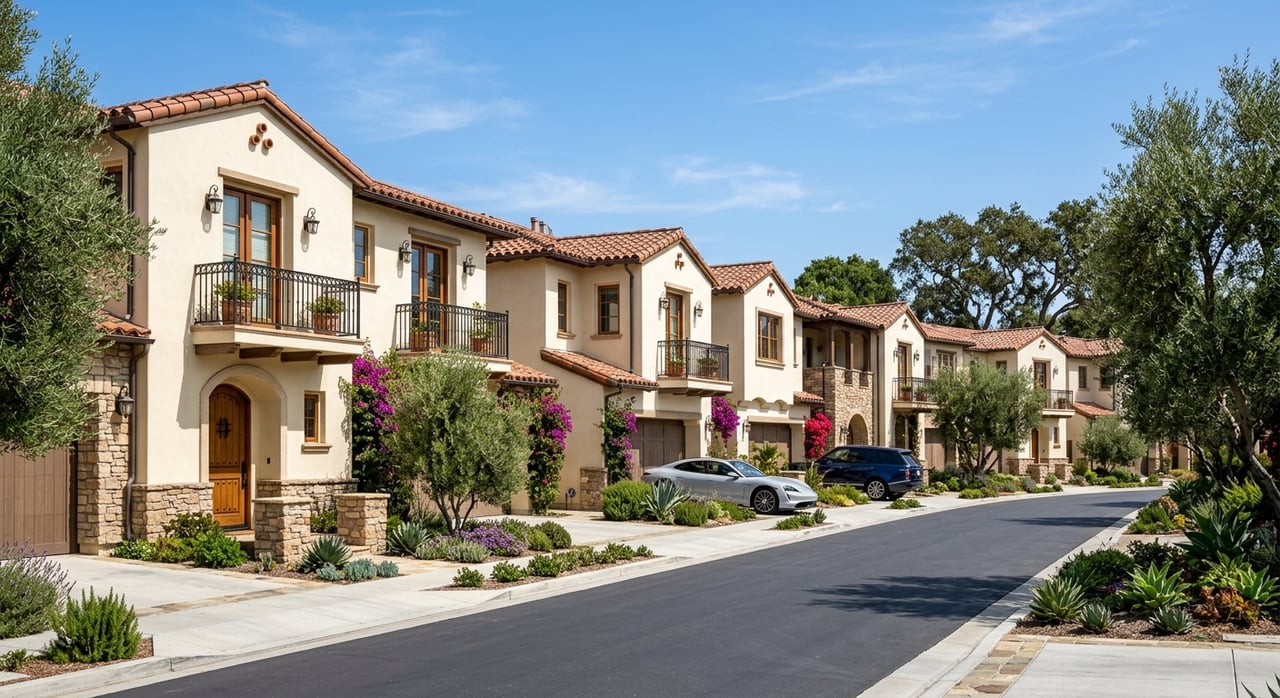
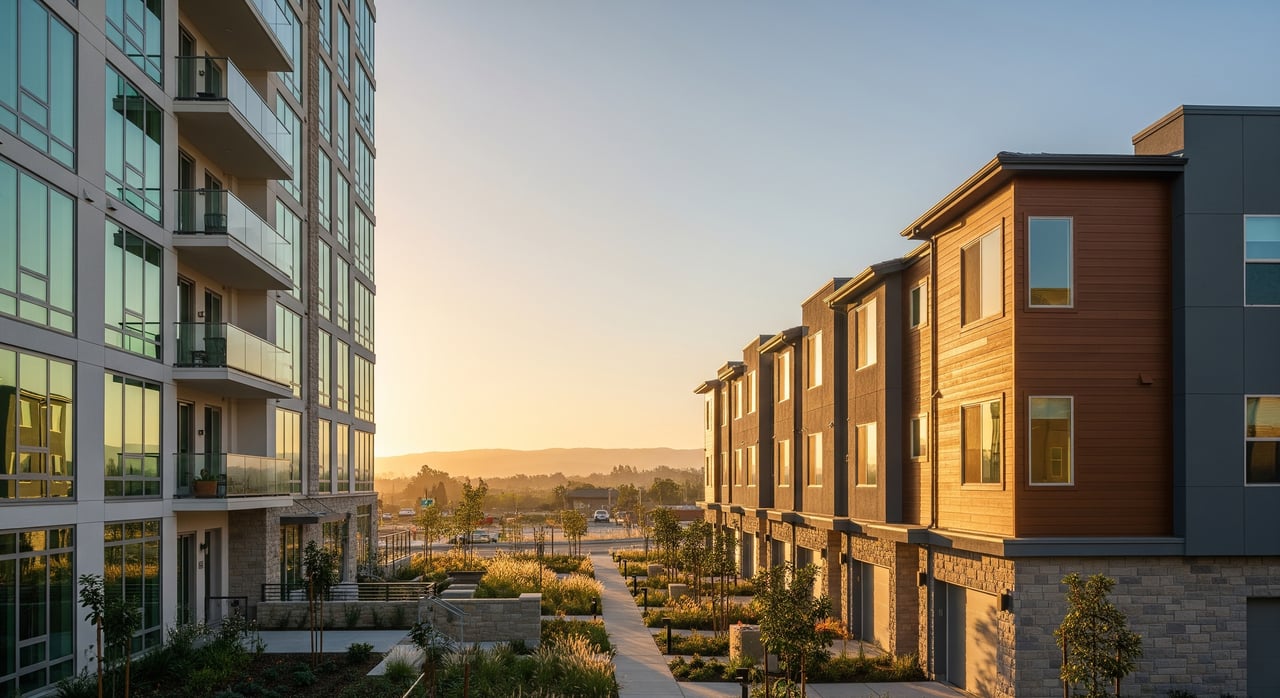
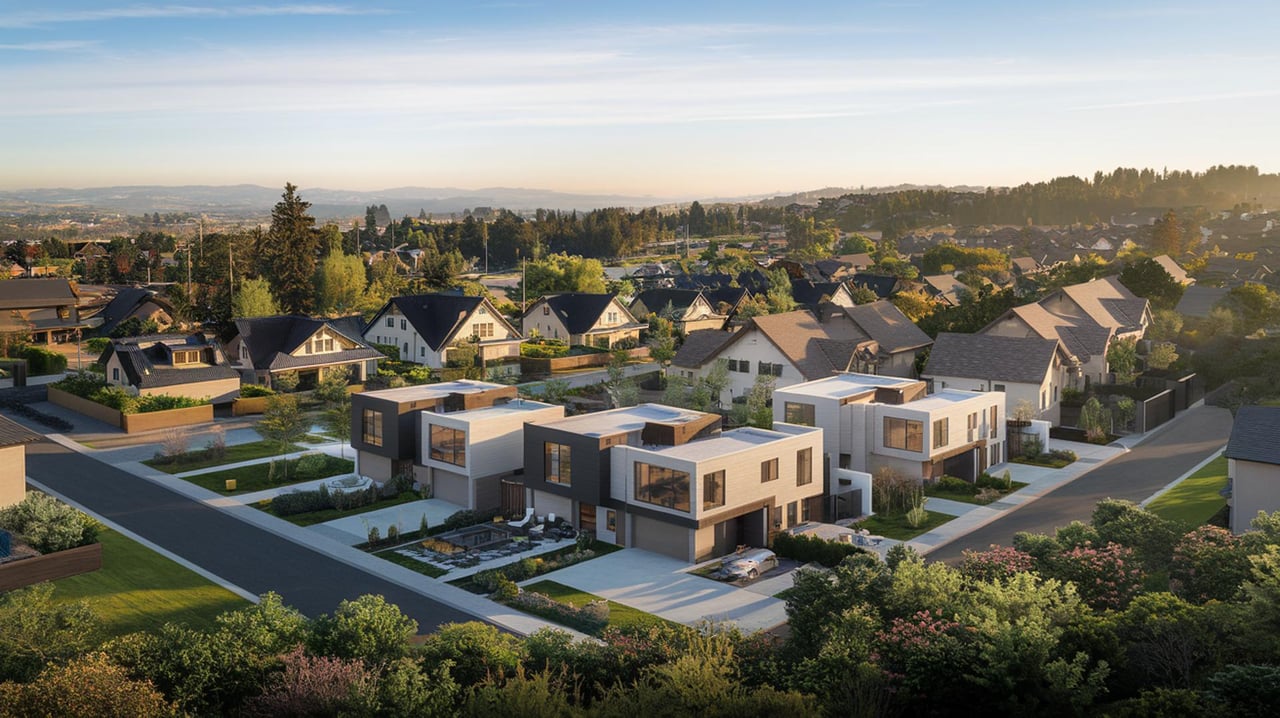
You will find most newer townhomes clustered near Midtown, the Milpitas Transit Center, and commercial corridors targeted for growth. Recent proposals on South Main Street illustrate the trend: 3-story floor plans with two-car garages and units around 1,423 to 2,092 square feet. See the footprint examples in the 612 S. Main Street townhome coverage. Built communities like Milpa Village show a similar format with units around 1,790 to 2,026 square feet and in-unit features typical of modern townhomes. Explore the amenity and layout cues in the Milpa Village overview.
Typical floor plan you will see
- Level 1: Garage plus a flex room or entry foyer. Some plans use this room as an office or guest space.
- Level 2: Open-plan kitchen with island, dining, and living room that connects to a balcony or small deck.
- Level 3: Bedrooms, including the primary suite and laundry closet.
Daylight is strongest at the front and back because party walls sit on the sides. End units often feel brighter thanks to additional side windows.
What to look for on tours
- Vertical circulation and daily flow. Count the stair runs from the entry to the kitchen. Carrying groceries or a stroller up one flight may feel fine, while two flights may not.
- Daylight and glazing. Note the number and size of windows on the living level. End units usually have better light. Helpful principles are summarized in Energy 101: Daylighting.
- Balcony and rooftop usability. Some communities treat a balcony or rooftop deck as the primary outdoor space. Check wind exposure and rail height for comfort and safety.
- Storage and garage depth. Many two-car garages are tandem. Confirm clearance for bikes, bins, and EV charging while still parking two cars.
- Mechanical capacity. Look for EV readiness and panel space if you plan to add an EV charger or more tech at home. Newer communities often include this.
Design tip: work and entertain smart
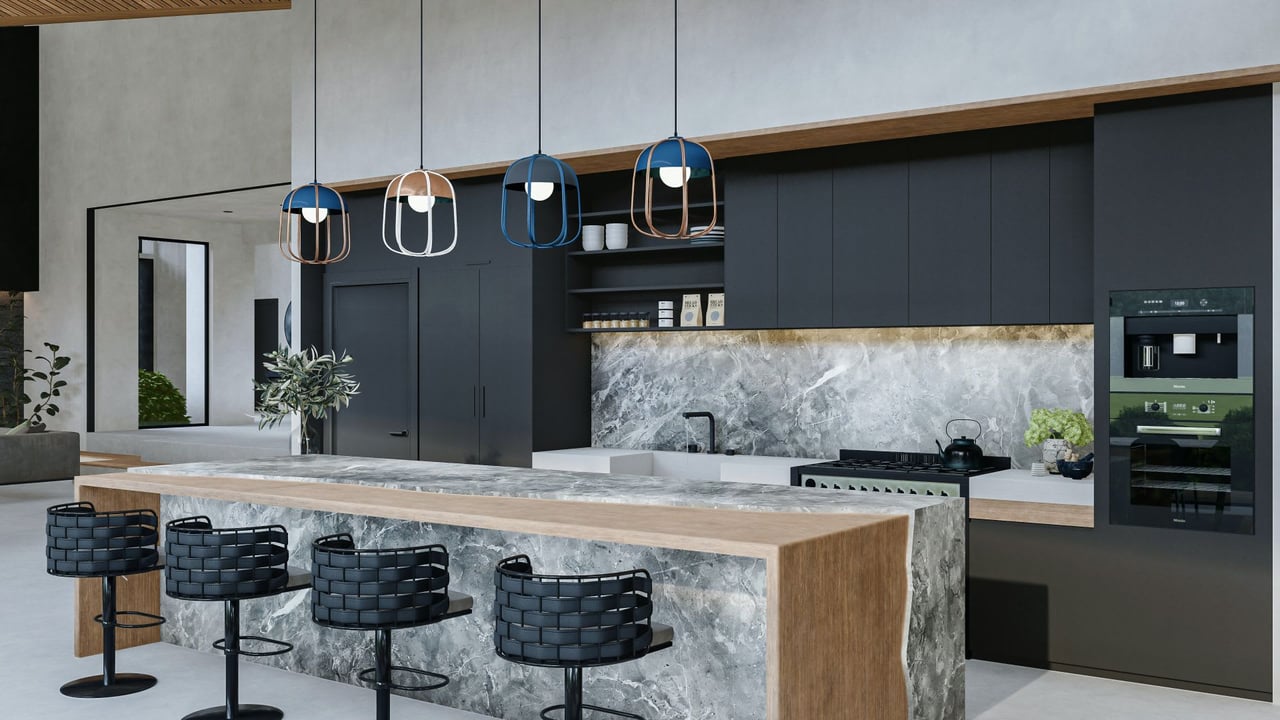
Turn the ground-floor flex room into a quiet office with a solid-core door and soft finishes to absorb sound. On the entertaining front, plan the main-floor furniture so guests flow easily to the balcony or rooftop deck. Light-colored walls and translucent shades can boost daylight without glare, a strategy supported by DOE daylighting guidance.
Newer planned communities: flexible and connected
Near the Transit Center and Great Mall, you will see mixed-use or master-planned projects with rowhomes, stacked flats, and low-rise condo buildings. Builders emphasize open kitchens, flexible rooms, and energy features like EV infrastructure. Amenities often include shared courtyards, pocket parks, and community rooms. These locations line up with city priorities in the Metro and Gateway areas noted in the Housing Element and specific plans.
Typical floor plan you will see
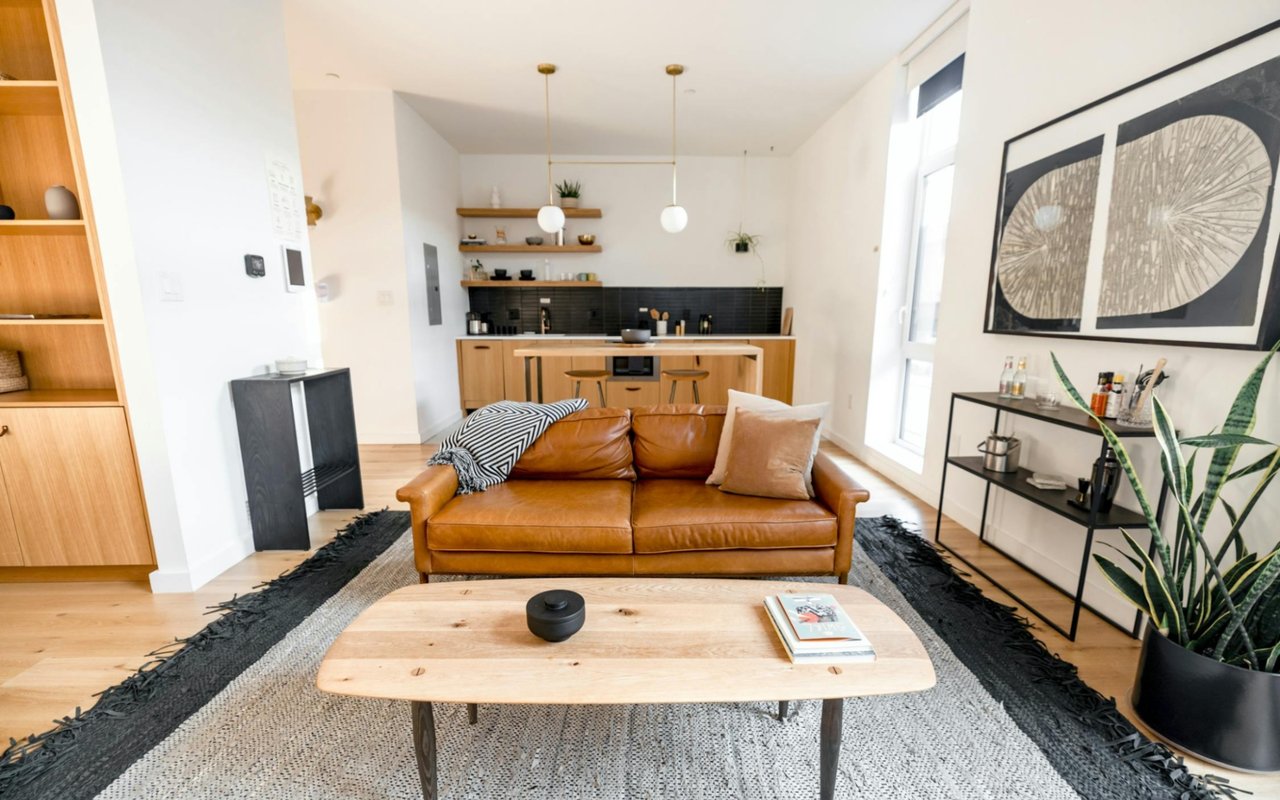
- Open living plus island kitchen, sized efficiently for everyday cooking and casual dining.
- One or two flex spaces for an office, fitness nook, or a guest room with a Murphy bed.
- In-unit laundry plus modest private deck or patio.
According to national buyer preference research, flexible spaces that support work and wellness are high on wish lists. You will see that reflected in local builder spec sheets and room labels. See the trend overview from NAHB on what buyers want most in flexible living at home: Top qualities buyers want.
What to look for on tours
- Flex room usefulness. Can the den close with a door for calls or guests, or is it a pass-through?
- Kitchen workflow. Check island clearance, pantry space, and where the fridge opens relative to the cook zone.
- Daylight reach. For deeper interior plates, confirm that natural light reaches 15 to 20 feet from the window wall as suggested by DOE daylighting guidance.
- Community amenities. Courtyards and lounges can offset smaller private yards, especially for gatherings.
- Sound transfer. In stacked flats, stand in the living room and listen for footfall above. Ask about sound-attenuating assemblies.
Design tip: make small spaces feel big
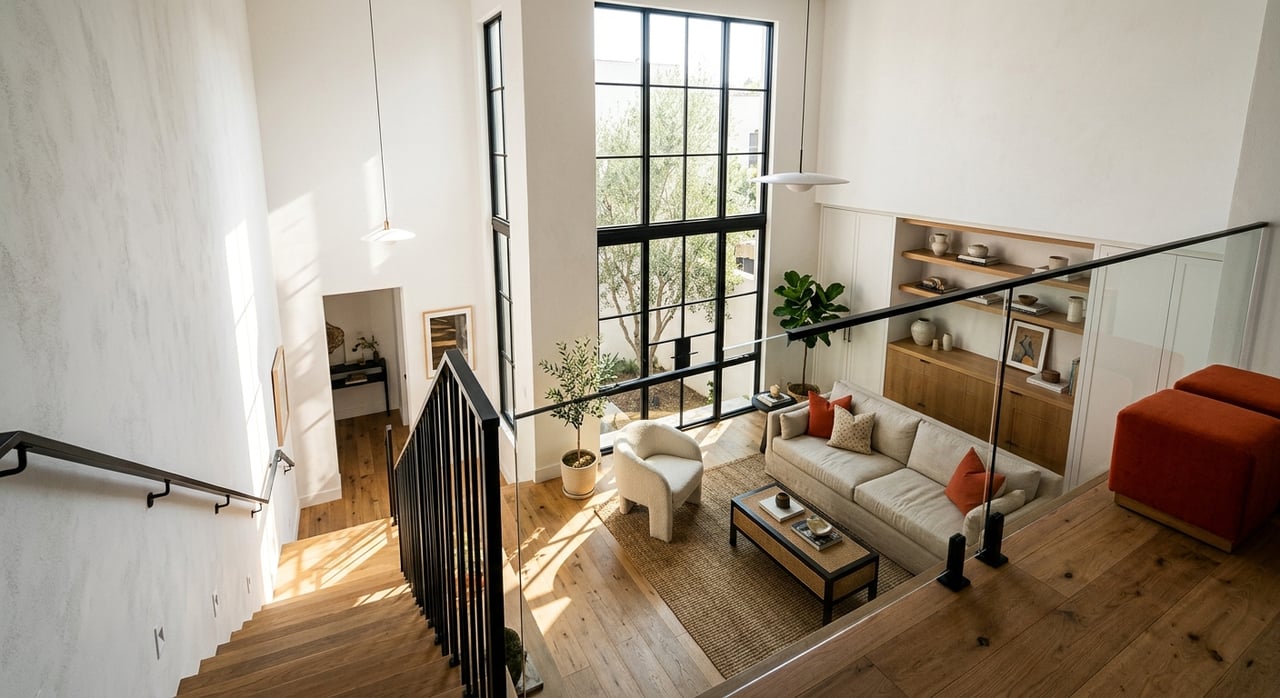
Choose built-ins that double up on function, like a wall bed with a desk in a den, or a banquette with storage under the seat. Light, low-profile furniture and a consistent neutral palette will make the space feel larger, while a single bold accent wall can add definition without visual clutter.
Older single-family homes: space and potential
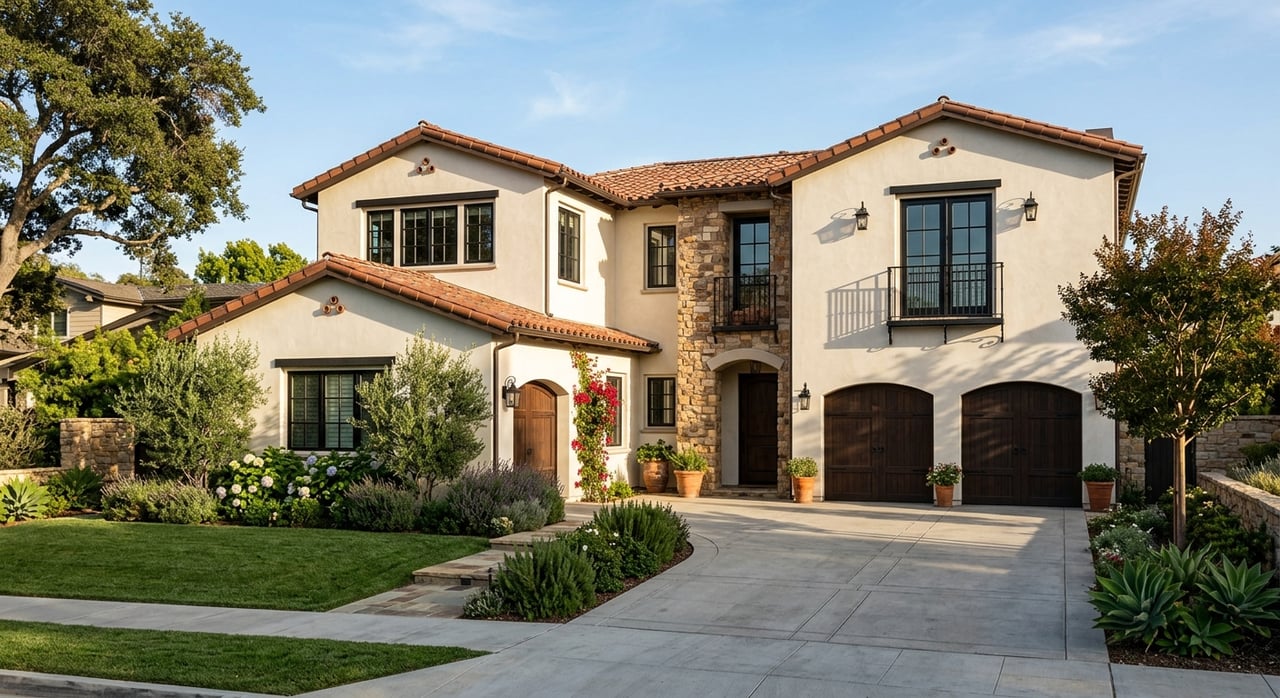
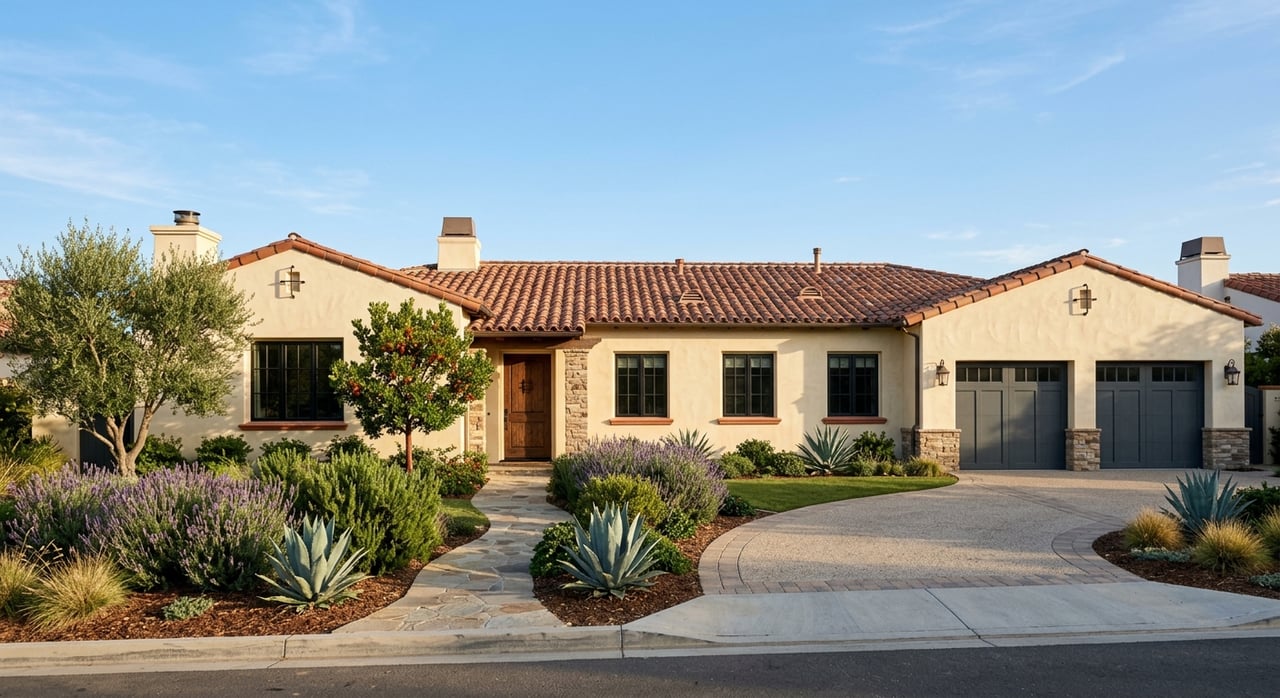
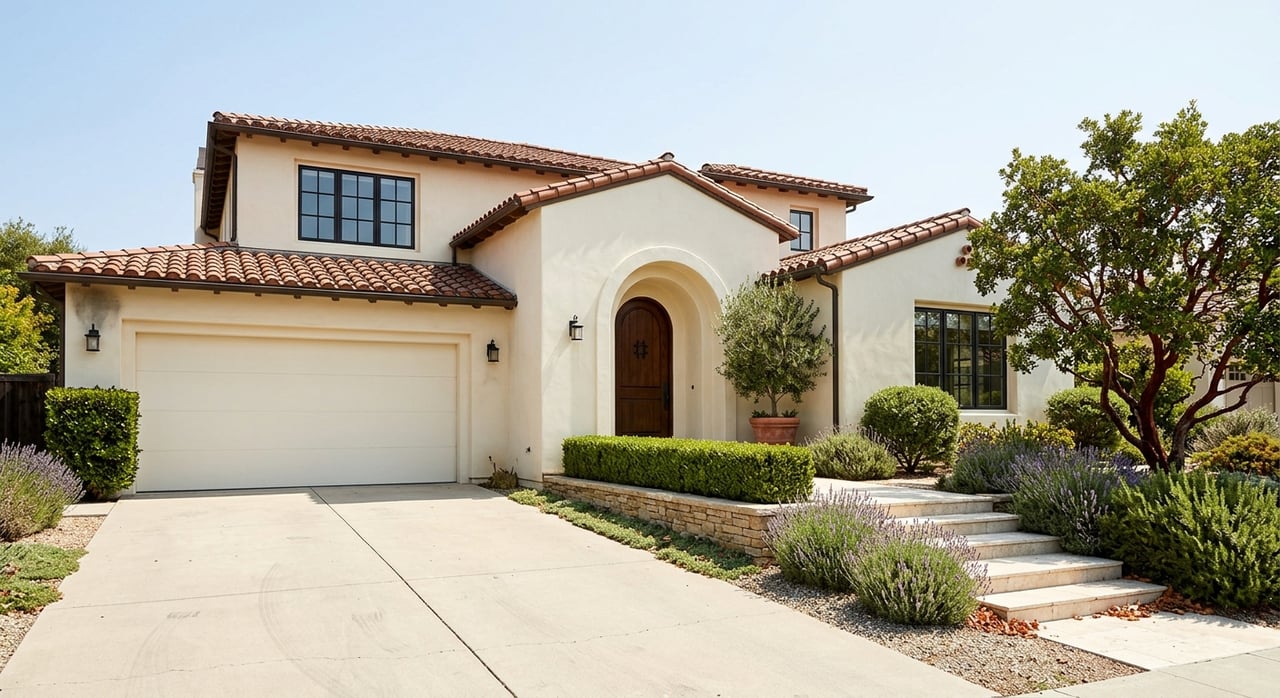
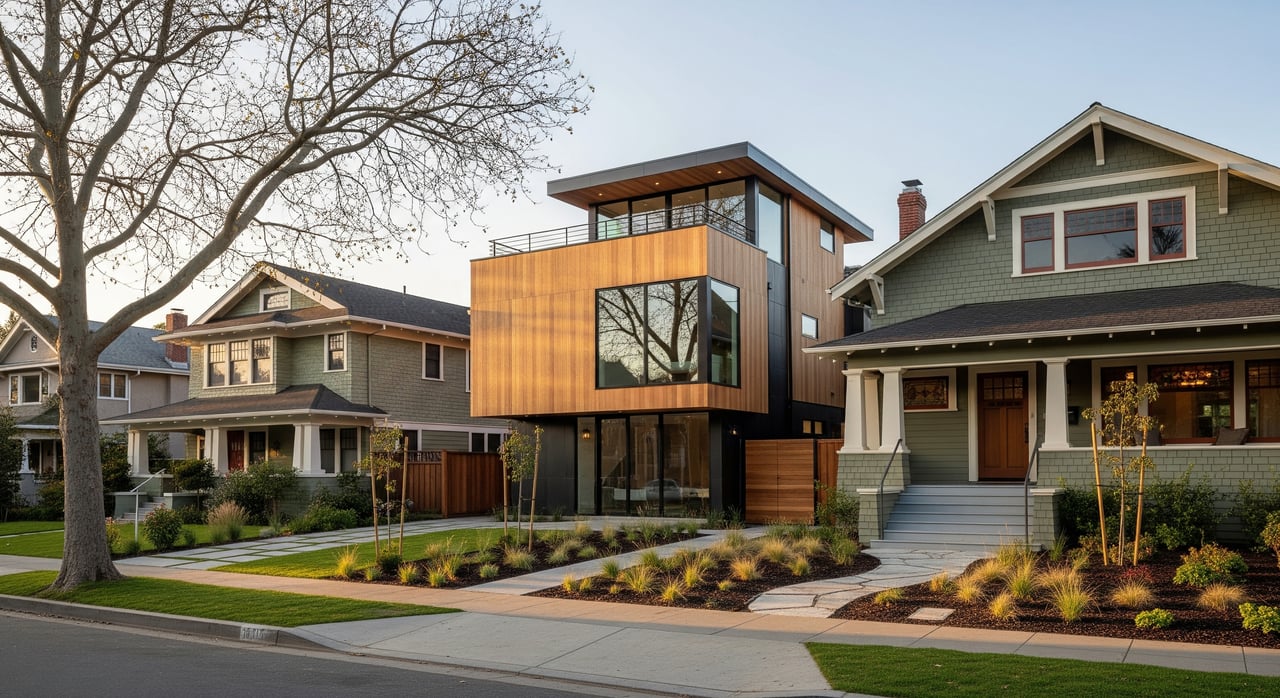
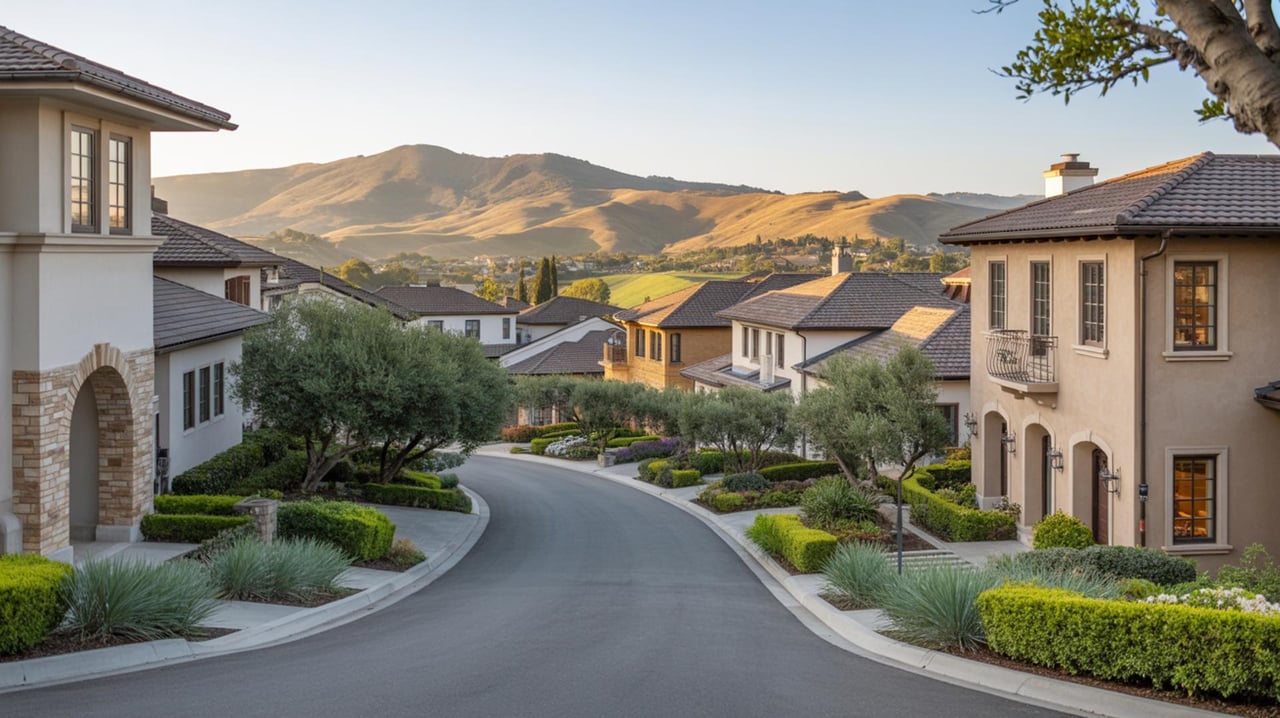
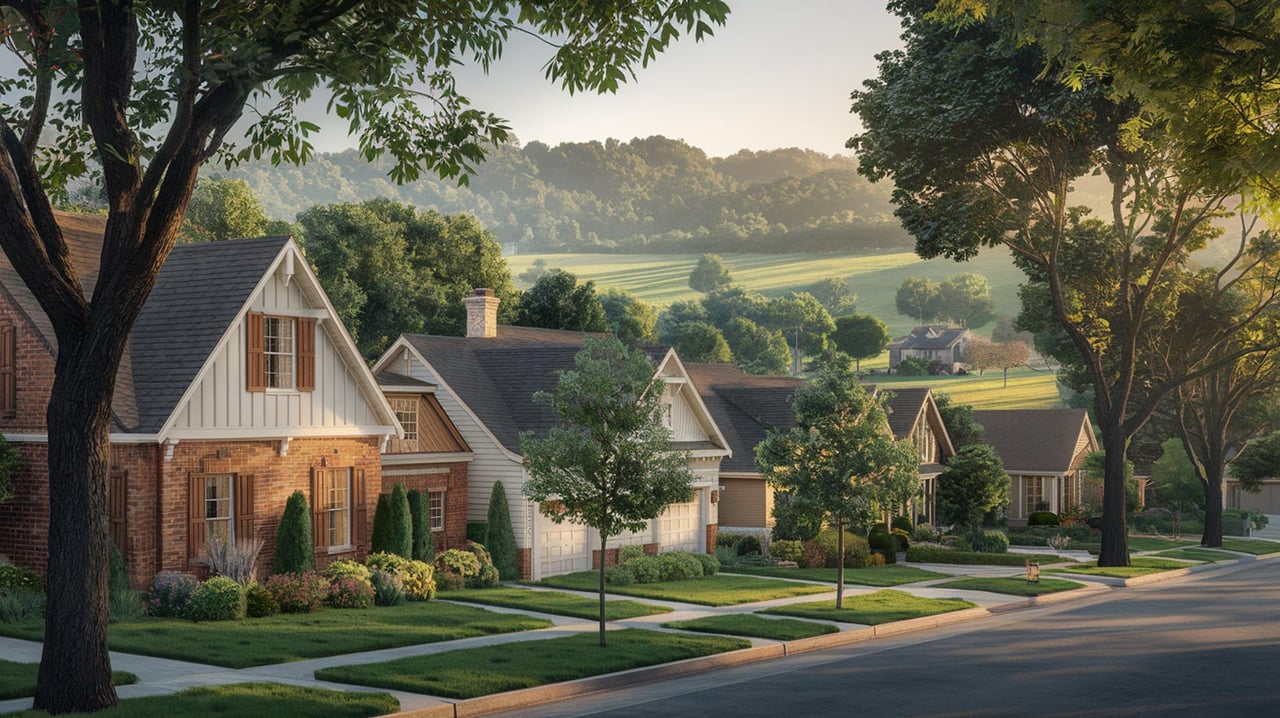
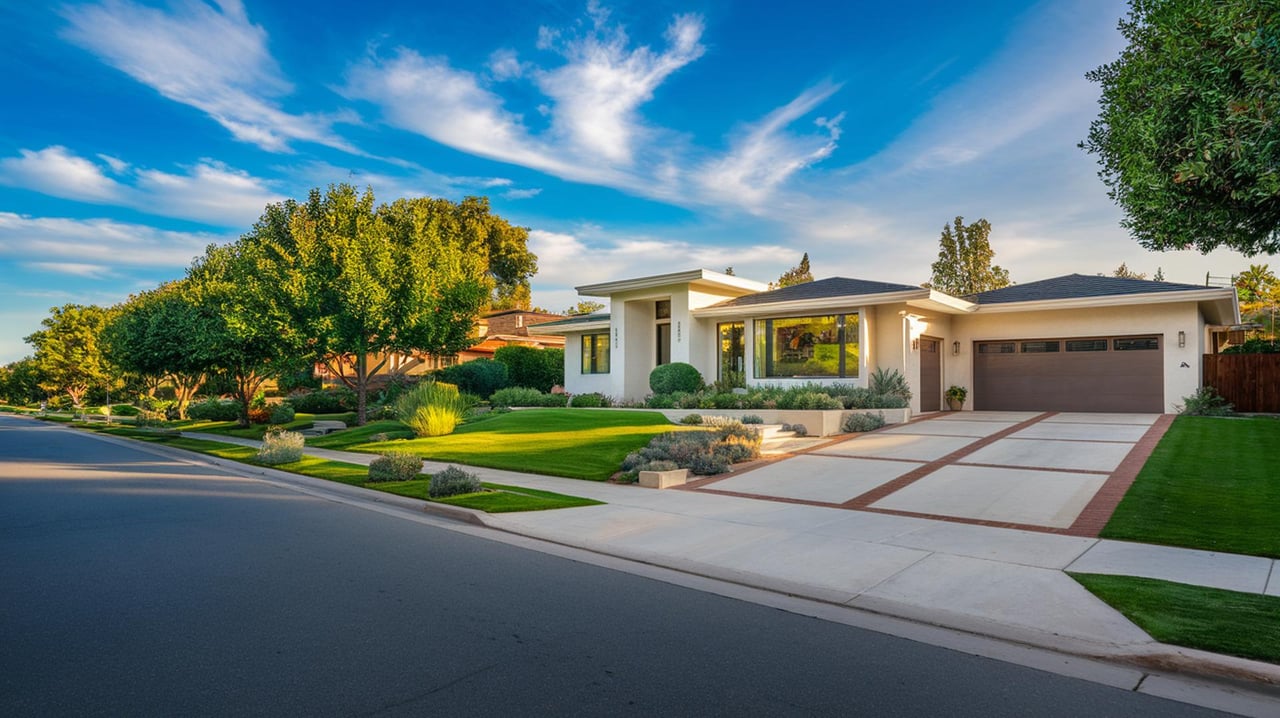
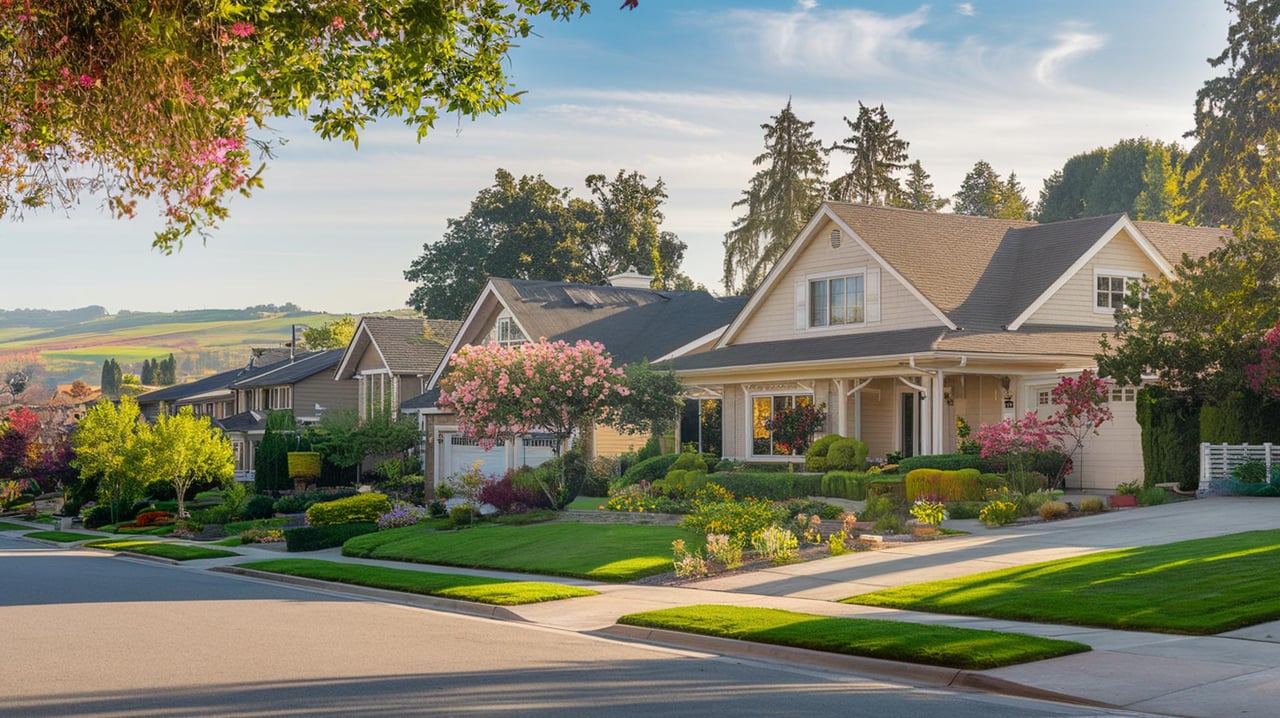
Much of Milpitas’s detached housing was built from the 1950s through the 1970s, with some later infill. You will often see single-level ranch, split-level, and conventional two-story plans. These homes usually sit on larger lots than new townhomes, which means more room for patios, gardens, or even an accessory dwelling unit subject to local standards. The City’s Housing Element documents this mid-century era and the neighborhood patterns across town. Review the history and lot characteristics in the City’s Housing Element.
Typical floor plan you will see
- Formal living and dining at the front, a separate kitchen, and 2 to 3 bedrooms on one level.
- Later remodels often open the kitchen to a family room.
- Attached garages are common, sometimes with a carport in older tracts.
What to look for on tours
- Orientation and heat gain. South-facing rooms get even daylight through the year. West-facing rooms can be bright but warm late in the day. See basics in Energy 101: Daylighting.
- Structural walls. If you dream of an open kitchen, ask which walls are load-bearing and get a sense of beam requirements before you buy.
- Yard usability. Focus on flat, usable patio and lawn areas, not just lot size. Check drainage and access for future projects.
- Electrical capacity. Older panels may need upgrades for EV chargers, heat pumps, or an ADU subpanel.
- Expansion path. Note setbacks, tree constraints, and whether the parcel sits in a hillside or other constrained area as described in city planning documents.
Design tip: open up and connect
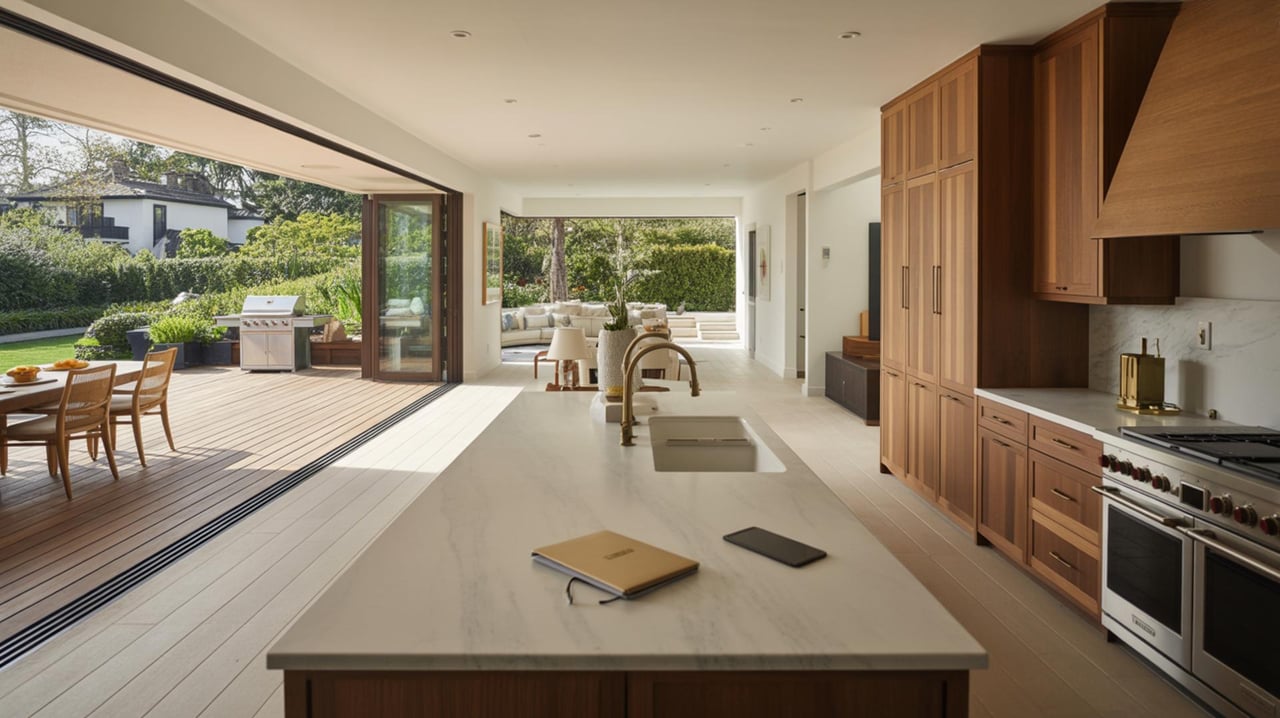
Many mid-century plans feel bigger by removing a few non-structural partitions to connect kitchen, dining, and yard access. Pair the update with a larger slider to the patio for better indoor-outdoor flow. Always consult a structural engineer before changing any load-bearing elements.
ADU and SB9 primer for buyers
If you want multigenerational flexibility or rental income, an accessory dwelling unit can be a smart move. Milpitas offers a Pre-Approved ADU Program with plan sets and an expedited process that can reduce review time and cost. Explore the City’s resources on the Pre-Approved ADU Program.
Key points to know as a buyer:
- Size, setback, and parking. The City sets objective ADU standards. Parking can be waived if the property is within one half mile of transit, which is common near the Transit Center.
- SB9 interaction. Lots that have been split under SB9 usually cannot add an ADU. Confirm details in the City’s SB9 FAQ.
- Fees and scope. The Housing Element notes that entitlement and impact fees in Milpitas are relatively high compared with some nearby cities, which affects the economics of major additions. Budget for local fees and plan review when you evaluate a project’s total cost.
Neighborhood orientation
Use these areas as a starting map for what you will find on tours. Keep in mind that every block is unique and you should verify local conditions before you buy.
- Sunnyhills. Mid-century single-family character with established streets and lots that often support outdoor living and adaptation.
- The Pines. Predominantly residential tracts with conventional suburban layouts and access to parks and services.
- Town Center and Midtown. Central corridors with a mix of older homes and newer infill, close to retail and city services.
- Milpitas Metro and Great Mall area. Transit-adjacent, with newer townhomes, condos, and mixed-use. Expect vertical living and shared amenities.
- Hillside areas. Larger lots and more environmental constraints. Expect additional review layers for certain exterior changes.
You can find the planning context for these areas in the City’s Housing Element and the Gateway–Main Street Specific Plan.
Quick touring checklist
Bring this list to your next showing. It will help you compare very different floor plans on equal terms.
- Orientation and daylight. Note which direction the living room and primary bedroom face. South is steady light, east is morning sun, and west runs bright and warm in late afternoon. See Energy 101: Daylighting.
- Stairs and flow. In townhomes, count the stair flights to everyday zones. In detached homes, check the path from garage to kitchen for ease with groceries.
- Window placement and depth. In deep floor plates, look for windows or skylights that push daylight into the center rooms.
- Outdoor usability. Measure flat, usable square feet, not just total lot area. Check drainage, slope, and side access.
- Storage reality. Look past closets on the plan. Is there a coat closet at the entry, pantry near the kitchen, and real garage storage?
- Mechanical and wiring. Confirm panel space for EV charging or an ADU subpanel, and ask about HVAC zoning.
- Expansion rules. Ask whether the lot sits in a Housing Opportunity District or hillside-controlled area, and whether any SB9 or deed restrictions apply.
Where to start
If you want a hands-on walkthrough of how a floor plan will live for your family, we can help you compare options, map simple design upgrades, and flag ADU or expansion paths early. Let’s build a plan that balances daily life, budget, and long-term value.
Ready to find the right Milpitas layout for you? Reach out to the Nivi Das Team for a personal buyer consult.
FAQs
What home types are most common in Milpitas?
- About 70 percent of Milpitas housing is single-family, with the balance in multifamily buildings, according to the City’s Housing Element.
How big are newer Milpitas townhomes?
- Recent examples show 3-bedroom townhomes around 1,423 to 2,092 square feet, with built communities like Milpa Village listing units around 1,790 to 2,026 square feet.
Where will I find the newest townhomes and condos?
- Many new homes cluster near the Milpitas Transit Center, Great Mall, and Midtown corridors prioritized by the City’s Gateway–Main Street plan and Housing Opportunity Districts.
Can I add an ADU to an older single-family lot?
- Often yes, subject to city standards. Milpitas runs a Pre-Approved ADU Program to streamline design and permitting, but always confirm parcel-specific limits first.
How does SB9 affect my ability to build an ADU?
- Lots that have already been split under SB9 generally cannot add an ADU. Check details in the City’s SB9 FAQ and verify status during due diligence.
What are the best ways to improve daylight in a townhome?
- Prioritize end units for side windows, use light finishes and translucent shades, and consider skylights or light tubes to bring daylight to the core.