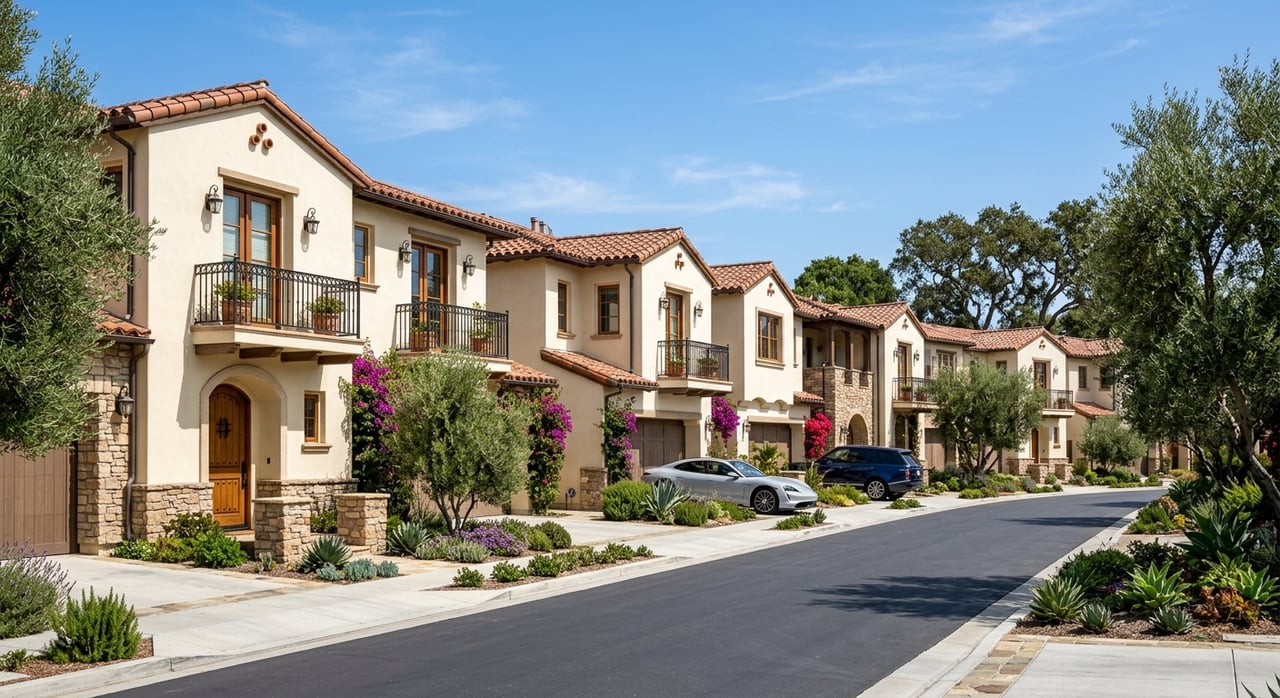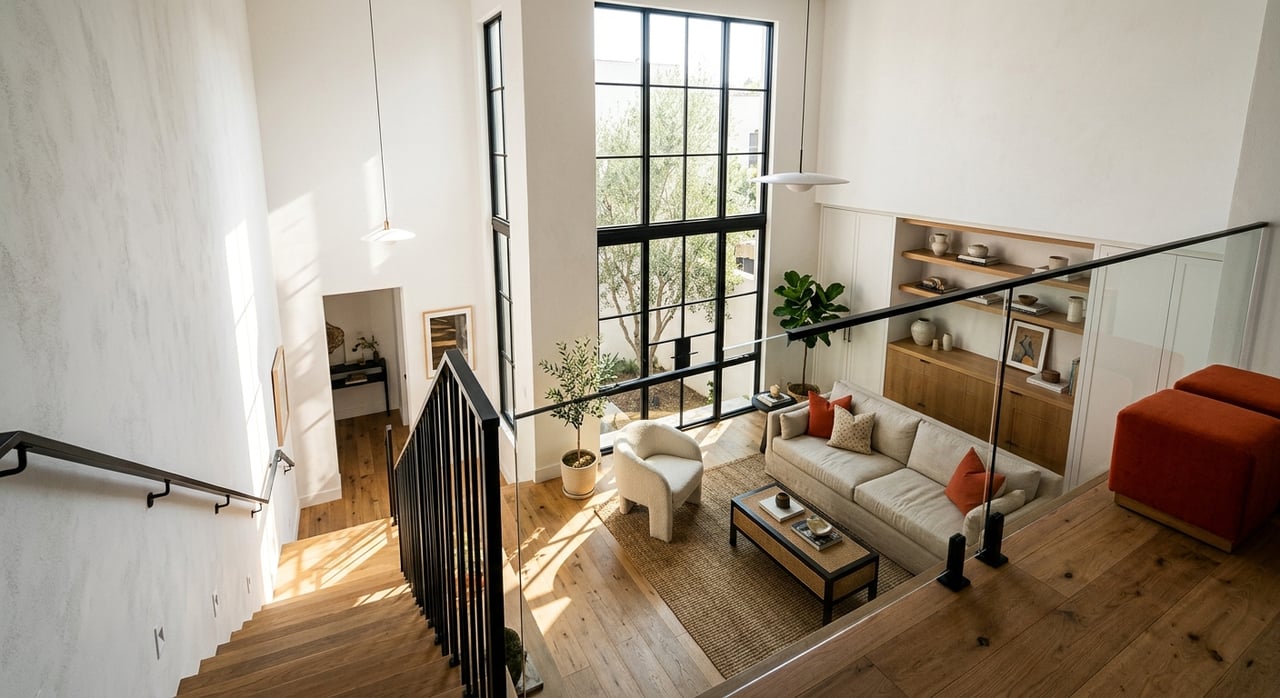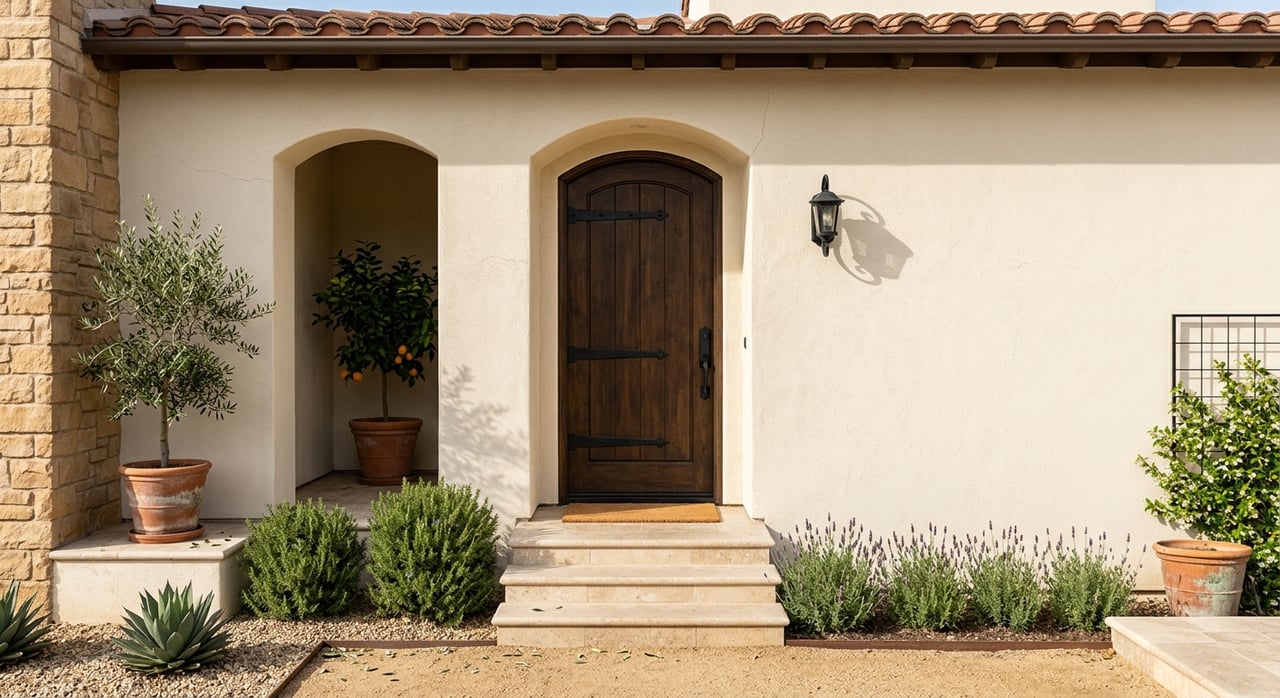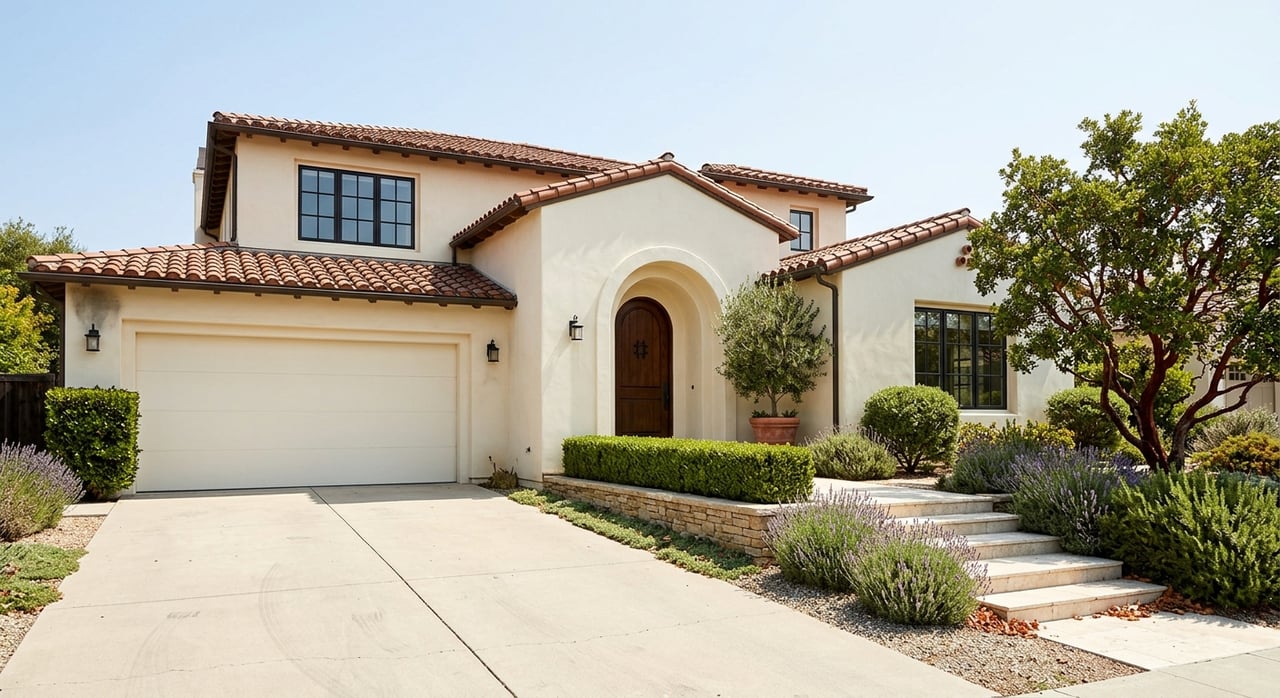
Wondering whether a Castro Valley single-family home will give you the right mix of space, layout, and day-to-day convenience? That is one of the biggest questions buyers face here, especially when homes can look very different from one part of town to the next. If you are weighing lot size, floor plan, commute access, or outdoor lifestyle, this guide will help you understand what to expect and how to compare your options with more confidence. Let’s dive in.
Why Castro Valley Stands Out
Castro Valley offers a strong single-family home market with a long-term ownership feel. According to the U.S. Census QuickFacts for Castro Valley, the area has a 72.5% owner-occupied housing rate, 22,242 households, and 2.89 persons per household. That data points to a market where many buyers are looking for stability, usable space, and homes that support everyday routines over time.
Home values also reflect that demand. The same Census source reports a median owner-occupied home value of $1,104,600, while Redfin’s Castro Valley housing market data showed a $1.125 million median sale price in February 2026, with homes selling in about 14 days on average. For you as a buyer, that means it helps to know which home features matter most before you start touring.
How Lot Sizes Vary
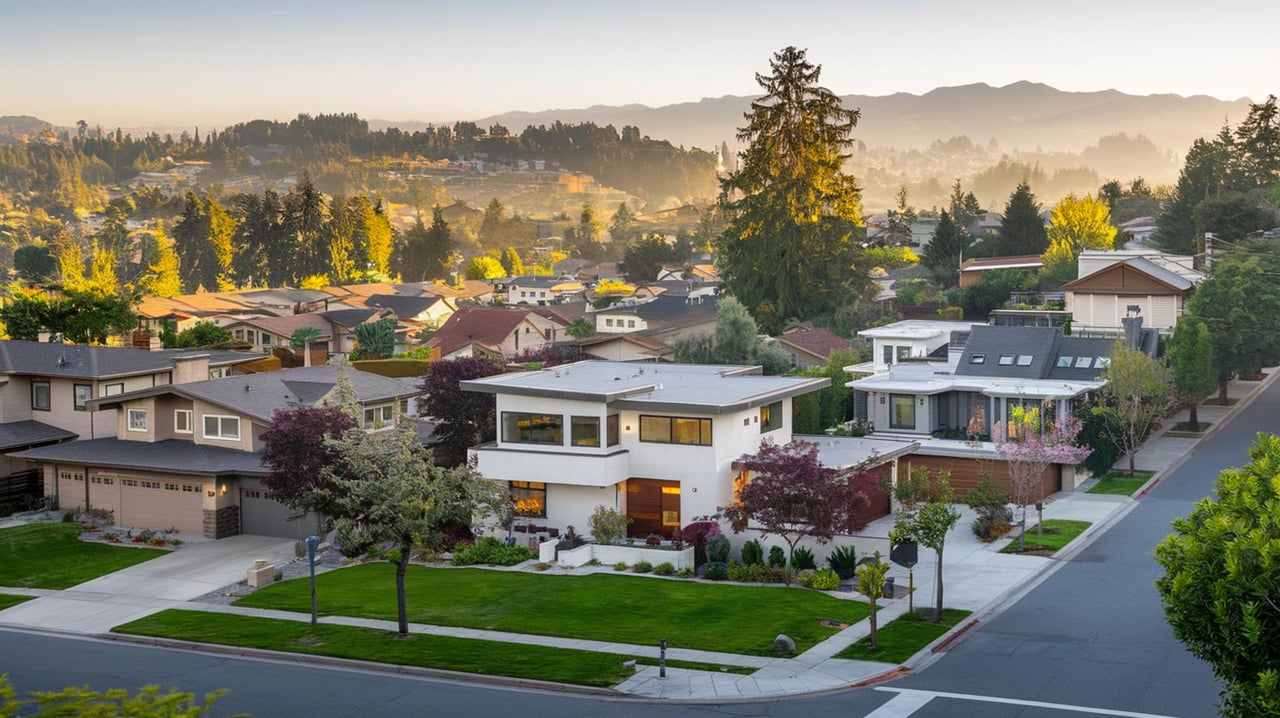
One of the most important things to know is that Castro Valley single-family homes do not come in one standard format. Alameda County planning documents note that single-family residential lots around 7,500 square feet are common in urbanized areas, while hillside lots generally range from 5,000 to 10,000 square feet depending on slope. In some hillside areas with steeper average slopes, the minimum lot size requirement can be 10,000 square feet, according to the Castro Valley General Plan framework.
That means a larger lot on paper does not always translate to more usable outdoor space. A flatter, more central lot may feel easier to use for play, gardening, entertaining, or future improvements, while a hillside parcel may offer privacy or views but less level yard area. This is where looking beyond the square footage becomes important.
What lot shape means for you
The county also notes that long, deep lots are prevalent in certain areas and that new housing should preserve sunlight, open space, and privacy. Those details matter because lot shape can affect how a home lives on a daily basis. A deep lot might offer more separation from neighbors or more backyard potential, while an irregular or sloped lot may create different maintenance needs.
If you are comparing homes, it helps to ask not only “How big is the lot?” but also “How much of this lot will I actually use?” That simple shift can make your home search much more practical.
Older Central Homes vs Newer Hillside Homes
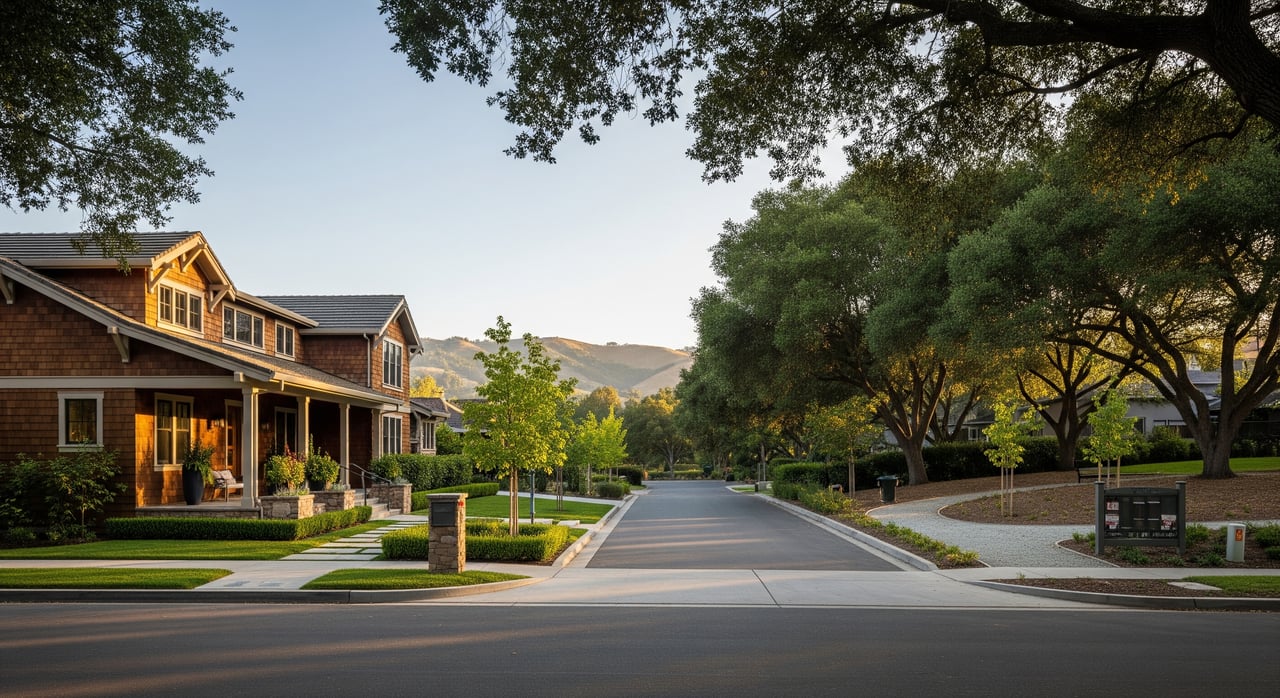
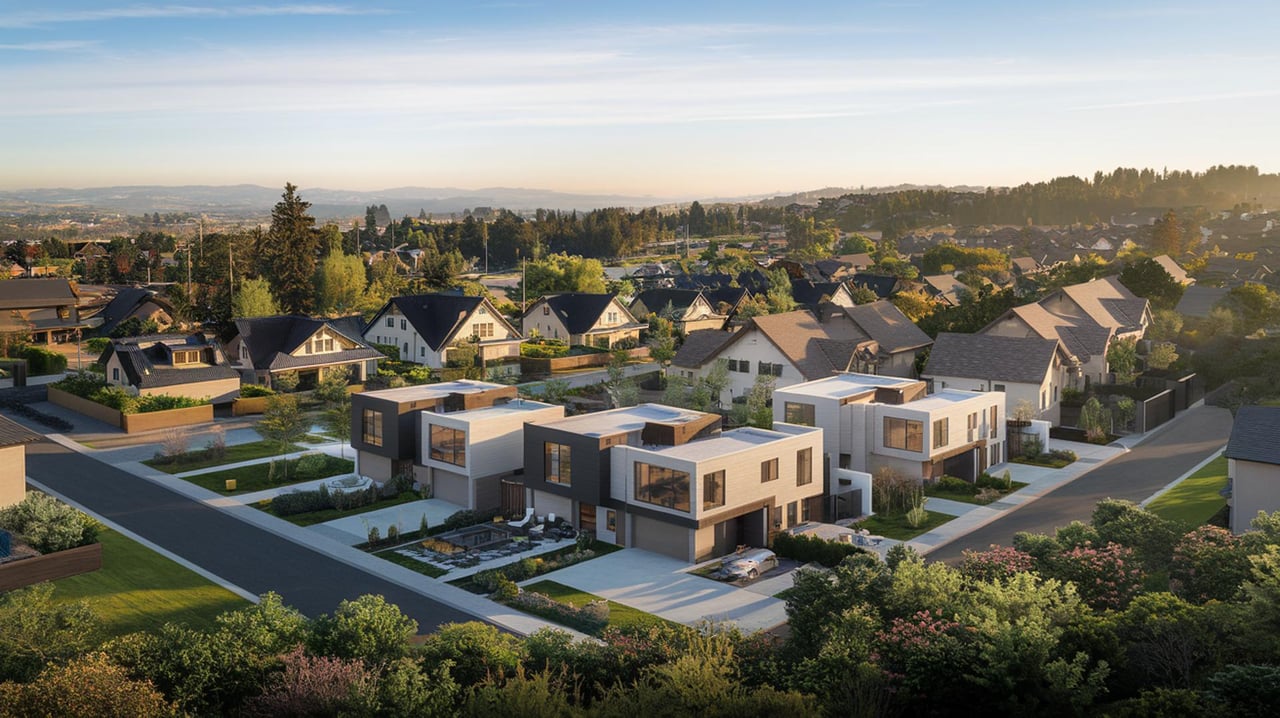
Castro Valley gives you a real mix of housing styles, and the age and location of a home often shape how it functions. In more central parts of town, listing examples show older homes that are often simpler in layout, including a 1947 home on a 5,310-square-foot lot and a 1972 home on a 9,280-square-foot lot, according to a local Redfin listing example. These homes often appeal to buyers who want more traditional floor plans and, in some cases, one-level living.
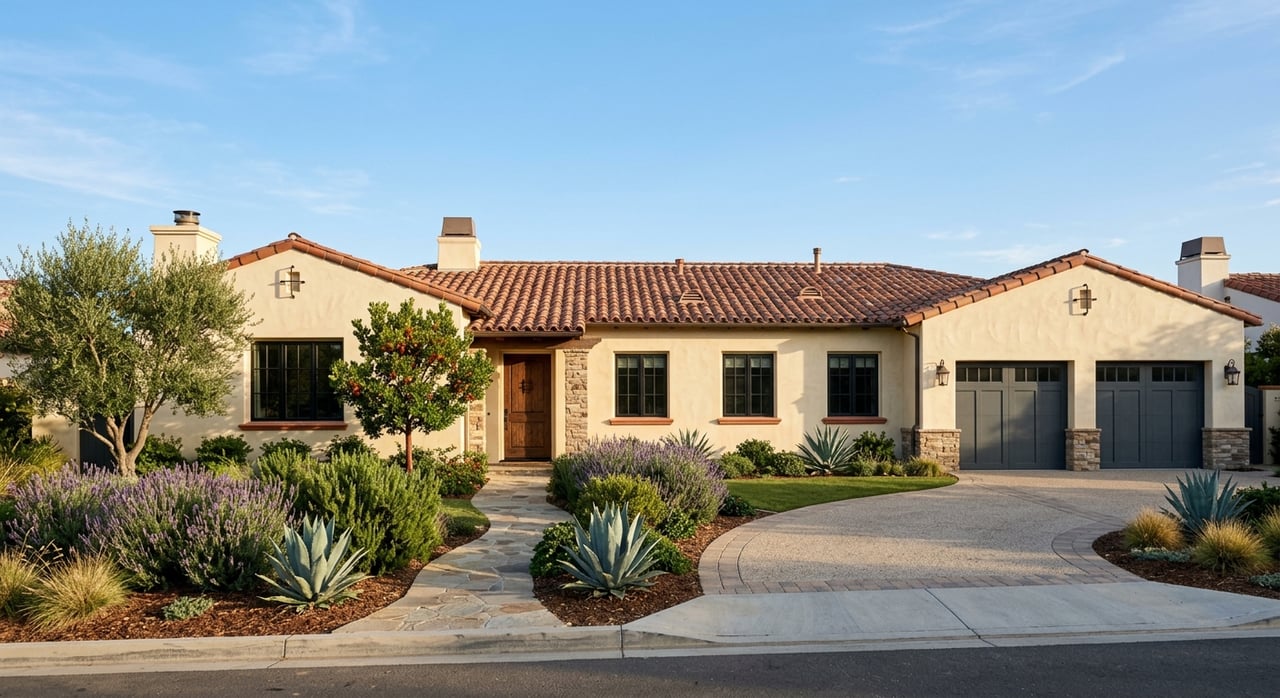
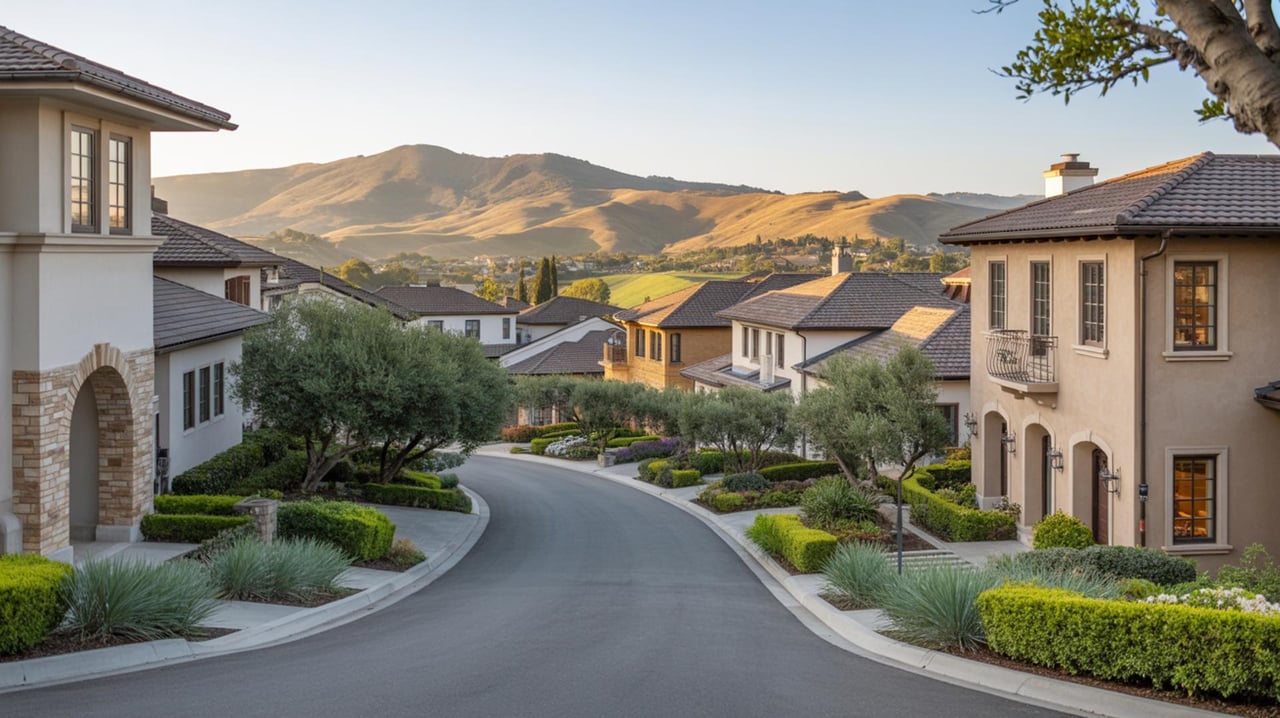
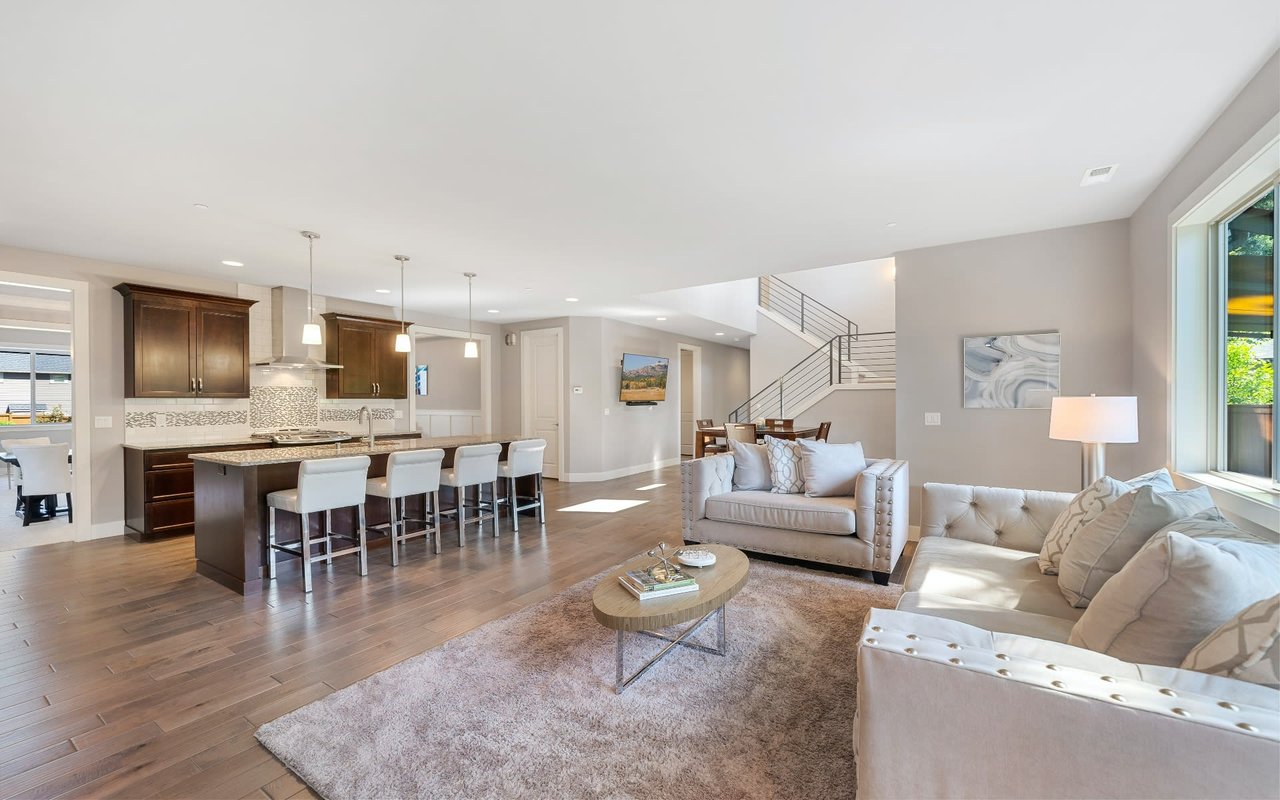
By contrast, newer hillside and planned-community homes often emphasize interior flexibility. Listing examples in Five Canyons include homes built in the 1990s with 2,500+ square feet, options like a downstairs bedroom and bath, and larger garage capacity, according to this Redfin example and this Five Canyons listing example. In practical terms, these homes may work well if you want guest space, room to work from home, or more separation between sleeping and living areas.
Typical layout patterns
While every property is different, the research points to some common layout trends:
- Older central homes often offer simpler circulation and a more traditional room-by-room layout.
- Newer hillside homes are more likely to include bonus areas, vaulted ceilings, downstairs bedrooms, and larger garages.
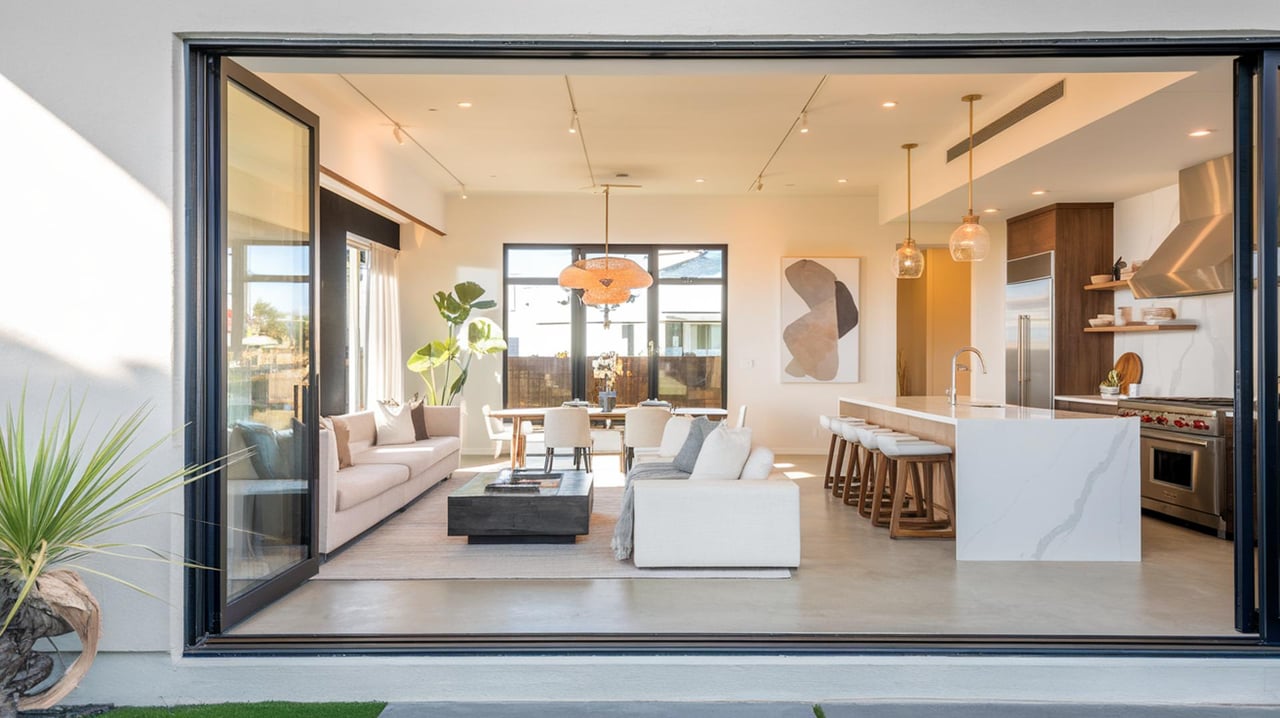
- Contemporary layouts may prioritize flexibility inside even if the lot itself is not dramatically larger.
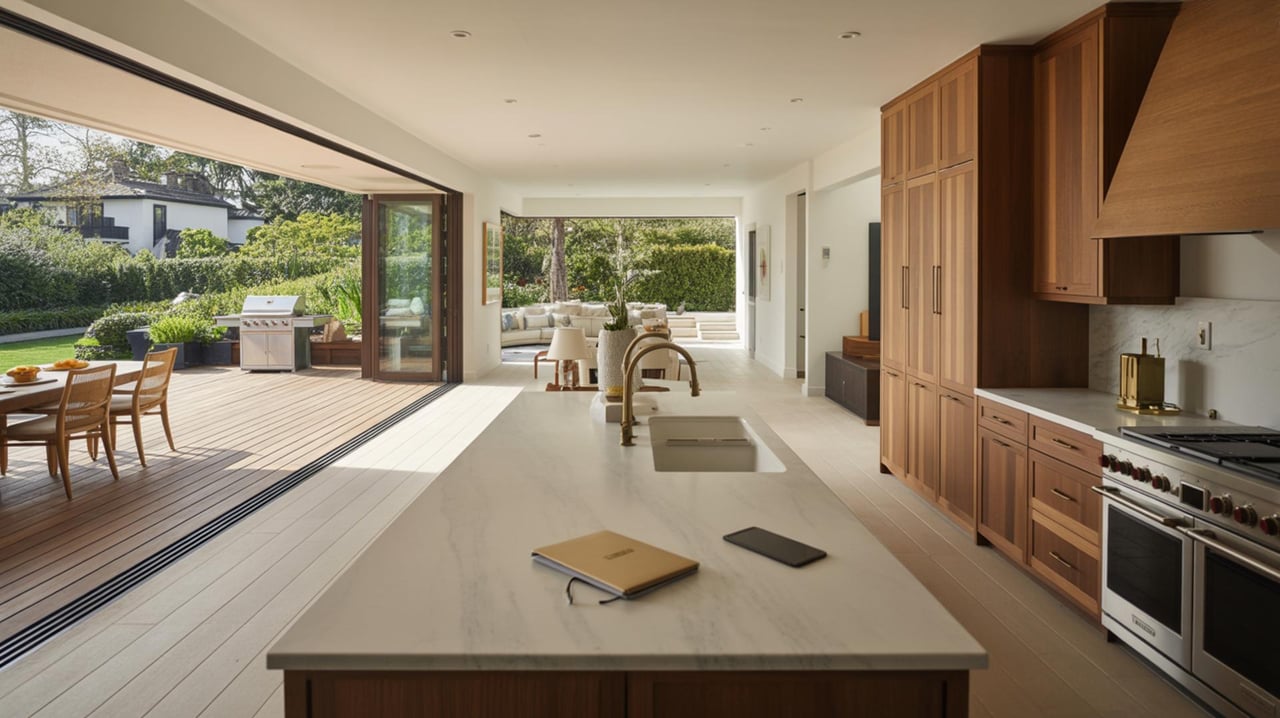
This is where design awareness matters. A home with the right layout for your routine can feel more valuable than a home with slightly more square footage but less functional flow.
Choosing the Right Lifestyle Fit
The best Castro Valley single-family home for you depends on how you want to live, not just what looks best online. The area’s central and hillside sections each offer clear benefits, but they support daily life in different ways.
Central Castro Valley convenience
If you want quick access to errands, services, and transit, central Castro Valley has a lot going for it. The Castro Valley General Plan identifies the business district along Castro Valley Boulevard, Lake Chabot Road, and Redwood Road, with retail, office, recreation, and service uses nearby. It also points to a Downtown Core, Transit Village, Library District, and Professional-Medical District that help explain why some central homes feel more connected to everyday needs.
The area has also benefited from public improvements. Alameda County’s Castro Valley Streetscape project added widened sidewalks, trees, bike lanes, lighting, bus stop upgrades, and other pedestrian-friendly features along Castro Valley Boulevard. For you, that can make central neighborhoods feel more practical for short trips and daily routines.
Hillside privacy and views
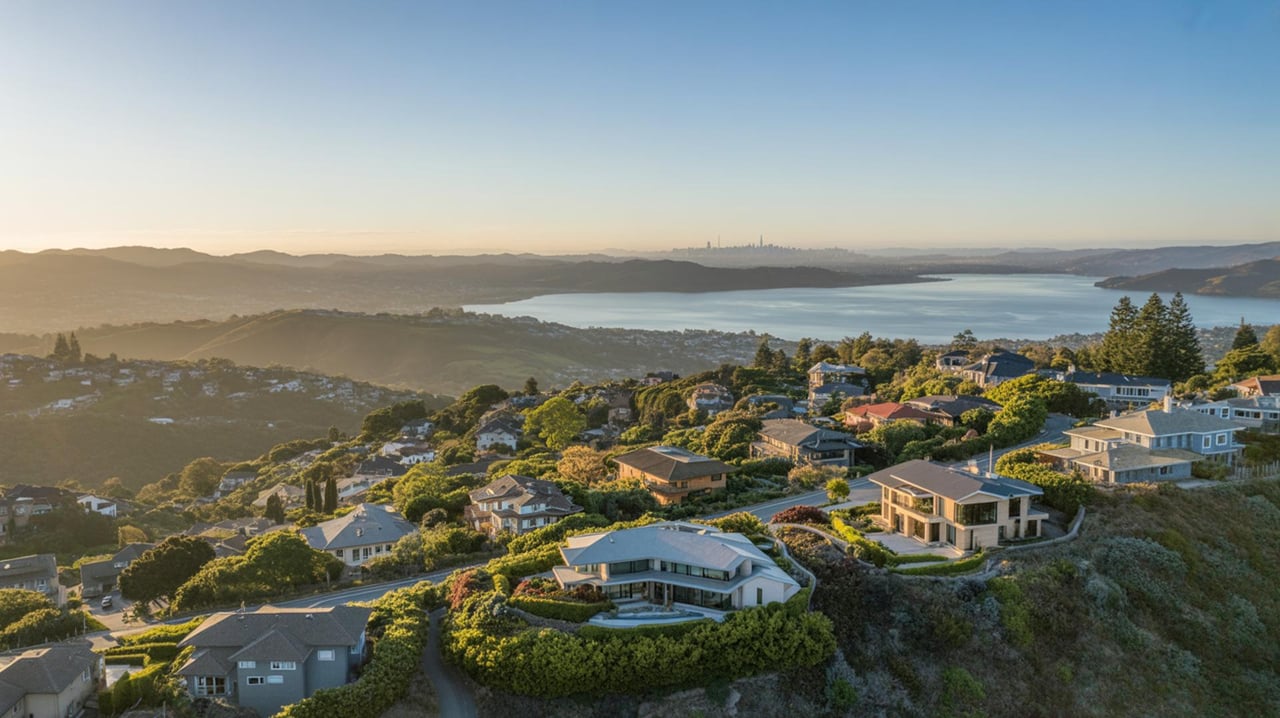
Hillside and canyon-area homes often offer a different kind of appeal. Based on planning context and listing patterns, these homes may trade some of that central convenience for more privacy, stronger visual character, or view-oriented siting. If your priority is a more tucked-away setting and flexible interior space, hillside areas may be worth a closer look.
That said, hillside living can come with added responsibilities. County planning documents describe some hillside residential areas as steep-slope or high-fire-hazard zones, and Alameda County Fire guidance referenced in county documents notes that defensible-space disclosure is required in California for residential property sales in high or very high fire hazard severity zones. In plain terms, a beautiful hillside property may also require more attention to upkeep, lot conditions, and long-term maintenance planning.
Transit and Everyday Access
Castro Valley is especially appealing if you want single-family living without feeling completely car-dependent. BART’s Castro Valley Station page confirms the station is located at 3301 Norbridge Dr. on the Dublin/Pleasanton-Daly City line. The county also notes that the Castro Valley Library is within walking distance of BART, which can make some nearby areas appealing for buyers who want more commuting flexibility.
Commute considerations matter here. Census QuickFacts report a mean commute time of 32.7 minutes, so access to BART or major corridors may shape which homes feel most convenient for your schedule. If you know you will be commuting several times a week, that daily rhythm should be part of your home search from the beginning.
Outdoor Life in Castro Valley
For many buyers, single-family living is not just about the house. It is also about what happens outside your front door. Castro Valley has a strong outdoor lifestyle connection, especially through Lake Chabot Regional Park, which offers hiking, biking, boating, kayaking, sailing, dog access, fishing, golfing, and picnicking.
That kind of access can shape your weekly routine in a meaningful way. If you enjoy trails, open space, or weekend recreation, being near these amenities can make a home feel more livable long after move-in day. It is one of the clearest lifestyle advantages Castro Valley offers.
How Schools Fit Into Home Search Decisions
School logistics often play a practical role in how buyers evaluate different parts of Castro Valley. Castro Valley Unified School District lists nine elementary schools, two middle schools, two high schools, a virtual academy, and adult-transition programming. That district footprint matters because school pickup, drop-off, and after-school routines can influence which location feels most manageable for your household.
It is helpful to think about this in neutral, day-to-day terms. Even if schools are not your primary focus, traffic flow, route simplicity, and access to community facilities can still affect how a neighborhood functions for you.
What Buyers Should Prioritize
In a competitive market, it helps to know your non-negotiables early. Instead of focusing only on list price, try to evaluate each home through the lens of daily function and long-term fit.
Here are a few priorities worth weighing:
- Layout flow for your household’s daily routine
- Lot usability rather than lot size alone
- Transit and errand access if convenience matters to you
- Garage and storage capacity for flexibility over time
- Slope and maintenance demands for hillside properties
- Outdoor access to parks, trails, and recreation
This is also where a design-informed perspective can help. Understanding how floor plans, lot conditions, and future improvement potential affect value can make your decision much clearer, especially when you need to move quickly.
Making a Smarter Castro Valley Move
A great Castro Valley single-family home is not just the one with the biggest lot or the newest finishes. It is the one that supports the way you actually live, whether that means one-level convenience near the Boulevard, flexible space in a newer hillside home, or easier access to BART, parks, and everyday services.
If you want help comparing homes through the lens of layout, usability, and long-term value, the Nivi Das Team brings a thoughtful, design-informed approach to the process. Whether you are relocating, moving up, or narrowing down the right part of Castro Valley, you can get clear guidance tailored to how you want to live.
FAQs
How big are single-family home lots in Castro Valley?
- Alameda County planning documents indicate that many single-family lots are around 7,500 square feet in urbanized areas, while hillside lots often range from 5,000 to 10,000 square feet depending on slope.
What is the difference between central and hillside Castro Valley homes?
- Central homes generally offer easier access to Castro Valley Boulevard, BART, the library, and everyday services, while hillside homes may offer more privacy, views, and flexible interior layouts.
Are Castro Valley single-family homes competitive to buy?
- Yes. Redfin market data reported a $1.125 million median sale price in February 2026, with homes selling in about 14 days on average.
What transit options are available near Castro Valley homes?
- Castro Valley Station provides BART access on the Dublin/Pleasanton-Daly City line, which can be a major advantage for commuters.
What outdoor amenities are available in Castro Valley?
- Lake Chabot Regional Park offers hiking, biking, boating, fishing, picnicking, and other recreation that adds to Castro Valley’s everyday lifestyle appeal.