
Thinking about a move to San Jose? You are not alone, and you are probably also realizing that San Jose is not one simple housing market. Prices, housing types, and commute patterns can shift a lot from one part of the city to another. This guide will help you build a practical mental map of San Jose so you can narrow your search, compare neighborhoods, and relocate with more confidence. Let’s dive in.
San Jose works like a collection of submarkets
A smart way to understand San Jose is to think of it as a city made up of distinct planning areas rather than one uniform market. The city identifies 15 planning areas and offers address-level tools for neighborhood associations, zoning, General Plan land use, permits, and code violations.
That matters when you are relocating because two homes with similar square footage can offer very different access, density, and long-term planning context depending on where they sit. It also means your home search usually goes better when you start with lifestyle and commute needs first, then match those needs to the right part of the city.
Current market snapshots also show why broad averages can feel confusing. Redfin reports a median sale price around $1.488 million, about three offers per home, and a median of 10 days on market, while Realtor shows a median listing price around $1.25 million, roughly 23 days on market, and about 1,400 homes for sale. Those numbers are not necessarily in conflict because they track different data points and dates.
Start with your budget and housing type
Before you compare neighborhoods, it helps to define what kind of home you want and what price range is realistic. In San Jose, housing type often shapes location options just as much as budget does.
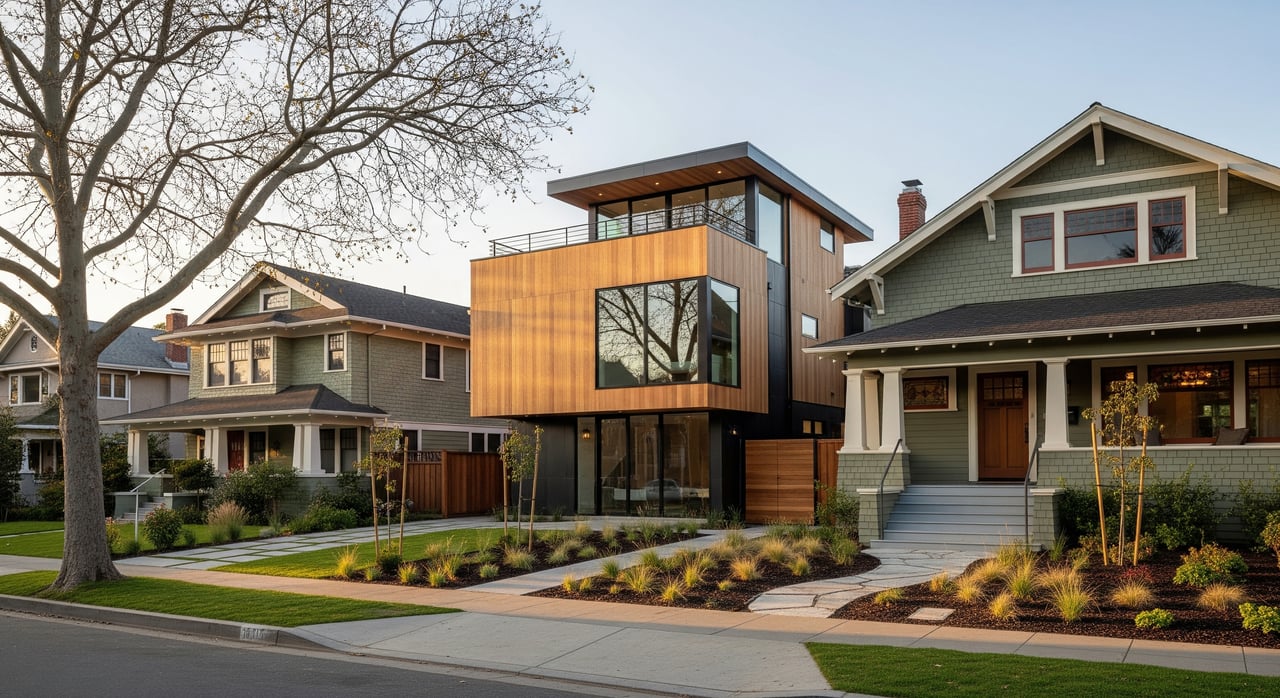
Single-family homes
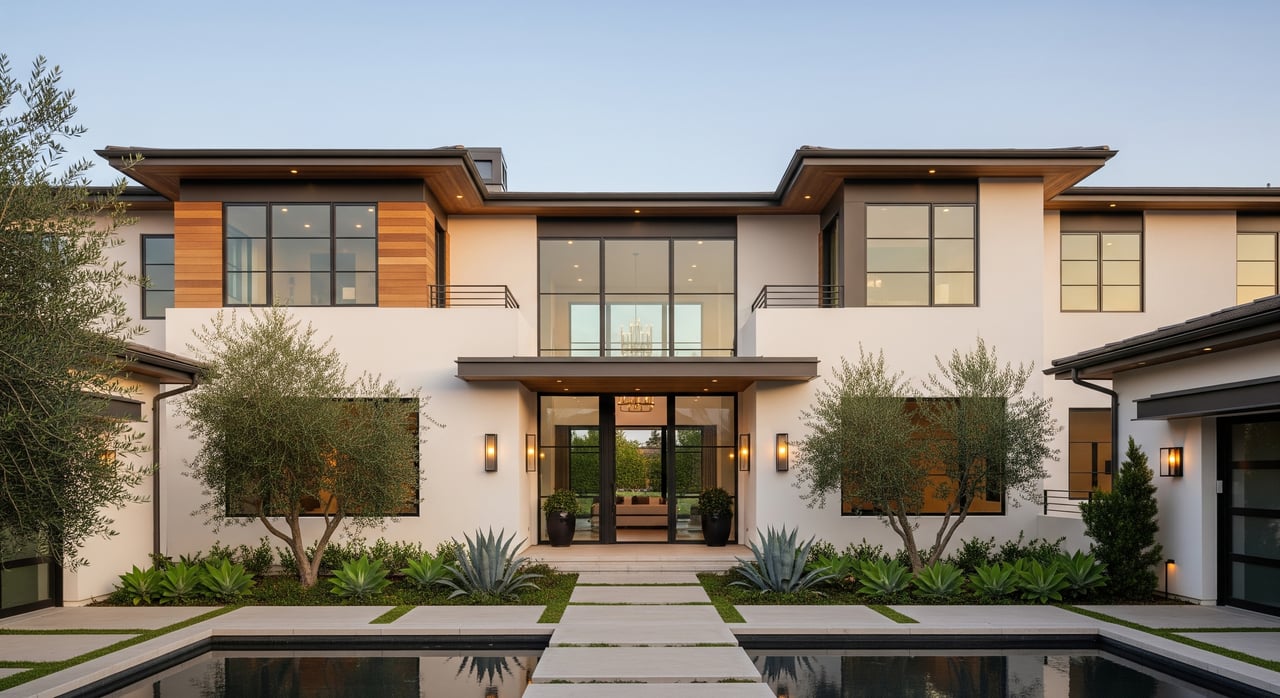
The city’s 2025 housing update places the median single-family home price around $1.68 million. Current listings range from about $799,000 for a smaller 2-bedroom home around 996 square feet to about $2.498 million for a 2,948-square-foot new build, with luxury properties priced higher.
For relocation planning, a practical working range is about $800,000 to $2.5 million or more. In many cases, detached homes offer roughly 1,000 to 3,000 or more square feet, depending on neighborhood, lot size, age, and level of updates.
Townhomes
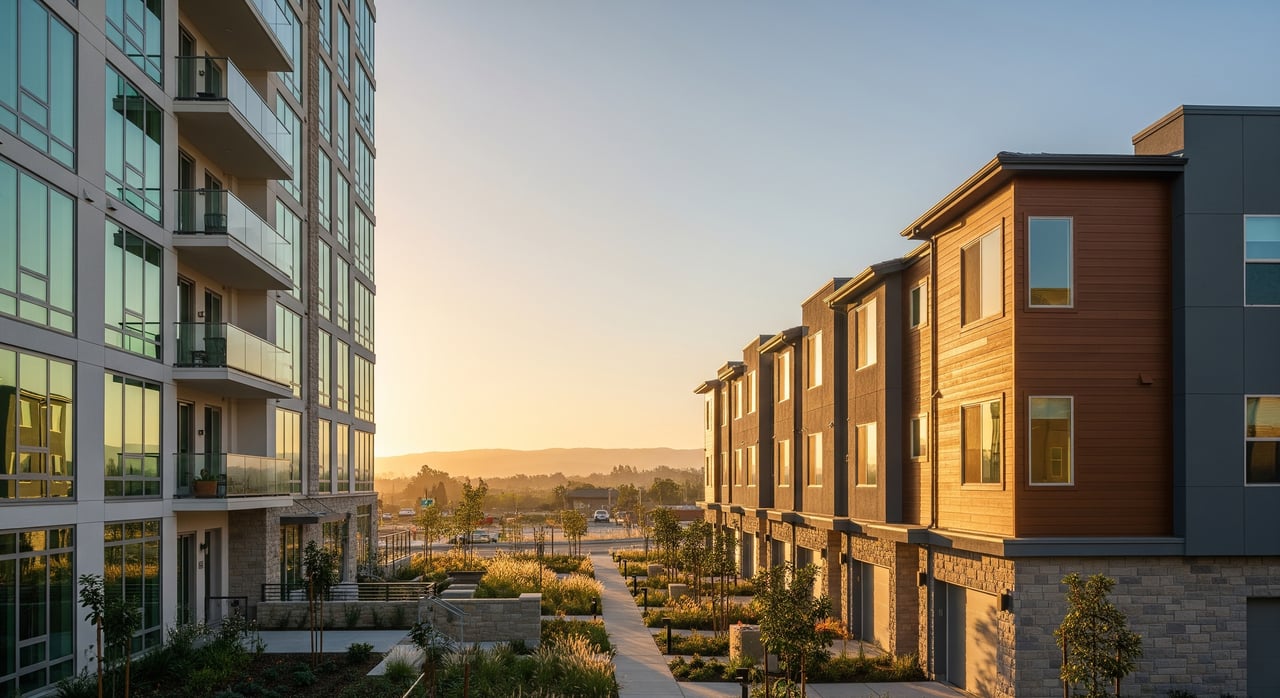
Townhomes can be a strong middle-ground option if you want more space than a condo but a lower entry point than many detached homes. The city’s 2025 housing update shows a townhome median around $830,000.
Current examples run from about $479,000 for 903 square feet to around $850,000 to $898,000 for homes in the 1,360 to 1,473 square foot range. A useful planning range is about $480,000 to $900,000 or more, with many options between 900 and 1,500 square feet.
Condos
Condos often offer one of the most accessible ways to enter the San Jose market. Current listings range from about $379,000 for a 474-square-foot one-bedroom unit to about $1.395 million for a 1,479-square-foot two-bedroom unit.
Many listings cluster between about $515,000 and $915,000. If you are relocating and want a lower-maintenance home near transit or denser urban areas, condos can be a practical place to start.
Compare San Jose by broad area
San Jose becomes easier to navigate when you group neighborhoods by price tier, housing style, and commute pattern. Here is a simple orientation to the main areas.
Downtown and Central San Jose
Downtown and Central San Jose are the most transit-connected parts of the city. Official city planning materials describe the downtown and central area as roughly triangular, bounded by US 101, I-880, and I-280, with high-density residential concentrated in the core and surrounding frame areas.
Current neighborhood medians place Downtown San Jose around $899,000 and Central San Jose around $905,000. If you want an urban setting, more attached housing, and easier access to rail connections, this part of the city deserves a close look.
VTA light rail runs every 10 minutes on weekdays downtown. Caltrain, ACE, and Amtrak all connect through Diridon, which makes this area especially useful if commute flexibility is a major priority.
North San Jose and Berryessa
North San Jose is defined by the city as the area north and west of I-880 and south of SR 237. Berryessa currently shows a neighborhood median around $1.299 million.
This area stands out for buyers who want access to major transfer points like Berryessa, Milpitas/BART, and Diridon on the wider transit map. For many relocation buyers, the north side can be especially appealing when newer attached housing and commute convenience are high on the list.
West Valley, Willow Glen, Cambrian-Pioneer, and Winchester
These are among the higher-priced established submarkets in current neighborhood data. Realtor snapshots put West Valley around $1.998 million, Willow Glen around $1.700 million, Cambrian-Pioneer around $1.799 million, and Winchester around $1.659 million.
If you are looking for established residential areas and are shopping at the upper end of the mainstream market, these neighborhoods may come up often in your search. Because pricing is stronger here, it is especially important to compare lot size, condition, layout, and renovation potential carefully.
South San Jose, Blossom Valley, Communications Hill, and Senter Monterey
South San Jose covers a wider range of price points. Current medians show South San Jose around $889,000, Communications Hill around $1.174 million, Senter Monterey around $919,500, and Blossom Valley around $1.498 million.
Communications Hill has a distinct identity in city planning materials as a dense, pedestrian-oriented residential neighborhood south of downtown between Highway 87 and Monterey Road. If you want a more planned, higher-density setting without being in the downtown core, this may be worth exploring.
East San Jose, Evergreen, and Almaden
This part of the city spans a broad range of price levels. Current medians put East San Jose around $999,000, Evergreen around $1.475 million, and Almaden Valley around $2.269 million.
That spread is useful for relocation buyers because it shows how much housing options can vary even within the eastern and southeastern parts of the city. Almaden sits in a clearly premium tier in the current data, while other areas offer lower entry points.
Match your search to your commute
For many buyers relocating to San Jose, commute pattern is the fastest way to narrow the map. A home that looks perfect on paper can feel less practical if daily travel becomes harder than expected.
Downtown remains the strongest hub for multi-line connections. Diridon links VTA, ACE, Amtrak, Caltrain, and Capitol Corridor service, while downtown light rail runs every 10 minutes on weekdays and every 15 minutes on weekends and holidays.
If commute convenience matters most, rail-adjacent areas and the Diridon, Tamien, and Downtown spine may deserve extra attention. Buyers who work in multiple Bay Area locations often benefit from filtering neighborhoods through station access early in the process.
Use city tools before you fall in love
One of the most useful parts of relocating to San Jose is that the city provides detailed address-level planning tools. You can check neighborhood and business associations, zoning, General Plan land-use designations, permit activity, and code violations.
That can be especially valuable when you are comparing older homes, homes with additions, or properties where future remodel potential matters. It can also help you understand whether two similar-looking homes have very different planning contexts.
For buyers who care about layout, renovation, or long-term value, this step is not just technical. It can shape what you buy, how much work may be ahead, and whether a property fits your goals beyond move-in day.
A practical remote relocation workflow
If you are moving from outside the area, you may not be able to visit every property in person. The good news is that many current San Jose listings already advertise tour available or virtual tour available options.
A strong remote-buying process usually looks like this:
- Narrow the city into a few commute-compatible submarkets.
- Compare housing types and price ranges within those areas.
- Request live video tours or recorded walkthroughs.
- Review the disclosure package before offer deadlines.
- Use city mapping tools to check zoning, permit history, and related property details.
- Verify escrow and wiring instructions by phone using trusted numbers before sending funds.
California’s Uniform Electronic Transactions Act supports the use of electronic records and signatures, so digital signing is a normal part of many transactions. The California Department of Real Estate also advises buyers to verify an agent’s license, review the seller’s Real Property Disclosure Statement, Agency Relationship Disclosure, financing disclosures, and any required public report.
The DRE also warns that criminals target wire and electronic funds transfers. If you are buying remotely, treat wire verification as a non-negotiable safety step every time.
How to narrow your San Jose shortlist
If San Jose still feels broad, that is normal. A good relocation plan usually starts with a few simple filters instead of trying to master every neighborhood at once.
Ask yourself:
- Do you want a condo, townhome, or detached home?
- What monthly payment range feels comfortable?
- How important is rail access or station proximity?
- Do you prefer a denser, more urban setting or a more detached residential feel?
- Are you open to remodeling, or do you want move-in ready condition?
Once those answers are clear, the map gets much easier. In many cases, you can quickly separate transit-rich core and north-side options from more detached and often higher-priced neighborhoods in the west, south, and foothill areas.
A relocation move is not just about finding a house. It is about choosing the right fit for how you will live, commute, and grow into the home over time.
If you are planning a move to San Jose and want a thoughtful, design-aware approach to neighborhood and housing strategy, the Nivi Das Team can help you compare options, evaluate layout and value, and build a smoother relocation plan.
FAQs
What does the San Jose housing market look like for relocation buyers?
- San Jose is competitive, with current snapshots showing a median sale price around $1.488 million, about three offers per home, and fast market times, though listing-based snapshots can show lower median prices because they measure different data.
Which San Jose areas are more transit-friendly for commuters?
- Downtown and nearby areas stand out for transit access because Diridon connects VTA, Caltrain, ACE, Amtrak, and Capitol Corridor service, and downtown light rail runs frequently.
What home prices should you expect in San Jose?
- Current ranges suggest condos from about $380,000 to $1.4 million, townhomes from about $480,000 to $900,000 or more, and many single-family homes from about $800,000 to $2.5 million or more.
Which San Jose neighborhoods have higher current median prices?
- Current neighborhood snapshots show higher median prices in areas such as Almaden Valley, West Valley, Cambrian-Pioneer, and Willow Glen.
How can remote buyers evaluate homes in San Jose?
- A practical remote workflow includes narrowing by commute, using live or virtual tours, reviewing disclosures early, checking city zoning and permit tools by address, and confirming wiring instructions through trusted phone contacts.
What city tools can help you research a San Jose property?
- The City of San Jose provides address-level maps and planning resources for zoning, General Plan land use, permits, code violations, and neighborhood or business associations, which can help you compare properties more carefully.