
If your Dublin townhome feels tighter than you want, you are not alone. Multi-level living can be efficient and comfortable, but it can also feel chopped up when color, lighting, furniture, and storage are working against you. The good news is that you do not need a major remodel to make a meaningful difference. With a few smart design moves, you can make your home feel brighter, calmer, and more open. Let’s dive in.
Why This Matters in Dublin
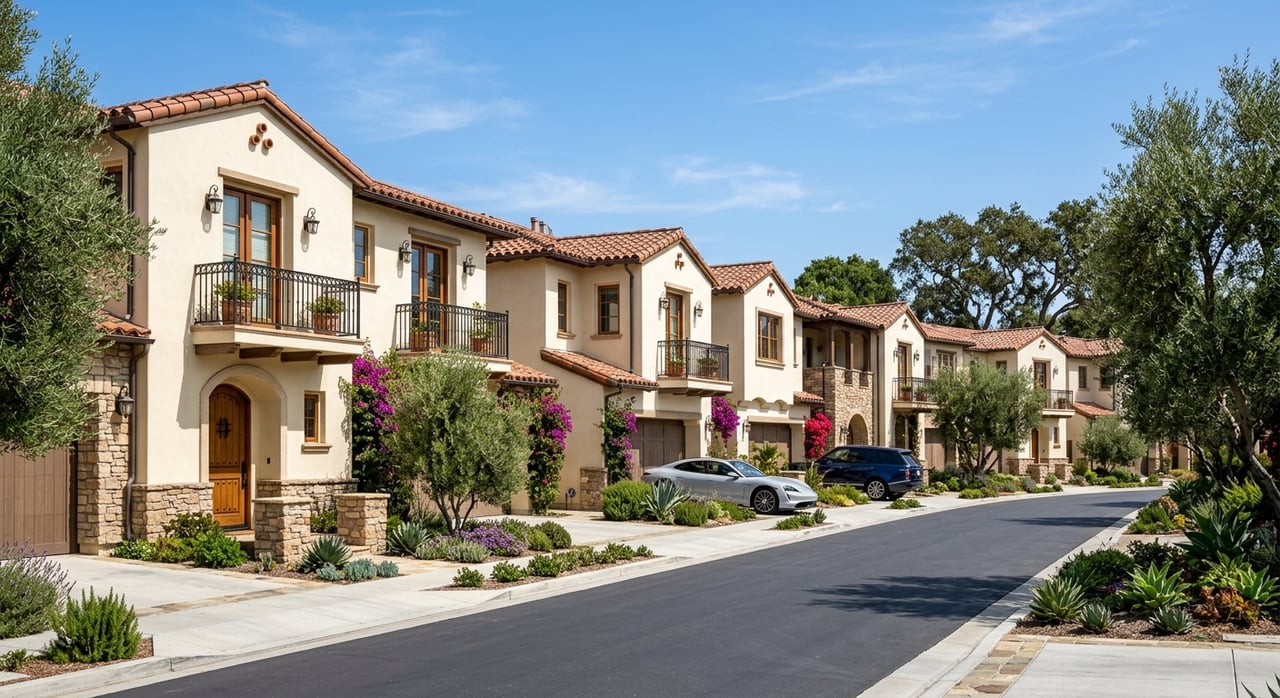
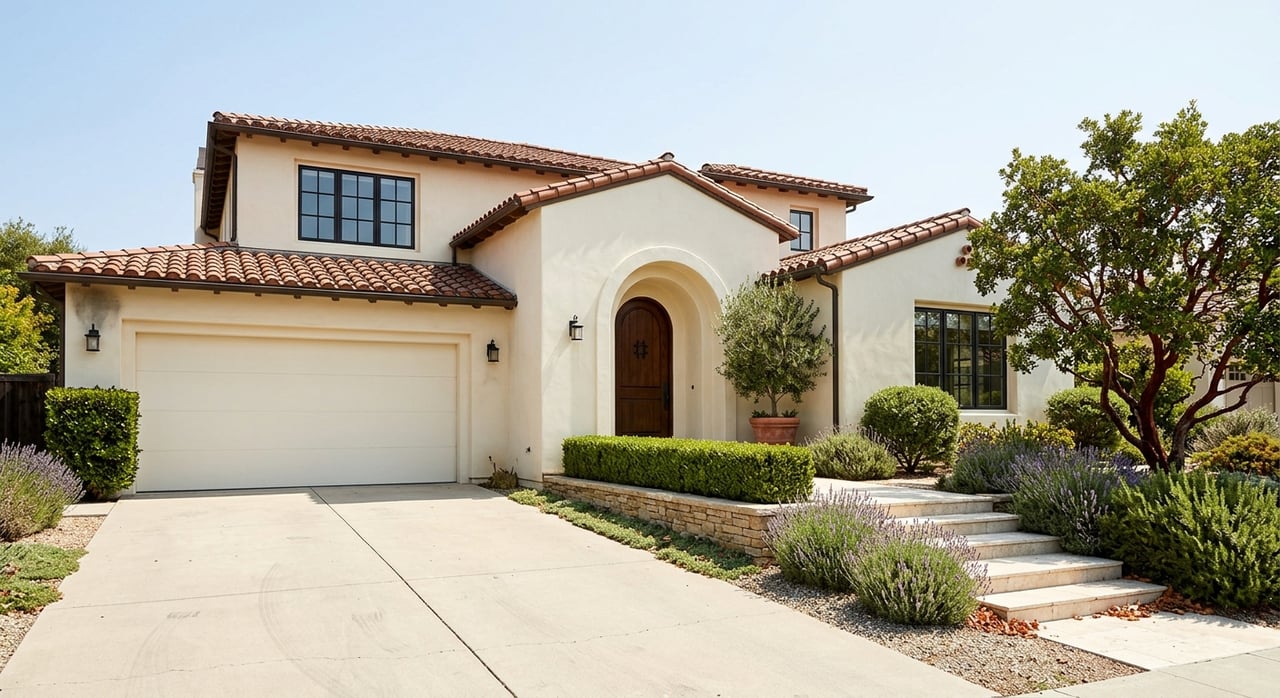
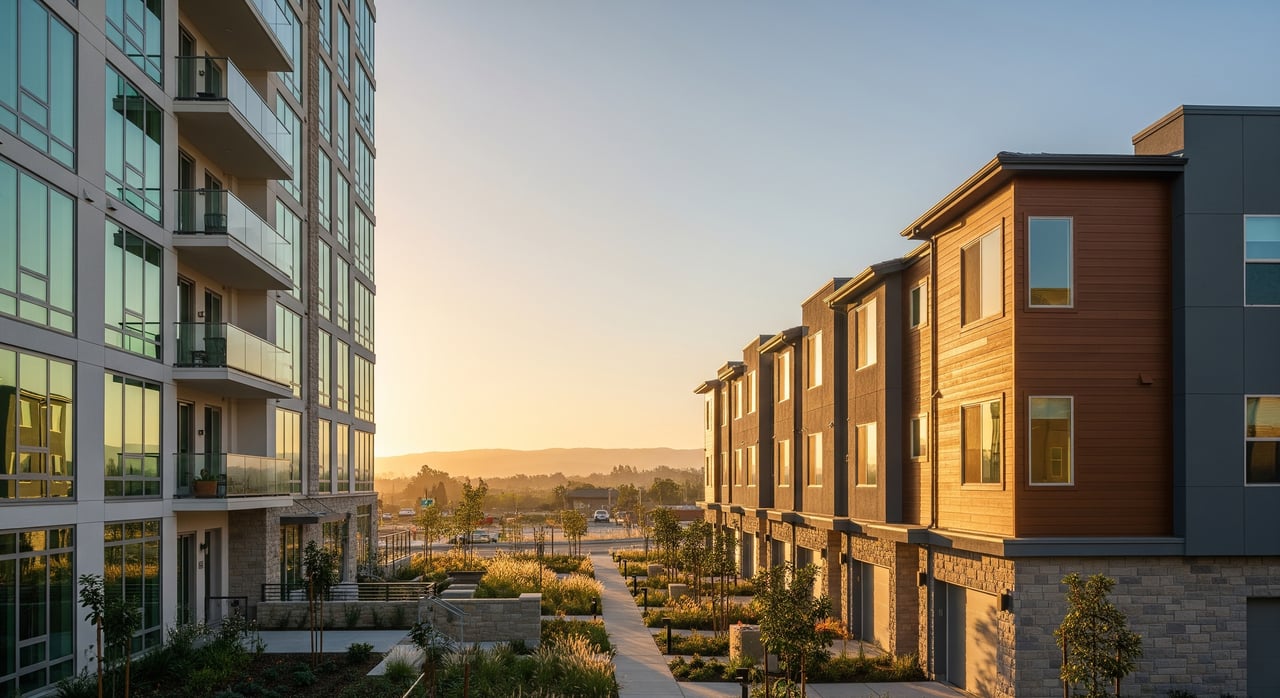
Dublin continues to grow, and attached homes remain part of the local housing mix. The city highlights ongoing homeownership opportunities that include townhomes and duets, which makes smart space planning especially relevant for local owners and buyers in newer communities. You can see that local context in the City of Dublin’s community and economic profile and its homeownership opportunities overview.
In a townhome, square footage is only part of the story. How a space feels often comes down to sightlines, light, circulation, and how much visual clutter competes for your attention. That is why small design adjustments can have such a big impact.
Start With Light Colors
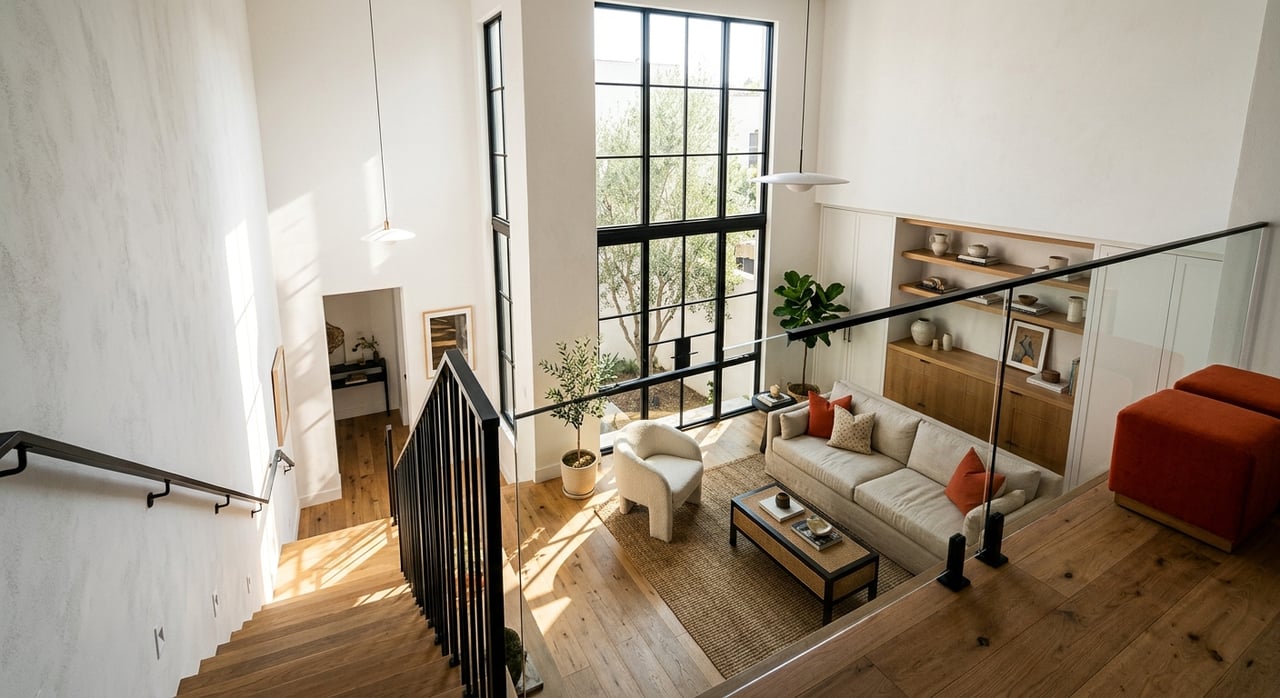
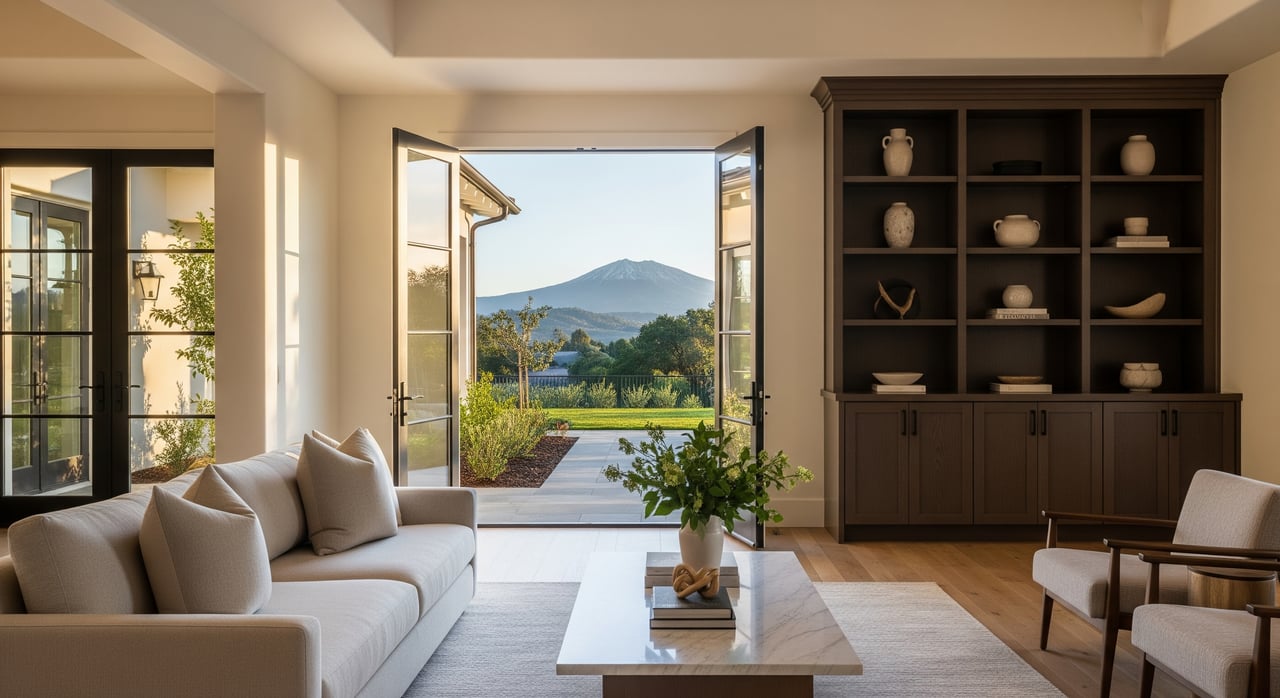
One of the simplest ways to make a townhome feel bigger is to lighten the surfaces that frame the room. Research on interior perception found that light ceilings and light walls can make a room appear higher, while floor color tends to matter less. NAR guidance also supports lighter ceilings and neutral, cohesive palettes for a more open feel.
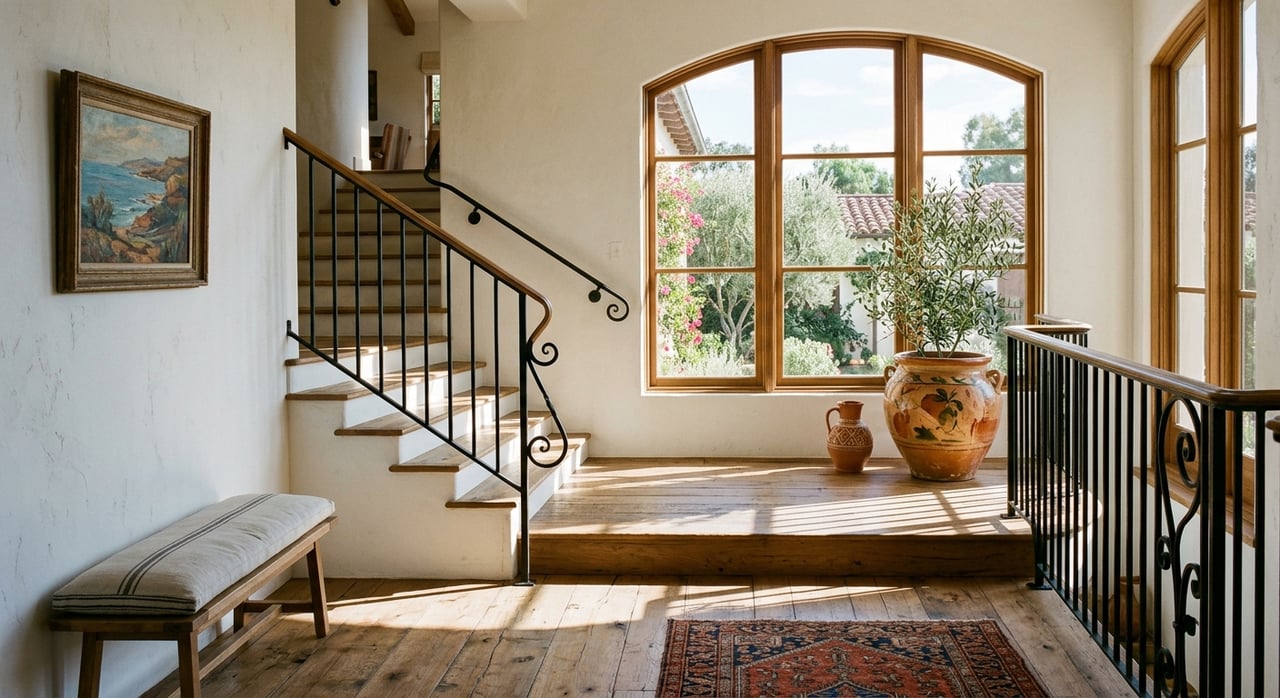
For many Dublin townhomes, the best approach is not “all white everywhere.” Instead, think soft neutrals and gentle consistency. When you repeat a restrained palette from the entry to the stairwell to the main living area, the home feels more continuous and less broken into separate zones.
Keep Ceilings and Trim Consistent
A lighter ceiling can visually lift the room. Using the same trim color across multiple rooms can also create a subtle thread that ties levels together, which is especially helpful in multi-story homes.
This is one of those changes that feels quiet but works hard in the background. It helps your eye move more smoothly through the home instead of stopping at every transition.
Layer Your Lighting
Lighting does more than brighten a room. It shapes mood, depth, and how large a space feels. According to federal lighting guidance from GSA, the strongest approach is layered lighting, with daylight as ambient light plus added task and accent lighting where needed.
In a townhome, this matters because natural light may vary from floor to floor. One level may feel bright and airy, while another feels dim by late afternoon. A layered plan helps create a more balanced feel throughout the home.
Focus on High-Use Areas
The Department of Energy guidance cited in the research supports LED fixtures in frequently used locations such as kitchens, living rooms, bathrooms, and hallways. Those are also the spaces where poor lighting tends to make a home feel smaller.
If you want the quickest win, start here:
- Brighten hallways and stair landings
- Add better ceiling or wall-mounted lighting in the living room
- Improve task lighting in the kitchen
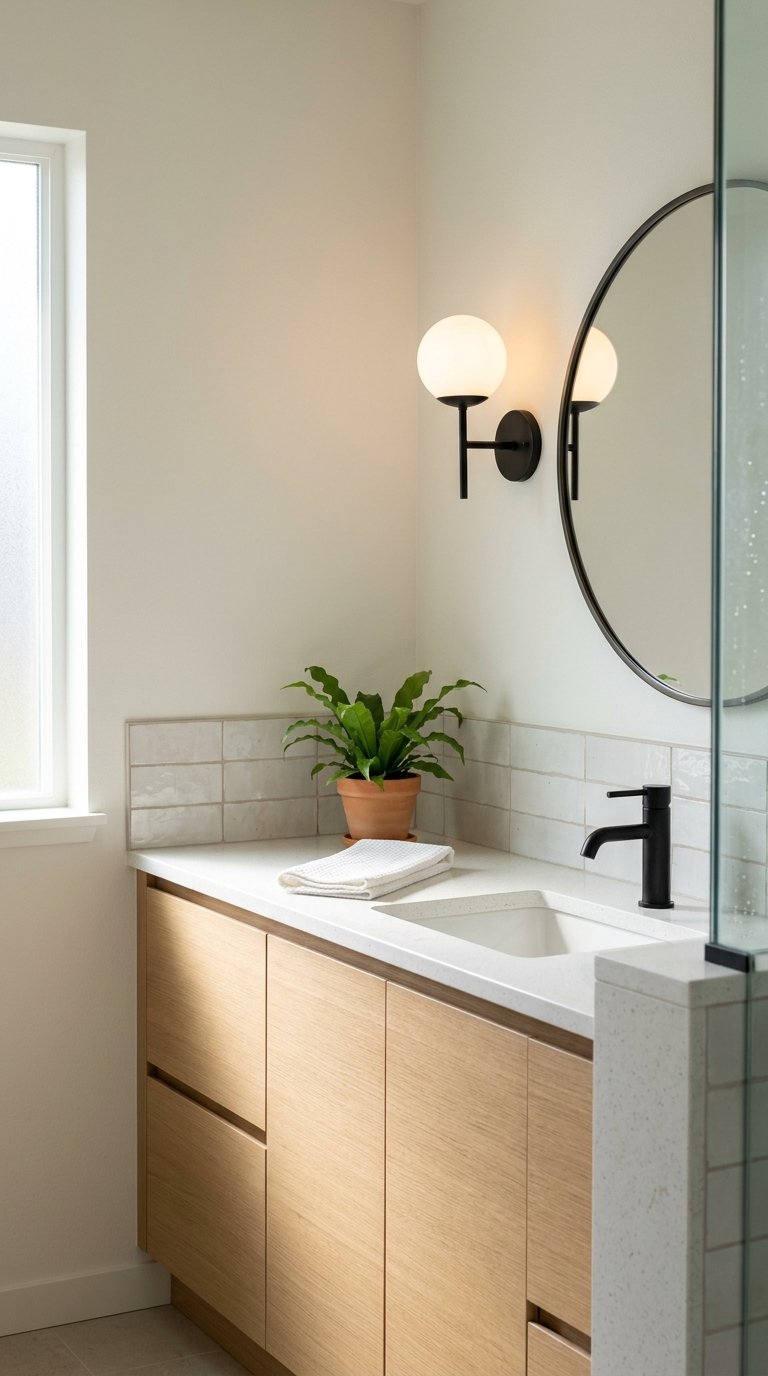
- Make bathrooms feel cleaner and brighter with updated LED lighting
Let Daylight Travel
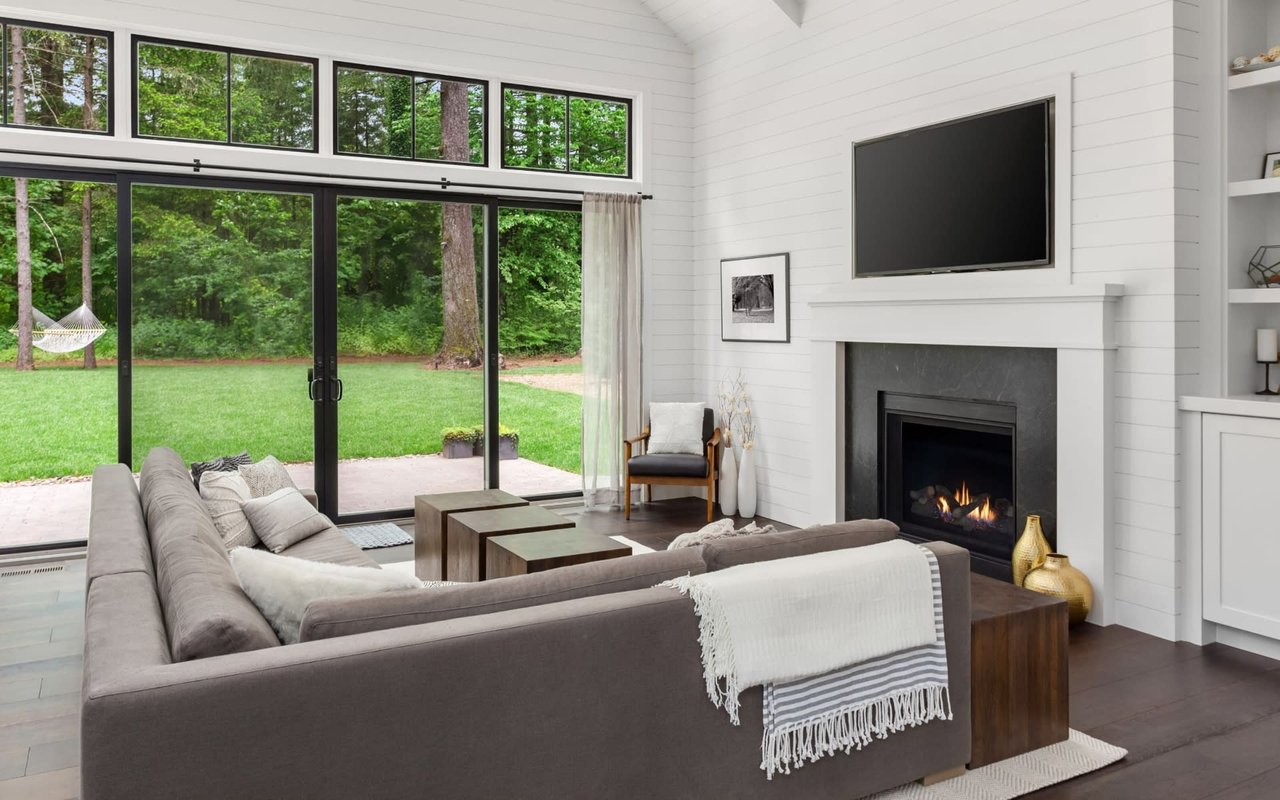
Window treatments, furniture placement, and finishes all affect daylighting. If your sofa, tall shelving, or heavy drapery blocks the path of natural light, the room can instantly feel tighter.
Try to keep windows visually open and avoid placing bulky pieces right where daylight enters. Even small adjustments can help reflect more light deeper into the room.
Use Mirrors and Visual Lightness
A room does not just need to be tidy. It needs to look light. Older but still useful NAR staging guidance notes that mirrors can reflect light and create an illusion of depth, while see-through materials and neutral fabrics reduce visual heaviness.
That principle works especially well in townhomes where one main living area may have to do several jobs at once. When fewer items feel visually heavy, the room reads as larger.
Choose Pieces That Disappear
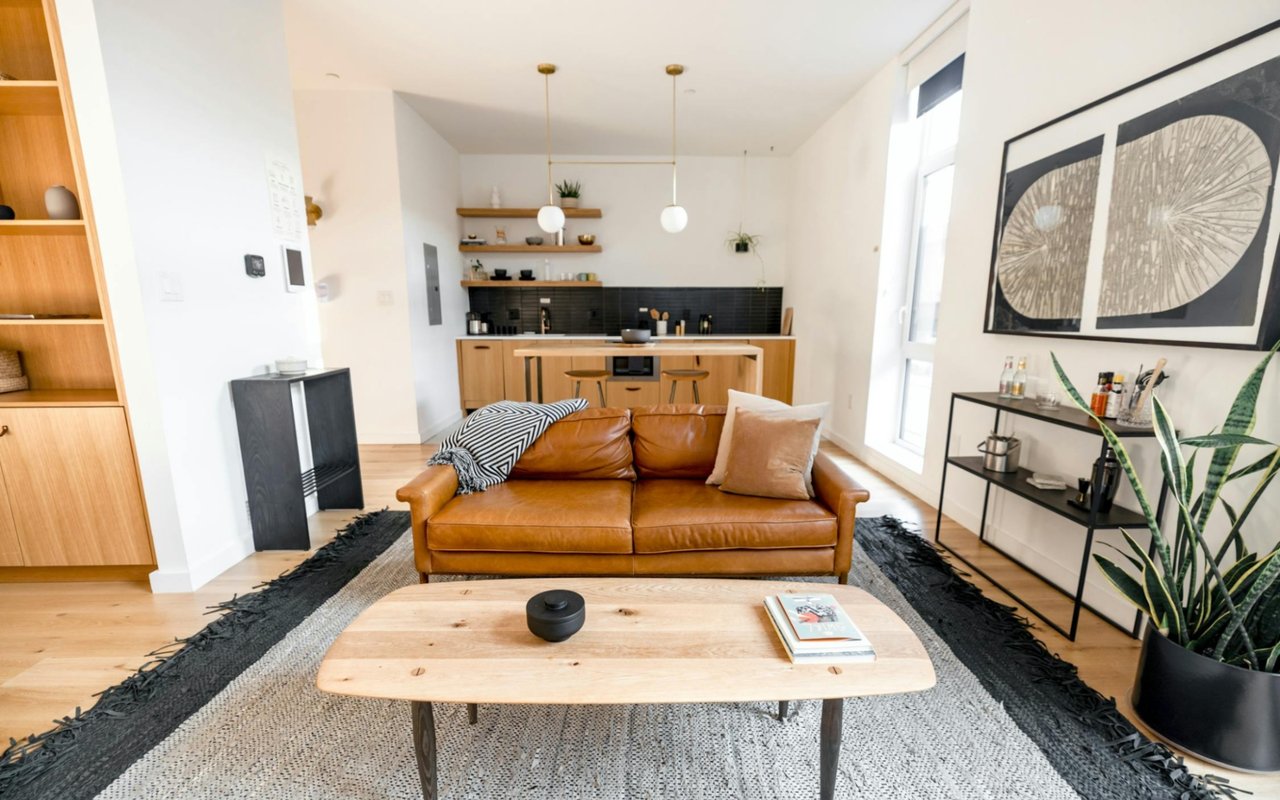
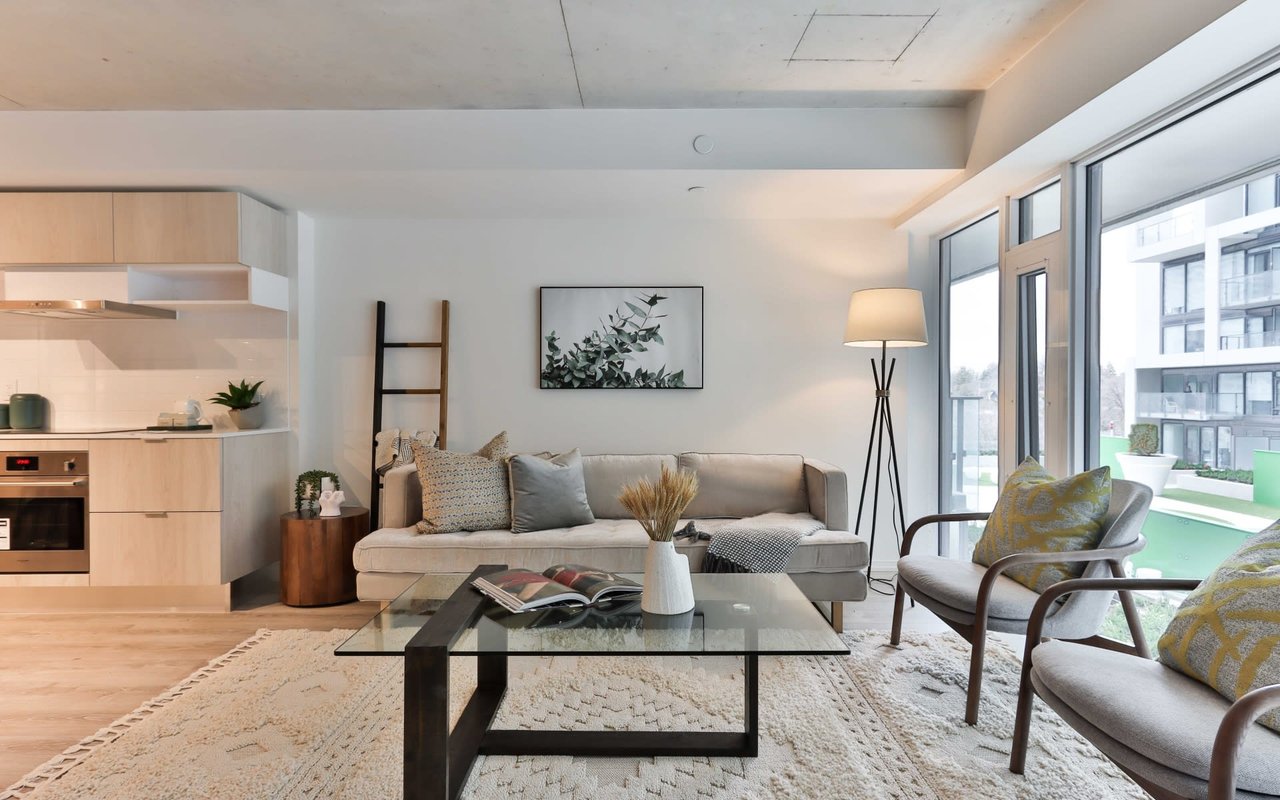
You do not need all your furniture to be tiny. You do want it to feel visually lighter. Good options include:
- Glass or see-through accent tables
- Armless chairs instead of bulky oversized seating
- Neutral upholstery that blends with the room
- Open-base furniture that shows more floor beneath it
These choices help preserve visible floor area, and visible floor area makes a room feel bigger.
Scale Furniture to the Room
This is one of the biggest mistakes in smaller homes. Oversized furniture can make a room feel cramped, even when the room is technically large enough to fit it. NAR’s small-room guidance is clear that furniture should match the room size and that too much furniture reduces openness.
In a Dublin townhome, the main living level usually does the most work. It may combine living, dining, kitchen, and circulation in one compact footprint. That means every piece needs to earn its place.
Keep Walkways Open
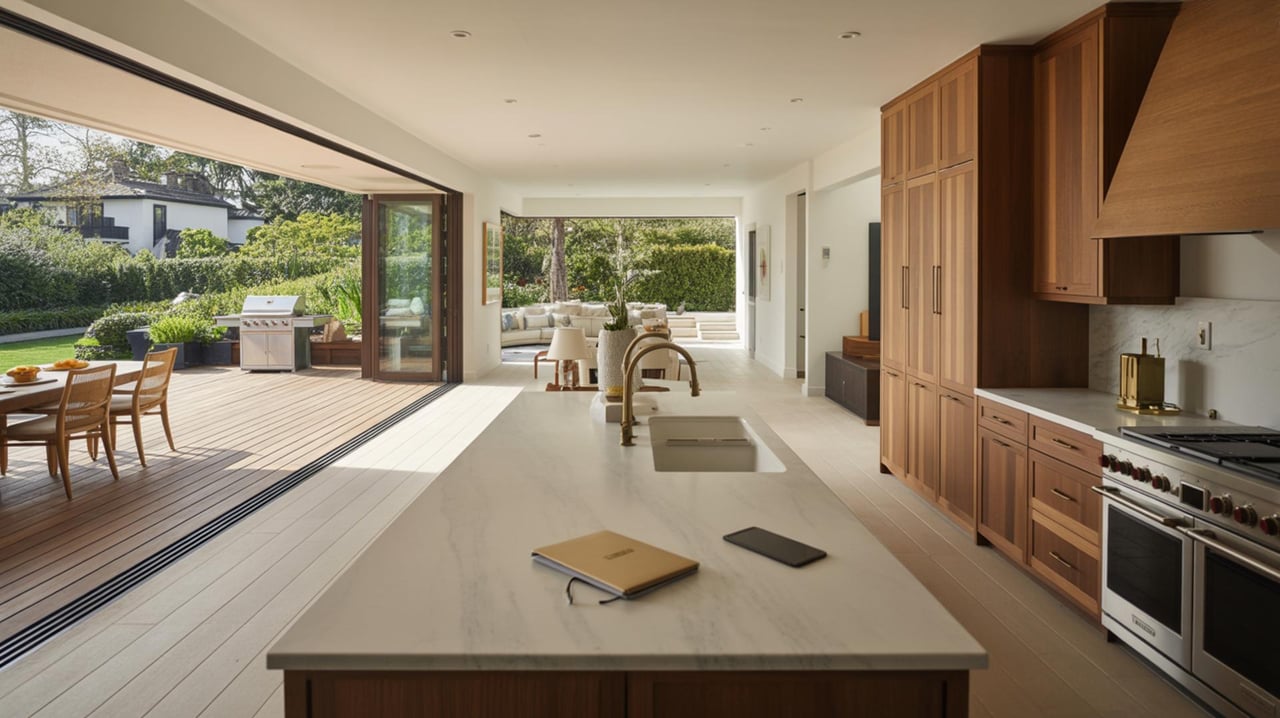
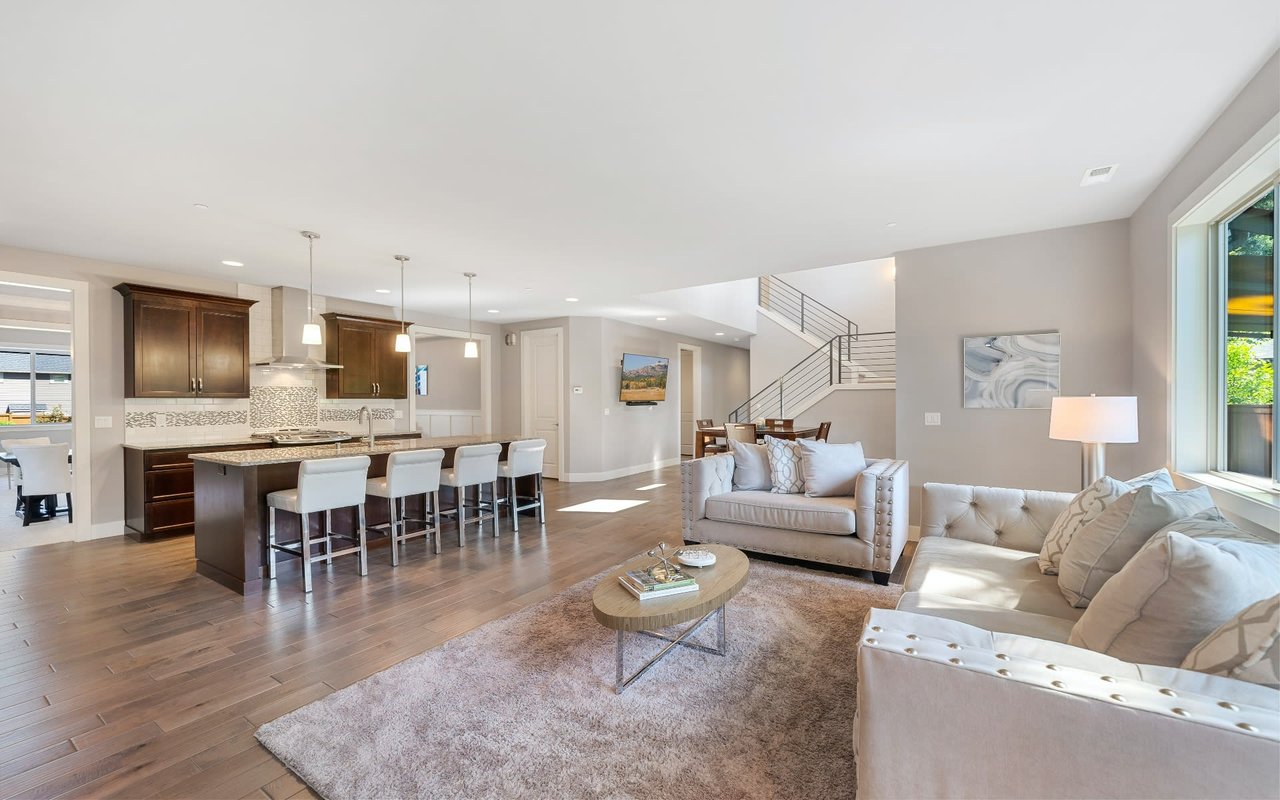
Open circulation makes a home feel larger because your eye and your body can move through the space without interruption. When furniture crowds the path from the entry to the kitchen or from the stairs to the living room, the whole level feels tighter.
Helpful swaps include:
- Tucked-under stools instead of extra side chairs
- Narrow console tables instead of deep storage pieces
- One properly scaled sofa instead of multiple bulky seating pieces
- Wall-mounted or ceiling lighting instead of floor lamps that occupy floor space
Protect Your Sightlines
In a townhome, what you see first matters. The most effective small-space layouts keep the eye moving through the room instead of stopping at bulky furniture, cluttered corners, or too many visual breaks.
That is why the first view from the front door, stair landing, or kitchen matters so much. If those sightlines are clear, the home feels more spacious right away.
Remove What Interrupts the View
You do not need to strip the room bare. You just want to remove whatever blocks the natural flow of the space.
Ask yourself:
- Is there furniture jutting into a walkway?
- Does a tall piece stop the view across the room?
- Are tabletops crowded with small items?
- Is the stair area visually busy?
If the answer is yes, simplify first before buying anything new. Often the room already has enough, and the real fix is editing.
Prioritize the Rooms That Matter Most
If you are deciding where to spend your time or budget, focus on the spaces people notice first. In NAR’s 2025 Profile of Home Staging, the living room ranked as the most important room to stage, followed by the primary bedroom and the kitchen.
That gives you a practical roadmap for a Dublin townhome. Start with the main living level, then move to the primary suite, then refine the kitchen.
Main Living Area
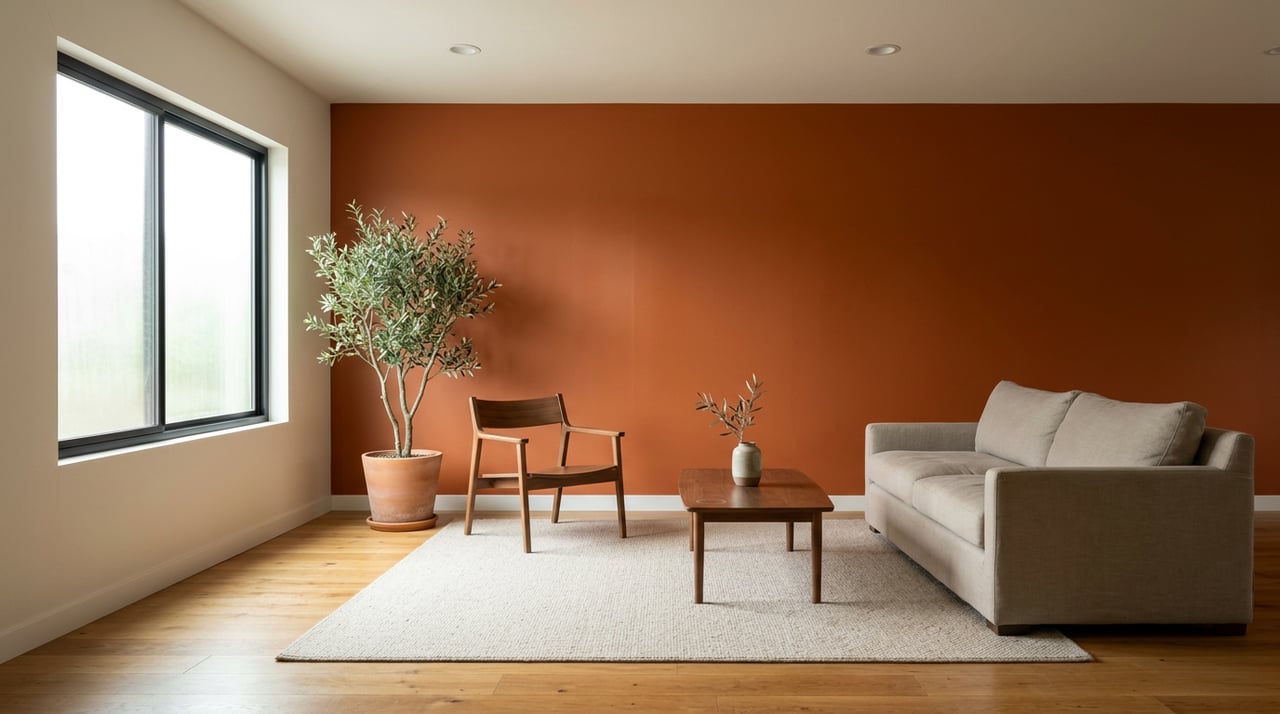
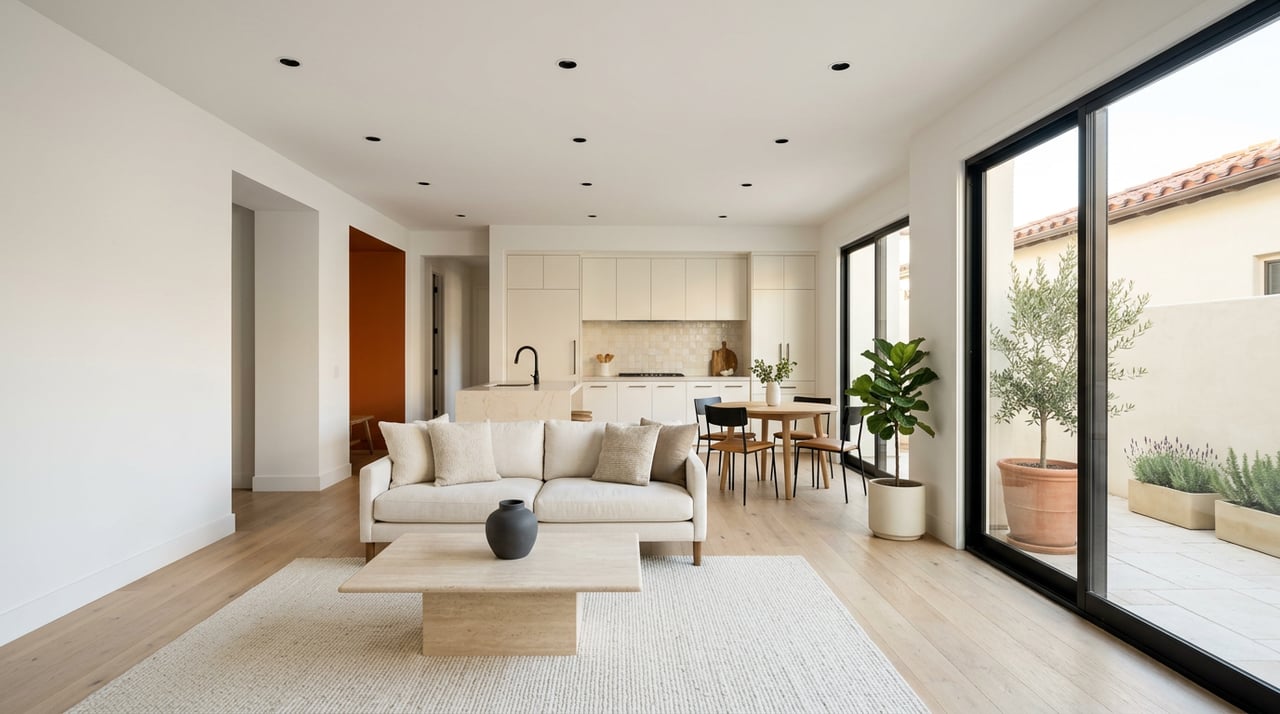
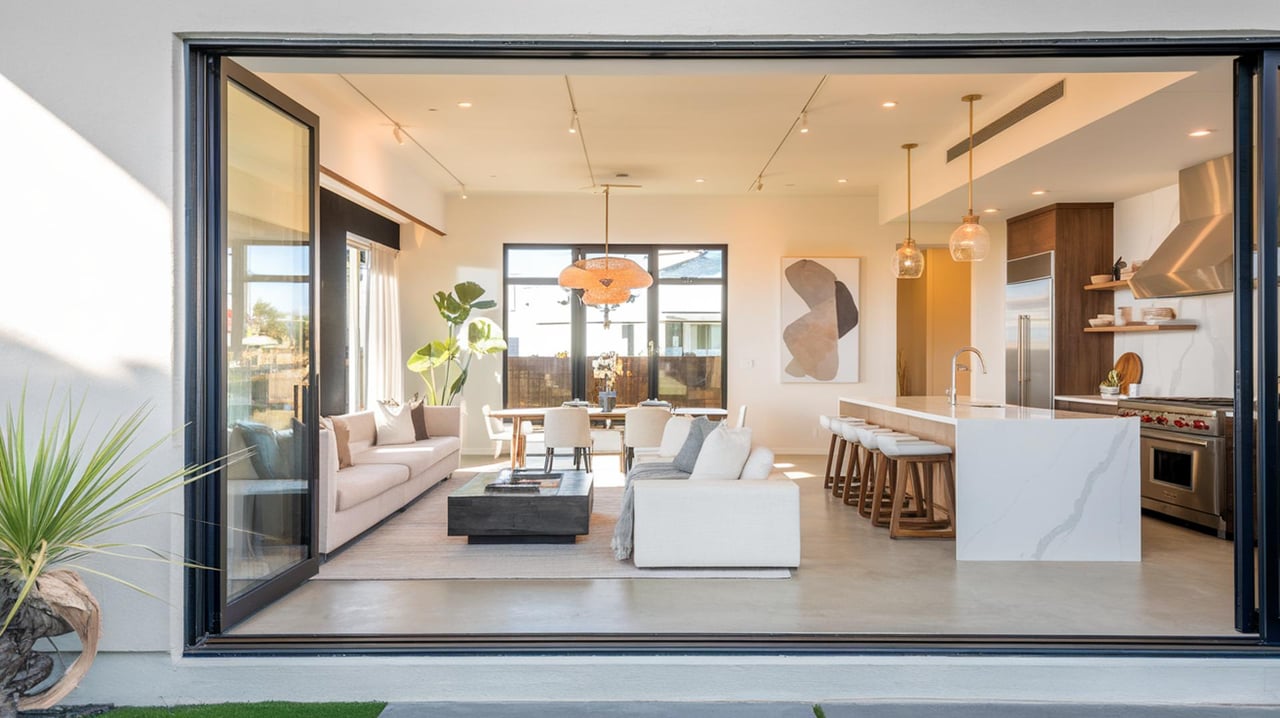
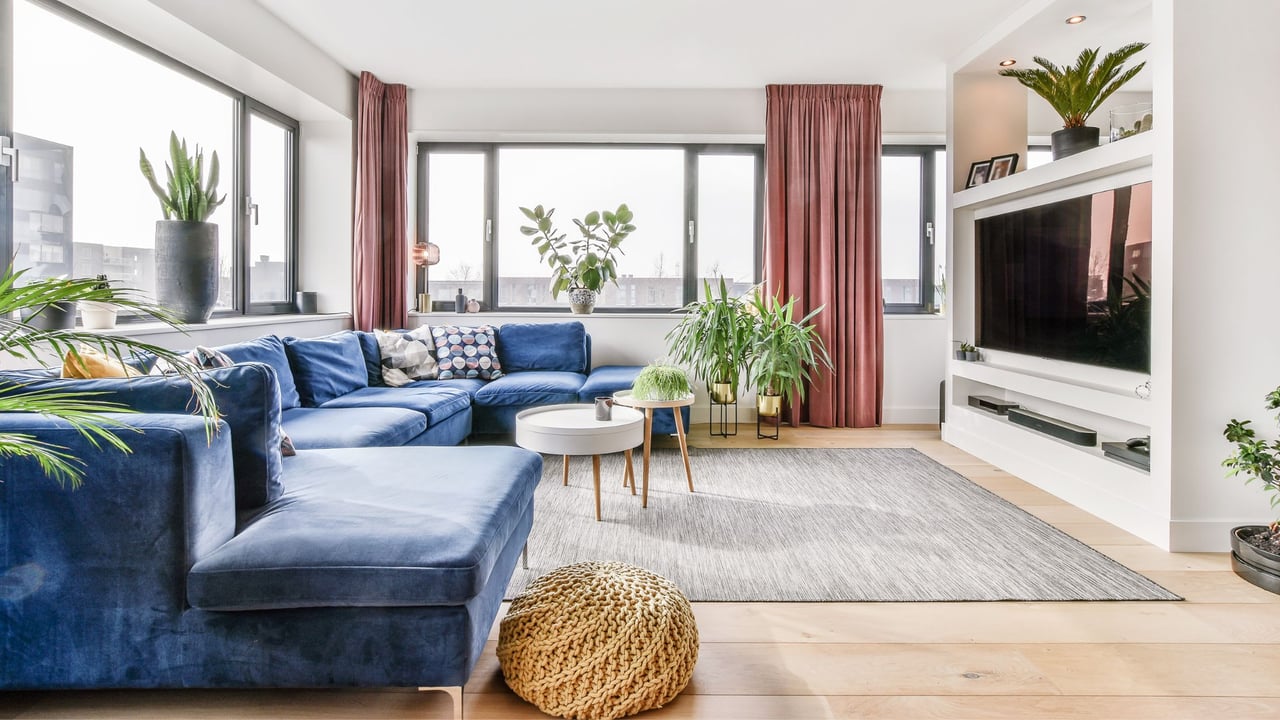
This is where openness matters most. Use a lighter palette, clearer walkways, and fewer but better-scaled pieces. If the room feels calm and easy to navigate, the whole home benefits.
Primary Bedroom
Bedrooms feel larger when there is breathing room around the bed. Remove extra accent furniture, keep nightstands proportional, and limit visible clutter. A quieter room often feels more generous, even when the dimensions stay the same.
Kitchen
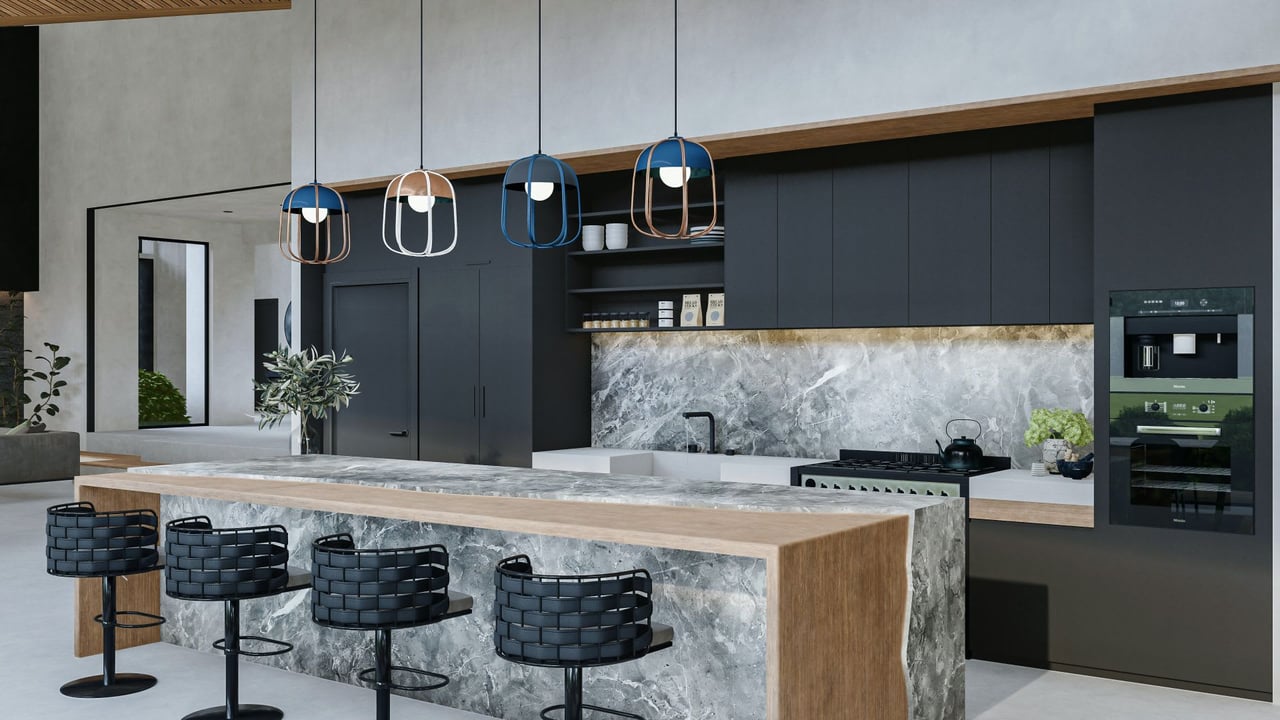
In compact kitchens, surface clutter quickly shrinks the room. Clear counters, consistent lighting, and simple finishes help the space feel more functional and open.
Make Storage Do More Work
Storage is not just about organization. It is about perception. NAR reports that decluttering and cleaning remain among the most common preparation steps recommended by sellers’ agents, and that staging helps buyers better envision a home.
Even if you are not selling today, the same principle applies to daily life. When surfaces are packed and closets are overflowing, your home feels smaller than it is.
Look for Hidden Storage
The best storage solutions in a townhome are the ones that reduce visible clutter without adding heaviness. Consider:
- Storage ottomans that double as seating
- Extra shelving where it fits cleanly
- Closet editing and boxing up off-season items
- Baskets or bins that keep open shelving tidy
The goal is simple: show more usable floor area and less visual noise.
Quick Wins That Cost Less
If you want the fastest results without remodeling, the research points to a short list of proven improvements. These changes can make a Dublin townhome feel more open without changing the footprint.
Here are the best low-cost moves:
- Declutter surfaces, shelves, and closets
- Clean thoroughly to make the home feel brighter
- Use lighter, more consistent paint colors
- Remove oversized or unnecessary furniture
- Improve lighting in living areas, hallways, and baths
- Add a mirror where it can reflect light or extend a view
These are not flashy changes, but they are often the most effective.
Bigger Feel, Better Resale
A well-edited townhome is not just easier to live in. It is also easier to present when the time comes to sell. NAR reports that 83% of buyers’ agents say staging makes it easier for buyers to envision a property as their future home.
That is why these design moves have long-term value. You get a more comfortable home now, and you are also making choices that support a stronger first impression later.
If you are thinking about how to make your Dublin townhome feel larger, more polished, or better positioned for future resale, a design-informed strategy can go a long way. The Nivi Das Team brings a thoughtful real estate perspective shaped by architecture, layout, and presentation, so you can make smart decisions that fit how you live today and how you may sell tomorrow.
FAQs
What design changes make a Dublin townhome feel bigger fastest?
- The fastest changes are decluttering, improving lighting, using lighter and more consistent paint colors, and removing oversized furniture.
Does staging help a Dublin townhome even if I am not selling yet?
- Yes. Staging principles improve how a home looks and functions day to day, and NAR reports that staging also helps buyers picture a home more easily when you do decide to sell.
Which rooms should I update first in a Dublin townhome?
- Start with the living room, then the primary bedroom, then the kitchen, since those are the rooms buyers tend to notice most.
How can lighting make a Dublin townhome feel more open?
- Layered lighting with daylight, task lighting, and accent lighting helps reduce dark corners, brighten circulation areas, and create a more spacious feel.
What furniture works best in a smaller Dublin townhome?
- Choose pieces scaled to the room, with lighter visual weight, open bases, tucked seating, and clear walkways that preserve visible floor space.