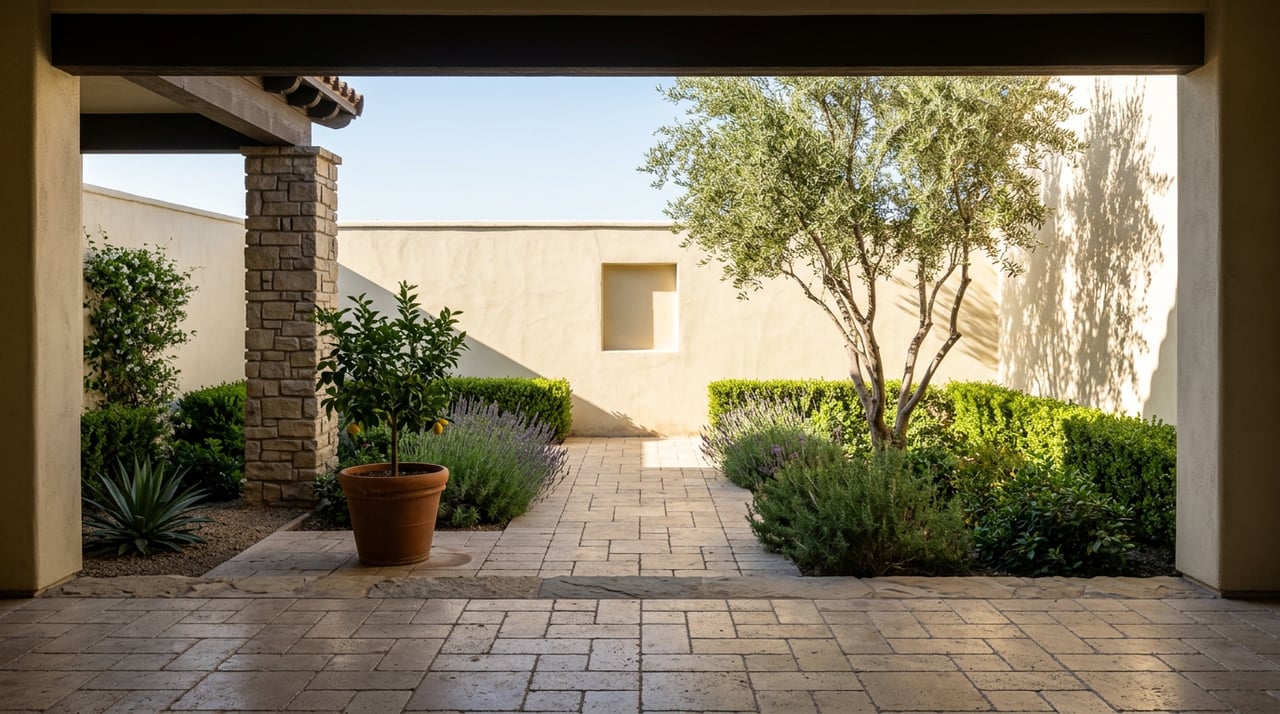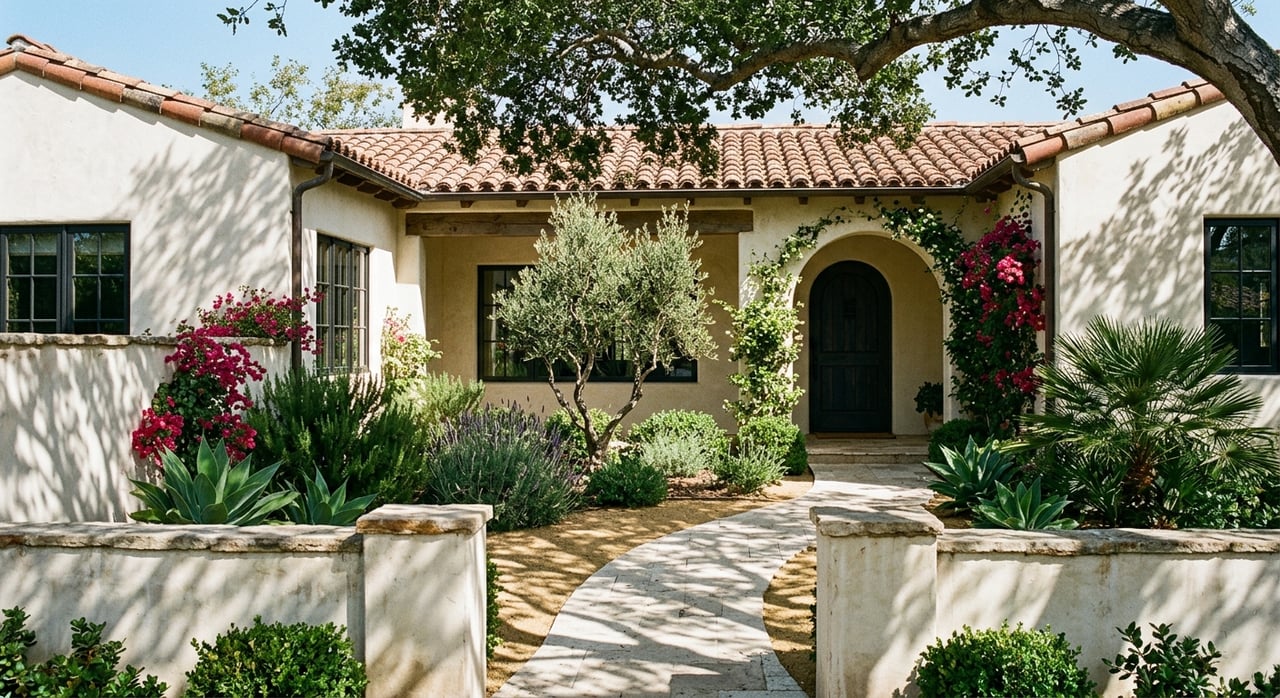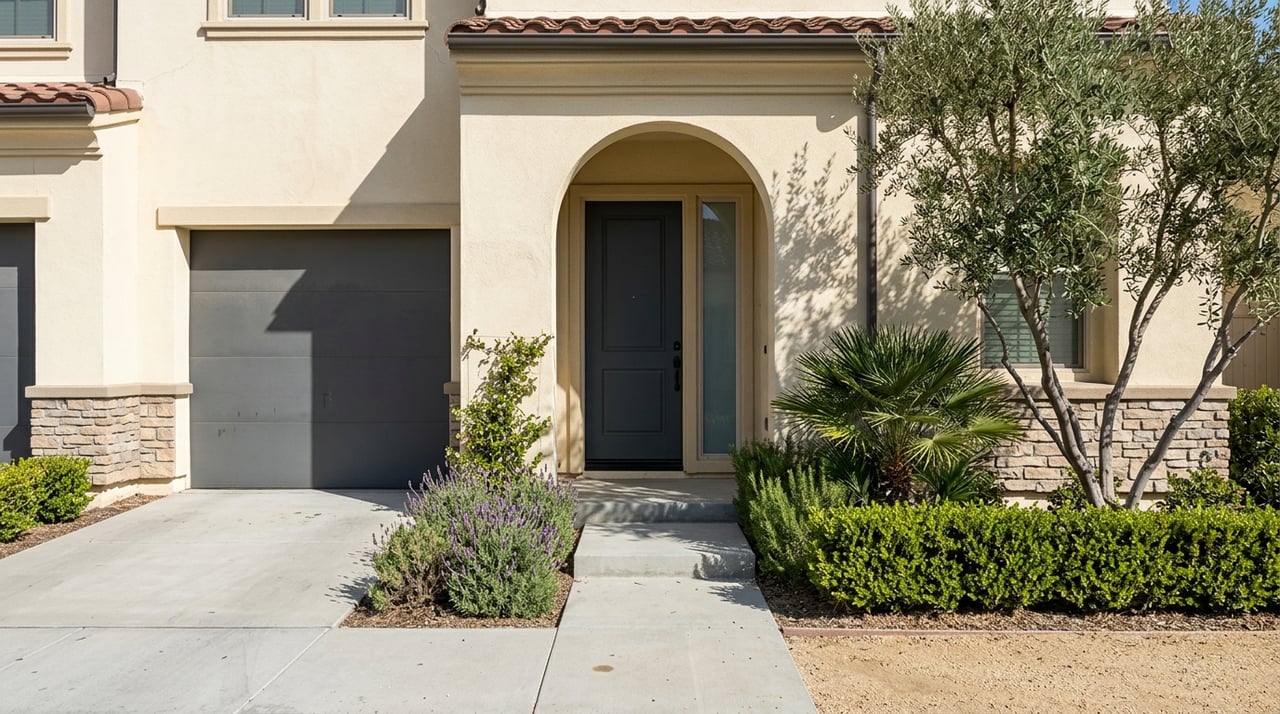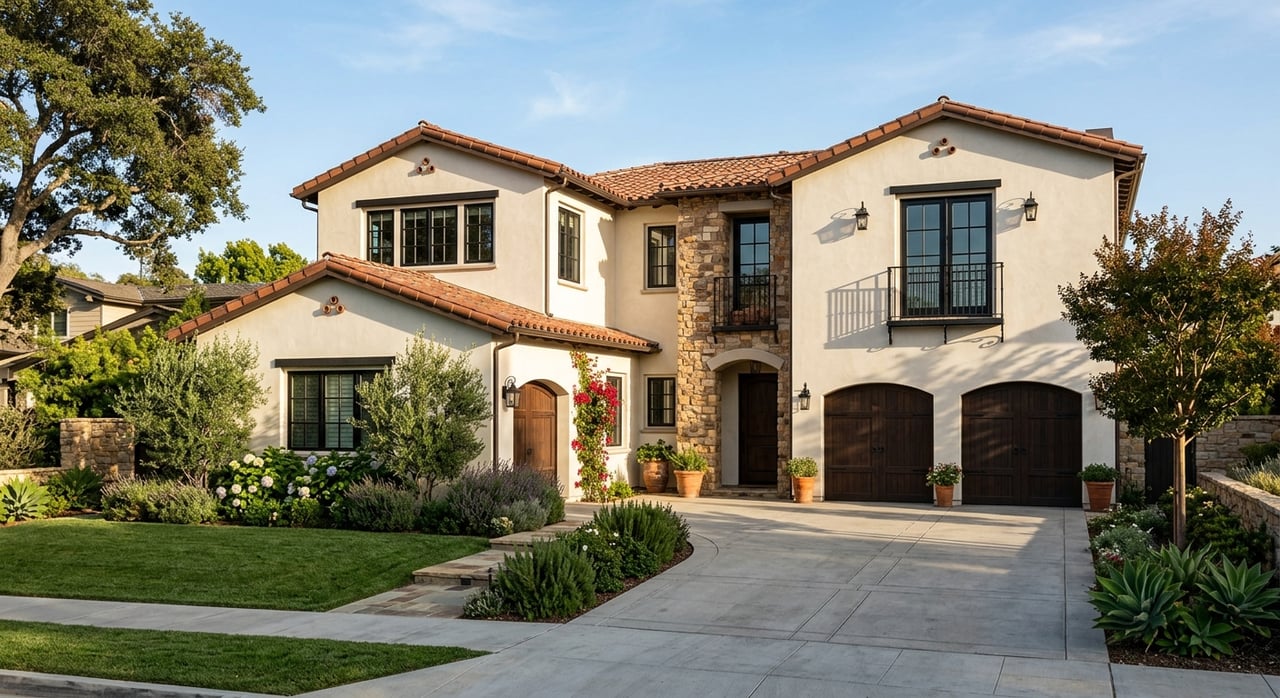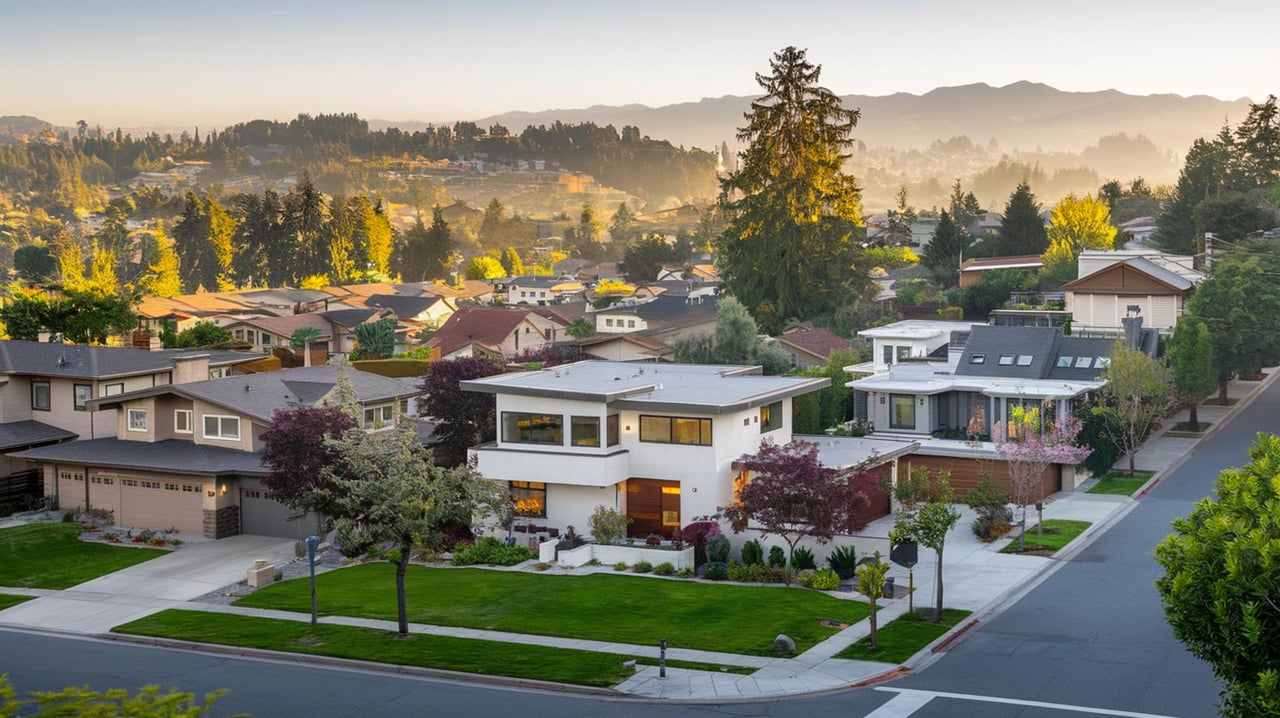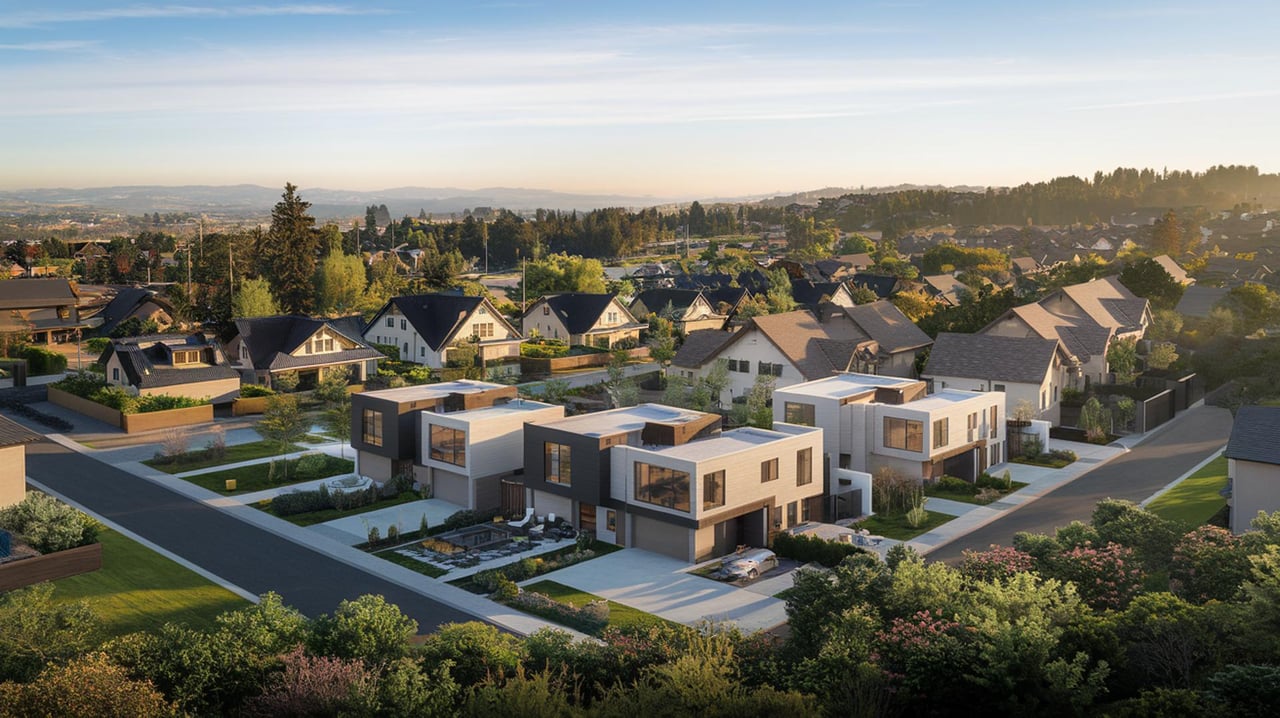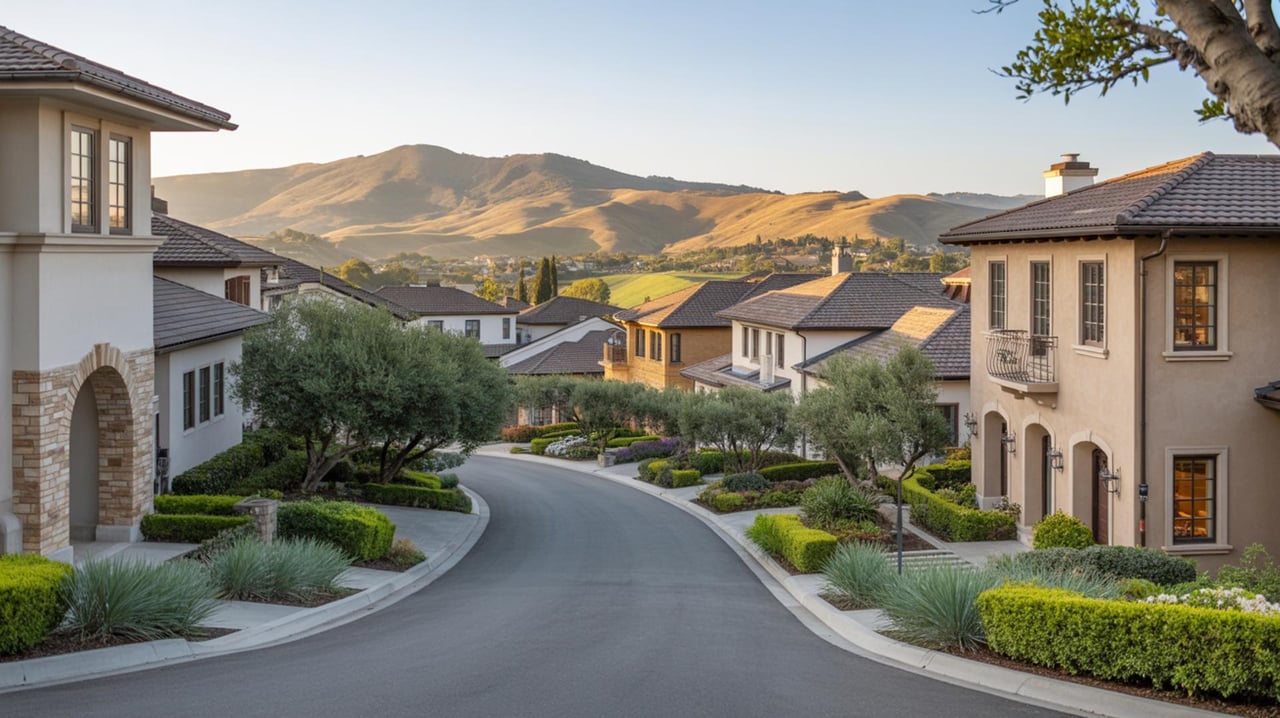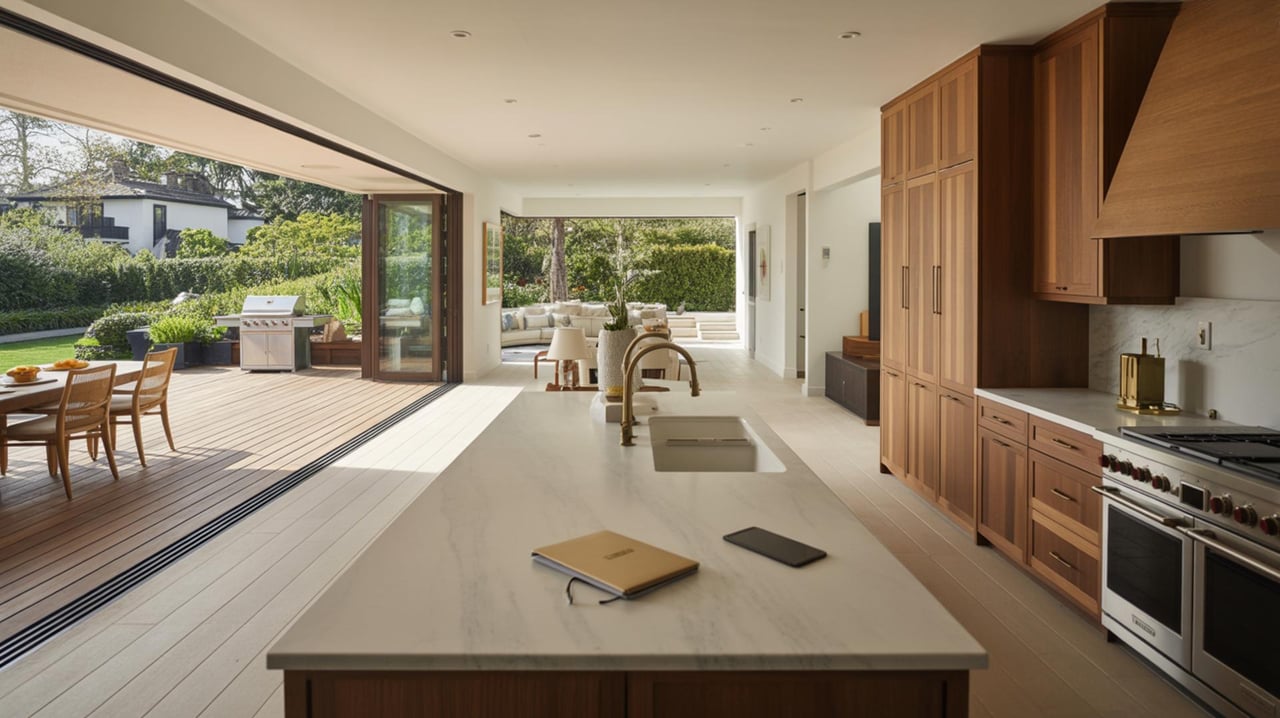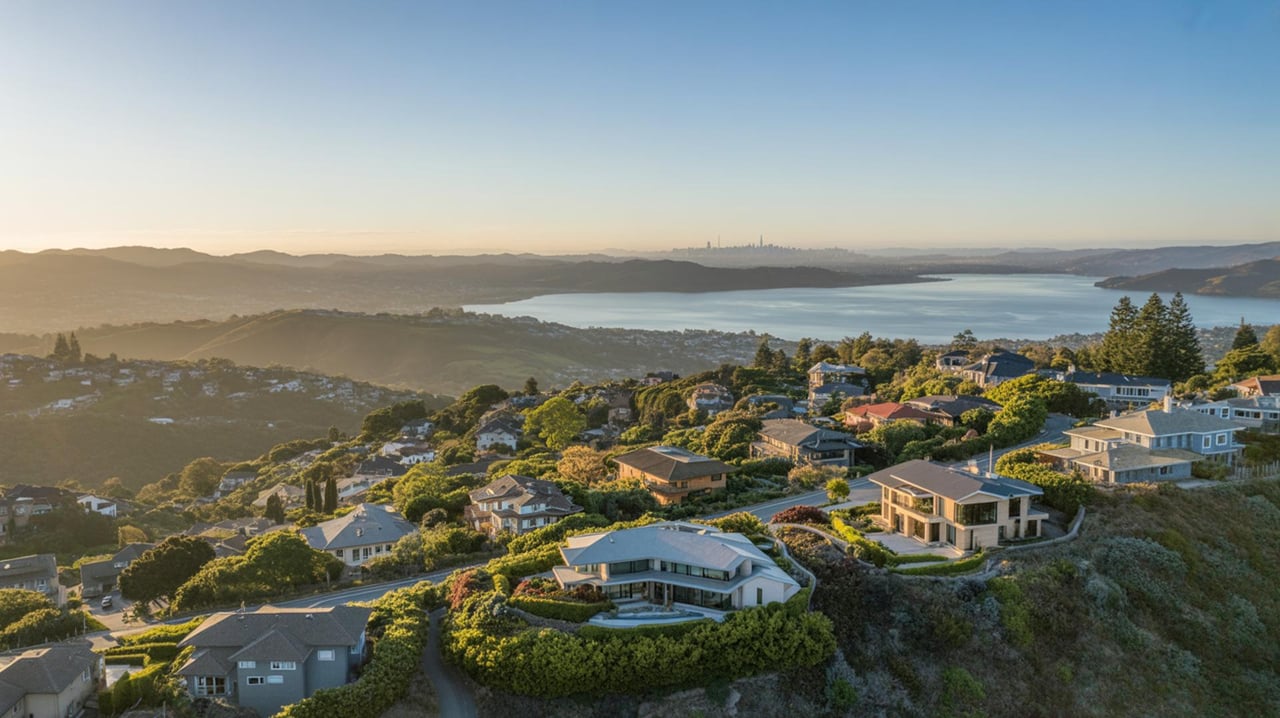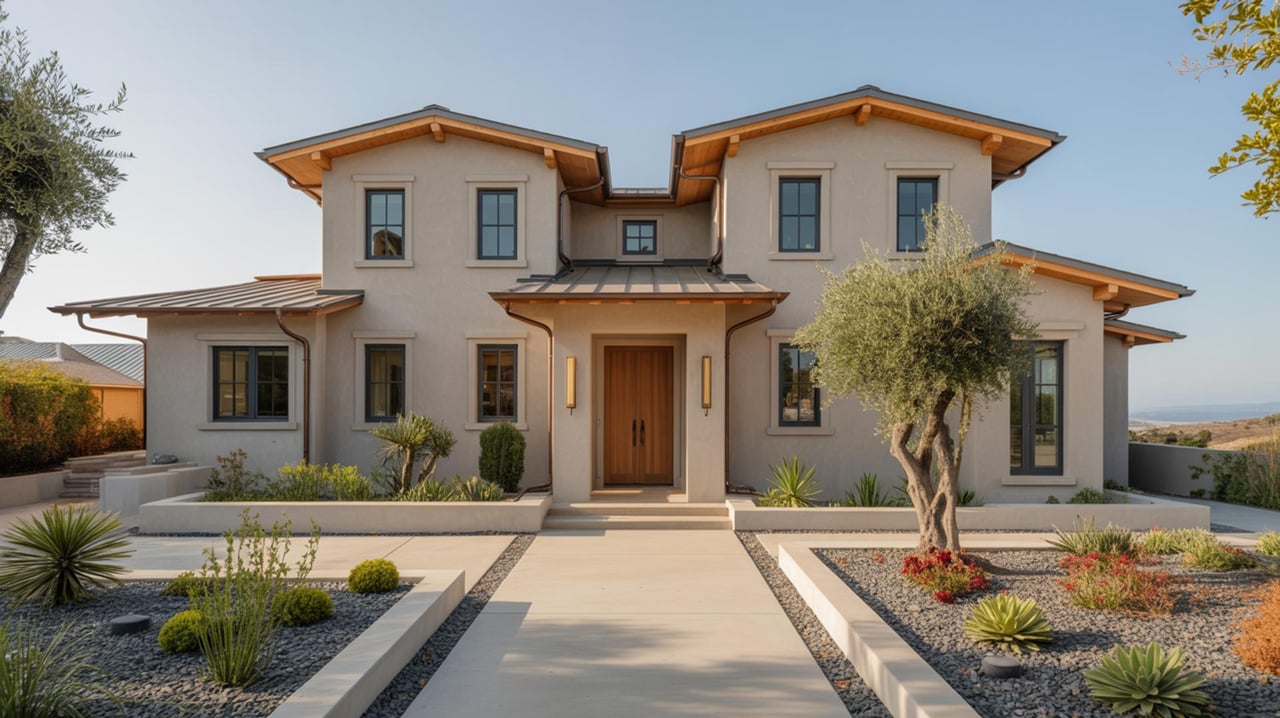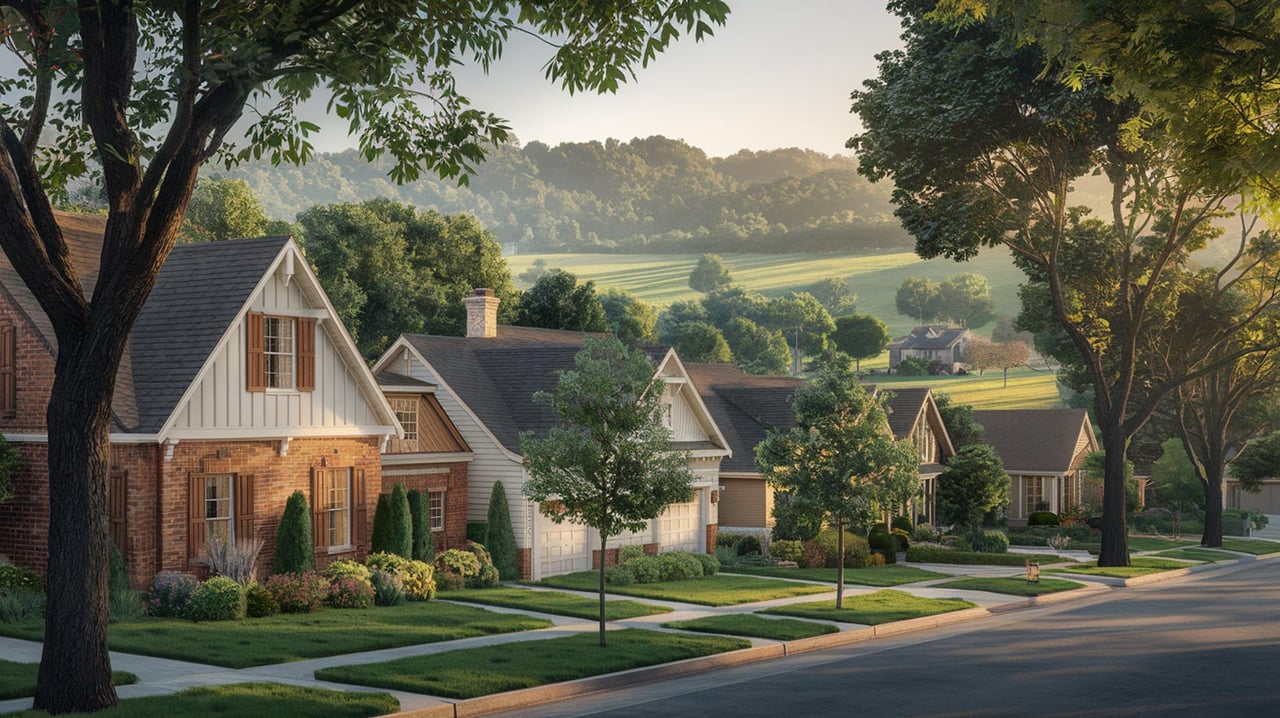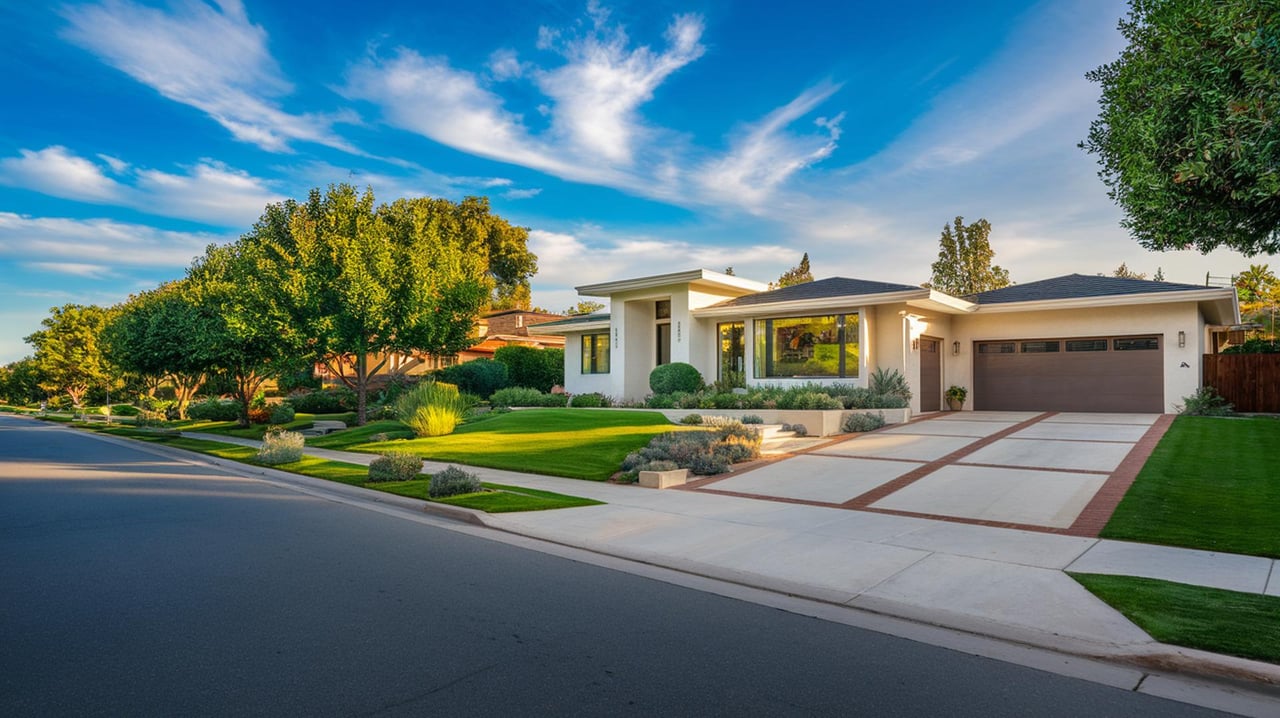
Choosing between north and south San Ramon sounds simple until you start looking at actual homes. The catch is that San Ramon does not use an official north-versus-south housing label, so buyers are usually comparing two broad areas: north, central, and west San Ramon around Bishop Ranch, City Center, San Ramon Village, and the westside plan areas, versus south San Ramon anchored by Dougherty Valley. If you want to know how the housing really compares, this guide will help you sort through lot sizes, housing styles, amenities, and day-to-day feel so you can focus on the area that fits your goals. Let’s dive in.
How to Think About North vs South
In San Ramon, “north” often means more than just the top half of a map. Buyers usually use it as shorthand for north, central, and west San Ramon, including areas near Bishop Ranch, City Center, San Ramon Village, Crow Canyon, and the northwest and westside plan areas.
“South San Ramon” usually points to Dougherty Valley. That area was approved as a master-planned community of about 11,000 units in 1994, and its planning documents describe a mix of standard-lot single-family homes and higher-density housing with retail and community services woven in.
One important citywide fact helps frame the comparison. San Ramon’s housing stock is relatively young overall, with more than 67% of homes built in 1980 or later and a median home age of 32 years.
North San Ramon Housing Overview
North, central, and west San Ramon include part of the city’s earlier suburban housing base, but that does not mean everything there is older. These areas also include newer mixed-use growth around Bishop Ranch and San Ramon Village.
That mix gives north San Ramon a more varied housing story. You may find established residential streets in one pocket and newer apartment or mixed-use development patterns in another.
Established Streets and More Variety
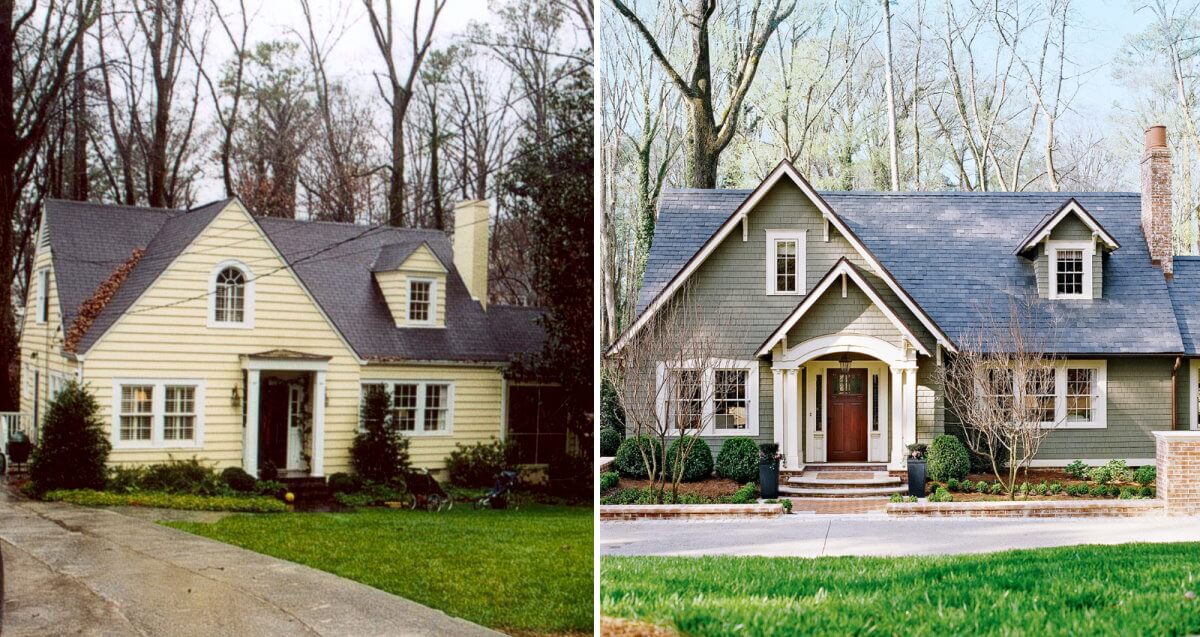
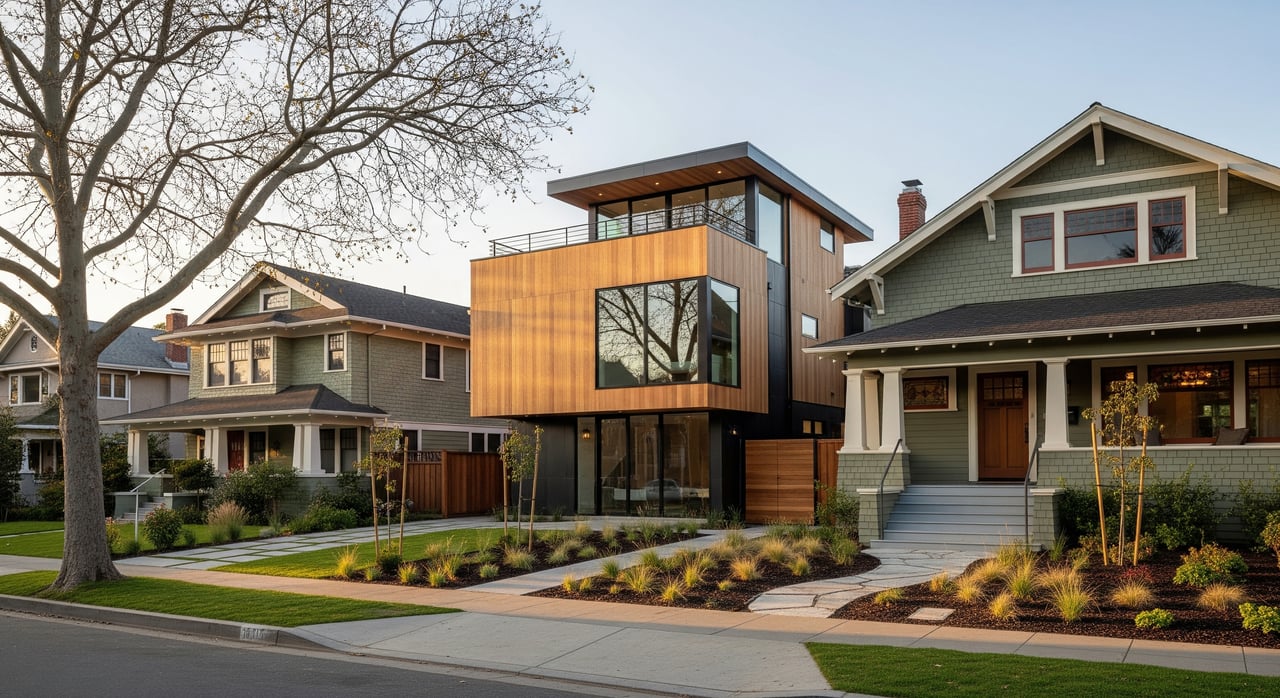
For many buyers, one of the main draws in north and central San Ramon is variety. Instead of one dominant master-planned pattern, you get a blend of established neighborhoods, civic-core development, and some newer infill.
That can matter if you want more choices in home style, street character, or location near the city’s core amenities. It also means you should judge homes and tracts individually rather than assume the whole area feels the same.
Larger-Lot Pockets in the West and Northwest
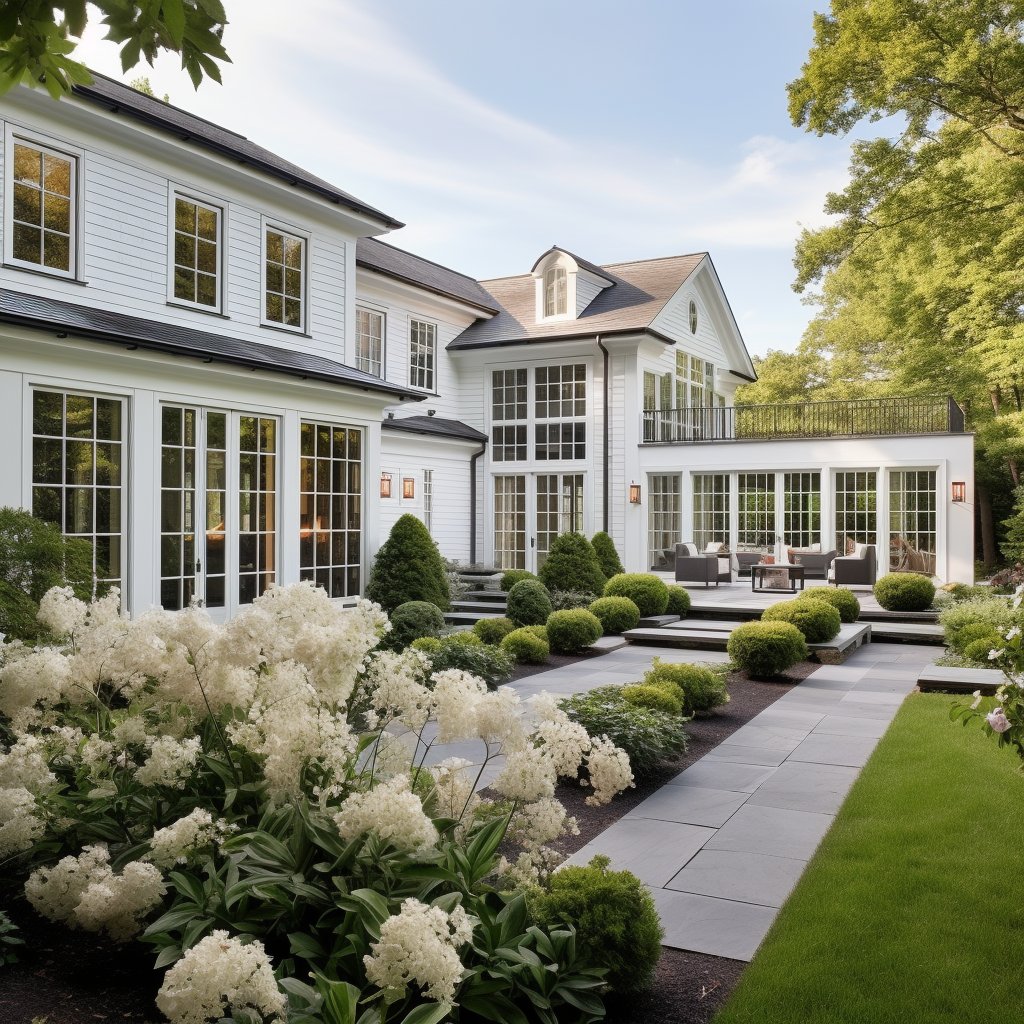
If lot size is high on your list, west and northwest San Ramon deserve a close look. In the Northwest Specific Plan area, the city describes large-lot single-family homes at roughly 15,000 to 22,000 square feet, with a 12,500-square-foot minimum when homes are clustered.
That makes the west and northwest edge the clearest part of San Ramon for buyers who want bigger lots. If yard space, separation from neighbors, or a more expansive site plan matters to you, these pockets may stand out.
Newer Infill Is Part of the Picture
A common misconception is that north San Ramon is always older. That is not the case.
The CityWalk plan allows up to 4,500 multifamily units over 20 to 30 years, and the San Ramon Village plan calls for a mixed-use residential and retail village node. So while parts of north and central San Ramon reflect earlier suburban growth, they also include newer housing formats tied to ongoing redevelopment and infill.
South San Ramon Housing Overview
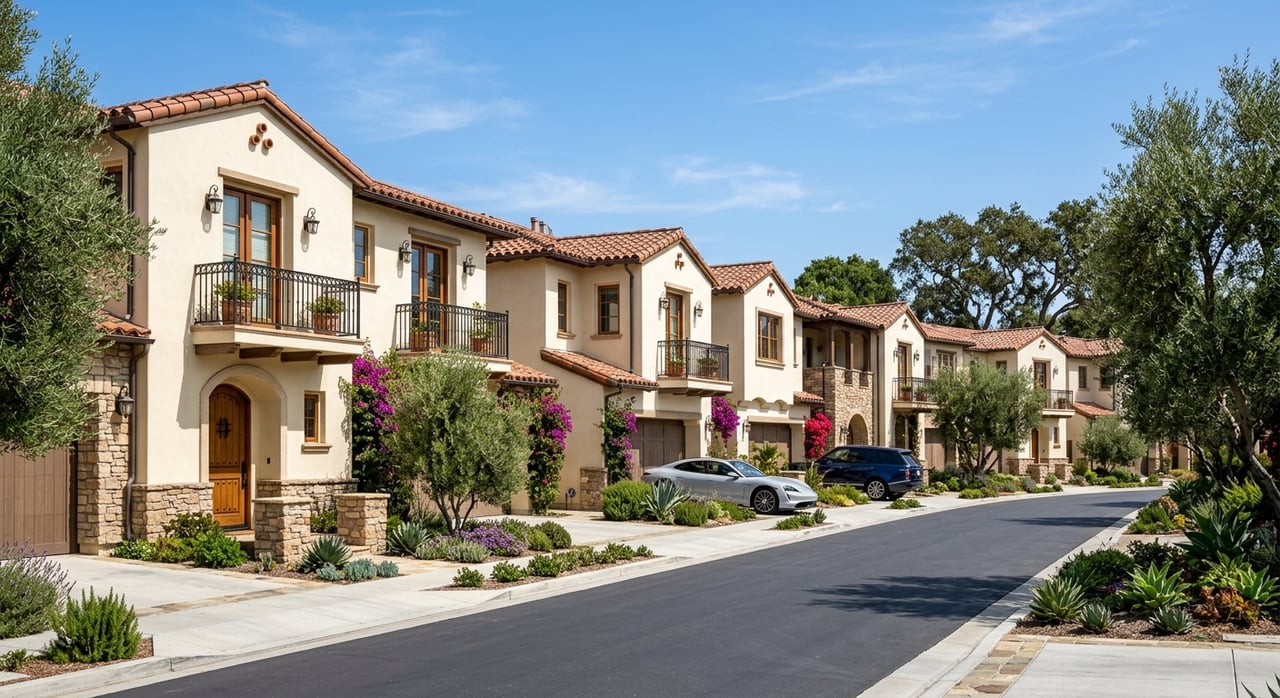
South San Ramon is most closely associated with Dougherty Valley. This area tends to appeal to buyers looking for a more uniform master-planned setting with a broad mix of housing types inside a larger, coordinated community design.
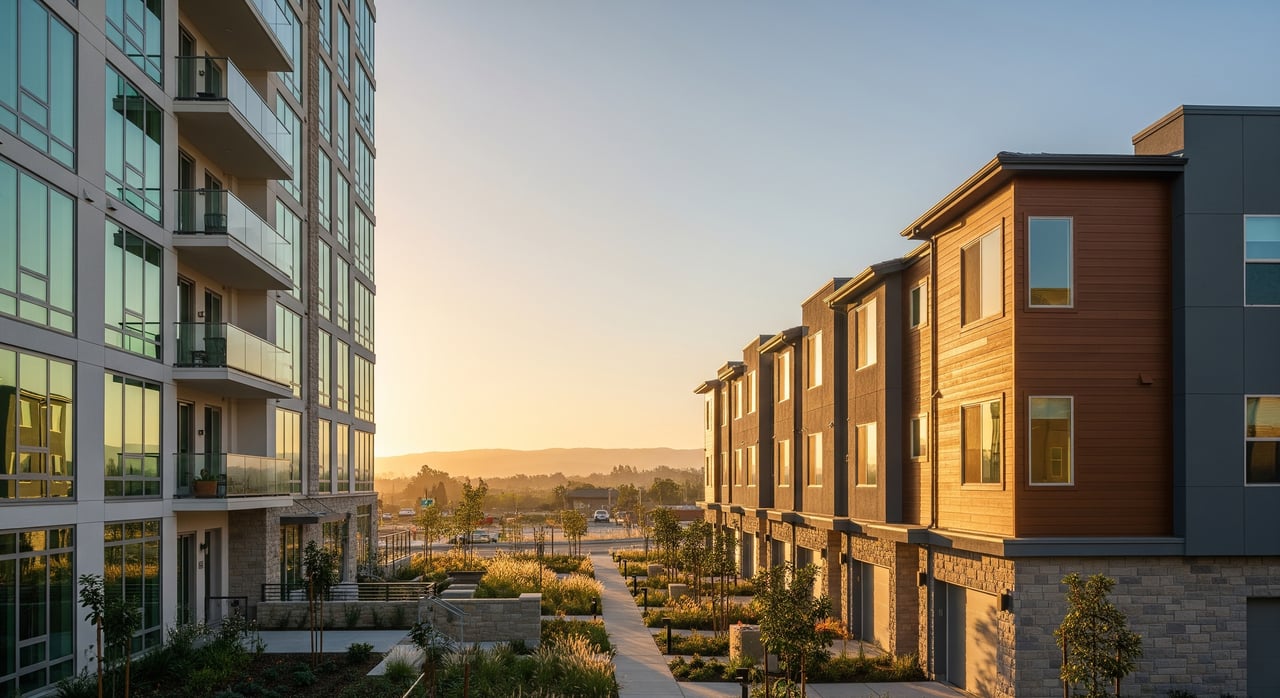
The city’s specific plan describes clustered residential neighborhoods supported by retail and community services. Housing ranges from standard-lot single-family dwellings to higher-density options, so the overall mix is broader than many buyers expect.
Newer Master-Planned Housing
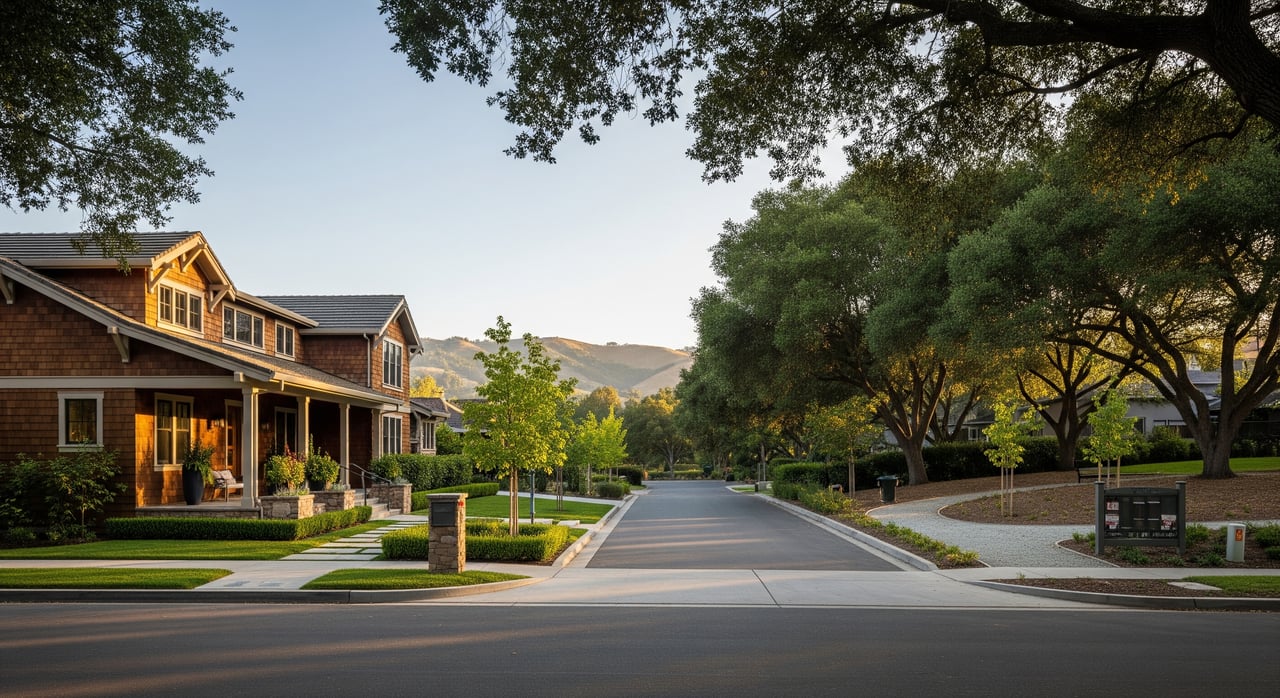
In broad terms, south San Ramon tends to feel newer and more purpose-built. Because Dougherty Valley was planned as a large community rather than built out as a series of unrelated neighborhoods, many buyers notice more consistency in subdivision layout and overall neighborhood design.
That can be appealing if you want a more cohesive development pattern. It can also make your search easier if you prefer newer construction styles and a more predictable neighborhood layout.
Lot Size Depends on the Subdivision
Another common assumption is that south San Ramon always means smaller lots. That is too broad.
The planning documents for Dougherty Valley emphasize a mix of lower- and higher-density housing within neighborhoods, which means lot size is more subdivision-dependent than in the large-lot hillside pockets on the west and northwest side of San Ramon. In other words, you need to compare tract by tract, not just area by area.
Side-by-Side Housing Differences
If you want the quick version, the biggest difference is not that one side is good and the other is bad. It is that each side tends to serve different priorities.
North and central San Ramon often appeal to buyers who want established neighborhoods, access to the civic and retail core, and in some locations, larger lots. South San Ramon often appeals to buyers who want newer master-planned housing and amenities centered around Dougherty Valley.
| Feature | North/Central/West San Ramon | South San Ramon / Dougherty Valley |
|---|---|---|
| General pattern | Mix of earlier suburban neighborhoods and newer infill | Master-planned community pattern |
| Housing feel | More varied by pocket | More uniform by subdivision |
| Lot size story | Some clear larger-lot pockets, especially west/northwest | Varies by subdivision and density mix |
| New development | Mixed-use infill around Bishop Ranch and San Ramon Village | Planned residential mix with retail and services |
| Broad buyer draw | Established streets, civic-core access, some larger lots | Newer housing, planned amenities, neighborhood cohesion |
Amenities and Daily Lifestyle
Housing is only part of the decision. The north-versus-south question also affects what your daily routine may feel like.
North and Central Amenities
North and central San Ramon are anchored by major city amenities near the core. City Center Bishop Ranch brings 300,000 square feet of retail, dining, and entertainment, while Central Park offers 40.8 acres of community park space.
This part of the city also includes Forest Home Farms Historic Park, a 16-acre site that preserves and interprets the valley’s agricultural history. Together, these features give north and central San Ramon a more civic-core, retail-forward, and historically rooted feel.
South San Ramon Amenities
South San Ramon has a different kind of amenity base. Dougherty Station Community Arts Center was built in 2005 and renovated and reopened with an arts focus in 2023, and the Dougherty Valley Aquatic Center, established in 2007, includes a 50-meter pool, a play structure pool, diving boards, and picnic areas.
The area also includes a performing arts center and village-center planning that supports neighborhood-serving retail and community services. For many buyers, this creates a more campus-like amenity experience tied closely to the master-planned community.
Commute and Street Feel
Commute patterns and physical layout can shape your decision just as much as the house itself. In San Ramon, the city notes that central areas are relatively flat, while the western and eastern portions are hilly.
The city also identifies Interstate 680 as a major barrier to east-west bicycle and pedestrian connectivity. That is a practical point to keep in mind when comparing neighborhoods, especially if you care about local circulation and how easy it feels to move around without a car.
North and Central Access Patterns
Buyers looking in north and central San Ramon may focus on access to Bishop Ranch, City Center, and the San Ramon Transit Center. The city says local bus service connects to BART and ACE, and the San Ramon Transit Center includes 54 parking spaces for carpools, vanpools, and buses.
If your routine centers on the city core, that access may be a meaningful advantage. It can also support buyers who want to stay close to work, shopping, or transit options.
South San Ramon Access Patterns
In south San Ramon, buyers may prioritize Dougherty Valley’s newer internal street network and the Dougherty Bark and Ride. The city says that facility has more than 50 spaces and is designed for carpools, vanpools, and buses.
There is also local service connecting to regional transit, including Route 92X from the San Ramon Transit Center to the ACE station in Pleasanton. For some buyers, south San Ramon works well because it pairs neighborhood amenities with its own park-and-ride option.
Which Side Fits Your Priorities?
If you are comparing homes in both areas, it helps to start with your top two or three decision factors. Do you care most about newer construction, larger lots, access to City Center, or a more master-planned neighborhood setting?
Broadly speaking, north and central San Ramon tend to fit buyers who want established neighborhoods, some larger-lot pockets, and close access to the city’s core amenities. South San Ramon tends to fit buyers who want newer master-planned housing and Dougherty Valley’s amenity base.
Still, the tract matters more than the label. A well-chosen subdivision in south San Ramon may fit your lot and layout goals better than a north-side option, and a newer infill home in north San Ramon may feel more current than you expected.
If you want help comparing specific neighborhoods, floor plans, or resale potential in San Ramon, the Nivi Das Team can help you evaluate the details that matter most to your move.
FAQs
Is north San Ramon always older housing?
- No. North and central San Ramon include the city’s earlier suburban base, but they also include newer mixed-use infill around Bishop Ranch and San Ramon Village.
Are south San Ramon lots always smaller?
- No. Dougherty Valley includes multiple housing types and densities, so lot size depends on the specific subdivision.
What areas count as north San Ramon in this comparison?
- In buyer shorthand, north usually refers to north, central, and west San Ramon around Bishop Ranch, City Center, San Ramon Village, Crow Canyon, and the westside plan areas.
What defines south San Ramon housing?
- South San Ramon is largely anchored by Dougherty Valley, a master-planned community with clustered neighborhoods, retail, community services, and a mix of housing densities.
Which side of San Ramon is better for buyers?
- Neither side is universally better. North and central San Ramon often suit buyers seeking established neighborhoods, larger-lot pockets, and City Center access, while south San Ramon often suits buyers seeking newer master-planned housing and Dougherty Valley amenities.