Torn between a brand-new home in Newark and the character of a resale? You are not alone. The decision affects your budget, timing, energy bills, and even how you negotiate. In this guide, you will learn how Newark’s local rules, California energy codes, HOA structures, and builder contracts shape the experience so you can choose with confidence. Let’s dive in.
Quick snapshot: which fits your goals
- Want a predictable 30–45 day move-in? Choose resale.
- Want low immediate maintenance and a builder warranty? Choose new construction.
- Want maximum customization and modern layouts? Choose new construction, ideally early in the build cycle.
- Want stronger price negotiation leverage? Choose resale, especially in slower markets.
- Want the latest energy efficiency and EV readiness? Choose new construction. Verify what is included.
- Want to avoid HOAs or special taxes? Compare carefully. Many new master-planned communities include HOAs and sometimes special taxes, while some resales may be non-HOA or have established HOA finances.
Newark new construction vs resale: what changes your decision
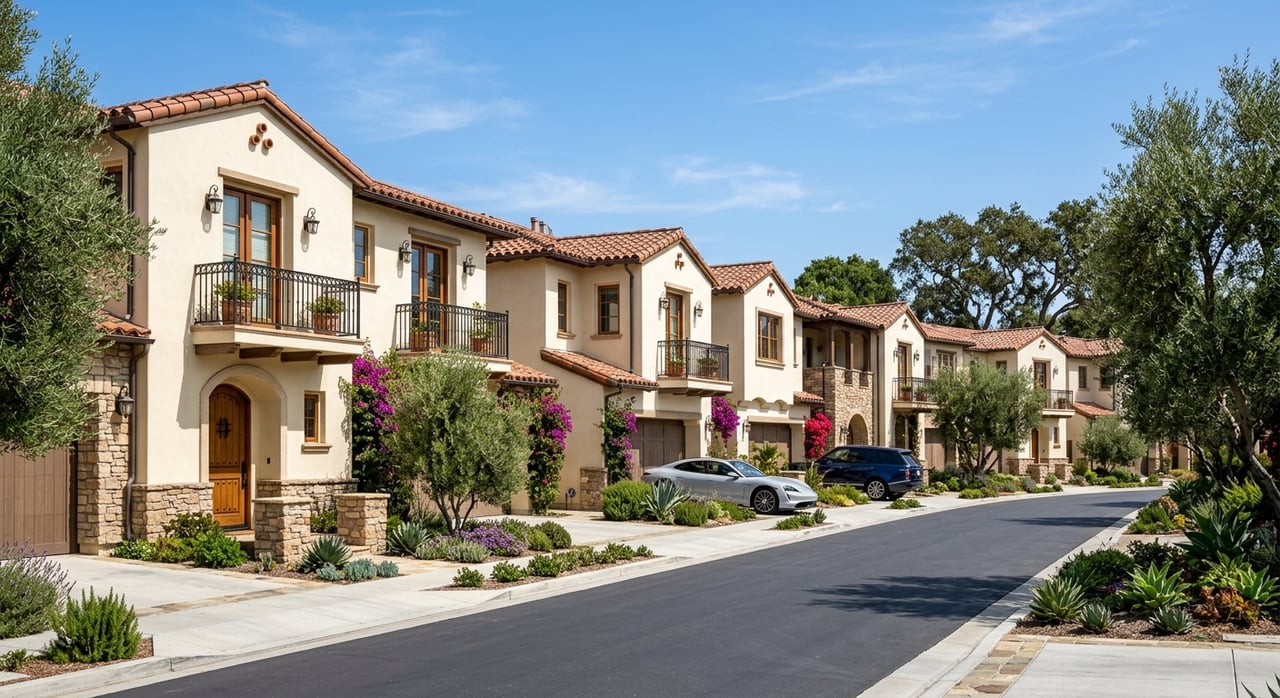
Newark homes sit within Alameda County and follow California building and energy standards. New homes must comply with current Title 24 energy requirements and CALGreen. Larger communities may include homeowners associations and sometimes special taxes that fund local infrastructure. Keep these local realities in mind as you compare.
Warranties and early maintenance
- New construction pros:
- Builder warranties commonly cover workmanship and materials for a short term, systems for around two years, and major structural items for longer periods. Coverage reduces early repair risk.
- New roof, HVAC, windows, and appliances usually mean lower initial maintenance.
- New construction cons:
- Warranty coverage varies by builder. Exclusions and arbitration clauses can limit remedies.
- Site items like grading or drainage may not be covered long term.
- Resale pros:
- You can inspect fully and use contingencies to negotiate repairs or credits.
- Remedies rely on standard seller disclosures and negotiated terms rather than builder policies.
- Resale cons:
- Older systems can need immediate upgrades, which increases short-term costs.
- Newark tip: Ask for the builder’s full written warranty and confirm any local inspection requirements with the City of Newark Building Division.
Timeline and move-in certainty
- New construction pros:
- You can plan ahead and, when buying early, pick finishes on a set schedule.
- New construction cons:
- Build timelines can shift due to permits, weather, labor, or materials. Even completed “spec” homes may have final tasks before occupancy.
- Closing often depends on milestone approvals and a certificate of occupancy.
- Resale pros:
- Many transactions close in 30–45 days with typical financing, which helps with planning.
- Resale cons:
- Seller rent-backs or contingencies can extend timelines.
- Newark tip: Confirm the final inspection and occupancy steps with the City of Newark so your move-in plan matches reality.
Customization and selections
- New construction pros:
- Options for floorplans, finishes, kitchen layouts, and lot orientation when purchased early.
- New construction cons:
- Upgrade prices and change orders add up quickly. Selection windows are fixed.
- Resale pros:
- You can remodel at your own pace and focus on high-impact areas.
- Resale cons:
- Major renovations can be more disruptive than choosing finishes upfront.
- Newark tip: In infill settings, lot constraints and setbacks may limit changes compared to larger master-planned sites.
Energy performance and operating costs
- New construction pros:
- Built to current Title 24 and CALGreen standards, which typically means better insulation, efficient HVAC, LED lighting, water-saving fixtures, and EV readiness or solar readiness. These features can lower energy costs.
- New construction cons:
- Some “green” features are optional upgrades rather than standard. Confirm what is included.
- Resale pros:
- Some older homes have upgraded systems or solar already installed.
- Resale cons:
- Many older homes do not meet current code and may cost more to operate until upgraded.
- Newark tip: Ask for the home’s energy compliance documentation, such as a HERS or performance certificate, to see what the builder modeled and included.
HOAs, amenities, and special taxes
- New construction pros:
- New communities may offer parks, paths, and shared amenities. Early HOA oversight can help maintain standards.
- New construction cons:
- New HOAs may have low initial reserves and more risk of special assessments as communities age. Some communities use special taxes, often called Mello-Roos, to fund public improvements.
- Resale pros:
- Existing HOAs have a financial history and reserve studies you can review.
- Resale cons:
- You inherit current rules and any existing special assessments.
- Newark tip: Review CC&Rs, budgets, reserve studies, and minutes. Check the property tax bill and preliminary title report for any community facilities district or special tax.
Financing, incentives, and contracts
- New construction pros:
- Builders may offer closing credits, rate buydowns, or upgrade allowances, often tied to a preferred lender.
- It can be easier to time your move with a finished inventory home.
- New construction cons:
- Preferred-lender incentives require careful cost comparisons. Contracts often favor builders and include arbitration.
- Appraisals may not value all upgrades at the same amount you pay.
- Resale pros:
- Standard contracts usually include inspection and financing contingencies. You can negotiate price and terms based on condition and comps.
- Resale cons:
- Incentives are less common, but you can negotiate credits for repairs.
- Newark tip: In strong East Bay markets, builders may hold firm on price but consider incentives. Use an agent experienced with new-build comparisons.
Resale value and long-term appreciation
- New construction pros:
- Modern layouts and efficiency can command a premium and attract future buyers.
- New construction cons:
- Many similar homes in one phase can compress resale price growth. Later, newer phases may lessen early premiums.
- Resale pros:
- Location usually drives long-term value. Established neighborhoods near key corridors and services often perform well.
- Resale cons:
- Outdated floorplans or systems can hold back value until renovated.
- Newark tip: Proximity to transit, schools, and employment centers within the East Bay and Silicon Valley corridors tends to matter more over time than whether a home is brand-new.
Due diligence checklist for Newark buyers
Questions to ask a builder
- What does the written warranty cover and for how long? Ask for the full document.
- What is the construction milestone schedule and the remedy if there are delays?
- Which features are standard versus upgrades, and what are the current price lists and change-order fees?
- Who is the preferred lender and what are the exact terms tied to incentives?
- Are there any special taxes such as a community facilities district? Request disclosures.
- Who manages the HOA initially and when is an owner board elected? Request CC&Rs, budgets, and reserve materials.
- What inspections occur during construction? Can your independent inspector attend pre-drywall and final?
- Is the home solar-ready or does it include solar? What are the estimated monthly energy costs from the builder’s model?
- What are the dispute resolution procedures and any limits on claims?
Documents to review for both new and resale
- Preliminary title report for liens, easements, and special tax liens.
- Property tax bill notes for any special assessments or Mello-Roos.
- HOA documents: CC&Rs, bylaws, budgets, reserve study, and recent meeting minutes.
- Builder warranty packet, or for resale, full seller disclosures and repair receipts.
- Pest and general inspection reports. For resale, full home inspection plus any specialty reports.
- Energy details: for new, HERS or performance certificate. For resale, recent utility bills if available.
- Local ordinances that may apply, like sewer lateral compliance or zoning rules. Confirm with the City of Newark.
Inspections and professional help
- For new builds, hire an independent inspector for major milestones such as pre-drywall and final. Consider roof, grading, and sewer line opinions when possible.
- For resale, schedule a home inspection, pest inspection, and sewer lateral inspection if required locally, plus specialty inspections for roof, foundation, or moisture as indicated.
- Engage an agent experienced in new construction contracts. Consider legal review for arbitration clauses and dispute terms.
Negotiation in Newark’s builder and resale markets
Working with builders
- Bring an agent who understands builder contracts. Sales reps work for the builder.
- Negotiate beyond price. Ask for closing credits, rate buydowns, appliances, or specific upgrades. Weigh financial value over cosmetic perks.
- Get all promises in writing with exact brands, finishes, and allowances.
- Compare preferred-lender incentive math against an outside lender to confirm the true net benefit.
- For inventory homes, ask for an as-built list and a detailed orientation checklist before closing.
Working with resale sellers
- Use inspection contingencies to negotiate repairs or credits.
- Rely on local comps to set fair market value.
- Consider seller concessions to bridge appraisal gaps or address defects.
- In competitive moments, escalate or strengthen earnest money with care while protecting critical contingencies.
Arbitration and contract terms
- Builder contracts often include arbitration and limited remedies. Have these reviewed before you sign.
- Standard California forms used in resale tend to be more buyer-friendly, with clear contingencies and timelines.
Total cost comparison: a simple worksheet
Use this quick list to compare homes side by side:
- Purchase price and likely closing costs
- HOA dues and any special assessments
- Special taxes such as Mello-Roos, if applicable
- Estimated utilities based on energy features or past bills
- Immediate repairs or upgrades for resale, or upgrade packages for new
- Commuting time and lifestyle fit that matter to your household
What this means for you
If you want the latest energy standards, modern layouts, and fewer early repairs, new construction can be compelling in Newark. If you want faster move-in, more negotiating room, and established HOA financials, resale can be a smart path. The best choice depends on your top three priorities, your timeline, and the total cost picture, including HOA and any special taxes.
If you would like a calm, design-informed approach to this decision, our team can help you compare floorplans, Title 24 features, HOA budgets, and builder contracts side by side. Let’s discuss your goals and build a plan that fits your life. Connect with the Nivi Das Team to get started.
FAQs
Are Mello-Roos taxes common for Newark new homes?
- They are possible in master-planned communities that finance infrastructure through a community facilities district. Confirm on the preliminary title report and property tax bill.
Can I bring my own inspector to a Newark new build?
- Yes. It is prudent to hire independent inspectors at key milestones such as pre-drywall and final walkthrough.
Do new Newark homes always include solar?
- Not always. California code encourages solar readiness, and some builders include solar or offer it as an upgrade. Confirm what is included in writing.
Are builder contracts negotiable in Newark?
- Often, you can negotiate incentives, upgrades, and sometimes price depending on market pace. Have dispute and arbitration terms reviewed before you sign.
What costs surprise buyers most when comparing new vs resale?
- Change-order and upgrade costs, HOA assessments, special taxes, and higher property taxes after reassessment. For resale, deferred maintenance and immediate system replacements are common surprises.