
If your workdays start early, end late, and leave little room for a long drive, the right home can make a big difference. In Hayward, condos and townhomes appeal to many busy commuters because they often pair lower-maintenance living with practical access to BART, AC Transit, and mixed-use areas near daily essentials. If you are weighing convenience, monthly costs, and layout needs, this guide will help you sort through what matters most before you buy. Let’s dive in.
Why Hayward Works for Commuters
Hayward stands out as a strong commuter market for attached homes because both Hayward Station and South Hayward Station are on BART. Both stations are also served by AC Transit, which gives you more than one way to handle the trip between home, transit, and work.
Hayward Station is described by BART as being near a pedestrian-friendly downtown with housing, shops, offices, and restaurants. That matters if you want a home where daily errands and transit access can feel more connected, rather than fully car-dependent.
The City of Hayward’s Housing Element also points to several priority areas for higher-density and mixed-use development. These include Downtown City Center, the Cannery Transit Neighborhood, the Mission Boulevard Mixed-Use Corridor, the South Hayward BART Mixed-Use Corridor, and the South Hayward BART Urban Neighborhood.
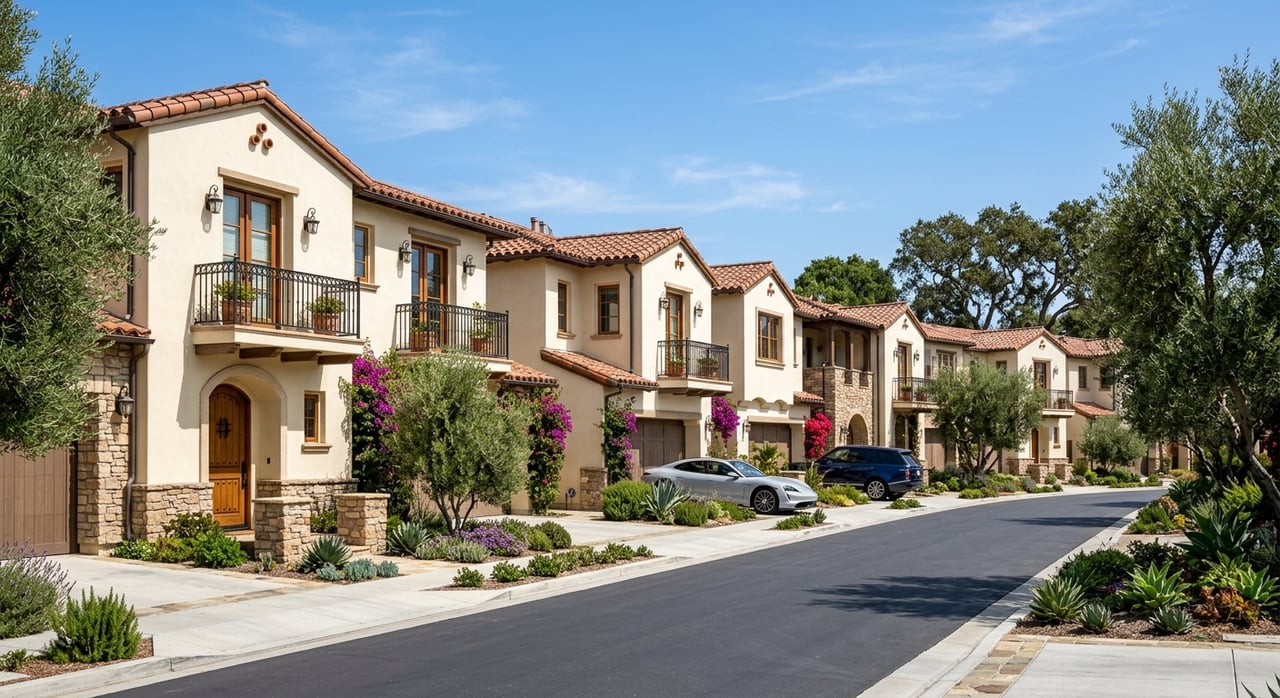
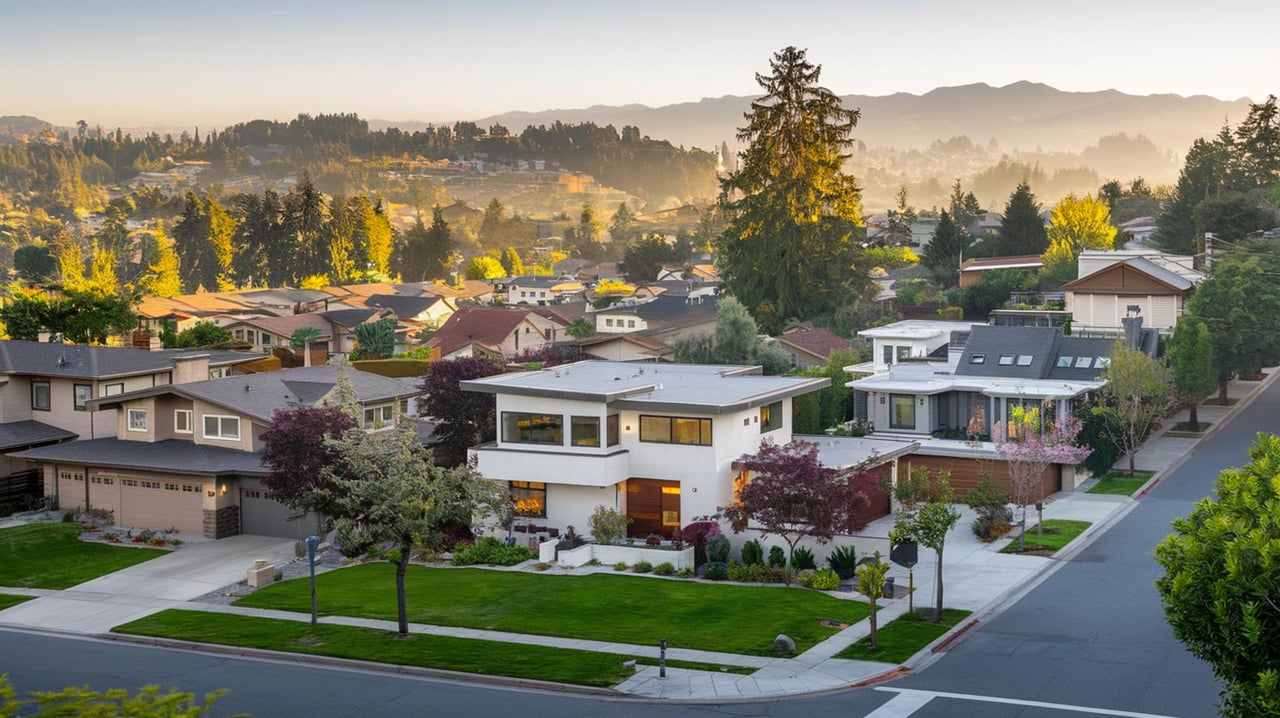
That planning context helps explain why condos and townhomes often show up near transit corridors and commercial hubs. If you want a home that supports a busy schedule, those locations can offer a more efficient day-to-day routine.
BART Access in Hayward
Both Hayward Station and South Hayward Station are on the Richmond to Berryessa/North San Jose and Berryessa/North San Jose to Daly City BART lines. For many buyers, that means direct rail access toward Oakland, San Francisco-bound service, and the South Bay end of the system.
Of course, your commute still depends on where your office is and how you handle the last mile. Still, the rail access in Hayward makes car-light commuting realistic for many buyers, especially if you prefer to avoid a full drive every day.
Parking can also shape your routine. Current BART station information shows the same parking structure at both Hayward stations: daily parking at $3.40, reserved single or multi-day parking at $4.50, and monthly reserved parking at $93.80.
Both stations currently show parking capacity available at all times. Bike storage is part of the picture too, with 40 on-demand BikeLink lockers at Hayward Station and 16 at South Hayward Station.
Why Condos and Townhomes Fit Busy Schedules
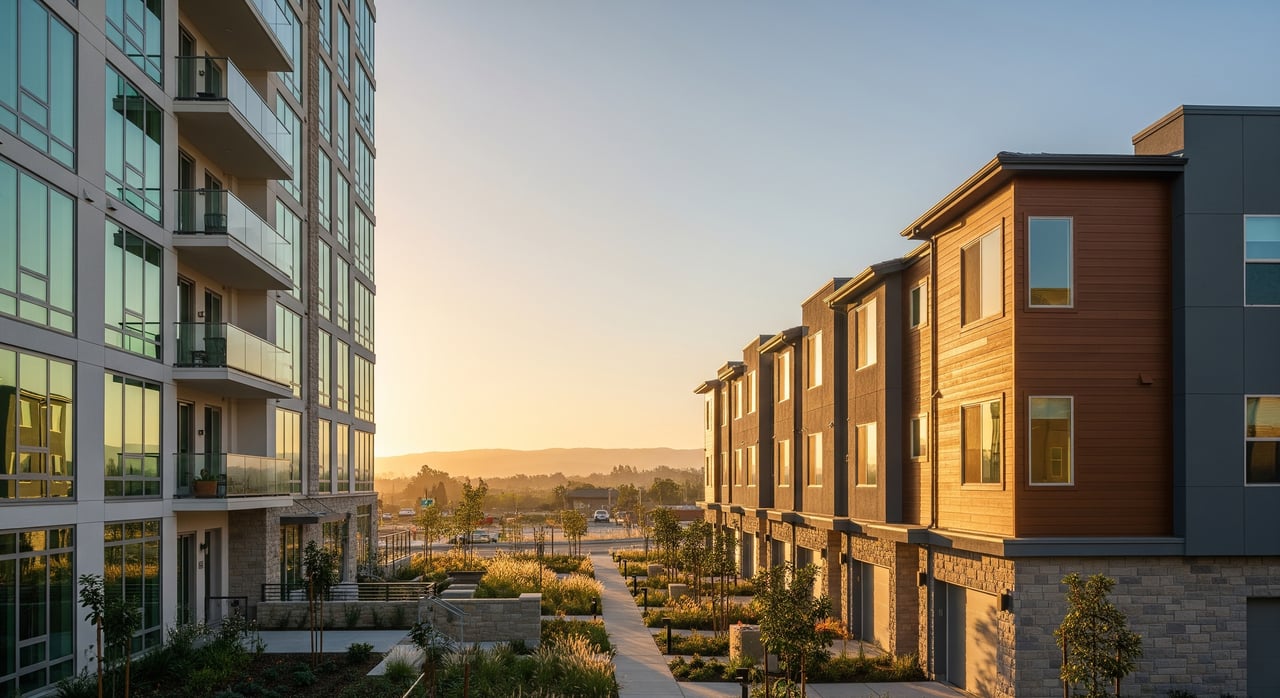
For many commuters, attached homes solve two problems at once. They can offer a more manageable footprint than a larger detached home, while also placing you closer to transit, mixed-use corridors, and commercial areas.
Hayward’s planning documents support higher-density housing near South Hayward BART and mid-density townhomes around commercial development and amenity hubs. Public input in the same Housing Element also called for reduced parking minimums near BART because of walkability.
In simple terms, the city’s growth pattern supports the kind of housing many time-conscious buyers want. If your goal is to spend less time on upkeep and more time on work, family, or personal time, condos and townhomes may be a practical fit.
Typical Hayward Layouts to Expect
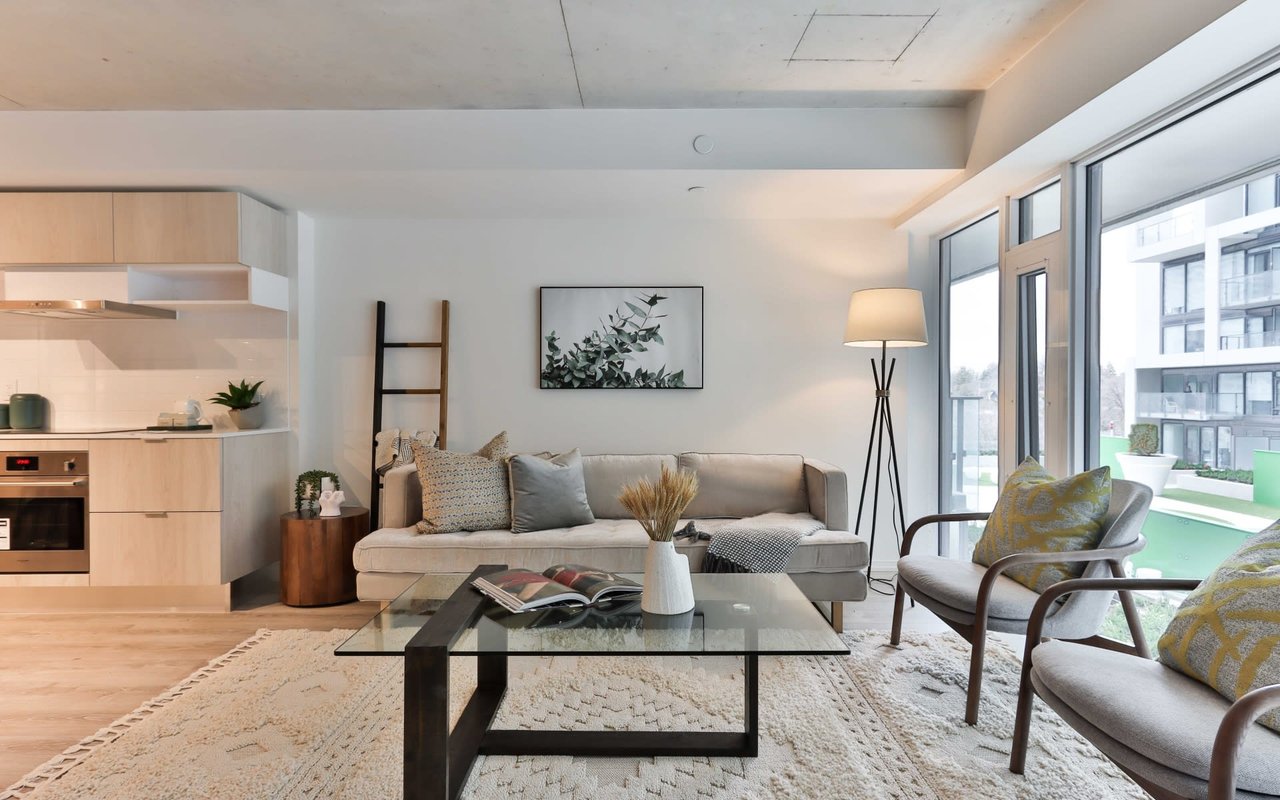
In the current Hayward market, attached homes span a fairly wide range of sizes and layouts. Representative listings show 1-bedroom, 1-bath condos around 400 to 700-plus square feet, 2-bedroom, 2-bath condos around 900 square feet, and townhome-style homes around 1,300 to 1,700-plus square feet.
That range is helpful because commuter buyers do not all need the same thing. Some want a compact home with less maintenance, while others need extra bedrooms, a dedicated office nook, or more storage for a hybrid work schedule.
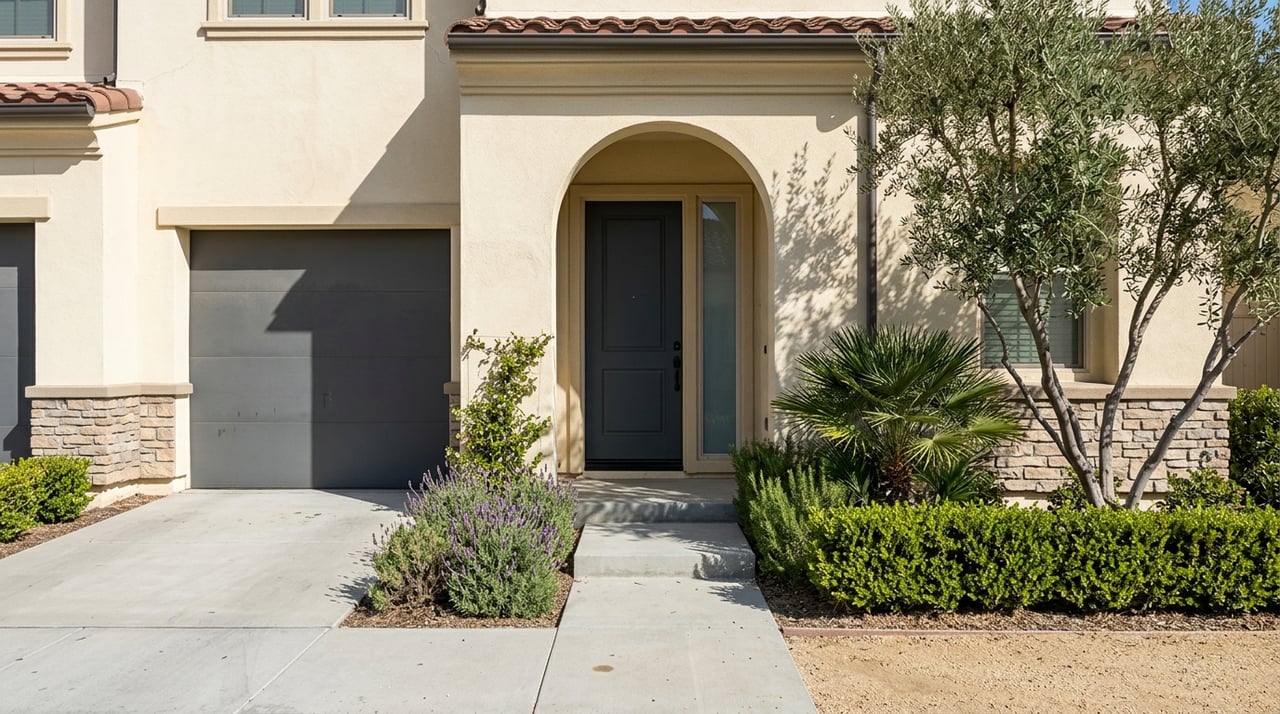
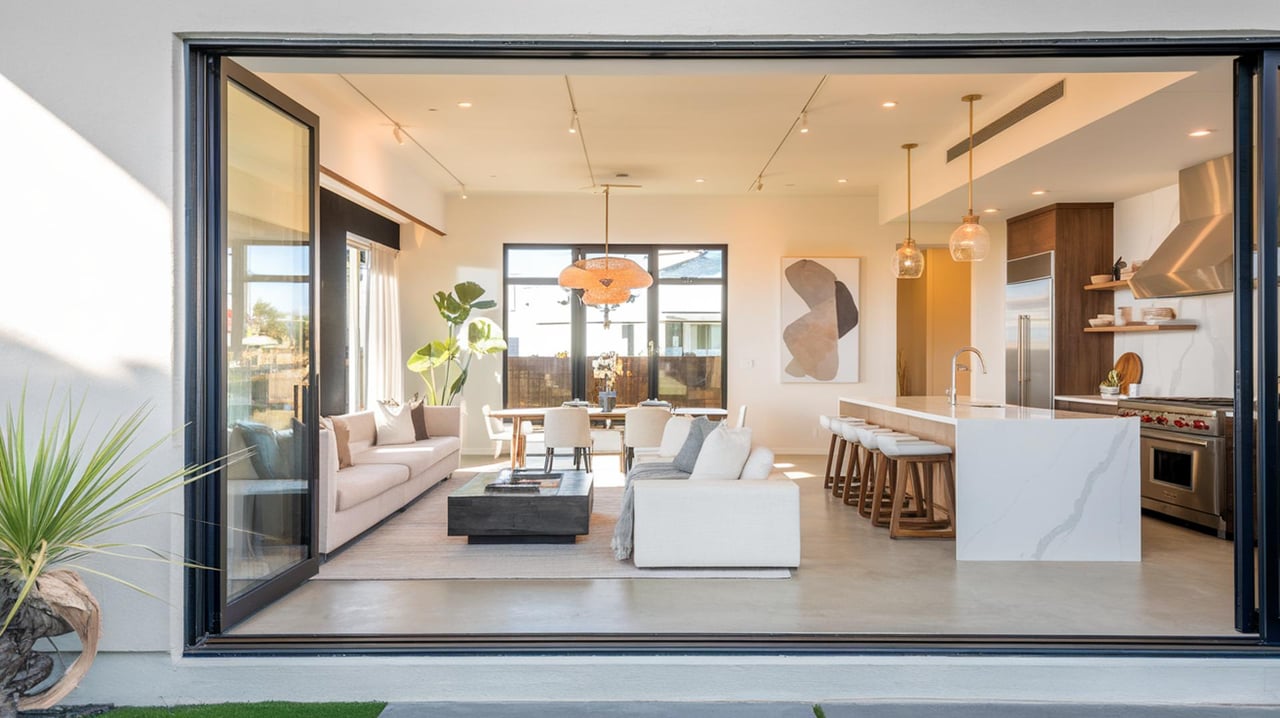
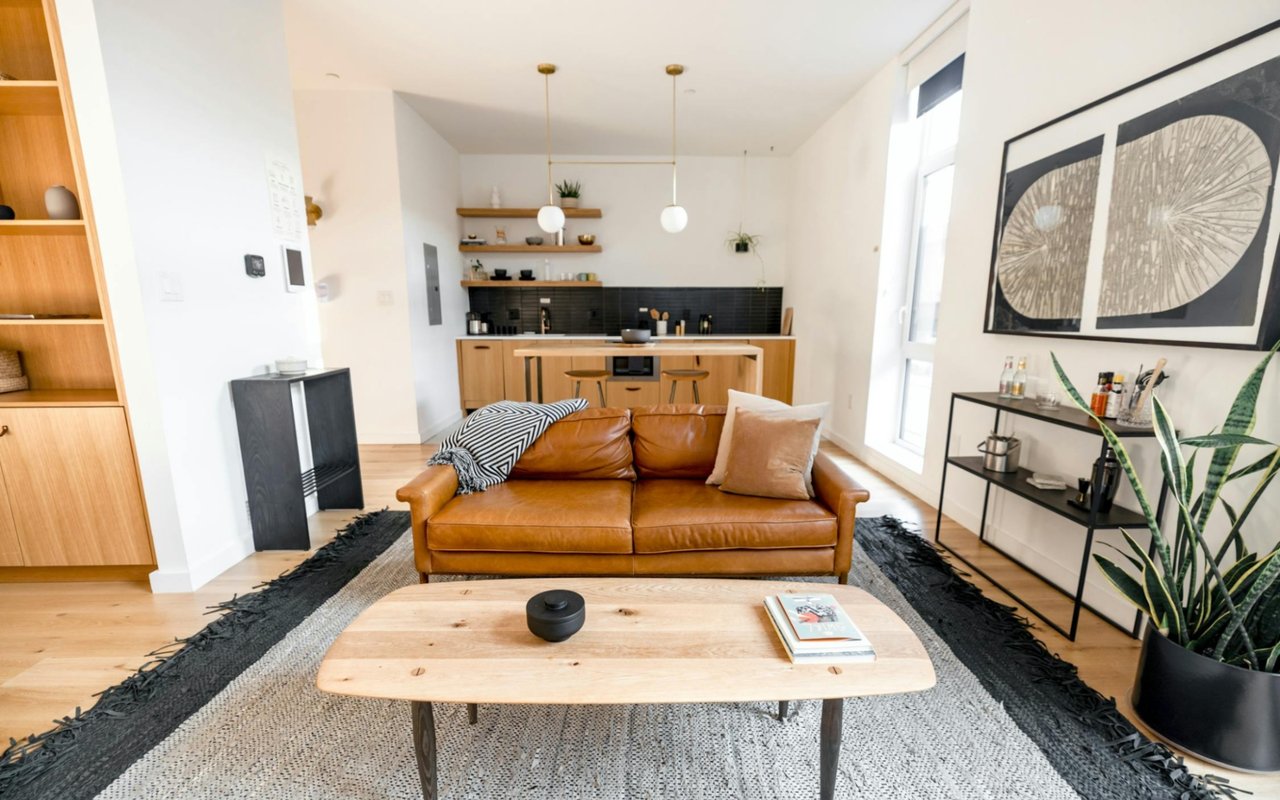
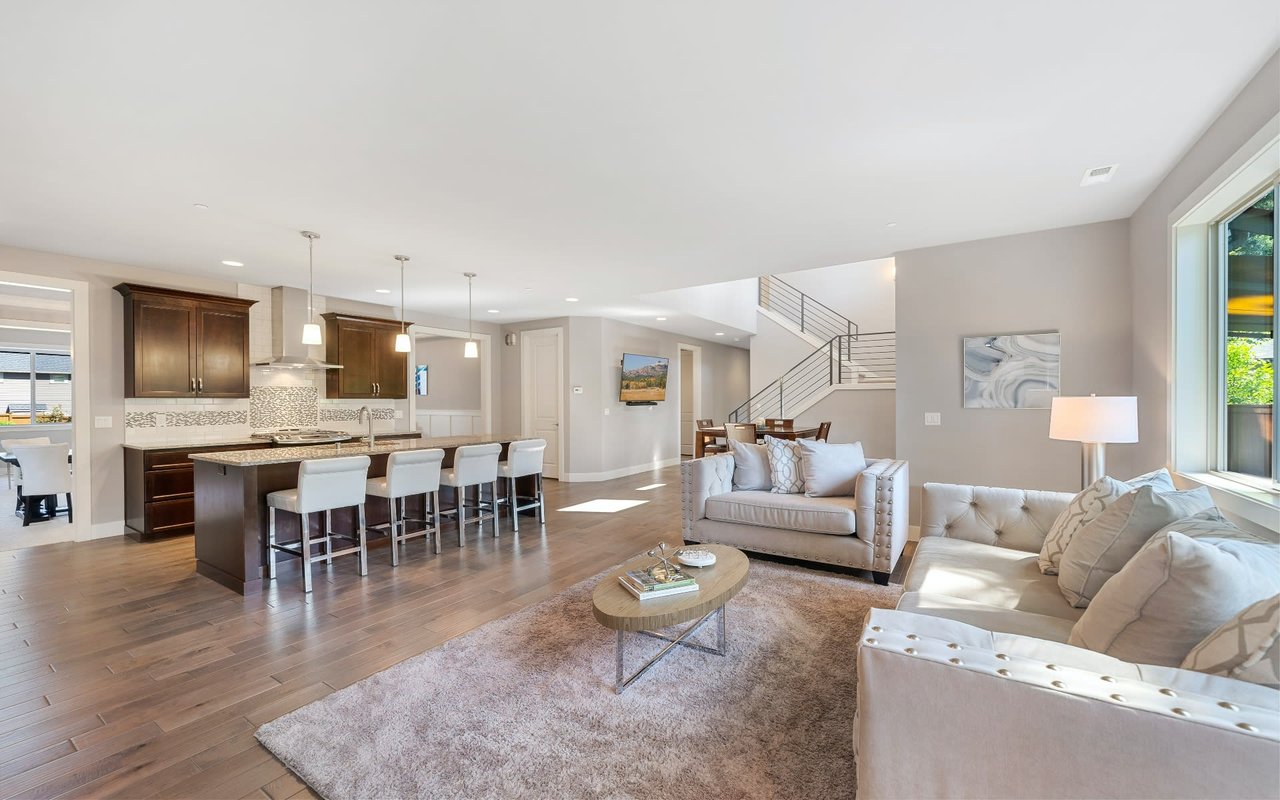
You are also likely to see features that matter in daily life, not just on listing photos. Current examples include open layouts, private balconies or patios, in-unit laundry, and attached or detached garages. Some newer units also mention EV-charging pre-wire.
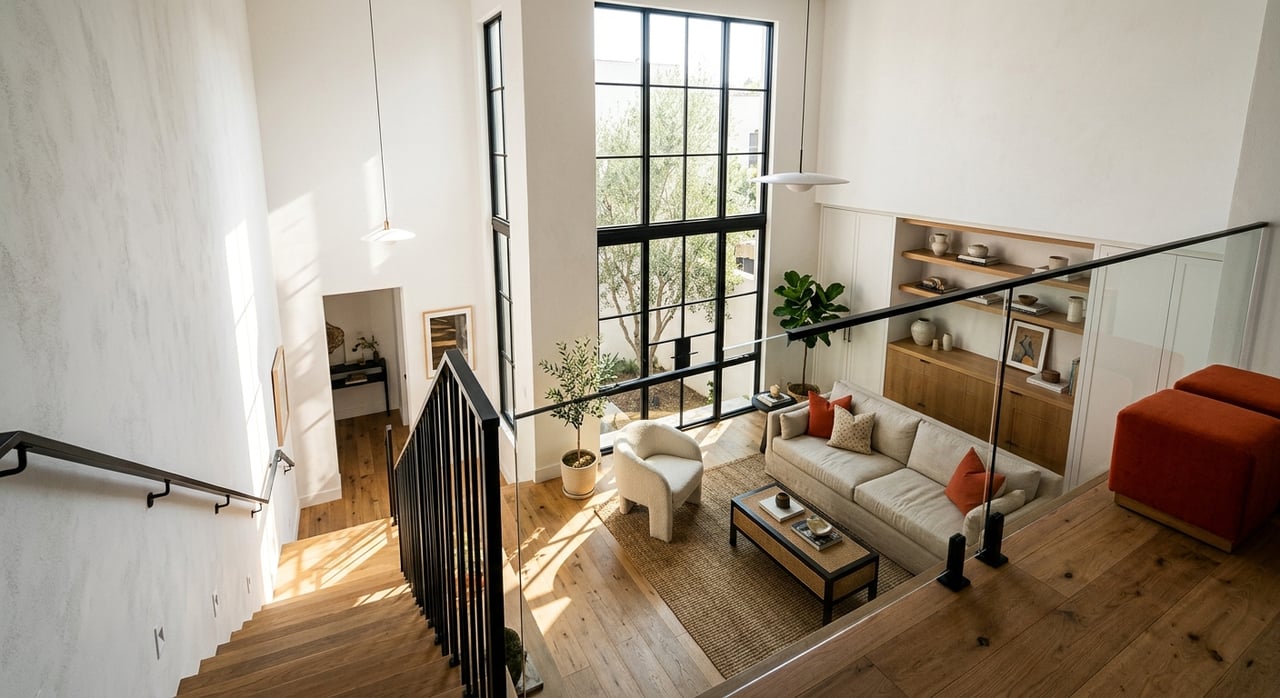
From a design and function standpoint, layout often matters as much as square footage. A well-planned townhome can live larger than the numbers suggest, especially if you need separation between living space and work space.
Parking Matters More Than You Think
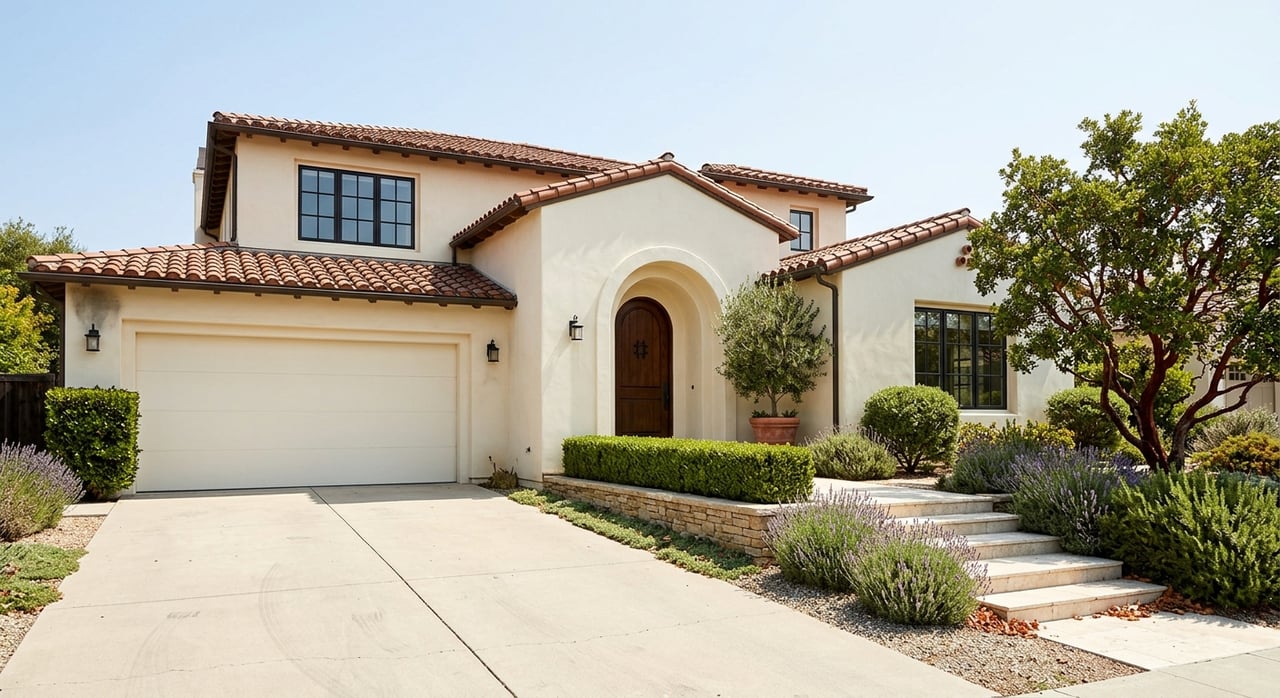
For busy commuters, parking details can be just as important as the number of bedrooms. Representative Hayward listings show a wide mix of setups, including a private 1-car attached garage or detached garage, two dedicated parking spaces, one covered space plus one open space, gated townhomes with a 2-car garage, and larger townhome-style homes with attached 2-car garages.
That variety is important because your commute may not be the same every day. You may take BART some days, drive on others, or need room for two household vehicles, bikes, or extra storage.
Before you fall in love with a floor plan, make sure the parking arrangement actually fits your routine. Tandem spaces, detached garages, and uncovered spots can work well for some buyers, but they are not all equal in convenience.
HOA Amenities and What They Really Mean
Many Hayward condos and townhomes are part of a homeowners association. In California common interest developments, HOA membership is generally automatic, and owners typically pay HOA fees and assessments.
The California Attorney General explains that CC&Rs, bylaws, and rules govern how the community operates. That means you should read those documents carefully before you buy, especially if you want clarity on parking, exterior maintenance, use restrictions, pet rules, or amenity access.
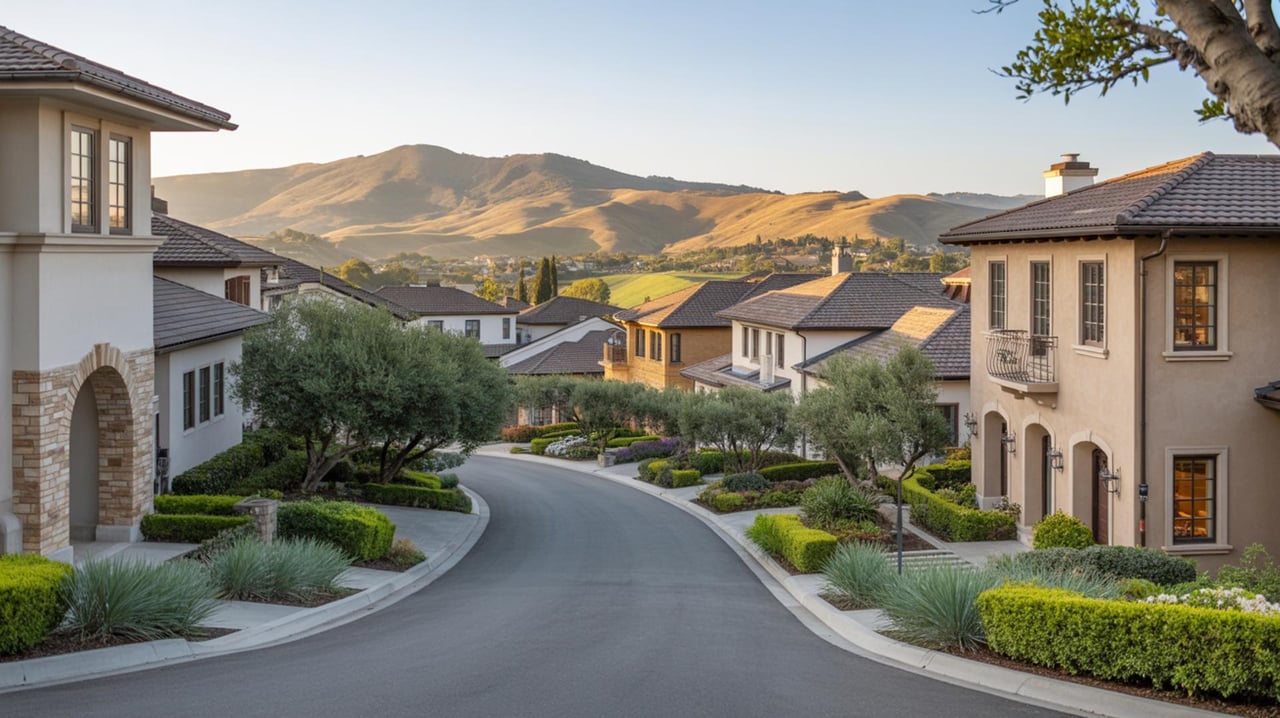
Current Hayward listings show that amenities can vary a lot from one community to another. You may see pools, spas, fitness centers, clubhouses, tennis courts, BBQ areas, guest parking, walking paths, dog parks, gated access, or HOA-included water, sewer, or garbage service.
The key is not to assume every community offers the same value. Two homes with similar asking prices can feel very different once you compare dues, amenities, maintenance responsibilities, and insurance coverage.
Review HOA Health Before You Buy
Monthly dues tell only part of the story. California Department of Real Estate guidance explains that associations levy assessments to fund operation and maintenance of common facilities, and reserve studies are meant to show major components, remaining life, replacement cost, reserve balances, and funding methods for non-annual maintenance.
For buyers, reserve planning is one of the clearest signs of how a community is being maintained. A strong review process can help you understand whether the association appears prepared for future repairs or whether deferred maintenance may become an issue.
DRE guidance also notes that associations should consider insurance such as commercial property, commercial liability, directors and officers liability, fidelity, workers compensation, and earthquake coverage. Those choices can affect monthly dues, which helps explain why HOA fees can differ a lot between communities.
For newer subdivisions and many attached-home communities, the DRE says the public report is a critical disclosure document. It should explain CC&Rs, costs and assessments for maintaining HOAs and common areas, and other material disclosures.
Understand the True Monthly Cost
If you are comparing Hayward condos and townhomes, the purchase price is only the starting point. The DRE says the real cost of buying a home includes mortgage payments, down payment, closing costs, insurance, taxes, repairs, upgrades, and other expenses.
It also advises buyers to budget for ongoing utilities, taxes, HOA dues, possible renovations, and maintenance. If your down payment is less than 20%, that can also mean PMI and or an impound account.
For commuter buyers, transportation should be part of the same math. If you plan to use BART parking regularly, that cost should sit right beside your HOA dues and other recurring housing costs.
Here is a simple way to think about your monthly carrying costs:
- Mortgage payment
- Property taxes
- Homeowners insurance
- HOA dues
- Utilities not covered by HOA
- BART parking or other commute costs
- Maintenance or upgrade savings
Ask These Questions Before Touring
A quick tour can make a home feel easy to choose, but the best commuter purchases usually come from asking sharper questions early. In Hayward’s attached-home market, a few details can have an outsized impact on your lifestyle and budget.
Start with these:
- What do the HOA dues cover, such as water, sewer, trash, insurance, exterior maintenance, security, or amenities?
- How many parking spaces are assigned, and are they covered, attached, tandem, or separate?
- How healthy are the reserves, and is there any known special assessment history?
- Does your commute rely only on BART, or on a mix of BART, AC Transit, biking, or driving?
- Is there a public report available for the community, and what does it say about costs and common area obligations?
The DRE also advises buyers to look for special taxes, assessments, and HOA dues that may affect monthly expenses. In practice, that means asking for the HOA budget, reserve study, CC&Rs, insurance summary, and any history of special assessments before you make an offer.
Know the Rules on Assessments
Special assessments are one of the biggest questions buyers have in condo and townhome communities. Under California Civil Code section 5605, boards are generally limited from raising regular assessments more than 20% over the prior fiscal year or imposing special assessments above 5% of budgeted gross expenses without approval of a majority of a quorum of members.
California Civil Code section 5610 creates an emergency exception for certain unforeseen or hazardous expenses, with written findings and notice requirements. For you as a buyer, the takeaway is simple: review the financials and ask direct questions about past and possible future assessments.
That step will not remove every risk, but it can help you make a more informed decision about the real cost of ownership.
How to Choose the Right Fit
The best Hayward condo or townhome for a busy commuter is not always the newest one or the one closest to a station on paper. It is the one that balances commute access, monthly cost, parking, layout, and HOA health in a way that fits your actual routine.
If you work long hours, a lower-maintenance home near BART may give you back time each week. If you need extra flexibility for remote work, guests, or storage, a larger townhome with better parking may serve you better even if it costs more.
This is where a design-minded, planning-focused home search can really help. Looking beyond the photos and into how a home functions day to day often leads to a smarter purchase.
If you are exploring Hayward condos and townhomes and want help comparing commute convenience, layout efficiency, and HOA due diligence, the Nivi Das Team can guide you with a thoughtful, client-first approach.
FAQs
What makes Hayward a good place for commuter-friendly condos and townhomes?
- Hayward has two BART stations, both served by AC Transit, and city planning documents identify several transit-oriented and mixed-use areas that support higher-density housing near daily amenities.
What condo and townhome sizes are common in the Hayward market?
- Representative listings show 1-bedroom condos around 400 to 700-plus square feet, 2-bedroom condos around 900 square feet, and townhome-style homes around 1,300 to 1,700-plus square feet.
What should buyers review in a Hayward HOA before buying?
- You should review the CC&Rs, bylaws, rules, HOA budget, reserve study, insurance summary, public report when available, and any history of special assessments.
How much does BART parking cost for Hayward commuters?
- Current BART station information shows daily parking at $3.40, reserved single or multi-day parking at $4.50, and monthly reserved parking at $93.80 at both Hayward and South Hayward stations.
Why is parking so important when buying a Hayward condo or townhome?
- Parking setups vary widely in Hayward, and the number, type, and location of spaces can affect your daily convenience just as much as square footage or amenities.
What monthly costs should buyers budget for with a Hayward attached home?
- Buyers should budget for mortgage payments, taxes, insurance, HOA dues, utilities not covered by the HOA, commute costs such as BART parking, and savings for maintenance or future upgrades.